- Home

- Stampa su tela
- gerald moira
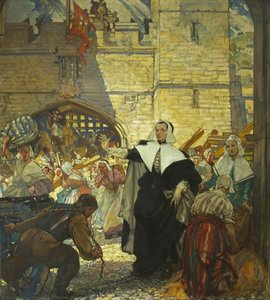
- Highland Landscape

 Preview
 Ordina la riproduzione Acquista download
 Invia
Invia
 Condividi
 Dettagli opera
 Aggiungi ai preferiti

 Scarica
 Simili
 Radiografia
 Slideshow
Highland Landscape
 1933
1933 175.0 x 142.0 cm
 Scopri di più
Giclée / Stampa d'arte
Stampa giclée o su tela di qualità museale, con produzione rapida e diverse opzioni di finitura.




































Scegli tra le nostre dimensioni predefinite, che rispettano le proporzioni originali dell'opera d'arte.

È possibile inserire dimensioni personalizzate per adattare l'opera a una cornice o a uno spazio specifico. Se la dimensione selezionata non corrisponde alle proporzioni dell'immagine originale, procederemo al ritaglio dell'opera o all'estensione dell'immagine con un bordo specchiato o a tinta unita. Un mockup digitale ti verrà inviato per approvazione prima dell'inizio della produzione.
Si prega di notare che l'anteprima a schermo non riflette il ritaglio o l'estensione effettivi. Solo il mockup mostrerà accuratamente la composizione finale.
Sebbene siano disponibili dimensioni personalizzate, si raccomanda di selezionare una dimensione dall'elenco predefinito per preservare le proporzioni originali.
Consegna in tutto il mondo () in 2 settimane invece delle normali 4/5 settimane. (26 Luglio)

Spedizione espressa gratuita in tutto il mondo

Tela in lino di alta qualità

Assicurazione completa sulla spedizione

Garanzia di rimborso dei dazi doganali

Garanzia di fedeltà cromatica

Politica di reso entro 60 giorni (solo per difetti)

Garanzia di rimborso al 100%

Sconto per acquisti multipli
 L'opzione vetro è disponibile solo per dimensioni inferiori a 110 cm

Highland Landscape
Giclée / Stampa d'arte
Dimensioni riproduzione
-


Prezzo totale finale
-
Biografia dell'artista
A Life Dedicated to Grand Visions: The World of Gerald Moira
Gerald Moira, born in 1867 and passing in 1959, was a British artist whose career unfolded across a period of significant artistic transition. While not a household name today, his work once graced some of the most important public spaces in Britain and beyond, embodying a unique blend of Victorian detail, Symbolist flair, and burgeoning Art Deco sensibilities. Moira wasn’t simply a painter; he was a muralist, a decorator, and a visual storyteller who dedicated his life to creating immersive environments that spoke to themes of history, mythology, and national pride. His early life remains somewhat shrouded in mystery – details are scarce beyond his birth year and eventual artistic pursuits. However, it's clear that he possessed an innate talent for draftsmanship and a fascination with elaborate ornamentation from a young age. He received formal training at the South Kensington Art School (later the Royal College of Art), where he honed his skills in figure painting, composition, and decorative techniques. This foundation would prove crucial to his later success in large-scale commissioned works.From Early Commissions to Monumental Murals
Moira’s professional journey began with smaller commissions – illustrations for books and magazines, designs for stained glass, and decorative panels for private residences. These early projects allowed him to develop a distinctive style characterized by flowing lines, rich colors, and an attention to intricate detail. However, it was his foray into mural painting that truly defined his career. He quickly gained recognition for his ability to translate complex narratives onto vast surfaces, creating visually stunning scenes that captivated audiences. One of his earliest major successes came with commissions for the Lyceum Theatre in London, working alongside renowned stage designer Val Prinsep. This experience exposed him to a world of theatrical spectacle and further refined his skills in dramatic composition and color theory. The late 19th and early 20th centuries saw a surge in public art projects, fueled by a desire to beautify cities and instill civic pride. Moira was perfectly positioned to capitalize on this trend, securing prestigious commissions for institutions such as the Manchester Town Hall, the Royal Exchange, and numerous churches and public buildings across England.A Synthesis of Styles: Influences and Artistic Development
Moira’s artistic style wasn't born in a vacuum; it was a carefully constructed synthesis of various influences. The Pre-Raphaelites, with their emphasis on detailed realism and romantic subject matter, undoubtedly played a role in shaping his early work. He also drew inspiration from the Symbolist movement, embracing its use of allegory, mythology, and dreamlike imagery. The influence of Italian Renaissance frescoes is readily apparent in his compositions, particularly in his masterful handling of perspective and figure painting. However, Moira wasn’t simply a copyist; he infused these influences with his own unique sensibility, creating a style that was both grand and intimate, ornate and dynamic. As the Art Deco movement gained momentum in the 1920s and 30s, Moira's work began to reflect its streamlined forms and geometric patterns. He seamlessly integrated elements of this new aesthetic into his murals, creating a distinctive fusion that set him apart from his contemporaries. This ability to adapt and evolve with changing artistic trends was key to his enduring success.Major Achievements and Lasting Legacy
Throughout his prolific career, Gerald Moira completed numerous significant works that stand as testaments to his skill and vision. His murals for the Manchester Town Hall are perhaps his most celebrated achievement – a series of elaborate scenes depicting historical events and allegorical figures that continue to impress visitors today. The Royal Exchange murals, though tragically destroyed during the Blitz in World War II, were also highly regarded for their dramatic power and technical brilliance. Beyond these iconic projects, Moira undertook countless commissions for churches, public buildings, and private residences, leaving a lasting mark on the architectural landscape of Britain.- His work often featured allegorical representations of industry, commerce, and civic virtue.
- Moira was known for his meticulous attention to detail and his ability to create visually stunning compositions.
- He skillfully blended various artistic styles, including Pre-Raphaelite realism, Symbolist imagery, and Art Deco aesthetics.
gerald moira
1867 - 1959
Dati rapidi
- Artistic Movement Or Style: Victorian Art Style
- Artists Or Movements Influenced By This Artist: ['Sir Walter Parratt']
- Artists Who Influenced This Artist: ['John Varley Roberts']
- Date Of Birth: January 26, 1867
- Date Of Death: August 2, 1959
- Full Name: Gerald Edward Moira
- Nationality: English
- Notable Artworks: ['Murals']
- Place Of Birth: London, England

