
 Anteprima in scala reale
 Invia
Invia Condividi
 Dettagli opera
 Guida
Guida

 Scarica
 Simili
 Radiografia
 Slideshow
 Domande e risposte
 Statistiche
FRANCOIS CHRISTOPHE KELLERMAN, GENERAL EN CHEF DE L'ARMEE DE LA MOSELLE EN 1792 (1735 1820)

 Espandi i dettagli
Giclée / Stampe d'arte
Stampa giclée o su tela di qualità museale, con produzione rapida e diverse opzioni di finitura. ( Acquista il dipinto realizzato a mano Passa all'immagine digitale)




































Scegli tra le nostre dimensioni predefinite, che rispettano le proporzioni originali dell'opera d'arte.

Inserisci la larghezza e l'altezza desiderate, per adattarle alla tua cornice o alla tua parete. Una stampa può essere solo ritagliata, mai resa più grande dell'immagine originale; pertanto, un formato con una forma differente comporterà la perdita di una parte dell'opera. Ti invieremo un mockup digitale da approvare prima di procedere con la stampa. L'immagine mostrata in questa pagina non rappresenta il ritaglio reale — solo il mockup lo mostra.
Consegna in tutto il mondo () in 2 settimane invece delle normali 4/5 settimane. (8 Novembre)

Spedizione espressa gratuita in tutto il mondo

Tela in lino di alta qualità

Assicurazione completa sulla spedizione

Garanzia di rimborso dei dazi doganali

Garanzia di fedeltà cromatica assoluta

Politica di reso entro 100 giorni (solo per difetti di fabbricazione)

Garanzia di rimborso al 100%

Offerta per acquisti multipli
 L'opzione vetro è disponibile solo per dimensioni inferiori a 110 cm

FRANCOIS CHRISTOPHE KELLERMAN, GENERAL EN CHEF DE L'ARMEE DE LA MOSELLE EN 1792 (1735 1820)
Giclée / Stampe d'arte
Dimensioni riproduzione
-


Prezzo finale calcolato
€ 72
Biografia dell'artista
L'Apprendista della Grandezza
Nato nell'energia vibrante della Parigi di fine Settecento, Marie-Georges Louis Rouget era destinato a diventare un silenzioso architetto della storia visiva. Il suo percorso ebbe inizio tra i prestigiosi corridoi dell'École des Beaux-Arts, dove apprese i rigori della forma classica sotto la guida di maestri quali Jean-Victor Carrier Sabre e Alexandre François Bouchardy. Tuttavia, fu l'ingresso nel leggendario atelier di Jacques-Louis David nel 1797 a mutare irrevocabilmente il corso della sua vita e della sua arte. In questo crogiolo del Neoclassicismo, Rouget non si limitò ad imparare a dipingere; egli imparò a respirare lo spirito stesso di un'epoca. Come assistente più fidato di David, divenne un tramite vitale per la visione rivoluzionaria del maestro, assorbendo una tecnica definita da luci drammatiche, anatomie idealizzate e un profondo impegno verso la narrazione eroica. Questo periodo formativo gli instillò una dedizione incrollabile nel ritrarre eventi storici monumentali con un senso di scala e convinzione che avrebbe definito l'intera sua carriera.Una Tela dell'Impero
Con l'ascesa al trono di Napoleone Bonaparte, il pennello di Rouget divenne uno strumento di grandezza imperiale e di cronaca storica. La sua carriera fu inestricabilmente intrecciata con la trama del Primo Impero, guadagnandogli l'evocativa reputazione di pittore di Napoleone. Non si trattava di un ruolo di mera imitazione, bensì di una profonda simbiosi creativa tra allievo e maestro. Collaborando con David, Rouget contribuì ad alcune delle immagini più iconiche dell'epoca, incluse interpretazioni meticolosamente realizzate di Bonaparte al Gran San Bernardo e della monumentale Incoronazione di Napoleone. La sua opera catturò la tensione tra il peso della storia e l'ambizione smisurata di un singolo uomo, utilizzando una tavolozza di blu profondi, rossi regali e toni terrosi per evocare un senso di permanenza e potere. Attraverso le sue mani, i trionfi fugaci del campo di battaglia e le manovre politiche della corte furono trasformati in eterni monumenti di olio e tela, molti dei quali finirono per adornare le sacre sale di Versailles.L'Eredità della Precisione Neoclassica
Oltre ai vasti panorami storici, Rouget trovò la sua massima espressione nella dignità intima del ritratto. La sua capacità di catturare l'essenza delle figure chiave dell'epoca — dai comandanti militari come François Chasseloup Laubat alla silenziosa autorità dell'élite francese — dimostrò una maestria nel realismo neoclassico. In queste opere, si riscontra un'esquisita attenzione alla trama e alla luce; la sottile lucentezza dei ricami in oro, il pesante drappeggio di un'uniforme e il bagliore morbido e diffuso che scolpisce i lineamenti del soggetto sono tutti resi con una precisione mozzafiato. Sebbene possa non aver condiviso la fama singolare e universale di David o Ingres, la presenza di Rouget negli annali dell'arte francese è innegabile. La sua eredità rimane una testimonianza di un'epoca in cui l'arte fungeva da specchio supremo dell'ambizione umana, lasciando dietro di sé un lessico visivo di forza, formalità e grazia che continua a risuonare con lo spirito dell'era napoleonica.
Georges Rouget
1783 - 1869 , Francia
Dettagli rapidi
- Artistic Movement Or Style: Neoclassico
- Artists Who Influenced This Artist: ['David']
- Date Of Birth: 26 agosto 1783
- Date Of Death: 9 aprile 1869
- Full Name: Georges Rouget
- Nationality: Francese
- Notable Artworks:
- Matrimonio di Napoleone e Maria Luigia
- Cupido implora Venere di perdonare Psiche
- Leonida a Termopile
- Place Of Birth: Parigi, Francia
Articoli correlati
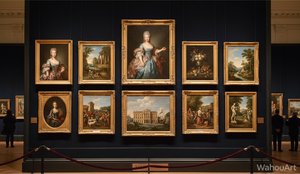
Il XVIII Secolo nell'Arte: 10 Capolavori da Ammirare e Decorare la Tua Casa
Esplora i 10 capolavori che definiscono l'arte del XVIII secolo! Da Guardi a Fragonard, scopri storie, tecniche e colori di un'epoca d'oro. Trova riproduzioni artistiche di alta qualità per decorare la tua casa su OriginalUniqueArt.com.

Georges Seurat: I 25 Capolavori che Rivoluzionarono la Pittura | OriginalUniqueArt
Esplora i 25 capolavori di Georges Seurat, il maestro del Pointillismo. Scopri la storia, le tecniche e l'emozione dietro dipinti iconici come 'Un dimanche à la Grande Jatte'. Trova riproduzioni d'arte di alta qualità per decorare casa tua su OriginalUniqueArt.com.

I 25 capolavori di Georges Braque: l'essenza del Cubismo
Scopri i 25 capolavori di Georges Braque e la rivoluzione del Cubismo. Esplora la collezione su OriginalUniqueArt.com.

Saint George in Art: A Scholarly Exploration of Iconic Masterpieces and Eternal Legends
Delve into the profound legacy of Saint George through art history. Explore iconic masterpieces by Raphael and Dürer, decoding the iconography of the dragon legend. Discover scholarly insights and bring these timeless tales to life with our museum-quality, hand-painted oil reproductions.

Reflections of an Age: Social Commentary & Artistic Representation in 18th-Century Society
Explore the social commentary & artistic representation of 18th-century society. Discover Rococo masterpieces, portraiture's power, and shifting historical perspectives. Expert insights for art lovers.


