Anteprima in scala reale
 Invia
Invia Condividi
 Dettagli opera
 Guida
Guida

 Scarica
 Simili
 Radiografia
 Slideshow
 Domande e risposte
 Statistiche
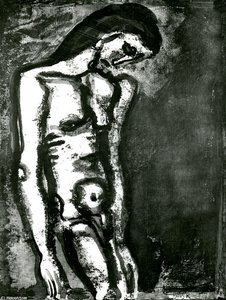
Odalisque


 Espandi i dettagli
L'opera d'arte visualizzata in questa pagina è protetta dalle leggi sul diritto d'autore, il che significa che non possiamo legalmente creare o vendere una riproduzione identica. Tale protezione è garantita da accordi internazionali quali la Convenzione di Berna e dalle leggi nazionali, incluse quelle stabilite da Legge sul copyright degli Stati Uniti - Titolo 17. Tutti i diritti riservati. Le immagini presenti su questo sito sono protette da copyright e non possono essere riprodotte o utilizzate senza l'autorizzazione scritta di WahooArt.com o dei rispettivi proprietari del copyright.
Questo metodo è pienamente conforme alle normative sul diritto d'autore poiché non prevede la copia o la duplicazione dell'opera protetta. Si tratta invece di una rielaborazione creativa: un nuovo dipinto che trae ispirazione dall'originale, senza tuttavia esserne identico.
Giclée / Stampe d'arte
Stampa giclée o su tela di qualità museale, con produzione rapida e diverse opzioni di finitura. ( Acquista il dipinto realizzato a mano Passa all'immagine digitale)




P118B €10

P118H €10

P118W €10

P438Z €10

P508JH €12

P508YH €12

P805H €10

P805Z €10

P919BZ €10

P919G €10

P919XJ €10

P959ZH €10

P968JZ €12

W106C €8

W218G €10

W218JH €8

W218Y €10

W307PJ €10

W316G €10

W316PJ €8

W316Y €10

W398PJ €8

W4111J €10

W500HY €15

W500JH €15

W692G €12

W849H €8

W940BG €15

W953PJ €8




Scegli tra le nostre dimensioni predefinite, che rispettano le proporzioni originali dell'opera d'arte.

Inserisci la larghezza e l'altezza desiderate, per adattarle alla tua cornice o alla tua parete. Una stampa può essere solo ritagliata, mai resa più grande dell'immagine originale; pertanto, un formato con una forma differente comporterà la perdita di una parte dell'opera. Ti invieremo un mockup digitale da approvare prima di procedere con la stampa. L'immagine mostrata in questa pagina non rappresenta il ritaglio reale — solo il mockup lo mostra.
Consegna in tutto il mondo () in 2 settimane invece delle normali 4/5 settimane. (8 Novembre)

Spedizione espressa gratuita in tutto il mondo

Tela in lino di alta qualità

Assicurazione completa sulla spedizione

Garanzia di rimborso dei dazi doganali

Garanzia di fedeltà cromatica assoluta

Politica di reso entro 100 giorni (solo per difetti di fabbricazione)

Garanzia di rimborso al 100%

Offerta per acquisti multipli
 L'opzione vetro è disponibile solo per dimensioni inferiori a 110 cm

Odalisque
Giclée / Stampe d'arte
Dimensioni riproduzione
-


Prezzo finale calcolato
€ 72
Odalisque: A Window into Rouault’s Soul
Georges Rouault's "Odalisque" isn’t merely a depiction of a reclining woman; it’s a profound meditation on isolation, spirituality, and the human condition. Painted in 1906, this work exemplifies Rouault’s unique artistic vision – a stark departure from the polished surfaces of Impressionism and Fauvism, instead embracing a raw, emotionally charged realism that would later influence Expressionist movements. The painting immediately draws the viewer into a space of quiet contemplation, dominated by a palette of deep blues, blacks, and grays punctuated by flashes of red and orange – colors deliberately chosen to evoke both melancholy and a sense of hidden intensity.
Rouault’s technical mastery is evident in every brushstroke. He employs thick, deliberate lines that define the figure's form with an almost sculptural quality. These aren’t delicate lines; they possess a palpable energy, conveying a deep sense of emotional turmoil. The layering and blending of paint create areas of rich texture – visible brushstrokes suggest a surface that is both solid and vulnerable. The use of light is dramatic, casting strong shadows that obscure parts of the scene while highlighting others, contributing to the overall atmosphere of mystery and introspection. Notice how the flattened perspective, absent of traditional depth cues, forces the viewer into an almost claustrophobic relationship with the subject, mirroring perhaps the feeling of confinement often associated with isolation.
Echoes of Ingres and a Spiritual Quest
Rouault’s artistic lineage is complex and fascinating. While he was influenced by the bold color palettes and expressive lines of artists like Vincent van Gogh, his roots lie firmly in the tradition of French academic painting, particularly the work of Jean-Auguste-Dominique Ingres. “Odalisque” shares a kinship with Ingres’s own iconic "Grande Odalisque," though Rouault's interpretation is far more psychologically complex. Just as Ingres used elongated proportions to convey sensuality and beauty, Rouault employs distortion to expose the vulnerability and perhaps even despair of his subject. The influence of Mannerist painters like Parmigianino – known for their distorted figures – can be seen in the exaggerated features and unsettling gaze of the odalisque.
However, “Odalisque” transcends mere imitation. Rouault’s personal journey—a devout Catholic seeking solace and meaning amidst the hardships of Parisian life—is deeply embedded within the painting's symbolism. The obscured figures in the background could represent voyeurism or a sense of being watched, reflecting perhaps the anxieties of modern urban existence. The overall mood is undeniably melancholic, yet there’s also an undeniable strength in the odalisque’s posture – a quiet resilience that speaks to the enduring human spirit.
A Masterpiece of Emotional Resonance
“Odalisque” isn't simply a beautiful painting; it’s a powerful emotional experience. Rouault’s ability to capture the essence of human vulnerability and isolation is remarkable, making this work a timeless masterpiece. Its dark palette, distorted forms, and evocative lighting combine to create an atmosphere that is both unsettling and profoundly moving. The painting invites viewers to confront uncomfortable truths about themselves and the world around them – themes that resonate deeply with the viewer long after initial observation.
This reproduction captures Rouault’s vision with exceptional detail, allowing you to experience the full impact of this iconic artwork. It's a perfect addition to any art collection or a striking focal point for interior design, bringing a touch of emotional depth and artistic sophistication to your space.
Domande e risposte
Dove posso acquistare una riproduzione dipinta a mano di "Odalisque" di Georges Rouault?
Puoi ordinare una riproduzione dipinta a mano di "Odalisque" di Georges Rouault direttamente nella sua pagina Riproduzione dipinta a mano: una riproduzione a olio dipinta a mano su tela di lino, realizzata su ordinazione.
"Odalisque" è di pubblico dominio?
Per quanto riguarda il copyright, "Odalisque" è ancora protetta dal diritto d'autore.
Chi ha creato "Odalisque"?
"Odalisque" è stata creata da Georges Rouault. Le informazioni contenute in questa pagina descrivono l'opera originale di Georges Rouault.
Biografia dell'artista
La Primi Anni e la Formazione
Georges Henri Rouault, pittore, disegnatore e incisore francese, nacque a Parigi il 27 maggio 1871, in una famiglia modesta. Sua madre incoraggiò il suo amore per le arti e, all'età di 14 anni, iniziò un apprendistato come vetraio e restauratore, che durò fino al 1890. Questa esperienza precoce influenzò probabilmente il suo stile pittorico maturo, caratterizzato da contorni neri pesanti e colori brillanti, reminiscenti del vetro piombato.La Carriera Artistica
Durante il suo apprendistato, Rouault frequentò corsi serali alla scuola di belle arti e successivamente entrò all'École des Beaux-Arts nel 1891, dove studiò sotto Gustave Moreau. I suoi primi lavori mostrano un simbolismo nell'uso del colore, riflettendo l'influenza di Moreau. Dopo la morte di Moreau nel 1898, Rouault fu nominato curatore del museo Moreau a Parigi.Fauvismo ed Espressionismo
Rouault incontrò artisti importanti come Henri Matisse, Albert Marquet, Henri Manguin e Charles Camoin, il che lo portò al movimento Fauvista, con Matisse come leader. Il suo uso di contrasti netti ed emotività fu influenzato da Vincent van Gogh. Le sue caratterizzazioni di personalità grottesche enfatizzate ispirarono i pittori espressionisti.Opere Notabili e Mostre
* Nel 1891, Rouault dipinse "La Via della Croce". * A partire dal 1895, partecipò a importanti mostre pubbliche, tra cui il Salon d'Automne, che contribuì a fondare. * Nel 1907, Rouault intraprese una serie di dipinti dedicati a cortigiane, clown e prostitute, interpretati come critica morale e sociale.- Movimento Post-Impressionista
- Le opere di Georges Rouault su OriginalUniqueArt.com
- Georges Rouault su Wikipedia
Eredità e Vita Successiva
Rouault si dedicò alla pittura dal 1917, con la fede cristiana che informava il suo lavoro. Creò disegni per il balletto "Il Figliol Prodigo" di Diaghilev nel 1929. Nel 1930, iniziò a esporre in paesi stranieri, principalmente a Londra, New York e Chicago. Rouault morì a Parigi il 13 febbraio 1958, lasciando dietro di sé un'eredità come uno dei più appassionati artisti cristiani del XX secolo. Importante: Alla fine della sua vita, Rouault bruciò 300 delle sue opere, stimate valere oltre cinquecento milioni di franchi oggi.
Georges Rouault
1871 - 1958 , Francia
Dettagli rapidi
- Artisti Influenti:
- Gustave Moreau
- Vincent van Gogh
- Henri Matisse
- Artisti Influenzati: ['Espressionisti']
- Data Di Nascita: 27 maggio 1871
- Luogo Di Nascita: Parigi, Francia
- Movimento Artistico: Espressionismo, Fauvismo
- Nazionalità: Francese
- Nome Completo: Georges Rouault
- Opere Notevoli:
- La via della calvario
- Dame Du Haut-Quartier
Articoli correlati
I 10 Capolavori Fauvisti che Hanno Rivoluzionato l'Arte Moderna |
Esplora i 10 capolavori Fauvismo di Matisse, Derain e Vlaminck. Scopri la storia, i colori audaci e l'impatto di questo rivoluzionario movimento artistico. Riproduzioni d'arte di alta qualità su .

I 25 capolavori di Georges Braque: l'essenza del Cubismo
Scopri i 25 capolavori di Georges Braque e la rivoluzione del Cubismo. Esplora la collezione su OriginalUniqueArt.com.

The Alluring Gaze: Orientalism in 19th-Century Art – Representation, Reception & Construction of the 'Orient'
Explore the complex history of Orientalism in 19th-century art. Discover how Western artists depicted the 'Orient,' its cultural impact, and Edward Said's critical analysis. A deep dive for art lovers & historians.

Georges Seurat: I 25 Capolavori che Rivoluzionarono la Pittura | OriginalUniqueArt
Esplora i 25 capolavori di Georges Seurat, il maestro del Pointillismo. Scopri la storia, le tecniche e l'emozione dietro dipinti iconici come 'Un dimanche à la Grande Jatte'. Trova riproduzioni d'arte di alta qualità per decorare casa tua su OriginalUniqueArt.com.
I 10 Capolavori Fauvisti che Hanno Rivoluzionato l'Arte Moderna | OriginalUniqueArt
Esplora i 10 capolavori del Fauvismo con OriginalUniqueArt. Scopri Matisse, Derain e altri maestri dell'arte moderna e le loro tele dai colori audaci. Trova riproduzioni artistiche di alta qualità per la tua casa! Esplora la collezione online.