 Anteprima in scala reale
 Condividi
 Condividi
 Dettagli

 Scarica immagine
 Articoli simili
 Radiografia
 Slideshow
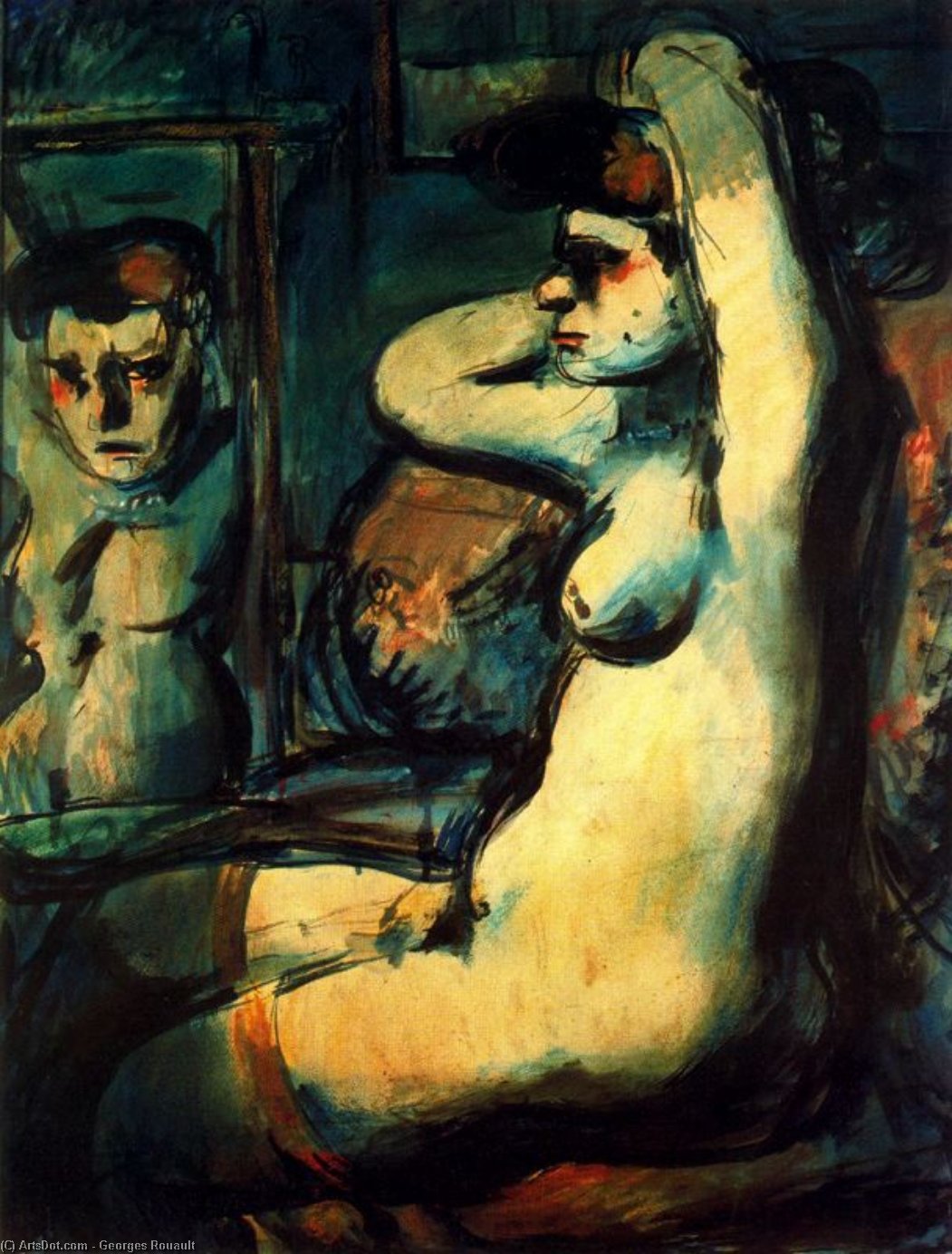
Girl with mirror


 Leggi tutto
Giclée / Stampe d'arte
Stampa giclée o su tela di qualità museale, con produzione rapida e diverse opzioni di finitura. ( Ordina la riproduzione dipinta a mano Acquista download)




P118B $10

P118H $10

P118W $10

P438Z $10

P508JH $12

P508YH $12

P805H $10

P805Z $10

P919BZ $10

P919G $10

P919XJ $10

P959ZH $10

P968JZ $12

W106C $8

W218G $10

W218JH $8

W218Y $10

W307PJ $10

W316G $10

W316PJ $8

W316Y $10

W398PJ $8

W4111J $10

W500HY $15

W500JH $15

W692G $12

W849H $8

W940BG $15

W953PJ $8




Scegli tra le nostre dimensioni predefinite, che rispettano le proporzioni originali dell'opera d'arte.

È possibile inserire dimensioni personalizzate per adattare l'opera a una cornice o a uno spazio specifico. Se la dimensione selezionata non corrisponde alle proporzioni dell'immagine originale, procederemo al ritaglio dell'opera o all'estensione dell'immagine con un bordo specchiato o a tinta unita. Un mockup digitale ti verrà inviato per approvazione prima dell'inizio della produzione.
Si prega di notare che l'anteprima a schermo non riflette il ritaglio o l'estensione effettivi. Solo il mockup mostrerà accuratamente la composizione finale.
Sebbene siano disponibili dimensioni personalizzate, si raccomanda di selezionare una dimensione dall'elenco predefinito per preservare le proporzioni originali.
Consegna in tutto il mondo () in 2 settimane invece delle normali 4/5 settimane. (20 Agosto)

Spedizione espressa gratuita in tutto il mondo

Tela in lino di alta qualità

Assicurazione completa sulla spedizione

Garanzia di rimborso dei dazi doganali

Garanzia di fedeltà cromatica dell'originale

Politica di reso entro 60 giorni (solo per difetti di fabbricazione)

Garanzia di rimborso al 100%

Sconto per acquisti multipli
 L'opzione vetro è disponibile solo per dimensioni inferiori a 110 cm

Girl with mirror
Giclée / Stampe d'arte
Dimensioni della riproduzione
-


Prezzo totale
$ 80
Descrizione del pezzo
Georges Rouault’s ‘Girl with Mirror’: A Study in Melancholy and Reflection
Georges Rouault's "Girl with Mirror" is not merely a depiction of a young woman contemplating her image; it’s a profound exploration of isolation, identity, and the unsettling nature of self-awareness. Executed in his signature style – a potent blend of Fauvist color theory and Expressionist distortion – the painting immediately commands attention with its dramatic use of light and shadow, and the raw emotionality that radiates from the central figure. Rouault’s meticulous technique, evident in the bold outlines defining the forms and the layered application of oil paint, creates a textured surface that invites close scrutiny, revealing both the artist's deliberate control and his willingness to embrace spontaneity.
A Palette of Shadows and Light
The color palette is deliberately muted, dominated by blues, greens, yellows, and reds – yet these tones are far from passive. Rouault masterfully manipulates their intensity, creating a palpable sense of depth and atmosphere. The cool background tones contrast sharply with the warmer hues applied to the girl’s skin, drawing the viewer's eye directly to her face and intensifying the feeling of introspection. Notice how the strategic use of yellow highlights emphasizes her vulnerability, while subtle red undertones hint at an underlying tension or perhaps a suppressed emotion. This careful orchestration of color is crucial to understanding the painting’s overall mood – one of quiet melancholy and profound contemplation.
Symbolism Within Distortion
The composition itself is laden with symbolic weight. The mirror, a recurring motif in Rouault's work, transcends its literal function as a reflective surface. It represents not just an external image but also the internal landscape of the psyche – a space where self-perception and reality collide. The reflection of the man adds another layer of complexity, suggesting duality, perhaps representing both desire and unattainable longing. His obscured features contribute to a sense of mystery and emotional distance, reinforcing the theme of isolation at the heart of the painting. Rouault’s deliberate distortion of form – the elongated limbs, the slightly skewed perspective – further amplifies this feeling, pushing beyond simple realism to convey a deeper psychological truth.
The Artist's Hand: Technique and Legacy
Rouault’s technique is characterized by a remarkable balance between precision and expressive freedom. The thick, black outlines are not simply decorative; they actively shape the forms, creating a sense of confinement and emphasizing the figure’s vulnerability. Yet, within these rigid lines, Rouault allows for visible brushstrokes, adding texture and preventing the surface from appearing sterile. This combination of meticulous detail and gestural mark-making is characteristic of his approach – a testament to his deep understanding of both formal structure and emotional expression. Born in the shadow of the Paris Commune, Rouault’s life was marked by hardship and spiritual seeking, informing his art with an empathy for the marginalized and suffering. His work continues to resonate today, offering a powerful meditation on the complexities of human experience.
Biografia dell'artista
La Primi Anni e la Formazione
Georges Henri Rouault, pittore, disegnatore e incisore francese, nacque a Parigi il 27 maggio 1871, in una famiglia modesta. Sua madre incoraggiò il suo amore per le arti e, all'età di 14 anni, iniziò un apprendistato come vetraio e restauratore, che durò fino al 1890. Questa esperienza precoce influenzò probabilmente il suo stile pittorico maturo, caratterizzato da contorni neri pesanti e colori brillanti, reminiscenti del vetro piombato.La Carriera Artistica
Durante il suo apprendistato, Rouault frequentò corsi serali alla scuola di belle arti e successivamente entrò all'École des Beaux-Arts nel 1891, dove studiò sotto Gustave Moreau. I suoi primi lavori mostrano un simbolismo nell'uso del colore, riflettendo l'influenza di Moreau. Dopo la morte di Moreau nel 1898, Rouault fu nominato curatore del museo Moreau a Parigi.Fauvismo ed Espressionismo
Rouault incontrò artisti importanti come Henri Matisse, Albert Marquet, Henri Manguin e Charles Camoin, il che lo portò al movimento Fauvista, con Matisse come leader. Il suo uso di contrasti netti ed emotività fu influenzato da Vincent van Gogh. Le sue caratterizzazioni di personalità grottesche enfatizzate ispirarono i pittori espressionisti.Opere Notabili e Mostre
* Nel 1891, Rouault dipinse "La Via della Croce". * A partire dal 1895, partecipò a importanti mostre pubbliche, tra cui il Salon d'Automne, che contribuì a fondare. * Nel 1907, Rouault intraprese una serie di dipinti dedicati a cortigiane, clown e prostitute, interpretati come critica morale e sociale.- Movimento Post-Impressionista
- Le opere di Georges Rouault su OriginalUniqueArt.com
- Georges Rouault su Wikipedia
Eredità e Vita Successiva
Rouault si dedicò alla pittura dal 1917, con la fede cristiana che informava il suo lavoro. Creò disegni per il balletto "Il Figliol Prodigo" di Diaghilev nel 1929. Nel 1930, iniziò a esporre in paesi stranieri, principalmente a Londra, New York e Chicago. Rouault morì a Parigi il 13 febbraio 1958, lasciando dietro di sé un'eredità come uno dei più appassionati artisti cristiani del XX secolo. Importante: Alla fine della sua vita, Rouault bruciò 300 delle sue opere, stimate valere oltre cinquecento milioni di franchi oggi.
Georges Rouault
1871 - 1958 , Francia
Informazioni rapide
- Artisti Influenti:
- Gustave Moreau
- Vincent van Gogh
- Henri Matisse
- Artisti Influenzati: ['Espressionisti']
- Data Di Nascita: 27 maggio 1871
- Luogo Di Nascita: Parigi, Francia
- Movimento Artistico: Espressionismo, Fauvismo
- Nazionalità: Francese
- Nome Completo: Georges Rouault
- Opere Notevoli:
- La via della calvario
- Dame Du Haut-Quartier