Anteprima in scala reale
 Invia
Invia Condividi
 Dettagli opera
 Guida
Guida

 Scarica
 Simili
 Radiografia
 Slideshow
 Domande e risposte
 Statistiche
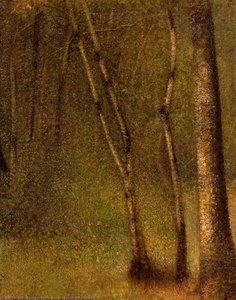
Il Bosco di Pontaubert


 Espandi i dettagli
Giclée / Stampe d'arte
Stampa giclée o su tela di qualità museale, con produzione rapida e diverse opzioni di finitura. ( Acquista il dipinto realizzato a mano Passa all'immagine digitale)




P118B €10

P118H €10

P118W €10

P438Z €10

P508JH €12

P508YH €12

P805H €10

P805Z €10

P919BZ €10

P919G €10

P919XJ €10

P959ZH €10

P968JZ €12

W106C €8

W218G €10

W218JH €8

W218Y €10

W307PJ €10

W316G €10

W316PJ €8

W316Y €10

W398PJ €8

W4111J €10

W500HY €15

W500JH €15

W692G €12

W849H €8

W940BG €15

W953PJ €8




Scegli tra le nostre dimensioni predefinite, che rispettano le proporzioni originali dell'opera d'arte.

Inserisci la larghezza e l'altezza desiderate, per adattarle alla tua cornice o alla tua parete. Una stampa può essere solo ritagliata, mai resa più grande dell'immagine originale; pertanto, un formato con una forma differente comporterà la perdita di una parte dell'opera. Ti invieremo un mockup digitale da approvare prima di procedere con la stampa. L'immagine mostrata in questa pagina non rappresenta il ritaglio reale — solo il mockup lo mostra.
Consegna in tutto il mondo () in 2 settimane invece delle normali 4/5 settimane. (4 Novembre)

Spedizione espressa gratuita in tutto il mondo

Tela in lino di alta qualità

Assicurazione completa sulla spedizione

Garanzia di rimborso dei dazi doganali

Garanzia di fedeltà cromatica assoluta

Politica di reso entro 100 giorni (solo per difetti di fabbricazione)

Garanzia di rimborso al 100%

Offerta per acquisti multipli
 L'opzione vetro è disponibile solo per dimensioni inferiori a 110 cm

Il Bosco di Pontaubert
Giclée / Stampe d'arte
Dimensioni riproduzione
-


Prezzo finale calcolato
€ 72
Georges Pierre Seurat: A Pioneer of Neo-Impressionism
Georges Pierre Seurat, a visionary French artist born in 1859, irrevocably altered the course of modern art with his groundbreaking approach to painting. He stands as one of the foremost figures in Post-Impressionism, distinguished by his unwavering dedication to scientific precision combined with an exquisite sensitivity to color and light—a duality that defines his artistic legacy. His exploration of pointillist technique revolutionized visual expression, influencing generations of artists and establishing him as a cornerstone of Impressionistic innovation.The Painting: A Detailed Analysis
Forest at Pontaubert is a testament to Seurat’s mastery of capturing the essence of nature. Painted in 1881, this serene woodland scene depicts trees standing tall against a backdrop suggestive of winter or autumnal hues. The deliberate use of brownish tones imbues the composition with an aged appearance, evoking feelings of melancholy and profound tranquility. Seurat's Post-Impressionist style is immediately apparent—bold colors are juxtaposed with meticulous attention to detail, creating a textured surface that invites contemplation. His revolutionary technique, known as pointillism, involved applying tiny dots of pigment – rather than blending brushstrokes – resulting in an astonishing illusion of depth and luminosity when viewed from afar. This method wasn’t merely aesthetically pleasing; it was underpinned by scientific principles derived from Chevreul's color theory, reflecting Seurat’s intellectual curiosity alongside his artistic vision.Artistic Techniques and Innovations
Seurat’s work transcends mere visual beauty; it embodies a profound conceptual breakthrough. His pioneering use of chromoluminarism—the manipulation of light through pigment dots—challenged conventional artistic dogma and paved the way for new avenues of expression. This technique allowed artists to explore previously unattainable dimensions of color perception, influencing subsequent movements like Fauvism and Expressionism. Furthermore, Seurat’s meticulous drawings – exemplified by Study for "Un dimanche d'été à la Grande Jatte" – demonstrate his unwavering commitment to artistic perfection and meticulous observation. The Royal Irish Fusiliers Museum in Dublin serves as a poignant reminder of Ireland’s rich cultural heritage—much like Seurat’s paintings preserve fleeting moments of natural splendor, encapsulating the beauty of Impressionistic ideals.Seurat's Legacy and Influence
Georges Pierre Seurat left an indelible mark on the art world, solidifying his place among the most influential artists of the late nineteenth century. His unwavering dedication to detail—evident in both his paintings and drawings—inspired countless successors who sought to emulate his precision and artistic integrity. The enduring fascination with Georges Pierre Seurat on OriginalUniqueArt underscores the continuing relevance of his work, offering a comprehensive exploration of his oeuvre and its profound impact on modern art history. His contribution to color theory—particularly his concept of luminophores—continues to resonate with artists today.- Forest at Pontaubert by Georges Pierre Seurat: A detailed analysis of the painting and its significance in Post-Impressionism.
- Study for "Un dimanche d'été à la Grande Jatte": An example of Seurat’s meticulous drawings that showcase his artistic technique.
- Study for "Un dimanche d'été à la Grande Jatte": A link to the painting on OriginalUniqueArt.
- The Royal Irish Fusiliers Museum in Ireland: An example of a museum preserving cultural heritage, similar to how Seurat’s paintings preserve natural beauty.
Seurat's legacy is a testament to the transformative power of art—its ability to capture not only visual splendor but also intellectual contemplation and emotional resonance. His work continues to inspire artists worldwide, ensuring his enduring place as one of the most pivotal figures in the history of modern artistic expression.
Domande e risposte
Posso usare la realtà aumentata per vedere "Il Bosco di Pontaubert" di Georges Pierre Seurat nella mia stanza?
Puoi visualizzare "Il Bosco di Pontaubert" di Georges Pierre Seurat sulla tua parete grazie alla pagina Anteprima in AR dell'opera, utilizzando la realtà aumentata su un dispositivo compatibile.
In quale anno e all'interno di quale movimento è stata realizzata "Il Bosco di Pontaubert"?
"Il Bosco di Pontaubert" di Georges Pierre Seurat risale al 1881 e appartiene al Neo-Impressionism.
Come posso visualizzare un'anteprima di una riproduzione di "Il Bosco di Pontaubert" di Georges Pierre Seurat?
È disponibile un'anteprima di "Il Bosco di Pontaubert" di Georges Pierre Seurat nella pagina Anteprima in ambiente dell'opera.
Biografia dell'artista
Georges Pierre Seurat: Un Pioniere del Neoimpressionismo
Primi Anni di Vita e Formazione
- Nato il: 2 dicembre 1859 a Parigi, Francia.
- La famiglia di Seurat si trasferì sul Boulevard de Magenta poco dopo la sua nascita.
- Suo padre, Antoine Chrysostome Seurat, era un ex funzionario legale che divenne ricco grazie alla speculazione immobiliare.
- Iniziò il suo addestramento artistico all'École Municipale di Scultura e Disegno, vicino a casa sua, sotto lo scultore Justin Lequien.
- Nel 1878, si iscrisse alla prestigiosa École des Beaux-Arts, studiando sotto Henri Lehmann.
Sviluppo Artistico e Influenze
- La personalità artistica di Seurat era un'affascinante combinazione di sensibilità e astrazione logica. Combinava una delicata sensibilità con la precisione matematica.
- Influenze: Mentre le influenze specifiche sono dibattute, studiò le teorie del colore degli scienziati come Michel Eugène Chevreul e Ogden Rood.
- Inizialmente sperimentò tecniche di disegno tradizionali prima di sviluppare il suo stile distintivo.
- Le sue opere giovanili mostrano interesse per la pittura accademica ma si sono gradualmente spostate verso un approccio più innovativo.
Chromoluminarismo e Puntinismo
- Seurat ideò le tecniche di chromoluminarismo (la scienza del colore) e puntinismo, applicando piccoli punti distinti di puro colore su una tela.
- Utilizzava il Conté crayon per disegni dettagliati su carta con superfici ruvide come parte del suo processo.
- Obiettivo del Puntinismo: L'idea era che l'occhio dello spettatore avrebbe mescolato questi colori otticamente, creando un effetto vibrante e luminoso.
Realizzazioni Principali e Opere Notevoli
- Un pomeriggio di domenica sull’isola della Grande Jatte (1884-1886): Il suo lavoro più famoso, che segna l'inizio del Neoimpressionismo. Esemplifica la sua tecnica puntinista e il suo approccio meticoloso.
- Alfalfa, Saint-Denis (1886-1887): Dimostra la sua applicazione della teoria del colore a un paesaggio rurale.
- Paesaggio a Saint-Ouen (1882-1883): Un esempio precoce che mostra il suo stile in evoluzione e il suo interesse per la luce e l'atmosfera.
- La Torre Eiffel (1889): Una rappresentazione dell’iconico monumento parigino, resa con tecniche puntilliste.
- Bagnanti ad Asnières (1884): Un altro lavoro significativo che esplora il tempo libero e la vita moderna con il suo stile distintivo.
Significato Storico ed Eredità
- Il lavoro di Seurat ha influenzato profondamente lo sviluppo dell'arte moderna, in particolare attraverso l'enfasi sull'espressione soggettiva ed esplorazione di nuove tecniche.
- Ha aperto la strada: Ha aperto la strada a movimenti come il Fauvismo, il Cubismo e l’Espressionismo astratto.
- Il suo approccio scientifico alla pittura ha sfidato le convenzioni artistiche tradizionali.
- Nonostante la sua breve vita (morì all'età di 31 anni), Seurat ha lasciato un segno indelebile nella storia dell’arte, ispirando generazioni di artisti con la sua visione innovativa.

Georges Pierre Seurat
1859 - 1891 , Francia
Dettagli rapidi
- Artistic Movement Or Style: Neo-Impressionismo, Puntinismo
- Artists Or Movements Influenced By This Artist:
- Fauvismo
- Cubismo
- Espressionismo astratto
- Artists Who Influenced This Artist:
- Michel Eugène Chevreul
- Ogden Rood
- Date Of Birth: 2 dicembre 1859
- Full Name: Georges Pierre Seurat
- Nationality: Francese
- Notable Artworks:
- Una domenica a La Grande Jatte
- Bagnanti ad Asnières
- La Torre Eiffel
- Alfalfa, Saint-Denis
- Place Of Birth (City And Country): Parigi, Francia
Articoli correlati
Georges Seurat e il Pointillismo: Percezione Visiva e Fondamenti Scientifici dell'Arte Moderna
Esplora il rivoluzionario mondo del Pointillismo di Georges Seurat e del Neoimpressionismo italiano. Approfondisci la scienza del colore, le tecniche divisioniste e l'impatto duraturo sull'arte moderna.

Evocations of Place: A Historical Journey Through Landscape Art
Explore the rich history of landscape art with OriginalUniqueArt. Discover renowned artists, movements like Impressionism & Romanticism, and expert guidance for collecting timeless pieces. Find your perfect serene escape today!

La Scienza della Luce: Come l'Ottica ha Guidato la Tecnica di Seurat e Signac nel Puntinismo
Scopri come la scienza dell'ottica ha rivoluzionato il puntinismo di Seurat e Signac. Approfondisci la tecnica del colore ora.

Georges Seurat: I 25 Capolavori che Rivoluzionarono la Pittura | OriginalUniqueArt
Esplora i 25 capolavori di Georges Seurat, il maestro del Pointillismo. Scopri la storia, le tecniche e l'emozione dietro dipinti iconici come 'Un dimanche à la Grande Jatte'. Trova riproduzioni d'arte di alta qualità per decorare casa tua su OriginalUniqueArt.com.

I 25 capolavori di Georges Braque: l'essenza del Cubismo
Scopri i 25 capolavori di Georges Braque e la rivoluzione del Cubismo. Esplora la collezione su OriginalUniqueArt.com.