

 Anteprima in scala reale
 Invia
Invia Condividi
 Dettagli opera

 Scarica immagine
 Simili
 Radiografia
 Slideshow
 Statistiche
untitled (8923)


 Espandi i dettagli
Riproduzione a olio fatta a mano
Olio su tela dipinto a mano nelle tue dimensioni e con la tua cornice, realizzato su ordinazione dai nostri artisti. ( Passa a Stampe Passa all'immagine digitale)




P118B $10

P118H $10

P118W $10

P438Z $10

P508JH $12

P508YH $12

P805H $10

P805Z $10

P919BZ $10

P919G $10

P919XJ $10

P959ZH $10

P968JZ $12

W106C $8

W218G $10

W218JH $8

W218Y $10

W307PJ $10

W316G $10

W316PJ $8

W316Y $10

W398PJ $8

W4111J $10

W500HY $15

W500JH $15

W692G $12

W849H $8

W940BG $15

W953PJ $8




Scegli tra le nostre dimensioni predefinite, che rispettano le proporzioni originali dell'opera d'arte.

È possibile inserire dimensioni personalizzate per adattare l'opera a una cornice o a uno spazio specifico. Se la dimensione selezionata non corrisponde alle proporzioni dell'immagine originale, provvederemo a ritagliare l'opera o a estendere il dipinto con elementi aggiuntivi dipinti a mano. Un mockup digitale ti sarà inviato per approvazione prima dell'inizio della produzione.
Si prega di notare che l'anteprima a schermo non riflette il ritaglio o l'estensione effettivi. Solo il mockup mostrerà accuratamente la composizione finale.
Sebbene siano disponibili dimensioni personalizzate, consigliamo di selezionare una dimensione dall'elenco predefinito per preservare le proporzioni originali.
Dopo l'ordine, il team di OriginalUniqueArt.com contatterà il cliente via e-mail per le istruzioni e fornirà un'anteprima del mockup
Consegna in tutto il mondo () in 3/4 settimane anziché nelle normali 5 settimane. (8 Settembre). Nessun compromesso sulla qualità.

Spedizione espressa gratuita in tutto il mondo

Tela in lino di alta qualità

Assicurazione completa sulla spedizione

Garanzia di rimborso dei dazi doganali

Garanzia di fedeltà cromatica

Politica di reso entro 100 giorni (solo per difetti)

Garanzia di rimborso al 100%

Offerta per acquisti multipli
 L'opzione vetro è disponibile solo per dimensioni inferiori a 110 cm

untitled (8923)
Tecnica di riproduzione
Dimensioni riproduzione
-


Prezzo totale calcolato
$ 300
A Quiet Revolution in Monochrome
In the vast, transformative landscape of early 20th-century modernism, few works capture the profound stillness of a private moment as poignantly as Georges Braque’s "Untitled (8923)." This monochrome masterpiece invites the viewer into a realm of contemplative silence, where the boundaries between the physical world and the psychological interior begin to blur. At first glance, the composition appears deceptively simple: a solitary figure rests upon a bed, surrounded by the humble artifacts of domestic life. Yet, beneath this surface of tranquility lies a sophisticated exploration of form and space that marks a pivotal moment in the evolution of Cubism. The absence of color does not diminish the work; rather, it strips away the distractions of the external world, forcing an intimate encounter with the textures, shadows, and geometric rhythms that define our perception of reality.
The technical brilliance of this piece lies in Braque’s masterful ability to synthesize his Fauvist roots with the groundbreaking structural innovations he developed alongside Pablo Picasso. While his early years were defined by the vibrant, emotive palettes of Fauvism, "Untitled (8ly23)" showcases a more disciplined, analytical approach. The artist employs a meticulous dissection of form, where the fractured planes of the bed linen and the surrounding objects serve to challenge traditional perspective. Through subtle gradations of grey and black, Braque reconstructs the scene not as a window into a room, but as a complex arrangement of interlocking shapes. For the collector or interior designer, this technique offers a sophisticated way to introduce depth and intellectual rigor into a space, providing a focal point that rewards prolonged observation with new layers of visual discovery.
Symbolism and the Poetry of the Everyday
Beyond its formalist achievements, the painting is imbued with a subtle tapestry of symbolism that resonates on an emotional level. Every object within the frame has been placed with deliberate precision to evoke a sense of balance and duality. The presence of two bowls—one positioned to the left and another to the right—creates a rhythmic symmetry that mirrors the equilibrium sought in moments of rest. A single spoon, resting near the center, acts as an emblem of nourishment and the quiet comforts of domesticity. Perhaps most moving is the inclusion of a cat curled beside the sleeping figure; this small detail introduces an element of companionship and vulnerability, grounding the abstract geometric elements in a deeply human experience of peace and security.
For those seeking to adorn a home or gallery with art that inspires tranquility, "Untitled (8923)" serves as a profound testament to the beauty found in simplicity. It is a work that does not shout for attention but rather commands it through its quiet authority. The emotional impact of the piece is one of profound stillness—a momentary escape from the chaos of modern life into a sanctuary of monochromatic grace. Whether viewed as a historical milestone of the Cubist movement or as a decorative element designed to foster a sense of calm, this reproduction brings the enduring legacy of Georges Braque into the contemporary interior, offering a timeless connection to the dawn of modern art.
Biografia dell'artista
**primi anni di vita e formazione**
Georges Braque, un illustre pittore francese, collageur, disegnatore, stampatore e scultore, nacque il 13 maggio 1882 ad Argenteuil, Val-d'Oise. È cresciuto a Le Havre e inizialmente si è formato per diventare pittore di facciate e decoratore come suo padre e nonno. Tuttavia, le inclinazioni artistiche di Braque lo hanno portato a studiare pittura all’École des Beaux-Arts a Le Havre dal 1897 al 1899.**evoluzione artistica e fauvismo**
Nel 1902, dopo aver completato il suo apprendistato con un decoratore a Parigi, Braque ha frequentato l'Académie Humbert fino al 1904. Questo periodo ha segnato la sua introduzione al fauvismo, uno stile caratterizzato da colori vivaci e risposte emotive. Influenzato dalle opere di Henri Matisse e André Derain, Braque ha adottato un approccio fauvista, come si può vedere nel suo dipinto La Pazienza (fauvismo, olio su tela).**contributo al cubismo**
La collaborazione di Braque con Pablo Picasso dal 1908 al 1912 ha portato allo sviluppo del cubismo. Le loro opere cubiste analitiche, come Georges Braque: La Pazienza e Pablo Picasso: Clarinet(cubismo analitico, olio su tela), sono oggi considerate pietre miliari della storia dell'arte.**eredità e opere notevoli**
* Le Case all’Éstaque: una testimonianza dell'uso innovativo di geometria e prospettiva simultanea da parte di Braque. * La Pazienza(fauvismo, olio su tela): dimostra lo stile fauvista di Braque. * Clarinet(cubismo analitico, olio su tela): un'opera cubista collaborativa con Picasso.**musei e collezioni**
* Musée d’Orsay: presenta una vasta collezione di arte impressionista e post-impressionista, inclusi lavori di Braque. * Musée de l’Orangerie: espone una vasta gamma di opere d'arte, inclusi quelle di Braque e altri artisti notevoli.- Scopri di più sulla vita e sull'opera di Georges Braque su OriginalUniqueArt.com
- Esplora la collezione del Musée d’Orsay, che include opere di Braque e altri artisti, su Musée d'Orsay - Wikipedia
- Impara di più sul fauvismo e sulla sua influenza sullo sviluppo del cubismo con Fauvismo - movimento artistico su OriginalUniqueArt.com
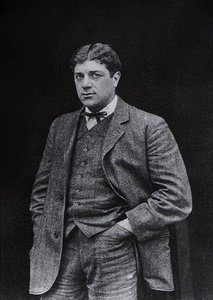
Georges Braque
1882 - 1963 , Francia
Dati rapidi
- Artisti Influenti:
- Henri Matisse
- André Derain
- Paul Cézanne
- Artisti Influenzati: ['Pablo Picasso']
- Data Di Nascita: 13 maggio 1882
- Luogo Di Nascita: Argenteuil, Francia
- Movimento Artistico: Cubismo, Fauvismo
- Nazionalità: Francese
- Nome Completo: Georges Braque
- Opere Notevoli:
- Case a L'Estaque
- La Pazienza (fauvista)
- Chitarra, Frutta e Brocca
- Natura morta con Bass
Articoli correlati

Fragmented Reality: A Guide to the Power and Perspective of Cubist Still Life Art
Explore the profound depth of Cubist still life art. Our expert guide delves into the revolutionary techniques of Picasso and Braque, offering art enthusiasts a deep understanding of fragmented reality, geometric form, and the enduring power of Cubism in fine art.
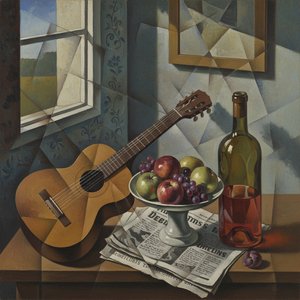
Deconstructing Reality: A Comprehensive Exploration of Cubist Still Life
Explore the revolutionary world of Cubist Still Life with OriginalUniqueArt. Discover Picasso & Braque's groundbreaking techniques, its philosophical roots, and lasting impact on modern art. Expert insights for collectors.

Georges Braque: I 25 Capolavori che Hanno Rivoluzionato l'Arte Moderna | OriginalUniqueArt
Esplora i 25 capolavori di Georges Braque, pioniere del Cubismo. Scopri la storia, le tecniche e l'impatto di opere iconiche come 'The Patience'. Trova riproduzioni d'arte di alta qualità per decorare casa tua su OriginalUniqueArt.com.

Cubist Still Life: Redefining Reality Through Fragmented Forms and Geometric Abstraction
Explore the profound evolution of Cubist still life, from Cézanne's structural foundations to the fragmented brilliance of Braque and Léger. Discover how geometric abstraction redefined reality through a sophisticated lens of form, color, and modern artistic mastery.

Georges Seurat: I 25 Capolavori che Rivoluzionarono la Pittura | OriginalUniqueArt
Esplora i 25 capolavori di Georges Seurat, il maestro del Pointillismo. Scopri la storia, le tecniche e l'emozione dietro dipinti iconici come 'Un dimanche à la Grande Jatte'. Trova riproduzioni d'arte di alta qualità per decorare casa tua su OriginalUniqueArt.com.


