

 Anteprima in scala reale
 Invia
Invia Condividi
 Dettagli opera

 Scarica immagine
 Simili
 Radiografia
 Slideshow
 Statistiche
untitled (1768)

 Espandi i dettagli
Giclée / Stampe d'arte
Stampa giclée o su tela di qualità museale, con produzione rapida e diverse opzioni di finitura. ( Acquista il dipinto realizzato a mano Passa all'immagine digitale)




P118B $10

P118H $10

P118W $10

P438Z $10

P508JH $12

P508YH $12

P805H $10

P805Z $10

P919BZ $10

P919G $10

P919XJ $10

P959ZH $10

P968JZ $12

W106C $8

W218G $10

W218JH $8

W218Y $10

W307PJ $10

W316G $10

W316PJ $8

W316Y $10

W398PJ $8

W4111J $10

W500HY $15

W500JH $15

W692G $12

W849H $8

W940BG $15

W953PJ $8




Scegli tra le nostre dimensioni predefinite, che rispettano le proporzioni originali dell'opera d'arte.

È possibile inserire dimensioni personalizzate per adattare l'opera a una cornice o a uno spazio specifico. Se la dimensione selezionata non corrisponde alle proporzioni dell'immagine originale, procederemo al ritaglio dell'opera o all'estensione dell'immagine con un bordo specchiato o a tinta unita. Un mockup digitale ti verrà inviato per approvazione prima dell'inizio della produzione.
Si prega di notare che l'anteprima a schermo non riflette il ritaglio o l'estensione effettivi. Solo il mockup mostrerà accuratamente la composizione finale.
Sebbene siano disponibili dimensioni personalizzate, si raccomanda di selezionare una dimensione dall'elenco predefinito per preservare le proporzioni originali.
Consegna in tutto il mondo () in 2 settimane invece delle normali 4/5 settimane. (12 Settembre)

Spedizione espressa gratuita in tutto il mondo

Tela in lino di alta qualità

Assicurazione completa sulla spedizione

Garanzia di rimborso dei dazi doganali

Garanzia di fedeltà cromatica

Politica di reso entro 100 giorni (solo per difetti)

Garanzia di rimborso al 100%

Offerta per acquisti multipli
 L'opzione vetro è disponibile solo per dimensioni inferiori a 110 cm

untitled (1768)
Giclée / Stampe d'arte
Dimensioni riproduzione
-


Prezzo totale calcolato
$ 80
The Quiet Revolutionary: Georges Braque’s Untitled (1768)
Georges Braque's Untitled (1768) isn’t a painting that shouts for attention; it whispers, inviting the viewer into a world of subtle observation and carefully constructed form. This work, painted in 1968 – a period when Braque was already a seasoned master of his craft – represents a fascinating intersection of his lifelong explorations with Cubism, Fauvism, and a deep-seated appreciation for the everyday. It’s a piece that rewards patient contemplation, revealing layers of meaning within its deceptively simple composition.
The image depicts a solitary figure holding a guitar, an instrument intrinsically linked to storytelling, emotion, and communal experience. He's dressed in what appears to be a hat, adding a touch of mystery and perhaps suggesting a performer or itinerant musician. A guitar case rests at his feet – a tangible symbol of his profession and the tools of his trade. The background is deliberately muted, focusing entirely on the subject and allowing the viewer’s eye to trace the contours of the figure and the instrument.
A Foundation in Craftsmanship and Artistic Vision
Born in Argenteuil, France, in 1882, Georges Braque's artistic journey began not with grand pronouncements but with a grounding in practical skills. His upbringing within a family of house painters instilled an acute awareness of materials, texture, and the fundamental building blocks of visual representation. This early exposure to craftsmanship – a rare foundation for an artist – proved invaluable as he later dismantled traditional notions of perspective and form. He initially followed his father’s trade but quickly recognized his own innate artistic inclinations, leading him to formal training at the École des Beaux-Arts in Le Havre.
Moving to Paris in 1902, Braque immersed himself in the vibrant artistic scene, encountering figures like Marie Laurencin and Francis Picabia. It was here that he began his exploration of Fauvism, a movement characterized by bold colors and expressive brushstrokes – an initial departure from the academic traditions he’d studied. This early experimentation laid the groundwork for his later revolutionary contributions to Cubism.
The Birth of Cubism: Collaboration and Innovation
Braque's pivotal role in the development of Cubism is undeniable, a movement that fundamentally altered the course of 20th-century art. Alongside Pablo Picasso, he meticulously deconstructed objects and figures into geometric forms, presenting multiple viewpoints simultaneously on a single canvas. The period between 1908 and 1912 saw an intense collaboration between Braque and Picasso, their works often becoming virtually indistinguishable for years – a testament to the shared intellectual and artistic exploration.
Untitled (1768) embodies this Cubist spirit, though with a more restrained approach than some of his most radical pieces. The figures are fragmented and reassembled, suggesting an awareness of multiple perspectives rather than a complete dissolution of form. The muted palette – dominated by earthy tones and subtle gradations – contributes to the painting’s contemplative mood, encouraging viewers to engage in a process of visual reconstruction.
Symbolism and Emotional Resonance
Beyond its formal innovations, Untitled (1768) possesses a quiet emotional resonance. The solitary figure with his guitar evokes themes of introspection, creativity, and perhaps even loneliness. The instrument itself is a potent symbol – representing music’s ability to transcend boundaries, express emotions, and connect people across generations.
Braque's masterful use of light and shadow subtly defines the form of the figure and his guitar, creating a sense of depth and volume despite the simplified representation. The painting invites us to imagine the story behind this quiet moment – perhaps a musician lost in thought, or simply capturing a fleeting glimpse of everyday life. Reproductions of this work offer a unique opportunity to bring this evocative image into your home, allowing you to appreciate Braque’s genius and its enduring power.
Biografia dell'artista
**primi anni di vita e formazione**
Georges Braque, un illustre pittore francese, collageur, disegnatore, stampatore e scultore, nacque il 13 maggio 1882 ad Argenteuil, Val-d'Oise. È cresciuto a Le Havre e inizialmente si è formato per diventare pittore di facciate e decoratore come suo padre e nonno. Tuttavia, le inclinazioni artistiche di Braque lo hanno portato a studiare pittura all’École des Beaux-Arts a Le Havre dal 1897 al 1899.**evoluzione artistica e fauvismo**
Nel 1902, dopo aver completato il suo apprendistato con un decoratore a Parigi, Braque ha frequentato l'Académie Humbert fino al 1904. Questo periodo ha segnato la sua introduzione al fauvismo, uno stile caratterizzato da colori vivaci e risposte emotive. Influenzato dalle opere di Henri Matisse e André Derain, Braque ha adottato un approccio fauvista, come si può vedere nel suo dipinto La Pazienza (fauvismo, olio su tela).**contributo al cubismo**
La collaborazione di Braque con Pablo Picasso dal 1908 al 1912 ha portato allo sviluppo del cubismo. Le loro opere cubiste analitiche, come Georges Braque: La Pazienza e Pablo Picasso: Clarinet(cubismo analitico, olio su tela), sono oggi considerate pietre miliari della storia dell'arte.**eredità e opere notevoli**
* Le Case all’Éstaque: una testimonianza dell'uso innovativo di geometria e prospettiva simultanea da parte di Braque. * La Pazienza(fauvismo, olio su tela): dimostra lo stile fauvista di Braque. * Clarinet(cubismo analitico, olio su tela): un'opera cubista collaborativa con Picasso.**musei e collezioni**
* Musée d’Orsay: presenta una vasta collezione di arte impressionista e post-impressionista, inclusi lavori di Braque. * Musée de l’Orangerie: espone una vasta gamma di opere d'arte, inclusi quelle di Braque e altri artisti notevoli.- Scopri di più sulla vita e sull'opera di Georges Braque su OriginalUniqueArt.com
- Esplora la collezione del Musée d’Orsay, che include opere di Braque e altri artisti, su Musée d'Orsay - Wikipedia
- Impara di più sul fauvismo e sulla sua influenza sullo sviluppo del cubismo con Fauvismo - movimento artistico su OriginalUniqueArt.com
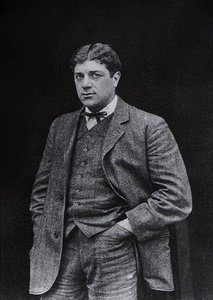
Georges Braque
1882 - 1963 , Francia
Dati rapidi
- Artisti Influenti:
- Henri Matisse
- André Derain
- Paul Cézanne
- Artisti Influenzati: ['Pablo Picasso']
- Data Di Nascita: 13 maggio 1882
- Luogo Di Nascita: Argenteuil, Francia
- Movimento Artistico: Cubismo, Fauvismo
- Nazionalità: Francese
- Nome Completo: Georges Braque
- Opere Notevoli:
- Case a L'Estaque
- La Pazienza (fauvista)
- Chitarra, Frutta e Brocca
- Natura morta con Bass
Articoli correlati

Georges Braque: I 25 Capolavori che Hanno Rivoluzionato l'Arte Moderna | OriginalUniqueArt
Esplora i 25 capolavori di Georges Braque, pioniere del Cubismo. Scopri la storia, le tecniche e l'impatto di opere iconiche come 'The Patience'. Trova riproduzioni d'arte di alta qualità per decorare casa tua su OriginalUniqueArt.com.
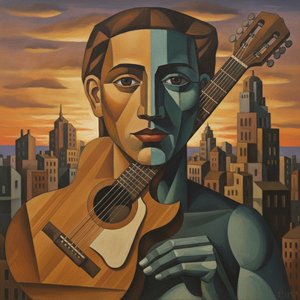
Cubism Unveiled: How Picasso and Braque Redefined Reality Through Geometric Abstraction
Explore the revolutionary world of Cubism. Discover how masters Pablo Picasso and Georges Braque dismantled reality through geometric abstraction to redefine modern art history.

Cubism Unveiled: How Picasso and Braque Redefined Modern Art through Geometric Revolution
Explore the revolutionary world of Cubism. Discover how Pablo Picasso and Georges Braque dismantled perspective to redefine modern art through geometric innovation and analytical mastery. An essential guide for art students, collectors, and history enthusiasts.

Georges Seurat: I 25 Capolavori che Rivoluzionarono la Pittura | OriginalUniqueArt
Esplora i 25 capolavori di Georges Seurat, il maestro del Pointillismo. Scopri la storia, le tecniche e l'emozione dietro dipinti iconici come 'Un dimanche à la Grande Jatte'. Trova riproduzioni d'arte di alta qualità per decorare casa tua su OriginalUniqueArt.com.
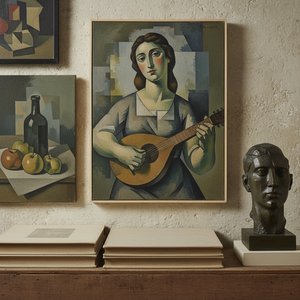
Mastering Cubism: A Collector's Guide to the Revolutionary Vision of Georges Braque
Discover the profound legacy of Georges Braque. Our expert guide explores the evolution of Cubism, from Analytic deconstruction to Synthetic innovation, offering deep insights for discerning art collectors and connoisseurs of modern masterpieces.


