

 Anteprima in scala reale
 Condividi
 Condividi
 Dettagli

 Scarica
 Articoli simili
 Radiografia
 Slideshow
 Statistiche
The Violin
 Oil On Canvas
- WallArt
- Cubist Fragmentation
 1914
1914- Modern
 92.0 x 60.0 cm
 Leggi tutto
Giclée / Stampe d'arte
Stampa giclée o su tela di qualità museale, con produzione rapida e diverse opzioni di finitura. ( Ordina la riproduzione dipinta a mano Passa all'immagine digitale)




P118B $10

P118H $10

P118W $10

P438Z $10

P508JH $12

P508YH $12

P805H $10

P805Z $10

P919BZ $10

P919G $10

P919XJ $10

P959ZH $10

P968JZ $12

W106C $8

W218G $10

W218JH $8

W218Y $10

W307PJ $10

W316G $10

W316PJ $8

W316Y $10

W398PJ $8

W4111J $10

W500HY $15

W500JH $15

W692G $12

W849H $8

W940BG $15

W953PJ $8




Scegli tra le nostre dimensioni predefinite, che rispettano le proporzioni originali dell'opera d'arte.

È possibile inserire dimensioni personalizzate per adattare l'opera a una cornice o a uno spazio specifico. Se la dimensione selezionata non corrisponde alle proporzioni dell'immagine originale, procederemo al ritaglio dell'opera o all'estensione dell'immagine con un bordo specchiato o a tinta unita. Un mockup digitale ti verrà inviato per approvazione prima dell'inizio della produzione.
Si prega di notare che l'anteprima a schermo non riflette il ritaglio o l'estensione effettivi. Solo il mockup mostrerà accuratamente la composizione finale.
Sebbene siano disponibili dimensioni personalizzate, si raccomanda di selezionare una dimensione dall'elenco predefinito per preservare le proporzioni originali.
Consegna in tutto il mondo () in 2 settimane invece delle normali 4/5 settimane. (12 Settembre)

Spedizione espressa gratuita in tutto il mondo

Tela in lino di alta qualità

Assicurazione completa sulla spedizione

Garanzia di rimborso dei dazi doganali

Garanzia di perfetta fedeltà cromatica

Politica di reso entro 100 giorni (solo per difetti di fabbricazione)

Garanzia di rimborso al 100%

Sconto per acquisti multipli
 L'opzione vetro è disponibile solo per dimensioni inferiori a 110 cm

The Violin
Giclée / Stampe d'arte
Dimensioni della riproduzione
-


Prezzo totale
$ 80
A Symphony of Fragments: Reimagining the Violin
In the quiet tension of Georges Braque’s 1914 masterpiece, The Violin, we encounter more than a mere musical instrument; we witness the very moment the mirror of traditional reality was shattered and reassembled. This work stands as a cornerstone of Synthetic Cubism, a period where the artist moved beyond simply breaking objects apart to building them back up through a complex language of signs and textures. The violin, a universal symbol of lyrical beauty and human emotion, is stripped of its literal form and instead presented as a rhythmic arrangement of geometric planes. As one gazes upon the composition, the eye does not rest on a single, stable object but rather dances across overlapping surfaces—cubes, cylinders, and cones—that challenge our fundamental understanding of space and depth.
The painting’s stark, luminous background acts as a deliberate void, a white expanse that forces the viewer to confront the intricate, fractured anatomy of the instrument itself. Braque utilizes a sophisticated palette of muted earthy tones—rich ochres, deep browns, and subtle shadows—to lend a sense of tactile weight to the fragmented pieces. There is a profound materiality in his brushwork; one can almost feel the grain of the wood and the tension of the strings through the layered application of paint. This technique creates a sensory experience that transcends sight, inviting the collector to appreciate the structural rhythm and the "geometric truth" hidden beneath the surface of everyday objects.
The Intersection of Science and Soul
To understand The Violin, one must look toward the intellectual tremors felt across Europe in 1914. This was an era defined by radical shifts in thought, most notably Einstein’s theory of relativity, which dismantled the Newtonian concept of a fixed, predictable universe. Braque, much like his contemporary Pablo Picasso, sought to translate this new, fluid reality onto the canvas. By rejecting the single-point perspective that had dominated Western art since the Renaissance, Braque offers us multiple viewpoints simultaneously. He captures not just how an object looks from one angle, but how it exists in our memory and consciousness—a fragmented, multi-dimensional experience of time and space.
For the discerning interior designer or art enthusiast, this piece offers a profound emotional resonance. It is a work of intellectual depth that provides a sophisticated focal point for any modern space. The composition possesses a quiet, contemplative energy, making it an ideal selection for environments that value both avant-garde history and understated elegance. Whether placed in a sunlit gallery or a contemporary living room, The Violin serves as a conversation starter—a window into a period of immense cultural upheaval and a testament to the enduring power of human creativity to find order amidst complexity.
Biografia dell'artista
**primi anni di vita e formazione**
Georges Braque, un illustre pittore francese, collageur, disegnatore, stampatore e scultore, nacque il 13 maggio 1882 ad Argenteuil, Val-d'Oise. È cresciuto a Le Havre e inizialmente si è formato per diventare pittore di facciate e decoratore come suo padre e nonno. Tuttavia, le inclinazioni artistiche di Braque lo hanno portato a studiare pittura all’École des Beaux-Arts a Le Havre dal 1897 al 1899.**evoluzione artistica e fauvismo**
Nel 1902, dopo aver completato il suo apprendistato con un decoratore a Parigi, Braque ha frequentato l'Académie Humbert fino al 1904. Questo periodo ha segnato la sua introduzione al fauvismo, uno stile caratterizzato da colori vivaci e risposte emotive. Influenzato dalle opere di Henri Matisse e André Derain, Braque ha adottato un approccio fauvista, come si può vedere nel suo dipinto La Pazienza (fauvismo, olio su tela).**contributo al cubismo**
La collaborazione di Braque con Pablo Picasso dal 1908 al 1912 ha portato allo sviluppo del cubismo. Le loro opere cubiste analitiche, come Georges Braque: La Pazienza e Pablo Picasso: Clarinet(cubismo analitico, olio su tela), sono oggi considerate pietre miliari della storia dell'arte.**eredità e opere notevoli**
* Le Case all’Éstaque: una testimonianza dell'uso innovativo di geometria e prospettiva simultanea da parte di Braque. * La Pazienza(fauvismo, olio su tela): dimostra lo stile fauvista di Braque. * Clarinet(cubismo analitico, olio su tela): un'opera cubista collaborativa con Picasso.**musei e collezioni**
* Musée d’Orsay: presenta una vasta collezione di arte impressionista e post-impressionista, inclusi lavori di Braque. * Musée de l’Orangerie: espone una vasta gamma di opere d'arte, inclusi quelle di Braque e altri artisti notevoli.- Scopri di più sulla vita e sull'opera di Georges Braque su OriginalUniqueArt.com
- Esplora la collezione del Musée d’Orsay, che include opere di Braque e altri artisti, su Musée d'Orsay - Wikipedia
- Impara di più sul fauvismo e sulla sua influenza sullo sviluppo del cubismo con Fauvismo - movimento artistico su OriginalUniqueArt.com
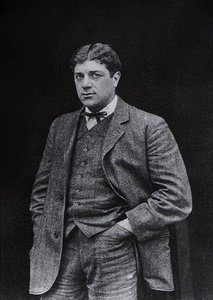
Georges Braque
1882 - 1963 , Francia
Informazioni rapide
- Artisti Influenti:
- Henri Matisse
- André Derain
- Paul Cézanne
- Artisti Influenzati: ['Pablo Picasso']
- Data Di Nascita: 13 maggio 1882
- Luogo Di Nascita: Argenteuil, Francia
- Movimento Artistico: Cubismo, Fauvismo
- Nazionalità: Francese
- Nome Completo: Georges Braque
- Opere Notevoli:
- Case a L'Estaque
- La Pazienza (fauvista)
- Chitarra, Frutta e Brocca
- Natura morta con Bass
Articoli correlati
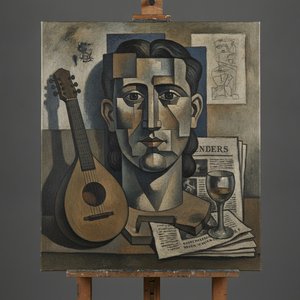
Mastering Cubism: The Top 25 Essential Georges Braque Artworks
Journey through the revolutionary world of Georges Braque. Explore 25 iconic Cubist masterpieces, from geometric abstractions to Fauvist colors. Find inspiration for your collection with museum-quality art reproductions and curated decor ideas. Discover all masterpieces on OriginalUniqueArt.com.
I 10 Dipinti Più Famosi dai Tonalità Sabbia: Arte, Storia e Decorazioni Raffinate
Esplora i 10 dipinti più iconici dominati da tonalità sabbia e colori terra. Scopri la storia, gli artisti e le tecniche dietro questi capolavori senza tempo. Trova riproduzioni artistiche di alta qualità per decorare casa con .
Earth & Elegance: Top 10 Famous Paintings Dominated by Clay Tones
Immerse yourself in the warmth of earth tones. Explore 10 iconic paintings defined by clay, ochre, and terracotta hues. From classical masters to timeless textures, find inspiration for your decor with museum-quality reproductions. Discover all masterpieces on OriginalUniqueArt.com.
10 Masterpieces Defined by Earthy Driftwood Tones
Immerse yourself in the serene beauty of earthy driftwood tones. Explore 10 iconic masterpieces, from Impressionist landscapes to timeless classics, and find inspiration for your decor with museum-quality reproductions. Discover all masterpieces on OriginalUniqueArt.com.
I 10 Dipinti Più Famosi nei Toni del Fungo: Arte, Storia e Decorazioni Raffinate
Esplora i 10 dipinti più iconici nei toni del fungo, dai capolavori rinascimentali all'impressionismo. Scopri la storia degli artisti e lasciati ispirare per decorazioni artistiche uniche. Acquista riproduzioni di alta qualità su !


