- Home

- Stampa su tela
- Georges Braque
- The Patience
 Ordina la riproduzione Acquista download
 Invia
Invia
 Condividi
 Dettagli opera
 Aggiungi ai preferiti

 Scarica
 Simili
 Radiografia
 Slideshow
The Patience


 Scopri di più
Giclée / Stampa d'arte
Stampa giclée o su tela di qualità museale, con produzione rapida e diverse opzioni di finitura.




P118B $10

P118H $10

P118W $10

P438Z $10

P508JH $12

P508YH $12

P805H $10

P805Z $10

P919BZ $10

P919G $10

P919XJ $10

P959ZH $10

P968JZ $12

W106C $8

W218G $10

W218JH $8

W218Y $10

W307PJ $10

W316G $10

W316PJ $8

W316Y $10

W398PJ $8

W4111J $10

W500HY $15

W500JH $15

W692G $12

W849H $8

W940BG $15

W953PJ $8




Scegli tra le nostre dimensioni predefinite, che rispettano le proporzioni originali dell'opera d'arte.

È possibile inserire dimensioni personalizzate per adattare l'opera a una cornice o a uno spazio specifico. Se la dimensione selezionata non corrisponde alle proporzioni dell'immagine originale, procederemo al ritaglio dell'opera o all'estensione dell'immagine con un bordo specchiato o a tinta unita. Un mockup digitale ti verrà inviato per approvazione prima dell'inizio della produzione.
Si prega di notare che l'anteprima a schermo non riflette il ritaglio o l'estensione effettivi. Solo il mockup mostrerà accuratamente la composizione finale.
Sebbene siano disponibili dimensioni personalizzate, si raccomanda di selezionare una dimensione dall'elenco predefinito per preservare le proporzioni originali.
Consegna in tutto il mondo () in 2 settimane invece delle normali 4/5 settimane. (20 Luglio)

Spedizione espressa gratuita in tutto il mondo

Tela in lino di alta qualità

Assicurazione completa sulla spedizione

Garanzia di rimborso dei dazi doganali

Garanzia di fedeltà cromatica

Politica di reso entro 60 giorni (solo per difetti)

Garanzia di rimborso al 100%

Sconto per acquisti multipli
 L'opzione vetro è disponibile solo per dimensioni inferiori a 110 cm

The Patience
Giclée / Stampa d'arte
Dimensioni riproduzione
-


Prezzo totale finale
-
Descrizione dell'opera
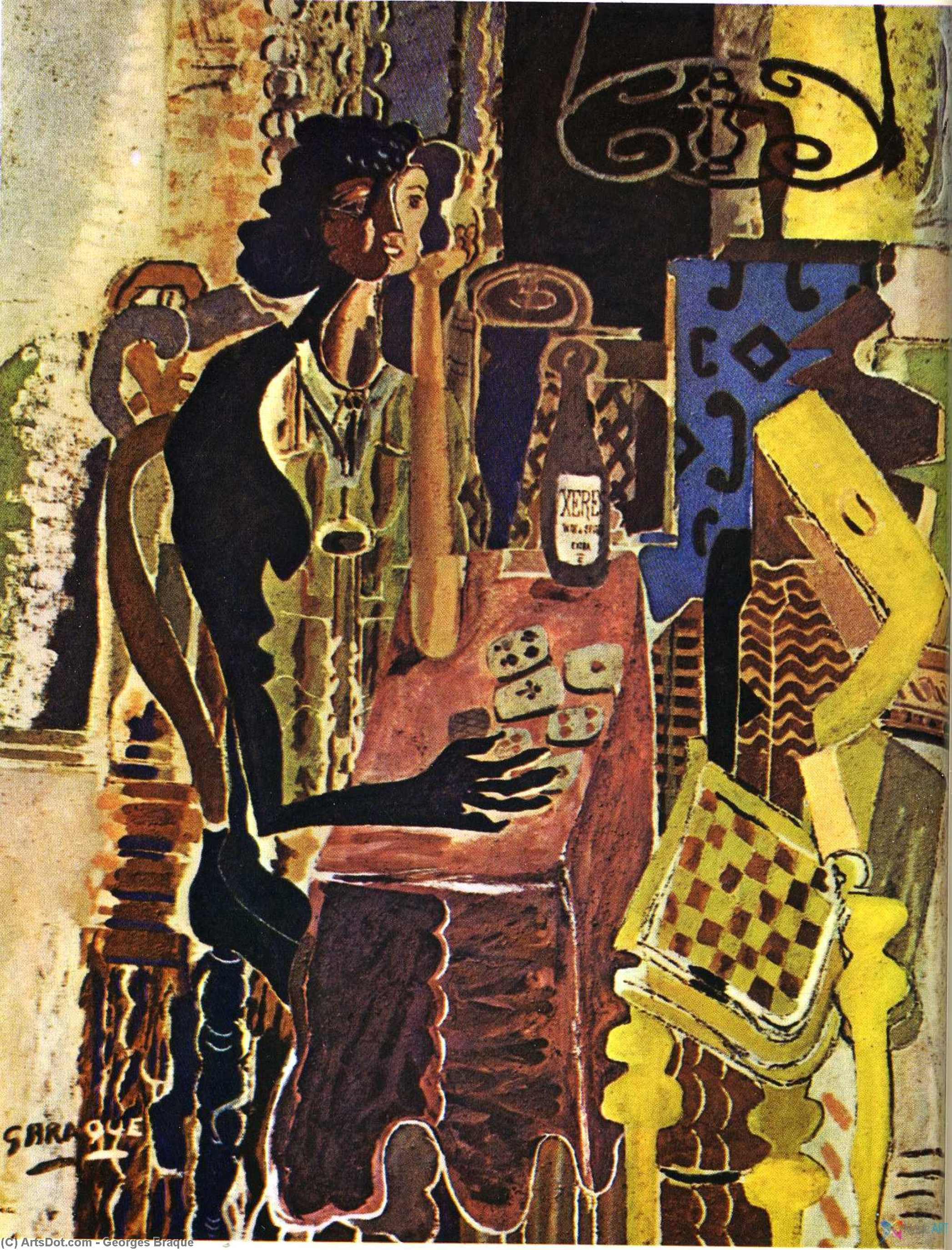
Georges Braque’s “The Patience”: A Meditation on Time and Form
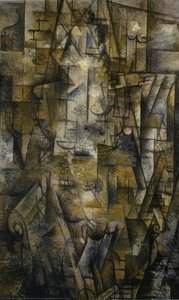
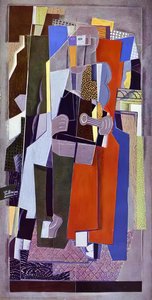
“The Patience,” painted in 1942 by Georges Braque during the tumultuous years of World War II, stands as a testament to the enduring influence of Cubism and Fauvism—movements that fundamentally reshaped the artistic landscape of the early 20th century. More than just a depiction of a woman seated at a table laden with objects, this artwork delves into profound philosophical questions about perception, stillness, and the elusive nature of time itself. Examining Braque’s approach reveals layers of intellectual and aesthetic consideration that continue to resonate with viewers today.The Cubist Vision: Fragmentation and Multiple Perspectives
Braque's artistic trajectory began in earnest alongside Pablo Picasso, forging a collaborative partnership that birthed the revolutionary Cubist style. Rejecting the conventions of Renaissance perspective—where objects appeared as single points of view—Cubism championed fractured forms and simultaneous representations. “The Patience” embodies this principle perfectly. The woman’s figure is rendered not as a unified whole but as a series of interlocking planes, mirroring the fragmented reality observed by the eye. Similarly, the table and surrounding objects are presented from multiple viewpoints simultaneously, creating an illusionistic depth that defies traditional spatial representation. This technique wasn't merely stylistic; it was a deliberate attempt to capture the complexities of experience—to convey how we perceive the world as multifaceted and constantly shifting.A Palette of Emotion: Fauvist Color Theory
While rooted in Cubist principles, “The Patience” also possesses a vibrant characteristic of Fauvism – an artistic movement that prioritized expressive color over naturalistic representation. Braque’s masterful use of hues—dominantly blues, yellows, and oranges—is far from arbitrary. Instead, these colors are deployed strategically to evoke specific moods and sensations. The intense shades contribute to the painting's overall atmosphere of quiet contemplation, mirroring the woman’s posture and suggesting a state of serene patience. Color theorists of the time recognized that hues could communicate emotions directly, bypassing intellectual comprehension; Braque skillfully harnessed this power to imbue his artwork with palpable feeling.Symbolic Resonance: Objects as Vessels of Meaning
Beyond its formal innovations, “The Patience” is rich in symbolic significance. The woman herself represents stillness and resilience—a quiet strength amidst the anxieties of wartime. The objects on the table – cups, a bottle, and a vase – are not merely decorative elements but serve as visual metaphors for sustenance, contemplation, and perhaps even memory. Crucially, the clock hanging above the table is arguably the painting’s most potent symbol. As Braque himself acknowledged, he was influenced by Surrealist ideas about the malleability of time—particularly Salvador Dali's “The Persistence of Memory,” where melting clocks depict a dreamlike distortion of temporal reality. This inclusion underscores Braque’s preoccupation with capturing not just what is seen but also what is felt – the psychological impact of confronting existential questions.A Legacy of Innovation: Influence and Inspiration
“The Patience” stands as an enduring monument to Braque's artistic genius and his contribution to modern art history. Its influence extends beyond its immediate stylistic precedents, informing subsequent generations of artists who sought to explore new ways of representing the world. By dismantling traditional conventions and embracing bold experimentation, Braque paved the way for groundbreaking developments in visual culture—a legacy that continues to inspire creativity and provoke contemplation today. A high-quality reproduction allows viewers to appreciate not only the painting’s exquisite craftsmanship but also its profound intellectual depth.Biografia dell'artista
**primi anni di vita e formazione**
Georges Braque, un illustre pittore francese, collageur, disegnatore, stampatore e scultore, nacque il 13 maggio 1882 ad Argenteuil, Val-d'Oise. È cresciuto a Le Havre e inizialmente si è formato per diventare pittore di facciate e decoratore come suo padre e nonno. Tuttavia, le inclinazioni artistiche di Braque lo hanno portato a studiare pittura all’École des Beaux-Arts a Le Havre dal 1897 al 1899.**evoluzione artistica e fauvismo**
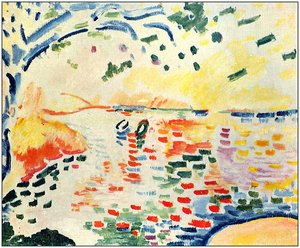
Nel 1902, dopo aver completato il suo apprendistato con un decoratore a Parigi, Braque ha frequentato l'Académie Humbert fino al 1904. Questo periodo ha segnato la sua introduzione al fauvismo, uno stile caratterizzato da colori vivaci e risposte emotive. Influenzato dalle opere di Henri Matisse e André Derain, Braque ha adottato un approccio fauvista, come si può vedere nel suo dipinto La Pazienza (fauvismo, olio su tela).**contributo al cubismo**
La collaborazione di Braque con Pablo Picasso dal 1908 al 1912 ha portato allo sviluppo del cubismo. Le loro opere cubiste analitiche, come Georges Braque: La Pazienza e Pablo Picasso: Clarinet(cubismo analitico, olio su tela), sono oggi considerate pietre miliari della storia dell'arte.**eredità e opere notevoli**
* Le Case all’Éstaque: una testimonianza dell'uso innovativo di geometria e prospettiva simultanea da parte di Braque. * La Pazienza(fauvismo, olio su tela): dimostra lo stile fauvista di Braque. * Clarinet(cubismo analitico, olio su tela): un'opera cubista collaborativa con Picasso.**musei e collezioni**
* Musée d’Orsay: presenta una vasta collezione di arte impressionista e post-impressionista, inclusi lavori di Braque. * Musée de l’Orangerie: espone una vasta gamma di opere d'arte, inclusi quelle di Braque e altri artisti notevoli.- Scopri di più sulla vita e sull'opera di Georges Braque su OriginalUniqueArt.com
- Esplora la collezione del Musée d’Orsay, che include opere di Braque e altri artisti, su Musée d'Orsay - Wikipedia
- Impara di più sul fauvismo e sulla sua influenza sullo sviluppo del cubismo con Fauvismo - movimento artistico su OriginalUniqueArt.com
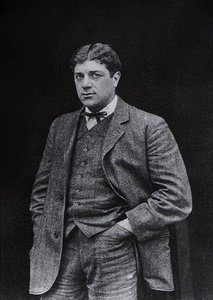
Georges Braque
1882 - 1963 , Francia
Dati rapidi
- Artisti Influenti:
- Henri Matisse
- André Derain
- Paul Cézanne
- Artisti Influenzati: ['Pablo Picasso']
- Data Di Nascita: 13 maggio 1882
- Luogo Di Nascita: Argenteuil, Francia
- Movimento Artistico: Cubismo, Fauvismo
- Nazionalità: Francese
- Nome Completo: Georges Braque
- Opere Notevoli:
- Case a L'Estaque
- La Pazienza (fauvista)
- Chitarra, Frutta e Brocca
- Natura morta con Bass
Articoli correlati

Georges Braque: I 25 Capolavori che Hanno Rivoluzionato l'Arte Moderna | OriginalUniqueArt
Esplora i 25 capolavori di Georges Braque, pioniere del Cubismo. Scopri la storia, le tecniche e l'impatto di opere iconiche come 'The Patience'. Trova riproduzioni d'arte di alta qualità per decorare casa tua su OriginalUniqueArt.com.

Georges Seurat: I 25 Capolavori che Rivoluzionarono la Pittura | OriginalUniqueArt
Esplora i 25 capolavori di Georges Seurat, il maestro del Pointillismo. Scopri la storia, le tecniche e l'emozione dietro dipinti iconici come 'Un dimanche à la Grande Jatte'. Trova riproduzioni d'arte di alta qualità per decorare casa tua su OriginalUniqueArt.com.

Paul Cézanne: I 25 Capolavori che Hanno Rivoluzionato l'Arte Moderna | OriginalUniqueArt
Esplora i 25 capolavori di Paul Cézanne, il maestro dell'impressionismo e post-impressionismo. Scopri la storia, le tecniche e i colori iconici dietro opere come 'Le grandi bagnanti' e 'Mont Sainte-Victoire'. Trova riproduzioni artistiche di alta qualità per decorare la tua casa su OriginalUniqueArt.com.
Claude Monet: I 25 Capolavori Essenziali per Amare l'Impressionismo | OriginalUniqueArt
Esplora i 25 capolavori di Claude Monet, il maestro dell'Impressionismo. Scopri la storia, i colori e le tecniche dietro ninfee, paesaggi iconici e dipinti famosi. Trova riproduzioni artistiche di alta qualità per arredare casa con stile su OriginalUniqueArt.com.
I 10 Dipinti Più Famosi Dominati dal Grigio: Maestri e Storie d'Arte per la Tua Casa
Esplora i 10 dipinti più famosi dominati dal grigio, dai capolavori di Monet a Hopper. Scopri storie d'arte, tecniche e l'impatto emotivo di queste opere iconiche. Trova riproduzioni di alta qualità su !