- Home

- Stampa su tela
- Georges Braque
- Le Sacre Coeur

 Ordina la riproduzione Acquista download
 Invia
Invia
 Condividi
 Dettagli opera
 Aggiungi ai preferiti

 Scarica
 Simili
 Radiografia
 Slideshow
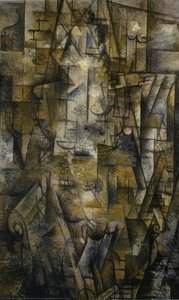
Le Sacre Coeur
 Acrylic On Canvas
- WallArt
- Cubist Analytical
 1910
1910- Modern
 55.0 x 40.0 cm
 Scopri di più
Giclée / Stampa d'arte
Stampa giclée o su tela di qualità museale, con produzione rapida e diverse opzioni di finitura.




P118B $10

P118H $10

P118W $10

P438Z $10

P508JH $12

P508YH $12

P805H $10

P805Z $10

P919BZ $10

P919G $10

P919XJ $10

P959ZH $10

P968JZ $12

W106C $8

W218G $10

W218JH $8

W218Y $10

W307PJ $10

W316G $10

W316PJ $8

W316Y $10

W398PJ $8

W4111J $10

W500HY $15

W500JH $15

W692G $12

W849H $8

W940BG $15

W953PJ $8




Scegli tra le nostre dimensioni predefinite, che rispettano le proporzioni originali dell'opera d'arte.

È possibile inserire dimensioni personalizzate per adattare l'opera a una cornice o a uno spazio specifico. Se la dimensione selezionata non corrisponde alle proporzioni dell'immagine originale, procederemo al ritaglio dell'opera o all'estensione dell'immagine con un bordo specchiato o a tinta unita. Un mockup digitale ti verrà inviato per approvazione prima dell'inizio della produzione.
Si prega di notare che l'anteprima a schermo non riflette il ritaglio o l'estensione effettivi. Solo il mockup mostrerà accuratamente la composizione finale.
Sebbene siano disponibili dimensioni personalizzate, si raccomanda di selezionare una dimensione dall'elenco predefinito per preservare le proporzioni originali.
Consegna in tutto il mondo () in 2 settimane invece delle normali 4/5 settimane. (23 Luglio)

Spedizione espressa gratuita in tutto il mondo

Tela in lino di alta qualità

Assicurazione completa sulla spedizione

Garanzia di rimborso dei dazi doganali

Garanzia di fedeltà cromatica

Politica di reso entro 60 giorni (solo per difetti)

Garanzia di rimborso al 100%

Sconto per acquisti multipli
 L'opzione vetro è disponibile solo per dimensioni inferiori a 110 cm

Le Sacre Coeur
Giclée / Stampa d'arte
Dimensioni riproduzione
-


Prezzo totale finale
-
Descrizione dell'opera
Georges Braque's 'Le Sacre Coeur': A Window into Modernity
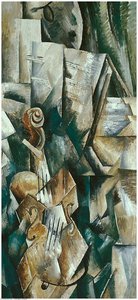
This meticulously crafted hand-painted reproduction of Georges Braque’s “Le Sacre Coeur” (1910) offers a profound glimpse into the nascent world of Cubism and its exploration of space, form, and human perception. Measuring 55 x 40 cm, this artwork transcends a simple depiction of a church scene; it's an invitation to contemplate the very nature of representation itself. Braque, born in Argenteuil in 1882, arrived at this pivotal moment in art history after years spent honing his skills – initially as a house painter and decorator, inheriting a deep understanding of materials and structure from his family – before embracing the revolutionary ideas brewing within Paris’s artistic circles.
- Subject Matter: The painting centers around a church dominated by a prominent cross, immediately grounding the viewer in a religious context. However, Braque deliberately disrupts this traditional representation through his innovative approach.
- Cubist Techniques: “Le Sacre Coeur” exemplifies Braque’s early explorations of Cubism, characterized by fragmented forms, multiple perspectives presented simultaneously, and an emphasis on geometric shapes. The figures are not rendered realistically but rather as abstracted planes, contributing to the overall sense of disorientation and challenge to conventional viewing habits.
- Color Palette: The subdued color palette – primarily browns, grays, and ochres – reinforces the painting’s solemn mood and contributes to its textural richness. These earthy tones were characteristic of Braque's early work, reflecting a move away from bright Impressionistic colors.
Historical Context and Artistic Influences
Created in 1910, “Le Sacre Coeur” emerged during a period of intense artistic experimentation following the rise of Paul Cézanne’s influence. Cézanne's focus on geometric forms and his exploration of multiple viewpoints paved the way for Braque’s revolutionary approach. Simultaneously, Braque was deeply engaged with the work of Pablo Picasso, with whom he developed many of the core principles of Cubism. This collaboration – often referred to as “Analytic Cubism” – involved systematically dissecting objects into their component parts and reassembling them on the canvas from multiple angles. The inclusion of birds perched upon the cross adds a layer of symbolic complexity, potentially referencing biblical narratives or representing spiritual aspiration—a common theme within religious art.
- Early Cubism: This work represents an early example of Analytical Cubism, a phase characterized by monochromatic palettes and a focus on deconstructing form.
- Cézanne’s Legacy: Braque's approach was profoundly shaped by Cézanne's insistence on reducing objects to their essential geometric forms.
Symbolic Layers and Emotional Impact
Beyond its formal innovations, “Le Sacre Coeur” evokes a powerful sense of mystery and contemplation. The fragmented figures and distorted perspective create an unsettling yet captivating atmosphere, inviting the viewer to actively participate in the construction of meaning. The presence of birds – often associated with spirituality and messengers – adds another layer of symbolism, suggesting themes of faith, transcendence, or perhaps even a critique of established religious dogma. The overall composition generates a feeling of looking through a window—a portal into an altered reality—a hallmark of Braque’s artistic vision. This reproduction allows you to experience this evocative artwork in your own space, bringing a touch of modern art history and intellectual depth to your interior design.
Perfect for Collection & Interior Design
This hand-painted reproduction offers a unique opportunity to own a piece of art history. Its dimensions (55 x 40 cm) make it suitable for a variety of settings, from smaller studies to larger living rooms or offices. The meticulous detail and high-quality materials ensure that this reproduction will be a treasured addition to any art collection or a striking focal point in your interior design scheme.
Biografia dell'artista
**primi anni di vita e formazione**
Georges Braque, un illustre pittore francese, collageur, disegnatore, stampatore e scultore, nacque il 13 maggio 1882 ad Argenteuil, Val-d'Oise. È cresciuto a Le Havre e inizialmente si è formato per diventare pittore di facciate e decoratore come suo padre e nonno. Tuttavia, le inclinazioni artistiche di Braque lo hanno portato a studiare pittura all’École des Beaux-Arts a Le Havre dal 1897 al 1899.**evoluzione artistica e fauvismo**
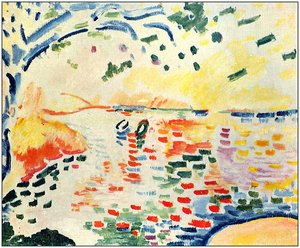
Nel 1902, dopo aver completato il suo apprendistato con un decoratore a Parigi, Braque ha frequentato l'Académie Humbert fino al 1904. Questo periodo ha segnato la sua introduzione al fauvismo, uno stile caratterizzato da colori vivaci e risposte emotive. Influenzato dalle opere di Henri Matisse e André Derain, Braque ha adottato un approccio fauvista, come si può vedere nel suo dipinto La Pazienza (fauvismo, olio su tela).**contributo al cubismo**
La collaborazione di Braque con Pablo Picasso dal 1908 al 1912 ha portato allo sviluppo del cubismo. Le loro opere cubiste analitiche, come Georges Braque: La Pazienza e Pablo Picasso: Clarinet(cubismo analitico, olio su tela), sono oggi considerate pietre miliari della storia dell'arte.**eredità e opere notevoli**
* Le Case all’Éstaque: una testimonianza dell'uso innovativo di geometria e prospettiva simultanea da parte di Braque. * La Pazienza(fauvismo, olio su tela): dimostra lo stile fauvista di Braque. * Clarinet(cubismo analitico, olio su tela): un'opera cubista collaborativa con Picasso.**musei e collezioni**
* Musée d’Orsay: presenta una vasta collezione di arte impressionista e post-impressionista, inclusi lavori di Braque. * Musée de l’Orangerie: espone una vasta gamma di opere d'arte, inclusi quelle di Braque e altri artisti notevoli.- Scopri di più sulla vita e sull'opera di Georges Braque su OriginalUniqueArt.com
- Esplora la collezione del Musée d’Orsay, che include opere di Braque e altri artisti, su Musée d'Orsay - Wikipedia
- Impara di più sul fauvismo e sulla sua influenza sullo sviluppo del cubismo con Fauvismo - movimento artistico su OriginalUniqueArt.com
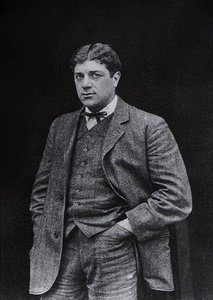
Georges Braque
1882 - 1963 , Francia
Dati rapidi
- Artisti Influenti:
- Henri Matisse
- André Derain
- Paul Cézanne
- Artisti Influenzati: ['Pablo Picasso']
- Data Di Nascita: 13 maggio 1882
- Luogo Di Nascita: Argenteuil, Francia
- Movimento Artistico: Cubismo, Fauvismo
- Nazionalità: Francese
- Nome Completo: Georges Braque
- Opere Notevoli:
- Case a L'Estaque
- La Pazienza (fauvista)
- Chitarra, Frutta e Brocca
- Natura morta con Bass
Articoli correlati
Édouard Manet: I 25 Capolavori che Hanno Rivoluzionato l'Arte Moderna | OriginalUniqueArt
Esplora i 25 capolavori di Édouard Manet, il rivoluzionario pittore impressionista. Scopri la storia, le tecniche e l'impatto culturale di opere iconiche come 'Le Déjeuner sur l'herbe' e 'Olympia'. Trova stampe artistiche di alta qualità su OriginalUniqueArt.com.
I 10 Dipinti Più Famosi per un Salotto di Stile: Arte e Decorazioni Raffinate
Scopri i 10 dipinti più famosi per trasformare il tuo soggiorno! Van Gogh, Monet e altri maestri dell'arte classica e moderna. Idee decoro, storia degli artisti e riproduzioni di alta qualità su . Esplora la collezione online!
Cubismo Espressivo: 10 Capolavori che Hanno Definito un Movimento Artistico Rivoluzionario
Esplora i 10 capolavori del Cubismo Espressivo con OriginalUniqueArt.com! Scopri Picasso, Braque e Gris, la storia di questo rivoluzionario movimento artistico e lasciati ispirare per decorare casa con arte di alta qualità. Esplora la collezione online!
I 10 Capolavori Cubisti che Hanno Rivoluzionato il Ritratto | OriginalUniqueArt
Esplora i 10 capolavori cubisti che hanno rivoluzionato il ritratto! Scopri Picasso, Braque e Gris e la storia di questo movimento artistico. Trova riproduzioni d'arte di alta qualità per decorare casa con stile su OriginalUniqueArt.com.
Georges Braque: La Rivoluzione Cubista e l'Evoluzione della Forma Moderna
Esplora la rivoluzione cubista di Georges Braque e l'evoluzione della forma moderna. Analisi approfondite, storia dell'arte e consigli per collezionisti esperti. Scopri il valore delle opere di Braque.