 Anteprima in scala reale
 Invia
Invia Condividi
 Dettagli opera

 Scarica immagine
 Simili
 Radiografia
 Slideshow
Snow Dumpers


 Espandi i dettagli
Riproduzione a olio fatta a mano
Olio su tela dipinto a mano nelle tue dimensioni e con la tua cornice, realizzato su ordinazione dai nostri artisti. ( Acquista stampa Acquista immagine)




P118B $10

P118H $10

P118W $10

P438Z $10

P508JH $12

P508YH $12

P805H $10

P805Z $10

P919BZ $10

P919G $10

P919XJ $10

P959ZH $10

P968JZ $12

W106C $8

W218G $10

W218JH $8

W218Y $10

W307PJ $10

W316G $10

W316PJ $8

W316Y $10

W398PJ $8

W4111J $10

W500HY $15

W500JH $15

W692G $12

W849H $8

W940BG $15

W953PJ $8




Scegli tra le nostre dimensioni predefinite, che rispettano le proporzioni originali dell'opera d'arte.

È possibile inserire dimensioni personalizzate per adattare l'opera a una cornice o a uno spazio specifico. Se la dimensione selezionata non corrisponde alle proporzioni dell'immagine originale, provvederemo a ritagliare l'opera o a estendere il dipinto con elementi aggiuntivi dipinti a mano. Un mockup digitale ti sarà inviato per approvazione prima dell'inizio della produzione.
Si prega di notare che l'anteprima a schermo non riflette il ritaglio o l'estensione effettivi. Solo il mockup mostrerà accuratamente la composizione finale.
Sebbene siano disponibili dimensioni personalizzate, consigliamo di selezionare una dimensione dall'elenco predefinito per preservare le proporzioni originali.
Dopo l'ordine, il team di OriginalUniqueArt.com contatterà il cliente via e-mail per le istruzioni e fornirà un'anteprima del mockup
Consegna in tutto il mondo () in 3/4 settimane anziché nelle normali 5 settimane. (24 Agosto). Nessun compromesso sulla qualità.

Spedizione espressa gratuita in tutto il mondo

Tela in lino di alta qualità

Assicurazione completa sulla spedizione

Garanzia di rimborso dei dazi doganali

Garanzia di fedeltà cromatica

Politica di reso entro 60 giorni (solo per difetti di fabbricazione)

Garanzia di rimborso al 100%

Offerta per acquisti multipli
 L'opzione vetro è disponibile solo per dimensioni inferiori a 110 cm

Snow Dumpers
Tecnica di riproduzione
Dimensioni riproduzione
-


Prezzo totale calcolato
$ 300
Descrizione dell'opera
A Winter Symphony of Grit and Motion
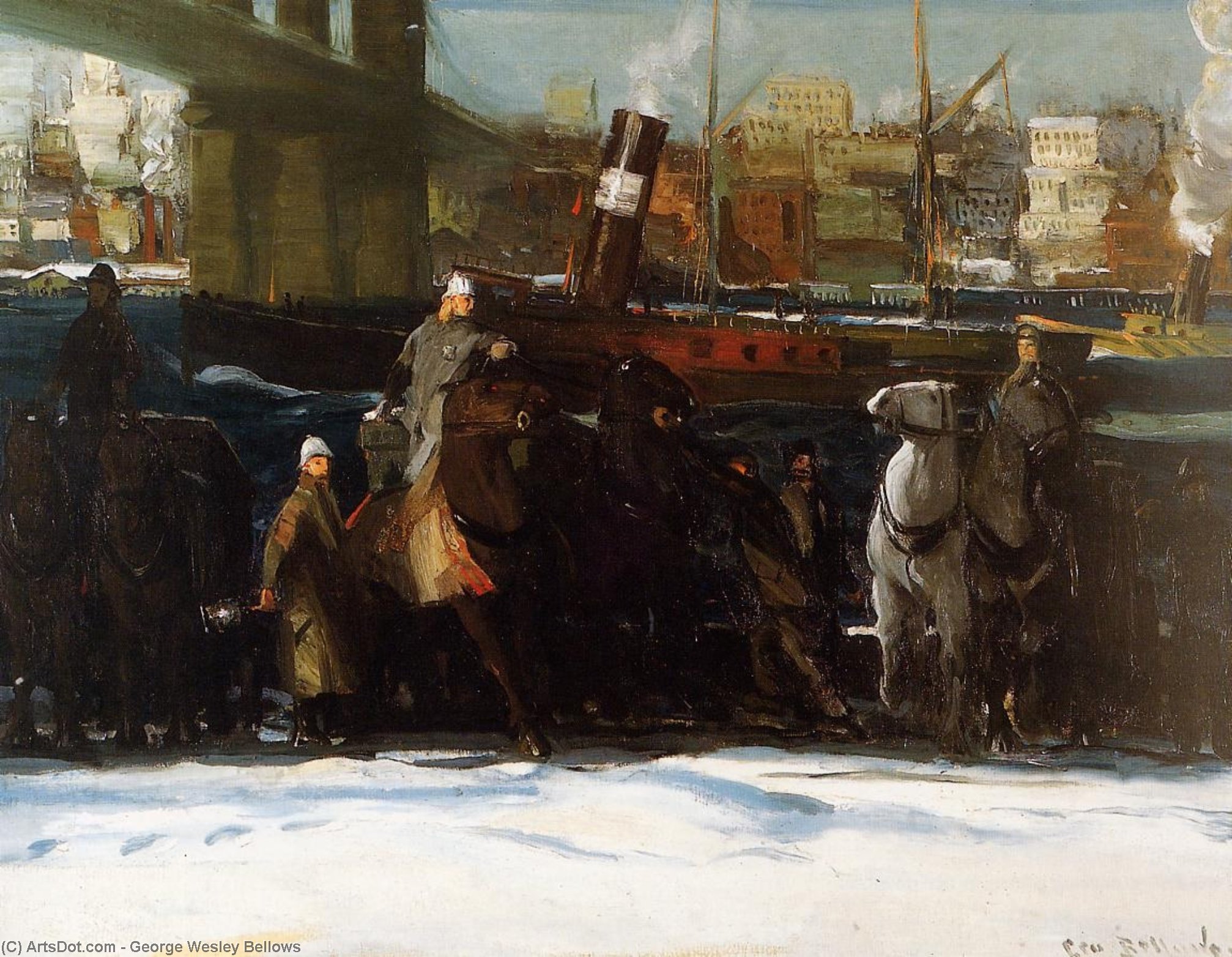
In the frost-bitten landscape of 1911, George Wesley Bellows captured a moment that transcends mere seasonal documentation, offering instead a visceral encounter with the raw energy of American life. "Snow Dumpers" is not simply a painting of men working in the cold; it is a masterful orchestration of movement and atmosphere. As the viewer gazes upon this oil on canvas, they are immediately swept into a scene where the biting chill of winter meets the unyielding spirit of labor. Bellows, a prominent figure of the Ashcan School, utilizes a dynamic composition to guide the eye through a complex tapestry of figures, horses, and vessels, creating a sense of perpetual motion that feels as though the snow might drift right off the canvas.
The brilliance of this work lies in Bellows' ability to find beauty within the mundane and the rugged. The painting presents a group of men gathered amidst the heavy drifts, their presence anchored by the powerful silhouettes of horses and the sturdy forms of boats. There is a profound sense of interconnectedness here—between man and beast, between the frozen earth and the tools of industry. Through his expert use of light and shadow, Bellows breathes life into the wintry gloom, using subtle highlights to define the musculature of the horses and the heavy textures of winter clothing, thereby imbuing the scene with a remarkable three-dimensional depth that draws the observer into the very heart of the activity.
Technique and the Spirit of Realism
To behold "Snow Dumpers" is to witness the technical prowess of an artist who understood the weight of reality. Bellows employs a bold, painterly technique characterized by vigorous brushwork that mirrors the physical exertion depicted in the subject matter. His palette, while grounded in the muted tones of a winter day, is far from monochromatic; instead, it is rich with nuanced layers that suggest the shifting light of an overcast sky and the heavy, damp texture of melting snow. This attention to detail—the way a shadow falls across a horse's flank or how the light catches the edge of a boat—contributes to an overwhelming sense of realism that makes the scene feel both immediate and timeless.
For the discerning collector or interior designer, this piece offers more than just visual interest; it provides a profound emotional resonance. The painting evokes a sense of nostalgia for a period of industriousness and communal effort, making it an ideal centerpiece for spaces that value strength, history, and character. Whether placed in a sophisticated gallery setting or as a commanding focal point in a modern living space, a high-quality reproduction of this masterpiece brings with it the rugged elegance of early 20th-century American realism. It serves as a constant reminder of the beauty found in resilience and the enduring power of the human spirit amidst the elements.
Biografia dell'artista
La Giovinezza e la Formazione
George Wesley Bellows, figura di spicco nell'arte americana, nacque il 12 o il 19 agosto 1882 a Columbus, Ohio. Era figlio unico di George Bellows e Anna Wilhelmina Smith Bellows. La sua precoce inclinazione per l'arte si manifestò fin da bambino, con disegni che riempivano le sue prime pagine prima ancora di iniziare la scuola elementare.La Carriera Artistica
Il percorso artistico di Bellows iniziò con illustrazioni commerciali, evolvendo poi verso una carriera pittorica. Frequentò l'Ohio State University (1901-1904), dove si distinse non solo per le sue capacità artistiche ma anche come atleta, giocando nelle squadre di baseball e basket. Tuttavia, la sua vera passione risiedeva nell'arte, spingendolo a trasferirsi a New York City nel 1904 per studiare sotto la guida di Robert Henri. Bellows si associò al movimento "The Eight" e alla Scuola Ashcan, promuovendo la rappresentazione della società americana contemporanea. Nel 1906 aprì un suo studio in Broadway Street, segnando l'inizio della sua prolifica carriera. La sua prima mostra importante nel 1908 presentò studi urbani, inizialmente criticati per la loro tecnica "grezza", ma riconosciuti anche per la loro audacia e innovazione.Opere Principali e Contributi
Opere Chiave:- The Germans Arrive (1918) – una serie di litografie e dipinti che raffiguravano graficamente le atrocità commesse dalla Germania durante l'invasione del Belgio.
- Eredità e Significato Storico George Wesley Bellows morì l'8 gennaio 1925, ma la sua eredità come "l'artista americano più acclamato della sua generazione" (secondo il Columbus Museum of Art) continua a vivere. Le sue audaci rappresentazioni della vita urbana a New York City continuano ad ispirare e influenzare l'arte contemporanea. La sua capacità di combinare realismo, dinamismo e un forte senso sociale lo ha reso una figura chiave nell'evoluzione dell'arte americana del XX secolo.
- Visualizza altre opere di George Wesley Bellows su OriginalUniqueArt.com
- Esplora la collezione del New York Public Library su OriginalUniqueArt.com
Riferimenti
George Wesley Bellows
1882 - 1925 , Stati Uniti d'America
Dati rapidi
- Artisti Influenti: ['Robert Henri']
- Data Di Nascita: 12 agosto 1882
- Luogo Di Nascita: Columbus, Stati Uniti
- Movimento Artistico: Ashcan School, Realismo americano
- Nazionalità: Americana
- Nome Completo: George Wesley Bellows
- Opere Notevoli:
- Central Park
- The Germans Arrive
- Margarite
- Uomini del Porto
Articoli correlati
The Ashcan School: Realism, Urban Life & the Democratization of American Art
Explore the revolutionary Ashcan School! Discover how artists like Henri & Sloan challenged tradition with gritty realism, capturing urban life in early 20th-century America. Learn about their impact on American art history.

Realismo Americano: 10 Capolavori che Hanno Definito un'Epoca | OriginalUniqueArt
Esplora i 10 capolavori del Realismo Americano con OriginalUniqueArt. Scopri Andrew Wyeth, Edward Hopper e George Bellows. Quadri iconici, storie uniche e riproduzioni di alta qualità per la tua casa. Esplora la collezione online!

The Unvarnished Truth: A Cultural Journey Through the Soul of American Realism
Explore the profound beauty of American Realism. From the Ashcan School's urban grit to intimate portraits, discover how artists captured the authentic soul of a nation through unvarnished truth and masterful observation.
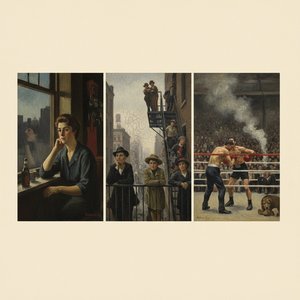
American Realism: Social Commentary & Artistic Representation in Early 20th-Century Painting
Explore the powerful social commentary & artistic representation of American Realism. Discover key artists like Bellows & Sloan, and understand the movement's lasting impact on 20th-century art history.
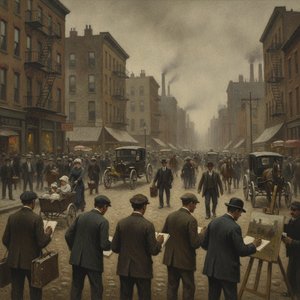
The Ashcan School: Capturing the Raw, Unfiltered Soul of Urban Life through American Realism
Discover the raw beauty of the Ashcan School. Explore how masters like Bellows and Henri captured the gritty, vibrant soul of early 20th-century New York through profound American Realism and evocative urban landscapes.