Anteprima in scala reale
 Condividi
 Condividi
 Dettagli
 Guida stampabile

 Scarica
 Articoli simili
 Radiografia
 Slideshow
 Statistiche
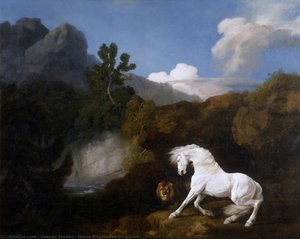
Lion Devouring a Horse
 Oil On Canvas
- WallArt
- Romantic Realism
 1763
1763 69.0 x 104.0 cm
 Tate Gallery
 Leggi tutto
Giclée / Stampe d'arte
Stampa giclée o su tela di qualità museale, con produzione rapida e diverse opzioni di finitura. ( Ordina la riproduzione dipinta a mano Passa all'immagine digitale)




P118B €10

P118H €10

P118W €10

P438Z €10

P508JH €12

P508YH €12

P805H €10

P805Z €10

P919BZ €10

P919G €10

P919XJ €10

P959ZH €10

P968JZ €12

W106C €8

W218G €10

W218JH €8

W218Y €10

W307PJ €10

W316G €10

W316PJ €8

W316Y €10

W398PJ €8

W4111J €10

W500HY €15

W500JH €15

W692G €12

W849H €8

W940BG €15

W953PJ €8




Scegli tra le nostre dimensioni predefinite, che rispettano le proporzioni originali dell'opera d'arte.

È possibile inserire dimensioni personalizzate per adattare l'opera a una cornice o a uno spazio specifico. Se la dimensione selezionata non corrisponde alle proporzioni dell'immagine originale, procederemo al ritaglio dell'opera o all'estensione dell'immagine con un bordo specchiato o a tinta unita. Un mockup digitale ti verrà inviato per approvazione prima dell'inizio della produzione.
Si prega di notare che l'anteprima a schermo non riflette il ritaglio o l'estensione effettivi. Solo il mockup mostrerà accuratamente la composizione finale.
Sebbene siano disponibili dimensioni personalizzate, si raccomanda di selezionare una dimensione dall'elenco predefinito per preservare le proporzioni originali.
Consegna in tutto il mondo () in 2 settimane invece delle normali 4/5 settimane. (10 Ottobre)

Spedizione espressa gratuita in tutto il mondo

Tela in lino di alta qualità

Assicurazione completa sulla spedizione

Garanzia di rimborso dei dazi doganali

Garanzia di perfetta fedeltà cromatica

Politica di reso entro 100 giorni (solo per difetti di fabbricazione)

Garanzia di rimborso al 100%

Sconto per acquisti multipli
 L'opzione vetro è disponibile solo per dimensioni inferiori a 110 cm

Lion Devouring a Horse
Giclée / Stampe d'arte
Dimensioni della riproduzione
-


Prezzo totale
€ 69
The Drama of Nature Captured: George Stubbs' Lion Devouring a Horse
To stand before George Stubbs’ magnificent "Lion Devouring a Horse" is to be plunged into a moment of raw, untamed drama. This 1763 oil on canvas does more than merely depict an animal encounter; it arrests time itself, freezing the apex of conflict in vivid, masterful strokes. Stubbs, celebrated for his unparalleled anatomical studies of equine life, elevates this scene beyond mere natural history painting into a profound meditation on power dynamics and survival. The sheer energy radiating from the central action—the lion’s powerful jaws closing upon the struggling form of the horse—is breathtaking, inviting the viewer to lean in, breathless, as if they too are witnessing the struggle firsthand.
Mastery of Form and Color
Stubbs' technical brilliance is immediately apparent. The artist possessed an almost scientific understanding of musculature, rendering both creatures with startling verisimilitude. Observe the texture: the lion’s coat, rendered in deep, brooding shades of brown and black, contrasts dramatically against the lighter, more yielding tones used for the horse and the surrounding landscape. This masterful use of color heightens the tension; the rich saturation of the foreground elements pops against the serene, yet dramatic, backdrop of the rocky terrain beneath a clear blue sky. The composition is inherently balanced, guiding the eye inexorably toward the violent nexus at the center, while the scattered trees and open sky provide just enough context to ground this intense spectacle in a believable, if theatrical, outdoor setting.
Historical Echoes and Artistic Lineage
The genesis of this powerful piece is rooted in classical antiquity. Stubbs himself noted that his inspiration stemmed from an antique marble sculpture encountered during his travels to Rome. This connection suggests that the painting is not just a record of wildlife, but a dialogue across centuries—a conversation between Renaissance artistic ideals and the vibrant realism of the Georgian era. By referencing such classical models while executing it in the rich, tactile medium of oil on canvas, Stubbs bridges epochs. It speaks to an enduring human fascination with mythic struggle, making the work timeless regardless of its 18th-century origins.
Symbolism and Emotional Resonance
Beyond the technical prowess lies a deeper symbolic resonance. The confrontation between the lion—often a symbol of raw, untamed masculine power—and the horse, frequently representing nobility, grace, or even humanity itself, creates an immediate tension. The act depicted suggests a brutal assertion of dominance. For the modern collector or decorator, this painting offers more than just decorative flair; it injects a palpable sense of narrative drama into any space. It is a conversation piece that demands attention, suggesting themes of struggle, inevitable change, and the raw beauty found at the precipice of conflict.
Bringing the Drama Home
For those who wish to capture this electrifying moment in their own interiors, acquiring a high-quality reproduction allows one to possess this masterpiece's energy without leaving the comfort of home. The ability of an oil painting medium to retain such depth and vibrancy ensures that the drama—the tension between the predator and the prey—remains immediate and visceral. It is an investment not only in art history but in a continuous source of dramatic, sophisticated inspiration for any discerning eye.
Domande e risposte
Quanti anni aveva George Stubbs quando è stata creata "Lion Devouring a Horse"?
George Stubbs aveva 39 anni quando ha creato "Lion Devouring a Horse" nel 1763. L'età è calcolata sulla base dell'anno di nascita dell'artista, 1724.
In che anno è stata realizzata l'opera "Lion Devouring a Horse" di George Stubbs?
"Lion Devouring a Horse" risale al 1763. La data colloca l'opera all'interno della carriera di George Stubbs e della sua epoca.
Dove dovrebbe essere appesa una riproduzione di "Lion Devouring a Horse" di George Stubbs?
Il formato (Landscape) e lo spazio consigliato (Living Room) sono i due dettagli di posizionamento registrati per "Lion Devouring a Horse" di George Stubbs.
In che modo lo stile di "Lion Devouring a Horse" si relaziona all'epoca del suo autore?
"Lion Devouring a Horse" di George Stubbs si inserisce nel movimento Romantic Realism, all'interno dell'epoca Età Moderna del suo autore.
Chi ha creato "Lion Devouring a Horse"?
"Lion Devouring a Horse" è attribuito a George Stubbs.
È disponibile un download ad alta risoluzione di "Lion Devouring a Horse"?
"Lion Devouring a Horse" è disponibile come download di un'immagine digitale ad alta risoluzione, acquistabile direttamente su questa pagina.
Qual è l'atmosfera generale di "Lion Devouring a Horse" di George Stubbs?
L'atmosfera generale di "Lion Devouring a Horse" di George Stubbs è Dramatic. Il tono descrive l'atmosfera complessiva dell'opera.
Biografia dell'artista
La Prima Vita e Formazione
George Stubbs, pittore inglese rinomato, nacque il 25 agosto 1724 a Liverpool, nel Regno Unito. I dettagli della sua vita iniziale sono scarsi fino all'età di 35 anni; la maggior parte delle informazioni provengono dai ricordi di Ozias Humphry, basati su conversazioni con Stubbs nel 1794. Il suo percorso artistico iniziò all’età di 15 anni, lavorando inizialmente sotto la guida del padre, conciatore di pelli. Successivamente si avvicinò a Hamlet Winstanley, pittore e incisore del Lancashire, per un breve apprendistato che gli permise di studiare le collezioni a Knowsley Hall.Sviluppo Artistico e Opere Notabili
La passione di Stubbs per l'anatomia lo portò a trasferirsi a York nel 1744, dove studiò sotto la guida del chirurgo Charles Atkinson presso il York County Hospital. Tra le sue prime opere sopravvissute vi è un insieme di illustrazioni per il manuale di ostetricia di John Burton, pubblicato nel 1751. Nel 1756, Stubbs affittò una fattoria nel Lincolnshire e trascorse 18 mesi a dissezionare cavalli, assistito dalla sua compagna comune, Mary Spencer. Questo lavoro portò alla pubblicazione de "L'anatomia del cavallo" nel 1766, con disegni originali ora conservati presso la Royal Academy. Il suo lavoro fu presto riconosciuto da importanti mecenati aristocratici, tra cui il 3° duca di Richmond, che commissionò tre grandi dipinti nel 1759. Questo segnò l'inizio della sua carriera di successo, con opere realizzate per diversi duchi e lord, culminando nell’acquisto di una casa a Marylebone, Londra.Evoluzione Stilistica e Influenze
Lo stile di Stubbs si caratterizzava per un'eccezionale accuratezza anatomica combinata con un senso del dramma e della composizione. Fu influenzato dagli studi scientifici dell’epoca, in particolare dall'anatomia equina, ma anche dalla pittura classica romana e rinascimentale italiana che ebbe modo di studiare durante il suo viaggio in Italia. La sua capacità di catturare la muscolatura e il movimento dei cavalli era senza pari, rendendolo uno dei più importanti pittori animali del XVIII secolo. Sebbene inizialmente influenzato dal naturalismo, le sue opere successive mostrarono elementi pre-romantici, come si evince dalla serie di dipinti raffiguranti un leone che attacca un cavallo.Opere Principali e Riconoscimenti
Tra le opere più famose di Stubbs spicca "Whistlejacket", un dipinto del 2° marchese di Rockingham che ritrae un cavallo da corsa in movimento, ora conservato alla National Gallery di Londra. Questo dipinto, insieme ad altri due commissionati dallo stesso Rockingham, si distingue per gli sfondi neutri, una scelta innovativa per l'epoca. Altre opere significative includono la serie di dipinti raffiguranti un leone che attacca un cavallo, considerati precursori del movimento romantico, e i ritratti equestri commissionati dall’aristocrazia inglese. Stubbs ricevette numerosi riconoscimenti durante la sua vita, diventando membro della Royal Academy nel 1775 e godendo del patrocinio del Principe di Galles.Eredità e Significato Storico
L'eredità di George Stubbs come artista equestre rimane insuperata. La sua capacità di combinare l’accuratezza scientifica con la bellezza artistica ha influenzato generazioni di pittori animali. Le sue opere sono oggi esposte nei musei più importanti del mondo e continuano ad affascinare gli appassionati d'arte per la loro maestria tecnica, il senso del dramma e la rappresentazione vivida della natura. Stubbs non fu solo un pittore, ma anche uno scienziato e un innovatore che contribuì a elevare lo status dei dipinti di animali nell’arte britannica del XVIII secolo.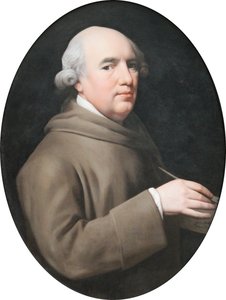
George Stubbs
1724 - 1806 , Regno Unito
Informazioni rapide
- Artisti Influenti: ['Hamlet Winstanley']
- Artisti Influenzati: ['Charles Towne']
- Data Di Nascita: 25 agosto 1724
- Luogo Di Nascita: Liverpool, Regno Unito
- Movimento Artistico O Stile: Romanticismo
- Nazionalità: Britannico
- Nome Completo: George Stubbs
- Opere Notevoli:
- Whistlejacket
- Leone che attacca un cavallo
- Il Grosvenor Hunt
Articoli correlati
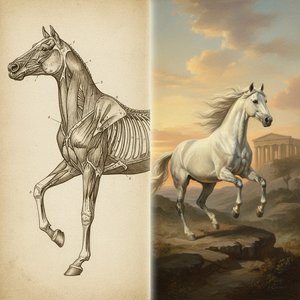
George Stubbs: Precisione Anatomica e Visione Romantica nell'Arte Britannica del XVIII Secolo
Esplora la vita e l'opera di George Stubbs, il maestro inglese dell'anatomia equina e dei ritratti animali del XVIII secolo. Approfondimenti sulla sua tecnica, influenza artistica e consigli per collezionisti.
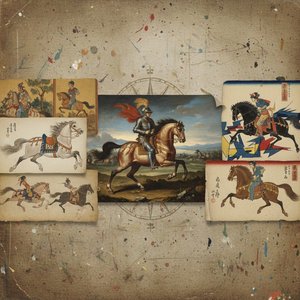
The Noble Steed on Canvas: A Historical & Artistic Exploration of Horse Painting Across Cultures
Explore the rich history of horse painting! Discover masterpieces from Stubbs to Munnings & learn about symbolism, techniques & artists. Find museum-quality reproductions at OriginalUniqueArt.

Georges Seurat: I 25 Capolavori che Rivoluzionarono la Pittura | OriginalUniqueArt
Esplora i 25 capolavori di Georges Seurat, il maestro del Pointillismo. Scopri la storia, le tecniche e l'emozione dietro dipinti iconici come 'Un dimanche à la Grande Jatte'. Trova riproduzioni d'arte di alta qualità per decorare casa tua su OriginalUniqueArt.com.

Georges Braque: I 25 Capolavori che Hanno Rivoluzionato l'Arte Moderna | OriginalUniqueArt
Esplora i 25 capolavori di Georges Braque, pioniere del Cubismo. Scopri la storia, le tecniche e l'impatto di opere iconiche come 'The Patience'. Trova riproduzioni d'arte di alta qualità per decorare casa tua su OriginalUniqueArt.com.
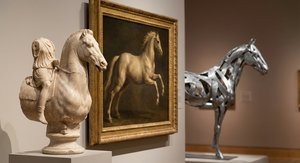
The Noble Steed: A Historical and Artistic Exploration of Horses in Fine Art
Explore the rich history of horses in fine art! From ancient depictions to Renaissance masterpieces & beyond, discover iconic artworks and artists. Learn about symbolism, techniques, and find museum-quality reproductions at OriginalUniqueArt.