Anteprima in scala reale
 Condividi
 Condividi
 Dettagli
 Guida stampabile

 Scarica
 Articoli simili
 Radiografia
 Slideshow
 Statistiche
Labourers


 Leggi tutto
Giclée / Stampe d'arte
Stampa giclée o su tela di qualità museale, con produzione rapida e diverse opzioni di finitura. ( Ordina la riproduzione dipinta a mano Passa all'immagine digitale)




P118B €10

P118H €10

P118W €10

P438Z €10

P508JH €12

P508YH €12

P805H €10

P805Z €10

P919BZ €10

P919G €10

P919XJ €10

P959ZH €10

P968JZ €12

W106C €8

W218G €10

W218JH €8

W218Y €10

W307PJ €10

W316G €10

W316PJ €8

W316Y €10

W398PJ €8

W4111J €10

W500HY €15

W500JH €15

W692G €12

W849H €8

W940BG €15

W953PJ €8




Scegli tra le nostre dimensioni predefinite, che rispettano le proporzioni originali dell'opera d'arte.

Inserisci la larghezza e l'altezza desiderate, per adattarle alla tua cornice o alla tua parete. Una stampa può essere solo ritagliata, mai resa più grande dell'immagine originale; pertanto, un formato con una forma differente comporterà la perdita di una parte dell'opera. Ti invieremo un mockup digitale da approvare prima di procedere con la stampa. L'immagine mostrata in questa pagina non rappresenta il ritaglio reale — solo il mockup lo mostra.
Consegna in tutto il mondo () in 2 settimane invece delle normali 4/5 settimane. (22 Ottobre)

Spedizione espressa gratuita in tutto il mondo

Tela in lino di alta qualità

Assicurazione completa sulla spedizione

Garanzia di rimborso dei dazi doganali

Garanzia di perfetta fedeltà cromatica

Politica di reso entro 100 giorni (solo per difetti di fabbricazione)

Garanzia di rimborso al 100%

Sconto per acquisti multipli
 L'opzione vetro è disponibile solo per dimensioni inferiori a 110 cm

Labourers
Giclée / Stampe d'arte
Dimensioni della riproduzione
-


Prezzo totale
€ 70
A Glimpse into Eighteenth-Century Rural Life
George Stubbs’s Labourers is more than just a depiction of farm work; it is a vibrant tableau vivant, a carefully composed meditation on the rhythm and resilience of life in eighteenth-century England. When one gazes upon this oil on canvas from 1761, one is instantly transported away from the clamor of modern existence and into a pastoral scene steeped in earthy warmth. The painting captures a moment of pause—a gathering around a horse-drawn carriage—where labor seems momentarily suspended for conversation or shared contemplation. Stubbs masterfully situates his figures against a backdrop suggesting both cultivated land and the permanence of country architecture, lending the entire composition an air of serene, enduring tranquility.
Mastery in Form and Figure
What elevates Labourers beyond mere genre painting is Stubbs’s unparalleled technical skill. While he was celebrated for his breathtaking studies of equine anatomy—a passion evident in every sinew and muscle depicted—he never allowed this specialization to overshadow the humanity within the scene. Observe the horses; they are rendered with a startling, almost scientific realism, yet they move with palpable life. The men themselves, gathered near the cart, possess an engaging naturalism. Stubbs’s brushwork is bold and expressive, suggesting movement even in repose. This technique allows the viewer to feel the energy humming beneath the surface calm, connecting the physical power of the animals with the subtle nuances of human interaction.
The Symbolism of Community and Industry
Symbolically, this work speaks volumes about the interconnectedness of rural life. The presence of the dog near the foreground anchors the scene in domestic reality, while the carriage itself represents both transport and the structure of community endeavor. It is a celebration of industry, yes, but more profoundly, it is an ode to collaboration. The earthy tones that dominate the palette—the browns of the wood, the muted greens of the foliage, the warm ochres of the clothing—wrap the entire scene in a comforting embrace, suggesting a deep-rooted connection between man, beast, and the land that sustains them.
Bringing History Home: Owning a Masterpiece
For the collector or designer seeking to infuse a space with authentic historical depth, Labourers offers an unparalleled opportunity. Reproducing such a significant work allows one to curate not just art, but a piece of documented history. The ability to own a reproduction means that this narrative—this snapshot of Georgian English life—can grace your walls, inviting contemplation and conversation. It serves as a timeless focal point, grounding any room with the quiet dignity and enduring beauty captured by George Stubbs over two centuries ago.
Domande e risposte
In quale stanza si consiglia di esporre "Labourers" di George Stubbs?
Lo spazio consigliato per "Labourers" di George Stubbs è un Living Room. Il suggerimento può naturalmente essere adattato ai vostri interni.
Come può essere utilizzato "Labourers" di George Stubbs nell'arredamento d'interni?
"Labourers" è consigliato per Reflective, e lo spazio ideale è un Living Room.
"Labourers" è rimasta nel paese d'origine dell'artista?
No - l'opera si trova all'estero. "Labourers" è conservata in Stati Uniti d'America, mentre George Stubbs è nato/a in Regno Unito.
Biografia dell'artista
La Prima Vita e Formazione
George Stubbs, pittore inglese rinomato, nacque il 25 agosto 1724 a Liverpool, nel Regno Unito. I dettagli della sua vita iniziale sono scarsi fino all'età di 35 anni; la maggior parte delle informazioni provengono dai ricordi di Ozias Humphry, basati su conversazioni con Stubbs nel 1794. Il suo percorso artistico iniziò all’età di 15 anni, lavorando inizialmente sotto la guida del padre, conciatore di pelli. Successivamente si avvicinò a Hamlet Winstanley, pittore e incisore del Lancashire, per un breve apprendistato che gli permise di studiare le collezioni a Knowsley Hall.Sviluppo Artistico e Opere Notabili
La passione di Stubbs per l'anatomia lo portò a trasferirsi a York nel 1744, dove studiò sotto la guida del chirurgo Charles Atkinson presso il York County Hospital. Tra le sue prime opere sopravvissute vi è un insieme di illustrazioni per il manuale di ostetricia di John Burton, pubblicato nel 1751. Nel 1756, Stubbs affittò una fattoria nel Lincolnshire e trascorse 18 mesi a dissezionare cavalli, assistito dalla sua compagna comune, Mary Spencer. Questo lavoro portò alla pubblicazione de "L'anatomia del cavallo" nel 1766, con disegni originali ora conservati presso la Royal Academy. Il suo lavoro fu presto riconosciuto da importanti mecenati aristocratici, tra cui il 3° duca di Richmond, che commissionò tre grandi dipinti nel 1759. Questo segnò l'inizio della sua carriera di successo, con opere realizzate per diversi duchi e lord, culminando nell’acquisto di una casa a Marylebone, Londra.Evoluzione Stilistica e Influenze
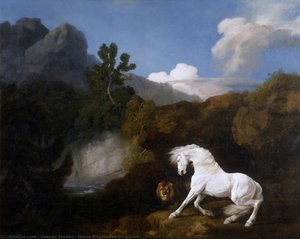
Lo stile di Stubbs si caratterizzava per un'eccezionale accuratezza anatomica combinata con un senso del dramma e della composizione. Fu influenzato dagli studi scientifici dell’epoca, in particolare dall'anatomia equina, ma anche dalla pittura classica romana e rinascimentale italiana che ebbe modo di studiare durante il suo viaggio in Italia. La sua capacità di catturare la muscolatura e il movimento dei cavalli era senza pari, rendendolo uno dei più importanti pittori animali del XVIII secolo. Sebbene inizialmente influenzato dal naturalismo, le sue opere successive mostrarono elementi pre-romantici, come si evince dalla serie di dipinti raffiguranti un leone che attacca un cavallo.Opere Principali e Riconoscimenti
Tra le opere più famose di Stubbs spicca "Whistlejacket", un dipinto del 2° marchese di Rockingham che ritrae un cavallo da corsa in movimento, ora conservato alla National Gallery di Londra. Questo dipinto, insieme ad altri due commissionati dallo stesso Rockingham, si distingue per gli sfondi neutri, una scelta innovativa per l'epoca. Altre opere significative includono la serie di dipinti raffiguranti un leone che attacca un cavallo, considerati precursori del movimento romantico, e i ritratti equestri commissionati dall’aristocrazia inglese. Stubbs ricevette numerosi riconoscimenti durante la sua vita, diventando membro della Royal Academy nel 1775 e godendo del patrocinio del Principe di Galles.Eredità e Significato Storico
L'eredità di George Stubbs come artista equestre rimane insuperata. La sua capacità di combinare l’accuratezza scientifica con la bellezza artistica ha influenzato generazioni di pittori animali. Le sue opere sono oggi esposte nei musei più importanti del mondo e continuano ad affascinare gli appassionati d'arte per la loro maestria tecnica, il senso del dramma e la rappresentazione vivida della natura. Stubbs non fu solo un pittore, ma anche uno scienziato e un innovatore che contribuì a elevare lo status dei dipinti di animali nell’arte britannica del XVIII secolo.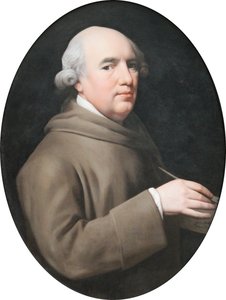
George Stubbs
1724 - 1806 , Regno Unito
Informazioni rapide
- Artisti Influenti: ['Hamlet Winstanley']
- Artisti Influenzati: ['Charles Towne']
- Data Di Nascita: 25 agosto 1724
- Luogo Di Nascita: Liverpool, Regno Unito
- Movimento Artistico O Stile: Romanticismo
- Nazionalità: Britannico
- Nome Completo: George Stubbs
- Opere Notevoli:
- Whistlejacket
- Leone che attacca un cavallo
- Il Grosvenor Hunt
Articoli correlati

Georges Seurat: I 25 Capolavori che Rivoluzionarono la Pittura | OriginalUniqueArt
Esplora i 25 capolavori di Georges Seurat, il maestro del Pointillismo. Scopri la storia, le tecniche e l'emozione dietro dipinti iconici come 'Un dimanche à la Grande Jatte'. Trova riproduzioni d'arte di alta qualità per decorare casa tua su OriginalUniqueArt.com.
The Noble Steed on Canvas: A Historical & Artistic Exploration of Horse Painting Across Cultures
Explore the rich history of horse painting! Discover masterpieces from Stubbs to Munnings & learn about symbolism, techniques & artists. Find museum-quality reproductions at OriginalUniqueArt.

Sir George Clausen: Capturing Edwardian Life & British Impressionism's Nuances
Explore the luminous world of Sir George Clausen, a leading British Impressionist painter. Discover his captivating scenes of Edwardian life, rural England & poignant war art. Learn about his legacy and find high-quality reproductions at OriginalUniqueArt.

Georges Braque: I 25 Capolavori che Hanno Rivoluzionato l'Arte Moderna | OriginalUniqueArt
Esplora i 25 capolavori di Georges Braque, pioniere del Cubismo. Scopri la storia, le tecniche e l'impatto di opere iconiche come 'The Patience'. Trova riproduzioni d'arte di alta qualità per decorare casa tua su OriginalUniqueArt.com.
George Stubbs: Precisione Anatomica e Visione Romantica nell'Arte Britannica del XVIII Secolo
Esplora la vita e l'opera di George Stubbs, il maestro inglese dell'anatomia equina e dei ritratti animali del XVIII secolo. Approfondimenti sulla sua tecnica, influenza artistica e consigli per collezionisti.