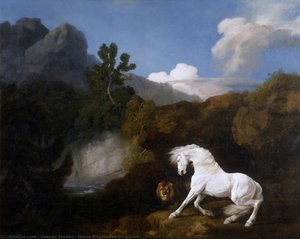
Anteprima in scala reale
 Condividi
 Condividi
 Dettagli
 Guida stampabile

 Scarica
 Articoli simili
 Radiografia
 Slideshow
 Statistiche
Harvest
 Oil On Canvas
- WallArt
- Romanticism
 1785
1785- Early Modern
 53.0 x 35.0 cm
 Leggi tutto
Riproduzione a olio fatta a mano
Olio su tela dipinto a mano nelle tue dimensioni e con la tua cornice, realizzato su ordinazione dai nostri artisti. ( Passa alle stampe Passa all'immagine digitale)




P118B €10

P118H €10

P118W €10

P438Z €10

P508JH €12

P508YH €12

P805H €10

P805Z €10

P919BZ €10

P919G €10

P919XJ €10

P959ZH €10

P968JZ €12

W106C €8

W218G €10

W218JH €8

W218Y €10

W307PJ €10

W316G €10

W316PJ €8

W316Y €10

W398PJ €8

W4111J €10

W500HY €15

W500JH €15

W692G €12

W849H €8

W940BG €15

W953PJ €8




Scegli tra le nostre dimensioni predefinite, che rispettano le proporzioni originali dell'opera d'arte.

Inserisci la larghezza e l'altezza di cui hai bisogno, per adattarle alla tua cornice o alla tua parete. Trattandosi di un'opera dipinta a mano, in caso di dimensioni con una forma differente, l'artista può dipingere un po' più oltre i bordi dell'immagine o ritagliare leggermente — la scelta spetta a te. Ti invieremo un mockup digitale da approvare prima che la pittura abbia inizio. L'immagine mostrata in questa pagina non rappresenta il risultato reale — solo il mockup lo fa.
Dopo l'ordine, il team di OriginalUniqueArt.com contatterà il cliente via e-mail per ricevere le istruzioni e fornirà un'anteprima del mockup
Consegna in tutto il mondo () in 3/4 settimane anziché nelle normali 5 settimane. (22 Ottobre). Nessun compromesso sulla qualità.

Spedizione espressa gratuita in tutto il mondo

Tela in lino di alta qualità

Assicurazione completa sulla spedizione

Garanzia di rimborso dei dazi doganali

Garanzia di perfetta fedeltà cromatica

Politica di reso entro 100 giorni (solo per difetti di fabbricazione)

Garanzia di rimborso al 100%

Sconto per acquisti multipli
 L'opzione vetro è disponibile solo per dimensioni inferiori a 110 cm

Harvest
Tecnica di riproduzione
Dimensioni della riproduzione
-


Prezzo totale
€ 263
A Symphony of Rural Labor and Golden Light
In the gentle embrace of George Stubbs’s 1785 masterpiece, Harvest, the viewer is transported to an era where the rhythm of life was dictated by the turning of the seasons and the strength of the land. This exquisite oil on canvas serves as a profound window into the Romantic movement, capturing not merely a moment in time, but the very soul of the English countryside. The scene unfolds with a breathtaking sense of vitality, depicting a community united in the seasonal ritual of gathering crops. Through his masterful command of composition, Stubbs directs our gaze across a landscape teeming with life, where the diligent movements of laborers and the steady presence of livestock create a tapestry of industrious peace.
The painting’s technical brilliance lies in its ability to balance grand scale with intimate detail. Stubbs, renowned for his anatomical precision, brings an unparalleled realism to the horses and carts that anchor the composition. On the right side of the canvas, a horse pulls a heavy cart laden with hay, its muscular form rendered with such tactile accuracy that one can almost sense the strain and power of the animal. This sense of movement is beautifully contrasted by the soft, atmospheric brushstrokes that define the horizon and the sky. The palette is dominated by warm, sun-drenched hues—golds, ambers, and earthy ochres—which bathe the entire scene in a nostalgic, serene glow, evoking the warmth of a late summer afternoon.
The Poetic Resonance of the English Landscape
Beyond its surface beauty, Harvest is steeped in the symbolism of the Romantic era, emphasizing the profound connection between humanity and nature. The presence of the dog near the bottom left corner and the scattered figures throughout the field suggest a harmonious ecosystem where every creature plays a vital role. There is an inherent dignity in the depiction of manual labor; Stubbs does not merely document work, but elevates it to a form of quiet heroism. The composition is meticulously balanced, ensuring that while the focus remains on the human element, the vastness of the landscape provides a sense of eternal continuity.
For the discerning collector or interior designer, this painting offers more than just aesthetic appeal; it provides an emotional anchor for any space. Its ability to evoke feelings of tranquility, nostalgia, and respect for tradition makes it a timeless addition to a curated collection. Whether placed in a sunlit library or a grand dining hall, a high-quality reproduction of this work brings with it the prestige of 18th-century English art. It serves as a conversation piece that invites contemplation on the enduring beauty of the natural world and the quiet strength found in the cycles of life.
Domande e risposte
Che tipo di opera è "Harvest"?
"Harvest" è un'opera di tipo WallArt.
È disponibile un download per "Harvest"?
Puoi scaricare "Harvest" di George Stubbs dalla pagina Scarica dell'opera, come download di un'immagine digitale ad alta risoluzione.
Qual è la luminosità di "Harvest" di George Stubbs?
I colori di "Harvest" mostrano una luminanza Gentle Luminance.
Biografia dell'artista
La Prima Vita e Formazione
George Stubbs, pittore inglese rinomato, nacque il 25 agosto 1724 a Liverpool, nel Regno Unito. I dettagli della sua vita iniziale sono scarsi fino all'età di 35 anni; la maggior parte delle informazioni provengono dai ricordi di Ozias Humphry, basati su conversazioni con Stubbs nel 1794. Il suo percorso artistico iniziò all’età di 15 anni, lavorando inizialmente sotto la guida del padre, conciatore di pelli. Successivamente si avvicinò a Hamlet Winstanley, pittore e incisore del Lancashire, per un breve apprendistato che gli permise di studiare le collezioni a Knowsley Hall.Sviluppo Artistico e Opere Notabili
La passione di Stubbs per l'anatomia lo portò a trasferirsi a York nel 1744, dove studiò sotto la guida del chirurgo Charles Atkinson presso il York County Hospital. Tra le sue prime opere sopravvissute vi è un insieme di illustrazioni per il manuale di ostetricia di John Burton, pubblicato nel 1751. Nel 1756, Stubbs affittò una fattoria nel Lincolnshire e trascorse 18 mesi a dissezionare cavalli, assistito dalla sua compagna comune, Mary Spencer. Questo lavoro portò alla pubblicazione de "L'anatomia del cavallo" nel 1766, con disegni originali ora conservati presso la Royal Academy. Il suo lavoro fu presto riconosciuto da importanti mecenati aristocratici, tra cui il 3° duca di Richmond, che commissionò tre grandi dipinti nel 1759. Questo segnò l'inizio della sua carriera di successo, con opere realizzate per diversi duchi e lord, culminando nell’acquisto di una casa a Marylebone, Londra.Evoluzione Stilistica e Influenze
Lo stile di Stubbs si caratterizzava per un'eccezionale accuratezza anatomica combinata con un senso del dramma e della composizione. Fu influenzato dagli studi scientifici dell’epoca, in particolare dall'anatomia equina, ma anche dalla pittura classica romana e rinascimentale italiana che ebbe modo di studiare durante il suo viaggio in Italia. La sua capacità di catturare la muscolatura e il movimento dei cavalli era senza pari, rendendolo uno dei più importanti pittori animali del XVIII secolo. Sebbene inizialmente influenzato dal naturalismo, le sue opere successive mostrarono elementi pre-romantici, come si evince dalla serie di dipinti raffiguranti un leone che attacca un cavallo.Opere Principali e Riconoscimenti
Tra le opere più famose di Stubbs spicca "Whistlejacket", un dipinto del 2° marchese di Rockingham che ritrae un cavallo da corsa in movimento, ora conservato alla National Gallery di Londra. Questo dipinto, insieme ad altri due commissionati dallo stesso Rockingham, si distingue per gli sfondi neutri, una scelta innovativa per l'epoca. Altre opere significative includono la serie di dipinti raffiguranti un leone che attacca un cavallo, considerati precursori del movimento romantico, e i ritratti equestri commissionati dall’aristocrazia inglese. Stubbs ricevette numerosi riconoscimenti durante la sua vita, diventando membro della Royal Academy nel 1775 e godendo del patrocinio del Principe di Galles.Eredità e Significato Storico
L'eredità di George Stubbs come artista equestre rimane insuperata. La sua capacità di combinare l’accuratezza scientifica con la bellezza artistica ha influenzato generazioni di pittori animali. Le sue opere sono oggi esposte nei musei più importanti del mondo e continuano ad affascinare gli appassionati d'arte per la loro maestria tecnica, il senso del dramma e la rappresentazione vivida della natura. Stubbs non fu solo un pittore, ma anche uno scienziato e un innovatore che contribuì a elevare lo status dei dipinti di animali nell’arte britannica del XVIII secolo.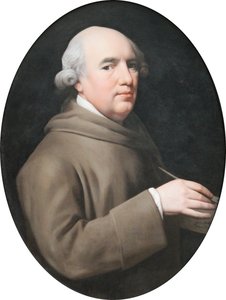
George Stubbs
1724 - 1806 , Regno Unito
Informazioni rapide
- Artisti Influenti: ['Hamlet Winstanley']
- Artisti Influenzati: ['Charles Towne']
- Data Di Nascita: 25 agosto 1724
- Luogo Di Nascita: Liverpool, Regno Unito
- Movimento Artistico O Stile: Romanticismo
- Nazionalità: Britannico
- Nome Completo: George Stubbs
- Opere Notevoli:
- Whistlejacket
- Leone che attacca un cavallo
- Il Grosvenor Hunt
Articoli correlati
I 10 Capolavori Romantici che Hanno Definito un'Epoca | .it
Esplora i 10 capolavori del Romanticismo con .it! Delacroix, Friedrich e Goya: scopri la storia, le emozioni e i colori che hanno definito un'epoca. Stampe d'arte di alta qualità per decorare la tua casa. Scopri la collezione completa online!
Cultivating Visions: Rural Life & Social Commentary in Art History
Explore the rich history of rural life in art! Discover masterpieces from Dutch Masters to Van Gogh & Courbet. Uncover artistic movements, social significance & expert collecting insights at OriginalUniqueArt.

Georges Seurat: I 25 Capolavori che Rivoluzionarono la Pittura | OriginalUniqueArt
Esplora i 25 capolavori di Georges Seurat, il maestro del Pointillismo. Scopri la storia, le tecniche e l'emozione dietro dipinti iconici come 'Un dimanche à la Grande Jatte'. Trova riproduzioni d'arte di alta qualità per decorare casa tua su OriginalUniqueArt.com.
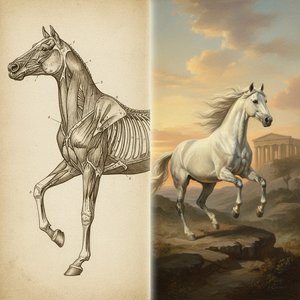
George Stubbs: Precisione Anatomica e Visione Romantica nell'Arte Britannica del XVIII Secolo
Esplora la vita e l'opera di George Stubbs, il maestro inglese dell'anatomia equina e dei ritratti animali del XVIII secolo. Approfondimenti sulla sua tecnica, influenza artistica e consigli per collezionisti.

Georges Braque: I 25 Capolavori che Hanno Rivoluzionato l'Arte Moderna | OriginalUniqueArt
Esplora i 25 capolavori di Georges Braque, pioniere del Cubismo. Scopri la storia, le tecniche e l'impatto di opere iconiche come 'The Patience'. Trova riproduzioni d'arte di alta qualità per decorare casa tua su OriginalUniqueArt.com.