

 Anteprima in scala reale
 Condividi
 Condividi
 Dettagli

 Scarica
 Articoli simili
 Radiografia
 Slideshow
 Statistiche
Gipsies
 Acrylic On Canvas
- WallArt
- Dutch Golden Age
 1800
1800 36.0 x 47.0 cm
 Museo dell'Ermitage
 Leggi tutto
Giclée / Stampe d'arte
Stampa giclée o su tela di qualità museale, con produzione rapida e diverse opzioni di finitura. ( Ordina la riproduzione dipinta a mano Passa all'immagine digitale)




P118B $10

P118H $10

P118W $10

P438Z $10

P508JH $12

P508YH $12

P805H $10

P805Z $10

P919BZ $10

P919G $10

P919XJ $10

P959ZH $10

P968JZ $12

W106C $8

W218G $10

W218JH $8

W218Y $10

W307PJ $10

W316G $10

W316PJ $8

W316Y $10

W398PJ $8

W4111J $10

W500HY $15

W500JH $15

W692G $12

W849H $8

W940BG $15

W953PJ $8




Scegli tra le nostre dimensioni predefinite, che rispettano le proporzioni originali dell'opera d'arte.

È possibile inserire dimensioni personalizzate per adattare l'opera a una cornice o a uno spazio specifico. Se la dimensione selezionata non corrisponde alle proporzioni dell'immagine originale, procederemo al ritaglio dell'opera o all'estensione dell'immagine con un bordo specchiato o a tinta unita. Un mockup digitale ti verrà inviato per approvazione prima dell'inizio della produzione.
Si prega di notare che l'anteprima a schermo non riflette il ritaglio o l'estensione effettivi. Solo il mockup mostrerà accuratamente la composizione finale.
Sebbene siano disponibili dimensioni personalizzate, si raccomanda di selezionare una dimensione dall'elenco predefinito per preservare le proporzioni originali.
Consegna in tutto il mondo () in 2 settimane invece delle normali 4/5 settimane. (19 Settembre)

Spedizione espressa gratuita in tutto il mondo

Tela in lino di alta qualità

Assicurazione completa sulla spedizione

Garanzia di rimborso dei dazi doganali

Garanzia di perfetta fedeltà cromatica

Politica di reso entro 100 giorni (solo per difetti di fabbricazione)

Garanzia di rimborso al 100%

Sconto per acquisti multipli
 L'opzione vetro è disponibile solo per dimensioni inferiori a 110 cm

Gipsies
Giclée / Stampe d'arte
Dimensioni della riproduzione
-


Prezzo totale
$ 80
A Snapshot of Rustic Life: George Morland’s “Gipsies”
George Morland's "Gipsies," painted around 1800, offers a captivating glimpse into the world of itinerant travelers – the gypsies – as they sought respite and perhaps livelihood within the dappled shade of a woodland tree. This small yet remarkably detailed canvas isn’t merely a depiction of a scene; it’s an evocation of atmosphere, a carefully constructed tableau brimming with quiet observation and a subtle sense of melancholy. Measuring just 36 x 47 cm, “Gipsies” invites the viewer into its intimate space, drawing us close to the figures within and allowing us to contemplate their lives against the backdrop of a serene, if slightly melancholic, English landscape.
Morland’s artistic journey began in London, nurtured by his father, an artist himself. Early influences included Francis Wheatley, whose meticulous attention to detail and ability to capture fleeting moments undoubtedly shaped Morland's nascent style. However, it was the Dutch Golden Age masters – particularly their mastery of light, texture, and the depiction of everyday life – that truly informed “Gipsies.” This influence is immediately apparent in the painting’s rich, almost tactile quality; Morland meticulously renders every fold of fabric, every ripple of water, and every weathered surface with a remarkable level of realism. The use of loose brushstrokes and a slightly hazy atmosphere further enhances this sense of immediacy, transporting us directly into the scene.
The Scene Unfolds: Composition and Narrative
The composition is deceptively simple yet profoundly effective. A group of gypsies – men, women, and children – are scattered around a large oak tree, its branches providing dappled shade over the figures. A horse stands patiently near the center, suggesting movement and perhaps a connection to trade or travel. A dog lies contentedly at the edge of the scene, adding another layer of domesticity to this otherwise itinerant gathering. Notice how Morland doesn’t impose a rigid narrative; instead, he presents a moment frozen in time – a pause in their journey, a shared respite beneath the tree.
The arrangement is carefully balanced, with the figures clustered around the tree while others are positioned further back, creating a sense of depth and inviting the viewer to become an observer within the scene. The inclusion of the horse is particularly noteworthy; it’s not just a decorative element but a symbol of mobility and livelihood – essential components of the gypsy lifestyle. The dog, often associated with loyalty and companionship, reinforces this theme of community and shared experience.
Symbolism and Emotional Resonance
“Gipsies” is more than just a realistic portrayal of a group of travelers; it’s imbued with subtle symbolism. The tree itself represents stability and connection to the earth – a grounding force amidst the nomadic lives of the gypsies. The muted color palette, dominated by browns, greens, and greys, contributes to the painting's overall mood of quiet contemplation. There’s a hint of sadness in the faces of some of the figures, perhaps reflecting the challenges and uncertainties inherent in their itinerant existence.
Morland was particularly drawn to scenes of rural life and the lives of marginalized communities. His work often captures a sense of vulnerability and resilience – a poignant awareness of the human condition. “Gipsies” is no exception; it’s a tender, understated portrait that invites us to empathize with these often-misunderstood travelers and appreciate their unique way of life. The painting's enduring appeal lies in its ability to evoke a sense of nostalgia for a simpler time, while simultaneously offering a glimpse into the complexities of human existence.
A Reproduction Worth Cherishing
OriginalUniqueArt offers meticulously crafted hand-painted reproductions of George Morland’s “Gipsies,” ensuring that this captivating artwork can be enjoyed in your home or office. Our skilled artists replicate Morland's distinctive brushwork and atmospheric effects with exceptional precision, capturing the painting’s original charm and emotional depth. Whether you are an art collector, a design enthusiast, or simply someone who appreciates beautiful artistry, a OriginalUniqueArt reproduction of “Gipsies” is a timeless addition to any space – a window into a bygone era and a celebration of human connection.
Biografia dell'artista
Primi Anni e Influenze
- Nato: Londra, Regno Unito (1763)
- Morto: 1804
- George Morland nacque il 26 giugno 1763 a Londra. Suo padre, Henry Robert Morland, incoraggiò lo sviluppo artistico di George fin dalla giovane età.
- All'età di dieci anni, il suo nome apparve come espositore onorario di schizzi alla Royal Academy.
- Carriera iniziale e influenze: i primi lavori di Morland furono influenzati da Francis Wheatley.
- Fu introdotto a Sir Joshua Reynolds, che gli permise di copiare le sue opere.
- L'apprendistato di Morland con suo padre terminò nel 1784 e si stabilì in proprio.
Stile Artistico e Opere Notabili
- Stile: Le migliori composizioni di Morland si concentrano su scene rurali, fattorie, caccia, contrabbandieri, zingari e paesaggi ricchi e texturizzati informati dalla pittura dell'età dell'oro olandese.
- Inteso per la Riproduzione: Molte delle sue opere erano destinate alla riproduzione in stampe, da cui i suoi editori guadagnarono molto più di quanto lui non facesse.
- Opere Notabili:
- The Farmyard: Mostra la sua abilità nel catturare scene rurali.
- Horse Devoured by a Lion: Un dipinto di George Stubbs, trovato alla Tate Britain di Londra.
- Near Nîmes: Un dipinto di Roger Eliot Fry, trovato su OriginalUniqueArt.com.
- Produzione Prolifica: Nonostante i suoi problemi con i debiti e la sua prematura morte, Morland fu prolifico.
Sviluppo e Percorso Artistico
- Primi Studi: Suo padre fornì una formazione iniziale, tra cui la copia di opere dei maestri olandesi e fiamminghi.
- Influenza di Reynolds: Lo studio delle copie dei dipinti di Sir Joshua Reynolds ebbe un impatto significativo sul suo stile.
- Emergere di uno Stile Unico: Dopo gli anni '90, Morland sviluppò uno stile unico caratterizzato da scene rurali e paesaggi dettagliati.
- Impatto dello Stile di Vita: Il suo stile di vita eccessivo (ubriachezza) influenzò la qualità dei suoi lavori successivi.
Eredità e Significato Storico
- Contributo all'Arte Inglese: George Morland è considerato un contributo notevole alla storia dell'arte inglese.
- Riconoscimento Diffuso: Le sue opere si possono trovare in vari musei e collezioni, tra cui Somerville College di Oxford.
- Influenza sulla Stampa: Il fatto che il suo lavoro fosse destinato alla riproduzione in stampe evidenzia l'importanza della cultura della stampa durante la sua epoca.
- Appello Duraturo: Le sue rappresentazioni della vita rurale continuano a risuonare con il pubblico oggi.
Informazioni Aggiuntive
- Coniuge: Anne Ward (sposata nel 1786)
- Genitori: Henry Robert Morland, e nipote di George Henry Morland
- Link Wikipedia: George Morland - Wikipedia

George Morland
1763 - 1804 , Regno Unito
Informazioni rapide
- Artisti Che Hanno Influenzato Questo Artista:
- Francis Wheatley
- Pittori olandesi d'oro
- Data Di Nascita: 26 giugno 1763
- Luogo Di Nascita: Londra, Regno Unito
- Movimento Artistico O Stile: Scena rustica, paesaggio
- Nazionalità: Inglese
- Nome Completo: George Morland
- Opere Notevoli:
- The Farmyard
- Horse Devoured by a Lion
- Near Nîmes
Articoli correlati

Georges Braque: I 25 Capolavori che Hanno Rivoluzionato l'Arte Moderna | OriginalUniqueArt
Esplora i 25 capolavori di Georges Braque, pioniere del Cubismo. Scopri la storia, le tecniche e l'impatto di opere iconiche come 'The Patience'. Trova riproduzioni d'arte di alta qualità per decorare casa tua su OriginalUniqueArt.com.

Georges Seurat: I 25 Capolavori che Rivoluzionarono la Pittura | OriginalUniqueArt
Esplora i 25 capolavori di Georges Seurat, il maestro del Pointillismo. Scopri la storia, le tecniche e l'emozione dietro dipinti iconici come 'Un dimanche à la Grande Jatte'. Trova riproduzioni d'arte di alta qualità per decorare casa tua su OriginalUniqueArt.com.
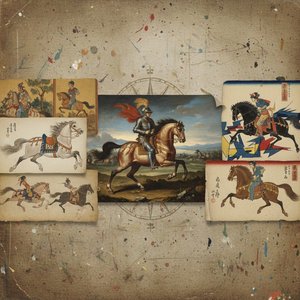
The Noble Steed on Canvas: A Historical & Artistic Exploration of Horse Painting Across Cultures
Explore the rich history of horse painting! Discover masterpieces from Stubbs to Munnings & learn about symbolism, techniques & artists. Find museum-quality reproductions at OriginalUniqueArt.

The Equine Muse: A Historical & Artistic Exploration of Horses in Painting
Explore the captivating history of horses in painting! Discover Renaissance masterpieces, Baroque grandeur & expert insights for collecting equestrian art. Learn about symbolism, techniques & lasting value with OriginalUniqueArt.
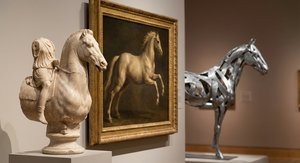
The Noble Steed: A Historical and Artistic Exploration of Horses in Fine Art
Explore the rich history of horses in fine art! From ancient depictions to Renaissance masterpieces & beyond, discover iconic artworks and artists. Learn about symbolism, techniques, and find museum-quality reproductions at OriginalUniqueArt.

