
 Anteprima in scala reale
 Invia
Invia Condividi
 Dettagli opera
 Guida
Guida

 Scarica
 Simili
 Radiografia
 Slideshow
 Q&A
Q&A Statistiche
The Gray Day

- 115.0 x 80.0 cm


 Espandi i dettagli
L'opera d'arte visualizzata in questa pagina è protetta dalle leggi sul diritto d'autore, il che significa che non possiamo legalmente creare o vendere una riproduzione identica. Tale protezione è garantita da accordi internazionali quali la Convenzione di Berna e dalle leggi nazionali, incluse quelle stabilite da Legge sul copyright degli Stati Uniti - Titolo 17. Tutti i diritti riservati. Le immagini presenti su questo sito sono protette da copyright e non possono essere riprodotte o utilizzate senza l'autorizzazione scritta di WahooArt.com o dei rispettivi proprietari del copyright.
Questo metodo è pienamente conforme alle normative sul diritto d'autore poiché non prevede la copia o la duplicazione dell'opera protetta. Si tratta invece di una rielaborazione creativa: un nuovo dipinto che trae ispirazione dall'originale, senza tuttavia esserne identico.
Giclée / Stampe d'arte
Stampa giclée o su tela di qualità museale, con produzione rapida e diverse opzioni di finitura. ( Acquista il dipinto realizzato a mano Passa all'immagine digitale)




P118B €10

P118H €10

P118W €10

P438Z €10

P508JH €12

P508YH €12

P805H €10

P805Z €10

P919BZ €10

P919G €10

P919XJ €10

P959ZH €10

P968JZ €12

W106C €8

W218G €10

W218JH €8

W218Y €10

W307PJ €10

W316G €10

W316PJ €8

W316Y €10

W398PJ €8

W4111J €10

W500HY €15

W500JH €15

W692G €12

W849H €8

W940BG €15

W953PJ €8




Scegli tra le nostre dimensioni predefinite, che rispettano le proporzioni originali dell'opera d'arte.

Inserisci la larghezza e l'altezza desiderate, per adattarle alla tua cornice o alla tua parete. Una stampa può essere solo ritagliata, mai resa più grande dell'immagine originale; pertanto, un formato con una forma differente comporterà la perdita di una parte dell'opera. Ti invieremo un mockup digitale da approvare prima di procedere con la stampa. L'immagine mostrata in questa pagina non rappresenta il ritaglio reale — solo il mockup lo mostra.
Consegna in tutto il mondo () in 2 settimane invece delle normali 4/5 settimane. (2 Novembre)

Spedizione espressa gratuita in tutto il mondo

Tela in lino di alta qualità

Assicurazione completa sulla spedizione

Garanzia di rimborso dei dazi doganali

Garanzia di fedeltà cromatica assoluta

Politica di reso entro 100 giorni (solo per difetti di fabbricazione)

Garanzia di rimborso al 100%

Offerta per acquisti multipli
 L'opzione vetro è disponibile solo per dimensioni inferiori a 110 cm

The Gray Day
Giclée / Stampe d'arte
Dimensioni riproduzione
-


Prezzo finale calcolato
€ 71
A Somber Reflection of a Shattered Era
In the hauntingly evocative oil on canvas titled “The Gray Day,” George Grosz invites viewers into the fractured psyche of Weimar Germany. Executed in 1921, this masterpiece serves as more than a mere depiction of urban life; it is a visceral, monochromatic window into an era defined by profound disillusionment and social upheaval. The painting captures a moment of heavy stillness, where the atmosphere feels thick with the residue of war and the uncertainty of a republic struggling to find its footing. Through his signature blend of unsettling realism and biting satire, Grosz transforms a simple street scene into a powerful indictment of a society caught in the grip of transition and decay.
The composition is anchored by two figures in the foreground, whose presence establishes a poignant tension between civilian existence and the lingering shadow of militarism. One man, clad in a formal suit and hat, engages in conversation with another figure wearing a military uniform topped with a striking red cap—a singular, sharp puncture of color in an otherwise muted world. This juxtaposition serves as a symbolic bridge between the domestic stability sought by the populace and the rigid, often violent, Prussian ethos that continued to haunt the German consciousness. As their silhouettes interact, the viewer is drawn into a silent dialogue about class, duty, and the shared anxiety of a generation.
Technique and the Aesthetic of Disillusionment
Grosz’s technical mastery in “The Gray Day” lies in his ability to use restraint to amplify emotional impact. Eschewing the vibrant palettes of his contemporaries, he employs a predominantly grayscale spectrum that mirrors the pervasive gloom of post-war Berlin. This monochromatic approach is not merely an aesthetic choice but a thematic one, reflecting the New Objectivity movement’s focus on the stark, unvarnished truths of reality. The artist utilizes bold, decisive lines to define the urban landscape, creating a sense of structural dynamism that prevents the somber mood from becoming stagnant.
Despite the overall gloom, Grosz’s attention to detail is meticulous. He captures the gritty textures of clothing and the industrial grit of the background with an almost surgical precision. In the distance, the silhouettes of buildings and rising smokestacks bleed into a heavy, overcast sky, symbolizing the relentless march of industrialization and the environmental and social pollution of the age. This careful layering of detail ensures that every element of the canvas—from the sharp edge of a lapel to the hazy smog of the horizon—contributing to a cohesive narrative of urban alienation.
A Timeless Masterpiece for the Discerning Collector
For art collectors and interior designers, “The Gray Day” offers a profound opportunity to possess a piece of history that transcends simple decoration. This painting is an intellectual powerhouse, providing a sophisticated focal point for spaces that value depth, narrative, and historical significance. Its muted tones and balanced composition make it an exceptionally versatile choice for modern interiors, where it can serve as a contemplative anchor amidst more contemporary or minimalist decor.
Owning a high-quality reproduction of this work allows one to bring the raw, emotive power of Dadaism into a private collection. It is a piece that invites long periods of study, rewarding the observer with new layers of meaning regarding the human condition and the resilience of the spirit amidst chaos. Whether displayed in a curated gallery setting or as a centerpiece in a thoughtfully designed living space, Grosz’s work remains an enduring testament to the ability of art to confront the darkest chapters of history with unflinching courage and unparalleled beauty.
Domande e risposte
In quale stanza si consiglia di collocare "The Gray Day" di George Grosz, considerando i suoi colori?
Grazie alla sua palette di colori Earthy, si consiglia di inserire "The Gray Day" in un/una Living Room.
Con quale tecnica è realizzata "The Gray Day" di George Grosz?
La tecnica utilizzata per "The Gray Day" di George Grosz è Oil On Canvas. Le riproduzioni mirano a restituire l'aspetto di questa tecnica.
Cosa rappresenta "The Gray Day" di George Grosz?
"The Gray Day" di George Grosz raffigura: dadaism, urban decay, social critique, satire, monochromatic palette, surrealism, zeitgeist.
Biografia dell'artista
Primi anni e influenze
George Grosz, nato Georg Ehrenfried Groß il 26 luglio 1893 a Berlino, Germania, crebbe in una famiglia luterana devota, con un padre proprietario di un pub. Dopo la morte del padre nel 1901, sua madre divenne responsabile della sala ufficiali degli ussari locali. La sua infanzia fu segnata da questa transizione e dall'inizio del suo percorso artistico sotto la guida di un pittore locale di nome Grot. Si dedicò allo studio meticoloso delle scene di bevute ed immaginarie battaglie di Eduard von Grützner, affinando le sue abilità attraverso la copia.Sviluppo Artistico e Formazione
Grosz proseguì i suoi studi all'Accademia di Belle Arti di Dresda (1909-1911) e successivamente al College of Arts and Crafts di Berlino. Queste esperienze formative contribuirono a plasmare il suo stile artistico distintivo, influenzato da diverse correnti artistiche del tempo.Opere Principali e Stile
- La Fossa (Das Schicksal): Un'opera emblematica del dadaismo di Grosz, che rappresenta una visione caotica e critica della società tedesca.
- L’Agitatore: Un dipinto surrealista che fonde il caos dell'epoca con colori vivaci e un forte commento sociale.
- I Pilastri della Società: Una satira pungente della borghesia tedesca, caratterizzata da figure grottesche e deformate.
- Il Dottor Billig: Uno schizzo satirico che critica l'élite e la medicina con distorsione espressionista e un commento sociale tagliente.
Esilio negli Stati Uniti e Eredità
Nel 1933, Grosz emigrò negli Stati Uniti, diventando cittadino naturalizzato nel 1938. Insegnò alla Art Students League of New York e continuò a esporre le sue opere fino al suo ritorno a Berlino, dove morì il 6 luglio 1959. La sua eredità continua ad essere celebrata attraverso le sue opere, che si trovano in numerosi musei in Germania e nel mondo. Grosz è ricordato come un artista coraggioso e innovativo, capace di esprimere con forza e originalità la sua visione critica della realtà.Appartenenza a Movimenti Artistici
- Dadaismo: Grosz fu una figura chiave nel movimento Dada berlinese, condividendone l'atteggiamento iconoclasta e il rifiuto delle convenzioni artistiche tradizionali.
- Nuova Oggettività (Neue Sachlichkeit): Successivamente aderì al movimento della Nuova Oggettività, che si caratterizzava per una rappresentazione realistica e critica della società tedesca del dopoguerra.
Collezioni Museali
Le opere di Grosz sono esposte in importanti musei, tra cui:- Kunstsammlungen und Museen Augsburg
- Kunsthalle Bielefeld
- Peggy Guggenheim Collection (Venezia)
- Whitney Museum of American Art (New York)
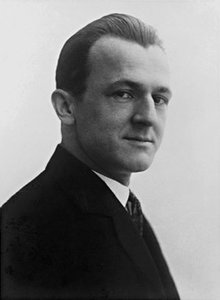
George Grosz
1893 - 1959 , Germania
Dettagli rapidi
- Artisti Influenti: ['Eduard von Grützner']
- Data Di Nascita: 26 luglio 1893
- Luogo Di Nascita: Berlino, Germania
- Movimento Artistico: Dadaismo, Nuova Oggettività
- Nazionalità: Tedesca, Americana
- Nome Completo: George Grosz
- Opere Notevoli:
- La fossa
- L'Agitatore
- I Pilastri della Società
- Attacco
- La Città
Articoli correlati

The Enduring Legacy of Oil on Canvas: Technique, History & Aesthetic Impact
Explore the rich history & techniques of oil painting – from Renaissance masters to Impressionism. Discover pigments, layering methods, and why this timeless medium endures. Expert insights for artists & art enthusiasts.

Georges Seurat: I 25 Capolavori che Rivoluzionarono la Pittura | OriginalUniqueArt
Esplora i 25 capolavori di Georges Seurat, il maestro del Pointillismo. Scopri la storia, le tecniche e l'emozione dietro dipinti iconici come 'Un dimanche à la Grande Jatte'. Trova riproduzioni d'arte di alta qualità per decorare casa tua su OriginalUniqueArt.com.

I 25 capolavori di Georges Braque: l'essenza del Cubismo
Scopri i 25 capolavori di Georges Braque e la rivoluzione del Cubismo. Esplora la collezione su OriginalUniqueArt.com.
I 10 Capolavori Pittorici Dominati dal Grigio Chiaro: Storia, Arte e Decorazioni Raffinate
Esplora i 10 dipinti più celebri dominati dal grigio chiaro. Scopri la storia, gli artisti e le tecniche dietro capolavori di Monet, Hopper e altri maestri. Trova stampe d'arte di alta qualità per decorare casa con .
I 10 Dipinti Più Famosi Dominati dal Grigio Scuro: Arte e Decorazioni Raffinate
Esplora i 10 dipinti più iconici dominati dal grigio scuro. Scopri le storie di Rembrandt, Goya e altri maestri, le loro tecniche e l'impatto emotivo delle opere. Trova riproduzioni d'arte di alta qualità per la tua casa su .


