
 Anteprima in scala reale
 Invia
Invia Condividi
 Dettagli opera
 Guida
Guida

 Scarica
 Simili
 Radiografia
 Slideshow
 Q&A
Q&A Statistiche
John the Murderer

- 81.0 x 86.0 cm


 Espandi i dettagli
L'opera d'arte visualizzata in questa pagina è protetta dalle leggi sul diritto d'autore, il che significa che non possiamo legalmente creare o vendere una riproduzione identica. Tale protezione è garantita da accordi internazionali quali la Convenzione di Berna e dalle leggi nazionali, incluse quelle stabilite da Legge sul copyright degli Stati Uniti - Titolo 17. Tutti i diritti riservati. Le immagini presenti su questo sito sono protette da copyright e non possono essere riprodotte o utilizzate senza l'autorizzazione scritta di WahooArt.com o dei rispettivi proprietari del copyright.
Questo metodo è pienamente conforme alle normative sul diritto d'autore poiché non prevede la copia o la duplicazione dell'opera protetta. Si tratta invece di una rielaborazione creativa: un nuovo dipinto che trae ispirazione dall'originale, senza tuttavia esserne identico.
Giclée / Stampe d'arte
Stampa giclée o su tela di qualità museale, con produzione rapida e diverse opzioni di finitura. ( Acquista il dipinto realizzato a mano Passa all'immagine digitale)




P118B €10

P118H €10

P118W €10

P438Z €10

P508JH €12

P508YH €12

P805H €10

P805Z €10

P919BZ €10

P919G €10

P919XJ €10

P959ZH €10

P968JZ €12

W106C €8

W218G €10

W218JH €8

W218Y €10

W307PJ €10

W316G €10

W316PJ €8

W316Y €10

W398PJ €8

W4111J €10

W500HY €15

W500JH €15

W692G €12

W849H €8

W940BG €15

W953PJ €8




Scegli tra le nostre dimensioni predefinite, che rispettano le proporzioni originali dell'opera d'arte.

Inserisci la larghezza e l'altezza desiderate, per adattarle alla tua cornice o alla tua parete. Una stampa può essere solo ritagliata, mai resa più grande dell'immagine originale; pertanto, un formato con una forma differente comporterà la perdita di una parte dell'opera. Ti invieremo un mockup digitale da approvare prima di procedere con la stampa. L'immagine mostrata in questa pagina non rappresenta il ritaglio reale — solo il mockup lo mostra.
Consegna in tutto il mondo () in 2 settimane invece delle normali 4/5 settimane. (31 Ottobre)

Spedizione espressa gratuita in tutto il mondo

Tela in lino di alta qualità

Assicurazione completa sulla spedizione

Garanzia di rimborso dei dazi doganali

Garanzia di fedeltà cromatica assoluta

Politica di reso entro 100 giorni (solo per difetti di fabbricazione)

Garanzia di rimborso al 100%

Offerta per acquisti multipli
 L'opzione vetro è disponibile solo per dimensioni inferiori a 110 cm

John the Murderer
Giclée / Stampe d'arte
Dimensioni riproduzione
-


Prezzo finale calcolato
€ 71
A Glimpse into Moral Ambiguity: George Grosz's "John the Murderer"
To stand before George Grosz’s John the Murderer is not merely to observe a painting; it is to confront a raw, unsettling moment of human frailty. Created in the charged atmosphere of 1918, this oil on canvas piece transcends simple portraiture or narrative scene-setting. Instead, it plunges the viewer into a world steeped in moral ambiguity and societal decay. The composition itself—a man holding a woman suspended above him, observed by another figure in the background—is immediately arresting, forcing an uncomfortable intimacy upon all who gaze upon it. Grosz, ever the unflinching chronicler of his time, uses this visceral tableau to dissect the underbelly of human nature.
The Language of Cubism and Fragmentation
Technically, the painting is a masterful deployment of Cubist elements. This style, which allowed artists like Picasso to shatter conventional perspectives, serves here not just as an aesthetic choice but as a profound commentary on reality itself. The fragmentation inherent in the technique mirrors the fractured social order that defined post-war Berlin. Grosz refuses the viewer the comfort of a single, stable viewpoint; instead, we are presented with multiple angles simultaneously, contributing to an overall feeling of unease and psychological tension. This visual disorder is key to understanding the painting's emotional weight.
Symbolism in the Domesticated Horror
What elevates John the Murderer beyond mere sensationalism is Grosz’s meticulous placement of seemingly innocuous objects. Scattered throughout the scene are vases and a potted plant—symbols traditionally associated with domesticity, order, and fragile beauty. These elements act as a devastating counterpoint to the violence unfolding at the center. They whisper of normalcy in the face of atrocity, suggesting that the capacity for brutality can bloom unexpectedly within the most mundane settings. This juxtaposition forces us to question where the line between civilization and savagery truly lies.
A Reflection on Weimar Turmoil
George Grosz’s biography paints him as a satirist who lived through epochs of profound political upheaval, particularly the volatile Weimar Republic. John the Murderer is steeped in this historical context; it functions as a furious indictment rendered with jagged lines and grotesque caricature. It speaks to the moral rot that permeated the era—a time when societal structures seemed brittle enough to shatter under the weight of ideological fervor. Owning or displaying a reproduction of this work is therefore not just an aesthetic choice for one's interior, but a sophisticated nod to 20th-century social critique.
Bringing the Edge Home
For those who appreciate art that demands contemplation rather than passive admiration, this piece offers unparalleled depth. The combination of Grosz’s biting satire, the intellectual rigor of Cubism, and the unsettling symbolism of everyday objects makes John the Murderer a powerful focal point for any discerning collector or designer. It is an artwork that does not whisper its message; it confronts you with it, ensuring that every viewing becomes a charged moment of reflection on morality, power, and the fragile veneer of civilization.
Domande e risposte
Che emozione trasmettono i colori di "John the Murderer" di George Grosz?
In "John the Murderer", i colori di Dark accompagnano una sensazione Tense.
In che modo il soggetto di "John the Murderer" si relaziona ai temi abituali di George Grosz?
"John the Murderer" raffigura cubism, violence, social critique, nudity, figurative art, berlin art, human nature, mentre i temi ricorrenti di George Grosz sono cubist fragmentation of modern life, critique of weimar society's decay, political satire on human depravity, early grosz social commentary. Il confronto tra i due evidenzia come l'opera si relazioni con i soggetti abituali dell'artista.
"John the Murderer" di George Grosz è di pubblico dominio?
"John the Murderer" di George Grosz è ancora protetta dal diritto d'autore. Questo stato determina le modalità con cui l'immagine dell'opera può essere riprodotta.
Biografia dell'artista
Primi anni e influenze
George Grosz, nato Georg Ehrenfried Groß il 26 luglio 1893 a Berlino, Germania, crebbe in una famiglia luterana devota, con un padre proprietario di un pub. Dopo la morte del padre nel 1901, sua madre divenne responsabile della sala ufficiali degli ussari locali. La sua infanzia fu segnata da questa transizione e dall'inizio del suo percorso artistico sotto la guida di un pittore locale di nome Grot. Si dedicò allo studio meticoloso delle scene di bevute ed immaginarie battaglie di Eduard von Grützner, affinando le sue abilità attraverso la copia.Sviluppo Artistico e Formazione
Grosz proseguì i suoi studi all'Accademia di Belle Arti di Dresda (1909-1911) e successivamente al College of Arts and Crafts di Berlino. Queste esperienze formative contribuirono a plasmare il suo stile artistico distintivo, influenzato da diverse correnti artistiche del tempo.Opere Principali e Stile
- La Fossa (Das Schicksal): Un'opera emblematica del dadaismo di Grosz, che rappresenta una visione caotica e critica della società tedesca.
- L’Agitatore: Un dipinto surrealista che fonde il caos dell'epoca con colori vivaci e un forte commento sociale.
- I Pilastri della Società: Una satira pungente della borghesia tedesca, caratterizzata da figure grottesche e deformate.
- Il Dottor Billig: Uno schizzo satirico che critica l'élite e la medicina con distorsione espressionista e un commento sociale tagliente.
Esilio negli Stati Uniti e Eredità
Nel 1933, Grosz emigrò negli Stati Uniti, diventando cittadino naturalizzato nel 1938. Insegnò alla Art Students League of New York e continuò a esporre le sue opere fino al suo ritorno a Berlino, dove morì il 6 luglio 1959. La sua eredità continua ad essere celebrata attraverso le sue opere, che si trovano in numerosi musei in Germania e nel mondo. Grosz è ricordato come un artista coraggioso e innovativo, capace di esprimere con forza e originalità la sua visione critica della realtà.Appartenenza a Movimenti Artistici
- Dadaismo: Grosz fu una figura chiave nel movimento Dada berlinese, condividendone l'atteggiamento iconoclasta e il rifiuto delle convenzioni artistiche tradizionali.
- Nuova Oggettività (Neue Sachlichkeit): Successivamente aderì al movimento della Nuova Oggettività, che si caratterizzava per una rappresentazione realistica e critica della società tedesca del dopoguerra.
Collezioni Museali
Le opere di Grosz sono esposte in importanti musei, tra cui:- Kunstsammlungen und Museen Augsburg
- Kunsthalle Bielefeld
- Peggy Guggenheim Collection (Venezia)
- Whitney Museum of American Art (New York)
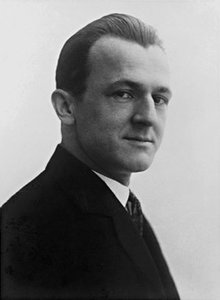
George Grosz
1893 - 1959 , Germania
Dettagli rapidi
- Artisti Influenti: ['Eduard von Grützner']
- Data Di Nascita: 26 luglio 1893
- Luogo Di Nascita: Berlino, Germania
- Movimento Artistico: Dadaismo, Nuova Oggettività
- Nazionalità: Tedesca, Americana
- Nome Completo: George Grosz
- Opere Notevoli:
- La fossa
- L'Agitatore
- I Pilastri della Società
- Attacco
- La Città
Articoli correlati

Georges Seurat: I 25 Capolavori che Rivoluzionarono la Pittura | OriginalUniqueArt
Esplora i 25 capolavori di Georges Seurat, il maestro del Pointillismo. Scopri la storia, le tecniche e l'emozione dietro dipinti iconici come 'Un dimanche à la Grande Jatte'. Trova riproduzioni d'arte di alta qualità per decorare casa tua su OriginalUniqueArt.com.

Giclée Prints: Archival Quality & Aesthetic Nuances for the Discerning Collector
Explore the world of giclée prints with OriginalUniqueArt. Learn about archival quality, aesthetic nuances & investment potential. Expert guidance for discerning art collectors seeking museum-quality reproductions and lasting value.

The Enduring Legacy of Fine Art Prints: Technique, History & Aesthetic Impact
Explore the rich history & techniques of fine art prints. Discover investment potential, assess authenticity, and learn how to preserve your collection with expert guidance. Trusted insights for discerning collectors.

Echoes of Time: Exploring the Enduring Appeal & Historical Context of Vintage Art Prints
Explore the captivating world of vintage art prints! Discover their history, collecting tips & enduring appeal. Expert insights on chromolithography and building a legacy collection with OriginalUniqueArt.

I 25 capolavori di Georges Braque: l'essenza del Cubismo
Scopri i 25 capolavori di Georges Braque e la rivoluzione del Cubismo. Esplora la collezione su OriginalUniqueArt.com.


