

 Anteprima in scala reale
 Invia
Invia Condividi
 Dettagli opera
 Guida
Guida

 Scarica
 Simili
 Radiografia
 Slideshow
 Statistiche
Erotic scene


 Espandi i dettagli
L'opera d'arte visualizzata in questa pagina è protetta dalle leggi sul diritto d'autore, il che significa che non possiamo legalmente creare o vendere una riproduzione identica. Tale protezione è garantita da accordi internazionali quali la Convenzione di Berna e dalle leggi nazionali, incluse quelle stabilite da Legge sul copyright degli Stati Uniti - Titolo 17. Tutti i diritti riservati. Le immagini presenti su questo sito sono protette da copyright e non possono essere riprodotte o utilizzate senza l'autorizzazione scritta di WahooArt.com o dei rispettivi proprietari del copyright.
Come alternativa rispettosa e legale, offriamo opere d'arte personalizzate e dipinte a mano, ispirate all'originale. I nostri artisti esperti e professionisti studiano con cura lo stile, l'atmosfera e l'essenza artistica dell'opera originale per creare un pezzo nuovo e unico che evochi la stessa emozione, pur rimanendo una creazione originale a pieno titolo.
Questo metodo è pienamente conforme alle normative sul diritto d'autore poiché non prevede la copia o la duplicazione dell'opera protetta. Si tratta invece di una rielaborazione creativa: un nuovo dipinto che trae ispirazione dall'originale, senza tuttavia esserne identico.
Riproduzione a olio fatta a mano
Olio su tela dipinto a mano nelle tue dimensioni e con la tua cornice, realizzato su ordinazione dai nostri artisti. ( Passa alle stampe Passa all'immagine digitale)




P118B €10

P118H €10

P118W €10

P438Z €10

P508JH €12

P508YH €12

P805H €10

P805Z €10

P919BZ €10

P919G €10

P919XJ €10

P959ZH €10

P968JZ €12

W106C €8

W218G €10

W218JH €8

W218Y €10

W307PJ €10

W316G €10

W316PJ €8

W316Y €10

W398PJ €8

W4111J €10

W500HY €15

W500JH €15

W692G €12

W849H €8

W940BG €15

W953PJ €8




Scegli tra le nostre dimensioni predefinite, che rispettano le proporzioni originali dell'opera d'arte.

Inserisci la larghezza e l'altezza desiderate, per adattarle alla tua cornice o alla tua parete. Trattandosi di un'opera dipinta a mano, in caso di dimensioni con un formato differente, l'artista può estendere leggermente il dipinto oltre i bordi dell'immagine o ritagliare una piccola parte — la scelta spetta a te. Ti invieremo un mockup digitale da approvare prima che la realizzazione abbia inizio. L'immagine mostrata in questa pagina non rappresenta il risultato finale — solo il mockup lo fa.
Dopo l'ordine, il team di OriginalUniqueArt.com contatterà il cliente via e-mail per ricevere le istruzioni e fornirà un'anteprima del mockup
Consegna in tutto il mondo () in 3/4 settimane anziché nelle normali 5 settimane. (25 Ottobre). Nessun compromesso sulla qualità.

Spedizione espressa gratuita in tutto il mondo

Tela in lino di alta qualità

Assicurazione completa sulla spedizione

Garanzia di rimborso dei dazi doganali

Garanzia di fedeltà cromatica assoluta

Politica di reso entro 100 giorni (solo per difetti di fabbricazione)

Garanzia di rimborso al 100%

Offerta per acquisti multipli
 L'opzione vetro è disponibile solo per dimensioni inferiori a 110 cm

Erotic scene
Tecnica di riproduzione
Dimensioni riproduzione
-


Prezzo finale calcolato
€ 285
A Raw Examination of Desire: George Grosz's Erotic Scene
George Grosz’s “Erotic Scene,” painted in watercolor on paper, is more than just a depiction of intimacy; it’s a searing indictment of the moral and social landscape of early 20th-century Germany. Created during the turbulent years of the Weimar Republic – a period defined by rapid industrialization, political instability, and a growing sense of societal decay – this artwork embodies Grosz's signature style: a brutally honest portrayal of human vulnerability and corruption. The scene unfolds with an arresting immediacy, capturing two figures locked in a passionate embrace, rendered with a deliberate lack of sentimentality that reflects the artist’s profound disillusionment.
- Historical Context: Grosz's work emerged from a period of immense social upheaval. The rise of fascism and the erosion of traditional values fueled his artistic rebellion, prompting him to expose the hypocrisy and moral bankruptcy he saw within German society.
- The Artist’s Vision: Grosz rejected academic conventions early in his career, prioritizing emotional impact over technical perfection. This is evident in the loose brushwork and distorted forms that contribute to the painting's unsettling power.
Technique and Materiality – A Dance of Wet Watercolor
The artwork’s remarkable effect stems directly from Grosz’s masterful manipulation of watercolor, a medium he embraced with an almost obsessive intensity. The dominant technique is “wet-on-wet,” where washes of color are applied to damp paper, allowing them to bleed and blend seamlessly. This creates a sense of fluidity and movement that perfectly captures the dynamism of the embrace. Hatching and cross-hatching are employed subtly for shading, adding depth without sacrificing the overall softness. The visible texture of the paper grain – a hallmark of watercolor – isn’t merely an accident; it's deliberately incorporated to enhance the tactile quality of the piece and evoke a sense of raw vulnerability.
- Layering and Glazing: Grosz skillfully utilizes layering and glazing techniques, building up tones gradually to achieve depth and luminosity.
- Material Choices: The use of watercolor on paper is crucial to the artwork’s aesthetic – it lends itself perfectly to the impressionistic style and the artist's desire to convey emotion over precise representation.
Symbolism, Emotion, and a Flattened Reality
The composition itself is deliberately unsettling. The figures are arranged in a central, almost claustrophobic space, their bodies intertwined with an intensity that borders on desperation. The flattened perspective – a deliberate rejection of traditional spatial realism – further intensifies the emotional impact, drawing the viewer into the scene and fostering a sense of intimacy and vulnerability. The muted color palette – dominated by pinks, creams, browns, and grays – contributes to the artwork’s melancholic atmosphere, suggesting a profound sadness beneath the surface of desire. The lack of sharp lines or defined edges reinforces this feeling, creating an impression of fragility and impermanence.
- Emotional Resonance: The painting evokes feelings of sensuality, vulnerability, and perhaps even a touch of despair – mirroring Grosz’s broader exploration of human suffering.
- Symbolic Weight: The scene can be interpreted as a metaphor for the loss of innocence and the destructive forces at play within society.
A Legacy of Social Commentary
“Erotic Scene” stands as a testament to George Grosz’s unwavering commitment to social realism and his willingness to confront uncomfortable truths. It's a powerful reminder of the artist's ability to translate personal disillusionment into a universally resonant critique of human nature and societal decay. This reproduction offers an unparalleled opportunity to experience firsthand the raw power and enduring relevance of one of Grosz’s most iconic works – a piece that continues to provoke, challenge, and captivate viewers over a century after its creation.
Domande e risposte
È disponibile un download ad alta risoluzione di "Erotic scene"?
È possibile acquistare un'immagine digitale di "Erotic scene" di George Grosz nella sua pagina Immagine digitale ad alta risoluzione: download di un'immagine digitale ad alta risoluzione.
Chi è l'autore di "Erotic scene" e a quale movimento appartiene?
"Erotic scene" è stata creata da George Grosz in stile Expressionistic Satire. L'artista e il movimento definiscono la tradizione dell'opera.
Qual è il ruolo di "Erotic scene" di George Grosz nella storia dell'arte?
Storicamente, "Erotic scene" è un'opera Expressionistic Satire appartenente alla più ampia epoca 19th Century.
Biografia dell'artista
Primi anni e influenze
George Grosz, nato Georg Ehrenfried Groß il 26 luglio 1893 a Berlino, Germania, crebbe in una famiglia luterana devota, con un padre proprietario di un pub. Dopo la morte del padre nel 1901, sua madre divenne responsabile della sala ufficiali degli ussari locali. La sua infanzia fu segnata da questa transizione e dall'inizio del suo percorso artistico sotto la guida di un pittore locale di nome Grot. Si dedicò allo studio meticoloso delle scene di bevute ed immaginarie battaglie di Eduard von Grützner, affinando le sue abilità attraverso la copia.Sviluppo Artistico e Formazione
Grosz proseguì i suoi studi all'Accademia di Belle Arti di Dresda (1909-1911) e successivamente al College of Arts and Crafts di Berlino. Queste esperienze formative contribuirono a plasmare il suo stile artistico distintivo, influenzato da diverse correnti artistiche del tempo.Opere Principali e Stile
- La Fossa (Das Schicksal): Un'opera emblematica del dadaismo di Grosz, che rappresenta una visione caotica e critica della società tedesca.
- L’Agitatore: Un dipinto surrealista che fonde il caos dell'epoca con colori vivaci e un forte commento sociale.
- I Pilastri della Società: Una satira pungente della borghesia tedesca, caratterizzata da figure grottesche e deformate.
- Il Dottor Billig: Uno schizzo satirico che critica l'élite e la medicina con distorsione espressionista e un commento sociale tagliente.
Esilio negli Stati Uniti e Eredità
Nel 1933, Grosz emigrò negli Stati Uniti, diventando cittadino naturalizzato nel 1938. Insegnò alla Art Students League of New York e continuò a esporre le sue opere fino al suo ritorno a Berlino, dove morì il 6 luglio 1959. La sua eredità continua ad essere celebrata attraverso le sue opere, che si trovano in numerosi musei in Germania e nel mondo. Grosz è ricordato come un artista coraggioso e innovativo, capace di esprimere con forza e originalità la sua visione critica della realtà.Appartenenza a Movimenti Artistici
- Dadaismo: Grosz fu una figura chiave nel movimento Dada berlinese, condividendone l'atteggiamento iconoclasta e il rifiuto delle convenzioni artistiche tradizionali.
- Nuova Oggettività (Neue Sachlichkeit): Successivamente aderì al movimento della Nuova Oggettività, che si caratterizzava per una rappresentazione realistica e critica della società tedesca del dopoguerra.
Collezioni Museali
Le opere di Grosz sono esposte in importanti musei, tra cui:- Kunstsammlungen und Museen Augsburg
- Kunsthalle Bielefeld
- Peggy Guggenheim Collection (Venezia)
- Whitney Museum of American Art (New York)
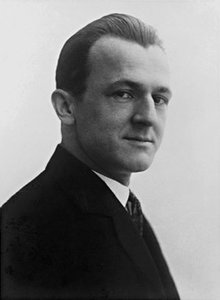
George Grosz
1893 - 1959 , Germania
Dettagli rapidi
- Artisti Influenti: ['Eduard von Grützner']
- Data Di Nascita: 26 luglio 1893
- Luogo Di Nascita: Berlino, Germania
- Movimento Artistico: Dadaismo, Nuova Oggettività
- Nazionalità: Tedesca, Americana
- Nome Completo: George Grosz
- Opere Notevoli:
- La fossa
- L'Agitatore
- I Pilastri della Società
- Attacco
- La Città
Articoli correlati

Liquid Gold: Master the Bold & Fluid Power of Watercolor Art
Unlock the bold energy of watercolor art. From historical masterpieces to custom photo-to-watercolor transformations, discover how to master the fluid power of light and pigment for your modern space. Expertly curated, high-impact art for the contemporary collector.

Ephemeral Visions: Exploring the Artistic Legacy & Contemporary Practice of Watercolor Painting
Explore the captivating world of watercolor painting! Discover its rich history, essential techniques, influential artists & collecting tips. A comprehensive guide for art enthusiasts from OriginalUniqueArt.

Ephemeral Visions: Exploring the History & Emotional Resonance of Watercolor Painting
Explore the captivating history of watercolor painting, from ancient techniques to modern masters like Kandinsky & Blake. Discover essential artists, collecting tips & the emotional power of this luminous medium. Expert insights for art enthusiasts.

I 10 Capolavori dell'Acquerello che Hanno Rivoluzionato l'Arte | OriginalUniqueArt
Esplora i 10 capolavori dell'acquerello che hanno cambiato la storia dell'arte! Da Turner a Monet, scopri le storie e le tecniche di questi artisti iconici. Trova riproduzioni di alta qualità e idee per decorare casa con OriginalUniqueArt.com.

Ephemeral Visions: Exploring the Artistic Legacy & Nuances of Watercolor Painting
Explore the captivating world of watercolor painting! Discover its rich history, essential techniques, influential artists & collecting tips from art experts. A comprehensive guide for enthusiasts.


