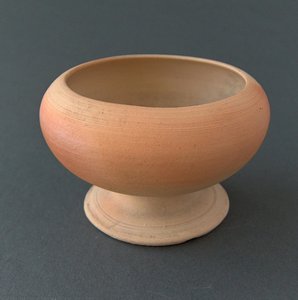
Anteprima in scala reale
 Condividi
 Condividi
 Dettagli
 Guida stampabile

 Scarica
 Articoli simili
 Radiografia
 Slideshow
 Statistiche
Creamer


 Leggi tutto
Giclée / Stampe d'arte
Stampa giclée o su tela di qualità museale, con produzione rapida e diverse opzioni di finitura. ( Ordina la riproduzione dipinta a mano Passa all'immagine digitale)




P118B $10

P118H $10

P118W $10

P438Z $10

P508JH $12

P508YH $12

P805H $10

P805Z $10

P919BZ $10

P919G $10

P919XJ $10

P959ZH $10

P968JZ $12

W106C $8

W218G $10

W218JH $8

W218Y $10

W307PJ $10

W316G $10

W316PJ $8

W316Y $10

W398PJ $8

W4111J $10

W500HY $15

W500JH $15

W692G $12

W849H $8

W940BG $15

W953PJ $8




Scegli tra le nostre dimensioni predefinite, che rispettano le proporzioni originali dell'opera d'arte.

È possibile inserire dimensioni personalizzate per adattare l'opera a una cornice o a uno spazio specifico. Se la dimensione selezionata non corrisponde alle proporzioni dell'immagine originale, procederemo al ritaglio dell'opera o all'estensione dell'immagine con un bordo specchiato o a tinta unita. Un mockup digitale ti verrà inviato per approvazione prima dell'inizio della produzione.
Si prega di notare che l'anteprima a schermo non riflette il ritaglio o l'estensione effettivi. Solo il mockup mostrerà accuratamente la composizione finale.
Sebbene siano disponibili dimensioni personalizzate, si raccomanda di selezionare una dimensione dall'elenco predefinito per preservare le proporzioni originali.
Consegna in tutto il mondo () in 2 settimane invece delle normali 4/5 settimane. (27 Settembre)

Spedizione espressa gratuita in tutto il mondo

Tela in lino di alta qualità

Assicurazione completa sulla spedizione

Garanzia di rimborso dei dazi doganali

Garanzia di perfetta fedeltà cromatica

Politica di reso entro 100 giorni (solo per difetti di fabbricazione)

Garanzia di rimborso al 100%

Sconto per acquisti multipli
 L'opzione vetro è disponibile solo per dimensioni inferiori a 110 cm

Creamer
Giclée / Stampe d'arte
Dimensioni della riproduzione
-


Prezzo totale
$ 80
A Dance of Fire and Clay: Unveiling George Edgar Ohr’s “Creamer”
George Edgar Ohr, affectionately dubbed the "Mad Potter of Biloxi," wasn't merely a ceramicist; he was a revolutionary, a provocateur who shattered conventional notions of form and function within the world of art. His work, particularly pieces like “Creamer,” embodies this spirit – a vibrant explosion of texture, color, and unapologetic experimentation that foreshadowed much of 20th-century abstract expressionism. “Creamer,” created around 1908, isn’t simply a pitcher; it's a captured moment of molten energy, a testament to Ohr’s relentless pursuit of artistic freedom and his profound understanding of the inherent beauty within imperfection. The piece immediately commands attention with its audacious palette – a swirling vortex of deep reds, fiery oranges, sun-baked yellows, and earthy browns that seem to pulse with an internal heat. These aren't carefully blended hues; rather, they’re layered glazes applied with a deliberate roughness, mimicking the chaotic yet controlled process of metalworking or even volcanic activity. The surface is far from smooth; it’s deliberately textured with ridges, drips, and pools of glaze, creating a tactile experience that invites close inspection – a direct challenge to the polished perfection often associated with traditional ceramics.The Biloxi Crucible: Contextualizing Ohr's Innovation
Ohr’s artistic journey was inextricably linked to his birthplace, Biloxi, Mississippi—a port city steeped in maritime history and brimming with diverse cultural influences. This unique environment profoundly shaped his aesthetic sensibilities. He initially worked as a utilitarian potter, producing functional wares for the local community. However, he quickly grew dissatisfied with this limited role, yearning to explore the expressive potential of clay. The fires that frequently ravaged Biloxi – devastating both physically and emotionally – became a crucial catalyst for his artistic evolution. These destructive events, particularly the 1894 fire that consumed his studio and much of his work, served as a powerful impetus for experimentation. He began to embrace the accidental, the broken, and the imperfect, transforming these losses into opportunities for innovation. This period saw him moving away from rigid forms and embracing techniques like “throwing” – creating shapes by hand without using a potter’s wheel—and layering glazes in ways that defied conventional ceramic practices.A Symphony of Texture: Technique and Materiality
The creation of "Creamer" exemplifies Ohr's distinctive technique, a masterful blend of intuition and controlled chaos. He didn’t adhere to established methods; instead, he developed his own unique approach, often working directly on the clay surface with tools like knives, spatulas, and even his hands. The layering of glazes is particularly noteworthy – multiple applications were built up over time, creating a complex interplay of color and texture. The deliberate roughness isn’t simply accidental; it's a conscious choice to emphasize the materiality of the clay itself, celebrating its inherent irregularities and imperfections. Ohr’s use of glaze was revolutionary for his time, moving beyond traditional transparent glazes to create opaque, richly pigmented surfaces that seemed to glow from within. The piece is a testament to his mastery of material – he coaxed extraordinary effects from humble clay and simple glazes, transforming them into something truly remarkable.Symbolism in the Shimmer: Interpretation and Emotional Resonance
While Ohr himself resisted definitive interpretations of his work, “Creamer” undeniably resonates with themes of transformation, resilience, and the beauty of imperfection. The fiery colors evoke images of molten metal – a primal force both destructive and creative. This imagery can be interpreted as a reflection of Biloxi’s history, its vulnerability to storms and fires, yet also its enduring spirit. The piece's irregular forms suggest a rejection of rigid order and an embrace of spontaneity and chance. The “Creamer” itself—a vessel designed for holding cream—adds another layer of complexity. It’s a seemingly mundane object elevated to the realm of art through Ohr’s transformative vision, suggesting that even the most ordinary things can be imbued with extraordinary beauty and meaning. The overall effect is one of intense energy and emotional depth – a captivating invitation to contemplate the power of creativity and the acceptance of imperfection.Biografia dell'artista
George Edgar Ohr: The Singular Vision of Biloxi
George Edgar Ohr, a name synonymous with innovation and eccentricity in the world of American ceramics, was born on July 12, 1857, in the coastal city of Biloxi, Mississippi. His parents, German immigrants seeking new opportunities, instilled in him a strong work ethic and perhaps a touch of the Old World’s artistic sensibility. However, it was the unique environment of Biloxi – a melting pot of cultures and a source of readily available clay – that truly nurtured his burgeoning talent. Ohr wasn’t simply a potter; he was an explorer of form, texture, and glaze, relentlessly pushing the boundaries of what ceramic art could be. He embraced the moniker “Mad Potter of Biloxi,” not as a dismissal, but as a proud declaration of his unconventional approach and unwavering dedication to artistic freedom.
Early Influences and Artistic Awakening
Ohr’s journey into ceramics began somewhat serendipitously. After a restless youth spent trying various trades in New Orleans, he found himself apprenticed to Joseph Fortune Meyer, a potter with connections to the Arts & Crafts movement. This apprenticeship provided Ohr with a solid foundation in traditional techniques, but it was his subsequent travels – a sixteen-state tour of American potteries – that ignited his creative spark. He absorbed diverse methods and styles, yet he wasn’t content to merely replicate; he sought to transcend convention. He returned to Biloxi determined to forge his own path, establishing his “Biloxi Art and Novelty Pottery” where he could fully realize his artistic vision. The clay from the nearby Tchoutacabouffa River became his medium, and his hands, his instruments of transformation.
A Revolution in Clay: Technique and Innovation
Ohr’s work stands apart due to its radical departure from prevailing ceramic norms. While many potters focused on functionality and symmetrical forms, Ohr embraced asymmetry, distortion, and a deliberate rejection of perfection. He pioneered techniques like twisting, crumpling, folding, and stretching the clay while still wet, creating vessels that seemed to defy gravity and challenge expectations. His glazes were equally experimental – vibrant, unpredictable, and often resembling molten metal or iridescent jewels. He wasn’t interested in simply decorating pottery; he was sculpting with color and light. He thinned his walls to an almost impossible degree, achieving a delicacy rarely seen in ceramics. This daring approach, combined with his unique glazes, resulted in pieces that were both visually stunning and structurally audacious. His work foreshadowed the abstract expressionist movement decades before it fully emerged, demonstrating a willingness to prioritize form and emotion over representational accuracy.
Years of Isolation and Rediscovery
Despite his innovative spirit, Ohr struggled for recognition during his lifetime. The public wasn’t always ready for his radical designs, and he often found himself at odds with prevailing tastes. Frustrated by the lack of appreciation and unwilling to compromise his artistic integrity, he ceased production around 1910, meticulously packing away thousands of pieces in his studio. He requested that his family leave the collection untouched for fifty years after his death, believing that future generations would be more receptive to his work. Sadly, Ohr passed away on April 7, 1918, during the influenza pandemic, largely unknown outside of Biloxi. It wasn’t until the late 1960s and early 1970s that his genius was finally recognized. James Carpenter, an antiques dealer, discovered the hidden trove of pottery and began to champion Ohr's work, introducing it to a wider audience. The rediscovery sparked a renewed interest in American ceramics and cemented Ohr’s place as one of the most important figures in American ceramic history.
Legacy and Enduring Influence
Today, George Edgar Ohr is celebrated as one of the most influential artists of his era. His uncompromising vision—a refusal to conform to artistic conventions—continues to inspire contemporary creators. Ohr’s contribution transcends mere craftsmanship; he fundamentally altered perceptions of beauty and challenged established aesthetic standards. He demonstrated that true artistic expression requires courage, independence, and an unwavering commitment to one’s own creative impulses. The “Mad Potter of Biloxi” may have been ahead of his time, but his legacy persists—a testament to the transformative power of artistic innovation and a beacon for those who dare to forge their own distinctive path.

George Edgar Ohr (Il Poterino Pazzo di Biloxi)
1857 - 1918 , Stati Uniti d'America
Informazioni rapide
- Artistic Movement Or Style: Espressionismo Astratto
- Artists Or Movements Influenced By This Artist: ['Movimento Ceramico Americano']
- Artists Who Influenced This Artist: ['Joseph Fortune Meyer']
- Date Of Birth: 12 luglio 1857
- Date Of Death: 7 aprile 1918
- Full Name: George Edgar Ohr
- Nationality: Americano
- Notable Artworks:
- Tazza
- Teiera
- Piatto
- Place Of Birth: Biloxi, USA
Articoli correlati

Georges Braque: I 25 Capolavori che Hanno Rivoluzionato l'Arte Moderna | OriginalUniqueArt
Esplora i 25 capolavori di Georges Braque, pioniere del Cubismo. Scopri la storia, le tecniche e l'impatto di opere iconiche come 'The Patience'. Trova riproduzioni d'arte di alta qualità per decorare casa tua su OriginalUniqueArt.com.

Espressionismo Astratto: I 10 Capolavori che Hanno Definito un Movimento Artistico Rivoluzionario
Esplora i 10 capolavori dell'Espressionismo Astratto con ! Scopri Pollock, Rothko e De Kooning: storia, tecnica e significato di opere iconiche per arredare la tua casa con arte di alta qualità. Esplora la collezione online!
The Art of Ceramics: A Guide to Mastery, Texture, and Timeless Form for the Discerning Collector
Explore the profound elegance of ceramic art. From master glazes to sculptural forms, our expert guide offers discerning collectors deep insights into the mastery, texture, and timeless value of fine ceramics for sophisticated collections and luxury interiors.

Georges Seurat: I 25 Capolavori che Rivoluzionarono la Pittura | OriginalUniqueArt
Esplora i 25 capolavori di Georges Seurat, il maestro del Pointillismo. Scopri la storia, le tecniche e l'emozione dietro dipinti iconici come 'Un dimanche à la Grande Jatte'. Trova riproduzioni d'arte di alta qualità per decorare casa tua su OriginalUniqueArt.com.

The Alchemy of Clay: A Collector's Guide to the Mastery, Texture, and Timeless Form of Ceramic Art
Discover the profound beauty of ceramic art. Our expert guide explores the alchemy of clay, texture, and glaze, offering collectors deep insights into mastering earth and fire to create timeless, sculptural masterpieces for any curated collection.