Anteprima in scala reale
 Invia
Invia Condividi
 Dettagli opera
 Guida
Guida

 Scarica
 Simili
 Radiografia
 Slideshow
 Q&A
Q&A Statistiche
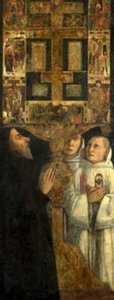
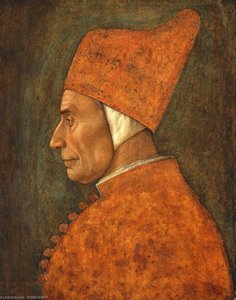
A Turkish Janissary


 Espandi i dettagli
Giclée / Stampe d'arte
Stampa giclée o su tela di qualità museale, con produzione rapida e diverse opzioni di finitura. ( Acquista il dipinto realizzato a mano Passa all'immagine digitale)




P118B €10

P118H €10

P118W €10

P438Z €10

P508JH €12

P508YH €12

P805H €10

P805Z €10

P919BZ €10

P919G €10

P919XJ €10

P959ZH €10

P968JZ €12

W106C €8

W218G €10

W218JH €8

W218Y €10

W307PJ €10

W316G €10

W316PJ €8

W316Y €10

W398PJ €8

W4111J €10

W500HY €15

W500JH €15

W692G €12

W849H €8

W940BG €15

W953PJ €8




Scegli tra le nostre dimensioni predefinite, che rispettano le proporzioni originali dell'opera d'arte.

Inserisci la larghezza e l'altezza desiderate, per adattarle alla tua cornice o alla tua parete. Una stampa può essere solo ritagliata, mai resa più grande dell'immagine originale; pertanto, un formato con una forma differente comporterà la perdita di una parte dell'opera. Ti invieremo un mockup digitale da approvare prima di procedere con la stampa. L'immagine mostrata in questa pagina non rappresenta il ritaglio reale — solo il mockup lo mostra.
Consegna in tutto il mondo () in 2 settimane invece delle normali 4/5 settimane. (1 Novembre)

Spedizione espressa gratuita in tutto il mondo

Tela in lino di alta qualità

Assicurazione completa sulla spedizione

Garanzia di rimborso dei dazi doganali

Garanzia di fedeltà cromatica assoluta

Politica di reso entro 100 giorni (solo per difetti di fabbricazione)

Garanzia di rimborso al 100%

Offerta per acquisti multipli
 L'opzione vetro è disponibile solo per dimensioni inferiori a 110 cm

A Turkish Janissary
Giclée / Stampe d'arte
Dimensioni riproduzione
-


Prezzo finale calcolato
€ 71
The Canvas of a Moment: Gentile Bellini’s “A Turkish Janissary”
Gentile Bellini's "A Turkish Janissary," painted circa 1480-1481, isn’t merely a depiction of a soldier; it’s a vibrant snapshot of a pivotal moment in Ottoman and Venetian history. This arresting portrait transcends the typical military subject matter, offering a glimpse into the complex interplay between two vastly different cultures – Venice, the maritime republic, and the burgeoning Ottoman Empire. Bellini, a master painter deeply influenced by Eastern aesthetics, skillfully captures the figure of a Janissary, the elite infantry force that formed the backbone of the Sultan’s army, within a meticulously rendered Venetian setting.
The painting immediately draws the eye to the central subject: a powerfully built man seated on the ground, his posture radiating both authority and a subtle weariness. His attire—a richly adorned tunic, a feathered hat, and the distinctive weaponry of a Janissary – speaks volumes about his status and role within the Ottoman military hierarchy. Bellini’s masterful use of chiaroscuro, the dramatic contrast between light and shadow, imbues the scene with an almost theatrical quality. The strong directional lighting highlights the figure's musculature and armor, emphasizing his strength and readiness for battle, while simultaneously casting a sense of solemnity over the composition.
- Style: Early Renaissance – blending Venetian realism with influences from the East.
- Technique: Primarily tempera on panel, showcasing Bellini’s innovative use of oil paint for richer colors and smoother transitions.
- Composition: A dynamic arrangement that balances formality and intimacy, reflecting the subject's importance.
Echoes of the Devşirme System and Imperial Ambition
Understanding “A Turkish Janissary” requires acknowledging the historical context surrounding its creation. The painting emerged during a period of intense diplomatic and military exchange between Venice and the Ottoman Empire. The Venetian Senate, recognizing the strategic importance of maintaining a balance of power in the Eastern Mediterranean, dispatched Bellini to Constantinople as part of an official delegation. This mission wasn’t solely artistic; it was also a calculated attempt to foster goodwill and secure trade agreements. The Janissaries themselves were products of the ‘devşirme’ system – a unique Ottoman practice of forcibly recruiting Christian boys from the Balkans, converting them to Islam, and training them as elite soldiers. This system, both brutal and ingenious, provided the Ottomans with a highly disciplined and loyal military force.
Bellini's decision to portray a Janissary in such detail—capturing his armor, weaponry, and even subtle facial expressions—suggests a genuine interest in understanding this enigmatic warrior culture. The inclusion of two other figures in the background, though less distinct, hints at a broader scene, perhaps depicting the Janissary’s duties or interactions within Ottoman society. The painting subtly reflects the ambition of both empires – Venice seeking to maintain its maritime dominance and the Ottomans striving to consolidate their power across vast territories.
Symbolism and the Fusion of Cultures
Beyond a simple portrait, “A Turkish Janissary” is laden with symbolic meaning. The Janissary’s pose—seated on the ground, holding his weapons—evokes both strength and vulnerability. The contrast between the soldier's attire and the Venetian landscape underscores the cultural divide between East and West. Bellini’s use of vibrant colors – particularly the rich reds and blues – reflects the opulent aesthetic favored in Ottoman art, a deliberate attempt to bridge the gap between these two distinct visual traditions.
The inclusion of the Janissary's bow suggests his role as a skilled archer, highlighting his military prowess. The carefully rendered details of his armor and weaponry speak to the sophistication of Ottoman military technology.A Legacy of Artistic Exchange
“A Turkish Janissary” stands as a remarkable testament to the artistic exchange that occurred between Venice and the Ottoman Empire during this period. Bellini’s painting not only provides valuable insights into the lives and customs of the Janissaries but also reveals the Venetian artist's fascination with Eastern cultures. Reproductions of this iconic work continue to captivate audiences today, offering a window into a fascinating chapter in European and Ottoman history—a story told through the evocative brushstrokes of one of Venice’s greatest masters.
Domande e risposte
In che modo "A Turkish Janissary" bilancia luci e ombre?
La luminosità di "A Turkish Janissary" di Gentile Bellini è registrata come brilliant, con una luminanza di Luminous.
In quale ambiente della casa si adatterebbe bene una riproduzione di "A Turkish Janissary"?
Una riproduzione di "A Turkish Janissary" si adatta perfettamente a un/una Living Room.
Quali stati d'animo ed emozioni si fondono in "A Turkish Janissary"?
In "A Turkish Janissary", un'atmosfera Calm accompagna un'emozione Reflective.
Biografia dell'artista
Gentile Bellini: Maestro Rinascimentale Veneziano
- Nato: Venezia, Italia (1429)
- Morto: 1507
Primi Anni e Sviluppo Artistico
Gentile Bellini proveniva da una stimata famiglia di pittori a Venezia. Suo padre, Jacopo Bellini, era un artista affermato noto per aver aperto la strada all'uso della pittura a olio, mentre suo fratello minore, Giovanni Bellini, sarebbe diventato uno dei maestri veneziani più celebrati. Gentile ricevette la sua formazione artistica iniziale nella bottega di suo padre, padroneggiando le tecniche della pittura a olio – un mezzo relativamente nuovo all'epoca. La sua opera firmata più antica, Il Beato Lorenzo Giustinian (1445), è uno dei dipinti a olio più antichi sopravvissuti di Venezia e si trova ora nel Museo dell’Accademia. Fin da subito, Gentile dimostrò un talento notevole per il ritratto, guadagnandosi rapidamente riconoscimenti e assicurandosi una posizione come ritrattista ufficiale dei Dogi di Venezia.
Stile Artistico e Influenze
Lo stile artistico di Gentile Bellini fu plasmato da diverse influenze chiave. Le ricche tradizioni dell'Impero Bizantino giocarono un ruolo significativo, insieme all'esposizione alla cultura ottomana a seguito della sua visita a Costantinopoli nel 1479. Questo viaggio, intrapreso su richiesta del sultano Mehmed II, si rivelò fondamentale per plasmare le sue opere successive. Il suo ritratto di Mehmed II, ora conservato nella National Gallery di Londra, esemplifica questa influenza. Le composizioni di Bellini sono spesso caratterizzate dalla loro grandiosità, con scene su larga scala popolate da numerose figure – una caratteristica comune nelle sue commissioni per le Scuole Grandi (le principali confraternite) di Venezia.
- Influenza Bizantina: Evidente nelle figure stilizzate e nelle ricche palette cromatiche.
- Influenza Ottomana: Visibile nelle raffigurazioni della vita e dell'architettura di corte ottomana, come dimostra il suo ritratto di Mehmed II.
- Tradizione Veneziana: Una continuazione delle pratiche artistiche veneziane, in particolare nel ritratto e nei dipinti narrativi su larga scala.
Opere Notabili e Eredità
Tra le opere più celebrate di Gentile Bellini ci sono La Processione della Vera Croce in Piazza San Marco (1496) e Il Miracolo della Vera Croce al Ponte di S. Lorenzo (c. 1500). Quest'ultimo dipinto è particolarmente degno di nota per includere un autoritratto insieme a quello di suo fratello, Giovanni Bellini. I contributi artistici di Gentile si estesero oltre i singoli dipinti; è riconosciuto come uno dei fondatori della tradizione orientalista nell'arte occidentale – un movimento caratterizzato da raffigurazioni di culture e ambientazioni orientali.
- La Processione della Vera Croce in Piazza San Marco (1496): Un’opera monumentale che raffigura una processione religiosa, mostrando la sua capacità di ritrarre grandi folle e dettagli intricati.
- Il Miracolo della Vera Croce al Ponte di S. Lorenzo (c. 1500): Presenta un autoritratto insieme a quello di suo fratello Giovanni, offrendo uno spaccato del loro rapporto e collaborazione artistica.
Significato Storico
L'eredità di Gentile Bellini si fonda sul suo uso pionieristico della pittura a olio nella pittura veneziana e sul suo significativo contributo allo sviluppo dell'arte orientalista. La sua capacità di combinare le tradizioni artistiche veneziane con influenze dall'Impero Bizantino e dalla cultura ottomana ha dato vita a uno stile unico e avvincente che ha risuonato in tutta Europa. Sebbene spesso eclissato da suo fratello Giovanni, l'opera di Gentile Bellini è ora riconosciuta come un capitolo essenziale nella storia della pittura occidentale – una testimonianza della sua abilità, talento e scambio culturale.

Gentile Bellini
1429 - 1507 , Italia
Dettagli rapidi
- Artistic Movement Or Style: Pittura Veneziana, Orientalismo
- Artists Or Movements Influenced By This Artist:
- Giorgione
- Tiziano
- Artists Who Influenced This Artist:
- Gentile da Fabriano
- Impero Bizantino
- Date Of Birth: 1429
- Date Of Death: 1507
- Full Name: Gentile Bellini
- Nationality: Italiana
- Notable Artworks:
- Blessed Lorenzo Giustinian
- Processione della Croce
- Miracolo della Vera Croce
- Place Of Birth (City And Country): Venezia, Italia
Articoli correlati
Vittore Carpaccio: Narrazione Rinascimentale e la Poetica del Dettaglio a Venezia
Esplora l'arte di Vittore Carpaccio e il Rinascimento veneziano. Approfondisci la storia della Scuola di San Giorgio degli Schiavoni, il suo ciclo pittorico unico e la poetica del dettaglio che lo rende un maestro.

Venetian Renaissance: The Mastery of Color, Light, and the Art of Colorito
Explore the luminous mastery of the Venetian Renaissance. Discover how masters like Titian and Giorgione revolutionized art through colorito, light, and atmosphere. An expert guide to the golden age of Italian painting for collectors and enthusiasts.

Il Maestro del Dramma: le 25 Opere più Grandi di Jacopo Tintoretto
Scopri i capolavori di Tintoretto e il dramma del chiaroscuro. Esplora la collezione su OriginalUniqueArt.com.
Golden Light & Rich Color: The Timeless Magic of Venetian Renaissance Art
Explore the luminous beauty of Venetian Renaissance art. Discover how masters like Titian used colorito and golden light to redefine painting through texture, emotion, and atmospheric brilliance in a masterclass of historical artistry.

I 10 Dipinti Più Famosi Dominati dal Nero: Maestri e Storie d'Arte
Esplora i 10 dipinti più iconici dominati dal nero, da Caravaggio a Munch. Scopri storie, tecniche e il potere espressivo di artisti come Rembrandt e Goya. Trova stampe d'arte di alta qualità per la tua casa su .