- Home

- Stampa su tela
- gabriel mälesskircher
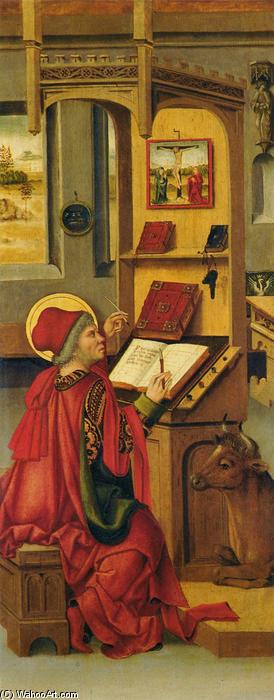
- St Luke
 Ordina la riproduzione Acquista download
 Invia
Invia
 Condividi
 Dettagli opera
 Aggiungi ai preferiti

 Scarica
 Simili
 Radiografia
 Slideshow
St Luke
 1477
1477 77.0 x 32.0 cm
 Museo Thyssen-Bornemisza
 Scopri di più
Giclée / Stampa d'arte
Stampa giclée o su tela di qualità museale, con produzione rapida e diverse opzioni di finitura.




































Scegli tra le nostre dimensioni predefinite, che rispettano le proporzioni originali dell'opera d'arte.

È possibile inserire dimensioni personalizzate per adattare l'opera a una cornice o a uno spazio specifico. Se la dimensione selezionata non corrisponde alle proporzioni dell'immagine originale, procederemo al ritaglio dell'opera o all'estensione dell'immagine con un bordo specchiato o a tinta unita. Un mockup digitale ti verrà inviato per approvazione prima dell'inizio della produzione.
Si prega di notare che l'anteprima a schermo non riflette il ritaglio o l'estensione effettivi. Solo il mockup mostrerà accuratamente la composizione finale.
Sebbene siano disponibili dimensioni personalizzate, si raccomanda di selezionare una dimensione dall'elenco predefinito per preservare le proporzioni originali.
Consegna in tutto il mondo () in 2 settimane invece delle normali 4/5 settimane. (22 Luglio)

Spedizione espressa gratuita in tutto il mondo

Tela in lino di alta qualità

Assicurazione completa sulla spedizione

Garanzia di rimborso dei dazi doganali

Garanzia di fedeltà cromatica

Politica di reso entro 60 giorni (solo per difetti)

Garanzia di rimborso al 100%

Sconto per acquisti multipli
 L'opzione vetro è disponibile solo per dimensioni inferiori a 110 cm

St Luke
Giclée / Stampa d'arte
Dimensioni riproduzione
-


Prezzo totale finale
-
Descrizione dell'opera
The Artist and His Style
Gabriel Mälesskircher was a renowned German painter who lived and worked in Munich during the 15th century. His style is characterized by a strong narrative sense and a high degree of realism, evident in his depiction of everyday objects. The St Luke painting is a prime example of his work, showcasing his ability to capture the essence of his subjects.The Painting's Significance
The St Luke painting is part of a series of altarpieces commissioned by the Benedictine monastery in Tegernsee. This particular painting depicts St Luke, one of the four Evangelists, engaged in writing or reading from a book. The level of detail and realism in this painting is remarkable, making it a standout piece in Mälesskircher's oeuvre. Key Features of the Painting:- The use of oil on panel, which allows for a high level of detail and texture
- The depiction of St Luke in a quiet, contemplative moment, highlighting his role as a writer and scholar
- The inclusion of everyday objects, such as books and a desk, which adds to the painting's sense of realism
The St Luke painting by Gabriel Mälesskircher is a testament to the artist's skill and craftsmanship. Its level of detail, realism, and historical significance make it a must-see for art enthusiasts and historians alike. For more information on Mälesskircher and his work, visit OriginalUniqueArt.com.
Biografia dell'artista
Gabriel Mälesskircher (1425 – 1495): The Silent Maestro of Bavarian Renaissance
Gabriel Mälesskircher remains a figure shrouded in scholarly debate, yet undeniably pivotal to the artistic landscape of late fifteenth-century Bavaria. While overshadowed by contemporaries like Albrecht Dürer and Hans Holbein, Mälesskircher’s contribution to German art—particularly his monumental altarpieces—continues to fascinate historians and inspire artists today. His legacy rests on a singular achievement: transforming the austere piety of his era into emotionally resonant narratives imbued with subtle Flemish influences.
- Early Life & Training: Precise biographical details remain elusive, fueled by scant surviving documentation. Evidence suggests he was born around 1425/30 in Munich, though definitive records are absent. His formative years were spent apprenticed to Hans Folz, a prominent Nuremberg painter known for his meticulous realism and mastery of oil paint—a stylistic approach that would profoundly shape Mälesskircher’s artistic sensibilities.
- Munich School & Patronage: Mälesskircher established himself as a leading figure within Munich's burgeoning artistic community. He served as Guild Master of St Luke, demonstrating his commitment to craftmanship and upholding the standards of artistic excellence. Crucially, he secured prestigious commissions from influential patrons like Duke Sigismund of Bavaria and Abbot Konrad Ayrinschmalz of Tegernsee Abbey—relationships that propelled him to the forefront of Bavarian art.
- The Tegernsee Altarpieces: Mälesskircher’s magnum opus comprises thirteen altarpieces executed for Tegernsee Abbey between 1473 and 1478. These monumental canvases represent a watershed moment in German Renaissance painting, showcasing his unparalleled skill in depicting biblical narratives with dramatic intensity and psychological depth. The Tavola della Vergine (Virgin Mary) and Saint Quirinus are considered masterpieces of their time, reflecting the artist’s profound understanding of humanist ideals and visual storytelling.
- Influence & Legacy: Mälesskircher's workshop fostered collaboration with talented artists like Michael Wolgemut—a formative influence on Albrecht Dürer—solidifying Bavaria’s position as a crucible for artistic innovation. His distinctive style, characterized by meticulous detail and emotive expression, continues to inspire artists exploring the complexities of human experience within religious contexts.
Despite his prolific output during his lifetime, Mälesskircher's oeuvre suffered significant losses due to fires—a tragic circumstance that robbed posterity of invaluable artworks. Nevertheless, surviving fragments—primarily altarpieces housed in museums across Europe—stand as testament to his artistic genius and enduring contribution to the history of German Renaissance art.

gabriel mälesskircher
1425 - 1495
Dati rapidi
- Artistic Movement Or Style: Second Munich School of Painting
- Artists Or Movements Influenced By This Artist: ['Albrecht Dürer']
- Artists Who Influenced This Artist: ['Hans Baldung Grien']
- Date Of Death: 1495
- Full Name: Gabriel Mälesskircher
- Nationality: German
- Notable Artworks:
- Saint John the Evangelist
- Saint Mark the Evangelist
- Place Of Birth: ?, Bavaria


