
 Anteprima in scala reale
 Condividi
 Condividi
 Dettagli

 Scarica immagine
 Articoli simili
 Radiografia
 Slideshow
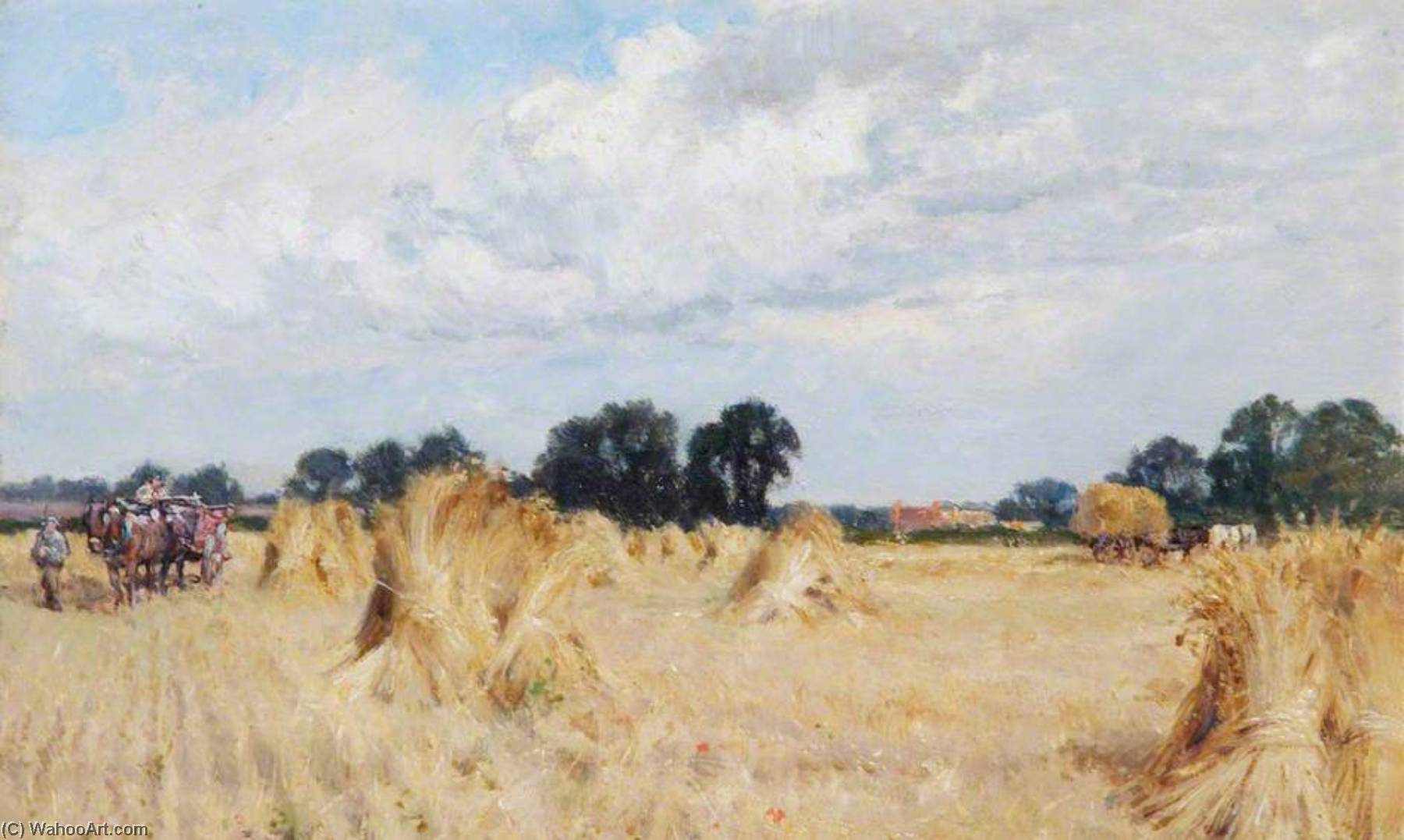
Cornfield
 23.0 x 34.0 cm
 Leggi tutto
Acquista un'immagine digitale ad alta risoluzione e ottimizzata, di qualità nettamente superiore all'anteprima online.
Ogni file è meticolosamente preparato dai nostri specialisti interni attraverso l'uso di strumenti avanzati e un sapiente ritocco manuale. Garantiamo che ogni immagine presenti una chiarezza eccezionale, una precisione cromatica impeccabile e dettagli raffinati.
Il file finale viene consegnato via e-mail entro 72 ore, ottimizzato per un uso immediato in contesti professionali, editoriali e di stampa. Si tratta della stessa qualità affidata ai più prestigiosi studi di design, editori e gallerie d'arte.
Immagine Digitale
Scarica un file ad alta risoluzione per uso personale, per la stampa e per progetti creativi. ( Ordina stampa Ordina la riproduzione dipinta a mano)
Incluso in ogni acquisto di immagini digitali
Consegna digitale professionale e garantita
Quando scegli OriginalUniqueArt.com, non riceverai solo un'immagine: riceverai un'opera d'arte digitale professionalmente ottimizzata, realizzata con la massima precisione e accompagnata da una garanzia di soddisfazione. Ecco tutto ciò che include il tuo ordine, automaticamente:

Consegna rapida via email
Riceverai il file dell'immagine digitale ad alta risoluzione via email entro 72 ore dall'ordine, pronto per un uso immediato.

File digitale potenziato dall'IA
La tua opera d'arte viene ottimizzata professionalmente attraverso l'uso di strumenti avanzati di intelligenza artificiale e una revisione manuale, garantendo il massimo livello di dettaglio, nitidezza e accuratezza cromatica.

Riconsegna gratuita a vita
Hai eliminato o perso accidentalmente il tuo file? Non preoccuparti: te lo invieremo di nuovo in qualsiasi momento, gratuitamente.

Nessun costo di importazione, mai
Goditi la tua opera d'arte istantaneamente senza costi doganali, dazi o spese di spedizione: i download digitali sono sempre esenti da tasse.

Garanzia di fedeltà cromatica
Garantiamo che la tua immagine digitale rifletta i colori originali con la massima fedeltà, grazie all'uso di strumenti professionali e a una gestione accurata del colore.

Garanzia soddisfazione 60 giorni
Se non sei soddisfatto della tua immagine digitale, la revisioneremo o ti rimborseremo il 100% entro 60 giorni, senza domande.

Garanzia di rimborso al 100%
Non sei soddisfatto? Ricevi un rimborso completo entro 60 giorni dal ricevimento del tuo file digitale, senza dover fornire spiegazioni.

Sconti per ordini multipli
Acquista 3 immagini, risparmia il 10% - Acquista 5, risparmia il 15% - Acquista 10+, risparmia il 20%. Ideale per progetti creativi, gallerie e agenzie.
Biografia dell'artista
Frederick William Newton Whitehead: A Dorset Painter of Light and Landscape
Frederick William Newton Whitehead, a name perhaps less familiar than some of his contemporaries, nevertheless holds a significant place in the history of 19th-century British landscape painting. Born in Leamington Spa in 1853, Whitehead’s artistic journey was deeply intertwined with the natural beauty of the West Midlands and, crucially, the evocative landscapes of Dorset – a region that would become the very heart of his creative output. His life wasn't one of grand salons or formal training; instead, it unfolded through a series of formative experiences, shaped by familial connections to the art world, early influences from local artists, and ultimately, an immersion in the rhythms of rural life. Whitehead’s story is not simply that of a painter, but of an observer, a recorder, and a passionate advocate for the quiet grandeur of the English countryside.Early Influences and Artistic Foundations
Whitehead's artistic development began within a family deeply rooted in the world of art. His father, William Whitehead, was a Carver & Gilder, Picture Dealer, Restorer and Artists’ Colourman – a position that exposed young Frederick to the materials, techniques, and appreciation for fine art from an early age. Crucially, he received his initial artistic instruction from Richard Rothwell, an Irish artist who spent time living at the Whitehead family home in Leamington Spa. Rothwell's influence is evident in Whitehead’s early works – a preference for detailed observation and a certain sensitivity to light and shadow. Later, he studied under John Burgess, another prominent Leamington artist, gaining further experience in capturing the nuances of local scenery. However, it was his time spent in Paris with his sister Elizabeth that truly broadened his artistic horizons, introducing him to the Impressionist movement and fostering a greater appreciation for *plein air* painting – working directly from nature. This exposure proved pivotal, shaping his approach to landscape depiction and establishing a core principle of his style: an intimate connection between the artist and the subject.Dorset and the Pursuit of Light
Following his return to England, Whitehead established himself in Dorset, a region he would come to love deeply and paint with unwavering devotion. It was here that he forged a unique artistic identity, characterized by a remarkable ability to capture the ephemeral qualities of light and atmosphere. He wasn’t simply depicting landscapes; he was attempting to convey the *feeling* of being within them – the warmth of the sun on stone, the coolness of a shaded valley, the shifting patterns of mist over distant hills. Whitehead's Dorset paintings are often described as “atmospheric,” reflecting his meticulous attention to detail in rendering light and shadow, creating an illusion of depth and movement. He frequently travelled with his two dogs and a small portable studio, known affectionately as "The Baby Elephant," allowing him to work directly from the landscape, responding instinctively to changing conditions. This direct engagement with nature is evident in the immediacy and freshness of his brushstrokes.Subject Matter and Artistic Style
Whitehead’s subject matter was predominantly focused on the rural landscapes of Dorset – rolling hills, dramatic coastlines, picturesque villages, and expansive fields. He frequently depicted scenes of everyday life: shepherds tending their flocks, farmers working in their fields, cottages nestled amongst the trees. However, his paintings are not merely topographical representations; they are imbued with a sense of poetry and nostalgia. Whitehead’s style can be characterized as a blend of Realism and Impressionism. While he meticulously observed and rendered the details of his subjects – the texture of stone walls, the foliage of trees, the folds of clothing – he also employed loose brushstrokes and vibrant colors to capture the fleeting effects of light and atmosphere. His use of color was particularly noteworthy; he favored muted tones—greens, browns, blues—to create a sense of harmony with the natural world. He often worked in watercolor, allowing for delicate washes and subtle gradations of tone, but also utilized oils to achieve richer colors and greater luminosity.Legacy and Historical Significance
Frederick William Newton Whitehead’s contribution to British landscape painting may not be as widely recognized as some of his contemporaries, yet his work holds a quiet significance. He represents a crucial link between the more formal traditions of the Victorian art world and the emerging Impressionist movement. His dedication to *plein air* painting and his profound appreciation for the beauty of the English countryside established him as a key figure in the development of British landscape art. His paintings are now held in public collections, including the Leamington Spa Art Gallery & Museum, testament to their enduring appeal. Whitehead’s legacy lies not only in his individual works but also in his embodiment of a particular artistic ethos – one rooted in observation, sensitivity, and a deep connection with the natural world. He serves as a reminder that true beauty can be found in the simplest of landscapes, patiently revealed through the artist's discerning eye and skilled hand.
frederick william newton whitehead
1853 - 1938
In breve
- Artistic Movement Or Style: Landscape painting
- Artists Or Movements Influenced By This Artist: ['Constable']
- Artists Who Influenced This Artist:
- Thomas Baker
- John Burgess
- Date Of Birth: 1853
- Date Of Death: 1938
- Full Name: Frederick William Newton Whitehead
- Nationality: British
- Notable Artworks:
- Cattle in a Country Lane
- Purbeck Hills from River Frome
- Cottage in Landscape
- Place Of Birth: Leamington Spa, England

