
 Anteprima in scala reale
 Invia
Invia Condividi
 Dettagli opera
 Guida
Guida

 Scarica
 Simili
 Radiografia
 Slideshow
 Domande e risposte
 Statistiche
Sharpening the Saw

 Espandi i dettagli
L'opera d'arte visualizzata in questa pagina è protetta dalle leggi sul diritto d'autore, il che significa che non possiamo legalmente creare o vendere una riproduzione identica. Tale protezione è garantita da accordi internazionali quali la Convenzione di Berna e dalle leggi nazionali, incluse quelle stabilite da Legge sul copyright degli Stati Uniti - Titolo 17. Tutti i diritti riservati. Le immagini presenti su questo sito sono protette da copyright e non possono essere riprodotte o utilizzate senza l'autorizzazione scritta di WahooArt.com o dei rispettivi proprietari del copyright.
Questo metodo è pienamente conforme alle normative sul diritto d'autore poiché non prevede la copia o la duplicazione dell'opera protetta. Si tratta invece di una rielaborazione creativa: un nuovo dipinto che trae ispirazione dall'originale, senza tuttavia esserne identico.
Giclée / Stampe d'arte
Stampa giclée o su tela di qualità museale, con produzione rapida e diverse opzioni di finitura. ( Acquista il dipinto realizzato a mano Passa all'immagine digitale)




































Scegli tra le nostre dimensioni predefinite, che rispettano le proporzioni originali dell'opera d'arte.

Inserisci la larghezza e l'altezza desiderate, per adattarle alla tua cornice o alla tua parete. Una stampa può essere solo ritagliata, mai resa più grande dell'immagine originale; pertanto, un formato con una forma differente comporterà la perdita di una parte dell'opera. Ti invieremo un mockup digitale da approvare prima di procedere con la stampa. L'immagine mostrata in questa pagina non rappresenta il ritaglio reale — solo il mockup lo mostra.
Consegna in tutto il mondo () in 2 settimane invece delle normali 4/5 settimane. (5 Novembre)

Spedizione espressa gratuita in tutto il mondo

Tela in lino di alta qualità

Assicurazione completa sulla spedizione

Garanzia di rimborso dei dazi doganali

Garanzia di fedeltà cromatica assoluta

Politica di reso entro 100 giorni (solo per difetti di fabbricazione)

Garanzia di rimborso al 100%

Offerta per acquisti multipli
 L'opzione vetro è disponibile solo per dimensioni inferiori a 110 cm

Sharpening the Saw
Giclée / Stampe d'arte
Dimensioni riproduzione
-


Prezzo finale calcolato
€ 72
Biografia dell'artista
The Luminous Legacy of Frederick William Davis
Frederick William Davis stands as a singular figure in the burgeoning landscape of American Impressionist painting—a testament to an artistic vision nurtured amidst the rugged, mist-shrouded beauty of the Pacific Northwest. Born circa 1860, Davis emerged during a transformative era in American art, carving out a niche that balanced the precision of realism with the ethereal qualities of light and atmosphere. While history often highlights contemporaries such as Thomas Moran or Frederic Remington, Davis occupied a vital space within a smaller, influential cohort of artists dedicated to capturing the fleeting essence of coastal environments through a lens of profound sensitivity.
His formative years in Seattle, Washington, provided a rich tapestry of visual inspiration. During the late Victorian era, a period defined by both rapid industrial expansion and a romanticized fascination with the American frontier, Davis found his muse in the churning waters of the Puget Sound and its surrounding islands. His early explorations into watercolor landscapes revealed an immediate, instinctive ability to translate the sensory experience of moisture, light, and salt air onto paper. This foundational period was not merely about documentation but about an emotional response to the landscape, a trait that would define his lifelong pursuit of atmospheric perspective.
As his technical mastery deepened, Davis looked toward the masters of Europe to refine his approach. He was profoundly influenced by the Impressionist luminaries Claude Monet and Camille Pissarro, meticulously studying their revolutionary use of broken color and layered brushwork. By integrating these techniques, he achieved a remarkable synthesis: a style that maintained a sense of structural realism while embracing the expressive, shimmering qualities of light. This evolution allowed him to move beyond simple representation, instead inviting the viewer to feel the temperature of the breeze and the weight of the coastal fog.
A Journey Through Light and Instruction
The trajectory of Davis’s career was marked by a significant migration eastward, leading him to the vibrant art scene of New York City in 1893. This transition proved pivotal for both his personal development and his contribution to American art education. Establishing himself as a respected instructor at the prestigious Pratt Institute, Davis became a conduit for Impressionist ideals, disseminating his stylistic principles to a new generation of aspiring painters. His role as an educator ensured that the nuances of light-centric painting and the importance of color theory would continue to resonate within the American academic tradition.
Despite his presence in the urban art centers of the East Coast, Davis’s heart remained tethered to the natural grandeur of the American landscape. His versatility as a painter allowed him to traverse diverse terrains, from the rugged, salt-sprayed coastlines of Maine to the serene, rolling vistas of Vermont's Green Mountains. This breadth of subject matter showcased an unwavering commitment to portraying nature with both precision and poetic grace. Whether depicting the maritime drama of a ship navigating coastal swells or the quiet stillness of a mountain glade, his work remained anchored in a deep respect for the organic world.
The historical significance of Frederick William Davis lies in his ability to bridge the gap between the traditional landscape traditions of the 19th century and the modern, sensory-driven approach of Impressionism. His paintings serve as more than mere windows into the past; they are enduring studies of how light interacts with the physical world. Through his evocative use of color and his dedication to capturing the ephemeral, Davis helped establish a uniquely American maritime and coastal aesthetic that continues to captivate collectors and historians alike.
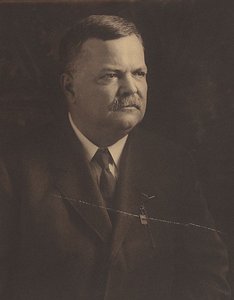
Dettagli rapidi
- Full Name: Frederick William Davis
- Nationality: American
- Place Of Birth: United States
- Notable Artworks: ['The Tempest']
- Artistic Movement Or Style: Maritime Art
- Artists Who Influenced This Artist: ['Winslow Homer']
- Artists Or Movements Influenced By This Artist: ['Hudson River School']