

 Anteprima in scala reale
 Condividi
 Condividi
 Dettagli
 Guida stampabile

 Scarica
 Articoli simili
 Radiografia
 Slideshow
 Statistiche
Landscape
 Oil On Canvas
- WallArt
- British Landscape Painting
 96.0 x 146.0 cm
 The Hepworth Wakefield
 Leggi tutto
Giclée / Stampe d'arte
Stampa giclée o su tela di qualità museale, con produzione rapida e diverse opzioni di finitura. ( Ordina la riproduzione dipinta a mano Passa all'immagine digitale)




P118B €10

P118H €10

P118W €10

P438Z €10

P508JH €12

P508YH €12

P805H €10

P805Z €10

P919BZ €10

P919G €10

P919XJ €10

P959ZH €10

P968JZ €12

W106C €8

W218G €10

W218JH €8

W218Y €10

W307PJ €10

W316G €10

W316PJ €8

W316Y €10

W398PJ €8

W4111J €10

W500HY €15

W500JH €15

W692G €12

W849H €8

W940BG €15

W953PJ €8




Scegli tra le nostre dimensioni predefinite, che rispettano le proporzioni originali dell'opera d'arte.

Inserisci la larghezza e l'altezza desiderate, per adattarle alla tua cornice o alla tua parete. Una stampa può essere solo ritagliata, mai resa più grande dell'immagine originale; pertanto, un formato con una forma differente comporterà la perdita di una parte dell'opera. Ti invieremo un mockup digitale da approvare prima di procedere con la stampa. L'immagine mostrata in questa pagina non rappresenta il ritaglio reale — solo il mockup lo mostra.
Consegna in tutto il mondo () in 2 settimane invece delle normali 4/5 settimane. (23 Ottobre)

Spedizione espressa gratuita in tutto il mondo

Tela in lino di alta qualità

Assicurazione completa sulla spedizione

Garanzia di rimborso dei dazi doganali

Garanzia di perfetta fedeltà cromatica

Politica di reso entro 100 giorni (solo per difetti di fabbricazione)

Garanzia di rimborso al 100%

Sconto per acquisti multipli
 L'opzione vetro è disponibile solo per dimensioni inferiori a 110 cm

Landscape
Giclée / Stampe d'arte
Dimensioni della riproduzione
-


Prezzo totale
€ 70
A Window on the English Countryside: Frederick Waters Watts’ “Landscape”
Frederick Waters Watts' "Landscape," a captivating oil painting from around 1860, isn’t merely a depiction of a rural scene; it’s an invitation into a meticulously rendered world brimming with quiet observation and a profound connection to the English countryside. The piece immediately draws the viewer in with its harmonious palette – a symphony of greens, blues, and browns that evoke the serenity of a late summer afternoon. It's a landscape steeped in Constablean influence, prioritizing atmospheric perspective and a subtle, almost melancholic beauty over dramatic grandeur.
The composition itself is deceptively simple yet remarkably effective. A meandering river dominates the midground, its waters reflecting the sky above with an ethereal quality. A dirt path, barely discernible, leads the eye into the distance, hinting at journeys and possibilities. Scattered amongst the trees are a few figures – likely farmers or laborers – engaged in quiet activities, their presence adding a touch of human scale to the vastness of the scene without disrupting the overall sense of tranquility. The rolling hills in the background, painted with delicate brushstrokes, fade into a hazy blue, creating an illusion of depth and distance that is characteristic of Watts’ style.
The Painter's Hand: Technique and Style
Watts was deeply influenced by John Constable, and this influence is readily apparent in "Landscape." He masterfully employed *plein air* painting techniques – working directly from nature – to capture the fleeting effects of light and atmosphere. Notice the subtle variations in color across the foliage, the way shadows fall on the ground, and the delicate rendering of water surfaces. The brushwork is loose yet controlled, creating a sense of movement and texture that brings the landscape to life. The artist’s attention to detail is remarkable; individual leaves are suggested rather than meticulously rendered, allowing the eye to fill in the gaps and contributing to the painting's overall impressionistic quality.
Furthermore, Watts skillfully utilized atmospheric perspective – *sfumato* – to create a sense of depth. Objects further away appear paler and less distinct, while those closer are richer in color and detail. This technique is particularly evident in the distant hills, which seem to dissolve into the hazy blue sky. The use of muted tones and subtle gradations of color contributes significantly to the painting’s overall mood of quiet contemplation.
A Victorian Vision: Historical Context
"Landscape" reflects the artistic sensibilities of the mid-19th century – a period when landscape painting was experiencing a resurgence in popularity. Following the Romantic movement, artists began to turn their attention to the beauty and sublimity of nature, seeking solace and inspiration in the countryside. Watts’ work aligns with this trend, capturing the idealized vision of rural England that was so prevalent during the Victorian era.
The painting also speaks to a broader cultural shift – a growing appreciation for the natural world and a desire to escape the pressures of urban life. The Victorian period witnessed significant industrialization and urbanization, leading many people to seek refuge in the countryside. Landscape art provided a means of reconnecting with nature and celebrating its enduring beauty. Watts’ painting embodies this sentiment, offering a glimpse into a simpler, more harmonious way of life.
Symbolism and Emotional Resonance
Beyond its technical merits, “Landscape” is imbued with subtle symbolism. The meandering river can be interpreted as a metaphor for the passage of time, while the figures in the foreground represent humanity’s connection to the land. The overall mood of the painting – serene, contemplative, and slightly melancholic – reflects the Victorian fascination with mortality and the fleeting nature of beauty. It's not simply a pretty picture; it invites reflection on our relationship with the natural world and our place within it.
The painting’s enduring appeal lies in its ability to evoke a sense of nostalgia for a bygone era – a time when life moved at a slower pace and people were more attuned to the rhythms of nature. “Landscape” is a testament to Watts' skill as an artist and his profound understanding of the English countryside, offering viewers a moment of respite from the complexities of modern life.
Domande e risposte
L'opera "Landscape" è complessivamente più luminosa o più scura?
La luminosità di "Landscape" di Frederick Waters Watts è registrata come bright, con una luminanza di Gentle Luminance.
I colori di "Landscape" di Frederick Waters Watts sono saturi o desaturati?
"Landscape" di Frederick Waters Watts è registrato con una saturazione Balanced Soft.
Che tipo di opera è "Landscape"?
"Landscape" è un'opera di tipo WallArt.
Biografia dell'artista
Una Visione del Pastorale Inglese: La Vita e l'Eredità di Frederick Waters Watts
Negli annali dell'arte vittoriana, pochi nomi evocano l'essenza silenziosa e vibrante della campagna inglese come Frederick Waters Watts. Nato nella storica città di Bath nel 1800, Watts emerse come un pittore la cui opera funse da profondo ponte tra il rugoso naturalismo dell'inizio del XIX secolo e il raffinato esteticismo della tarda epoca vittoriana. Sebbene gran parte della sua storia personale rimanga avvolta nelle morbide nebbie del tempo — con dettagli biografici riguardanti la sua discendenza e la data esatta della sua morte spesso oggetto di dibattimento tra gli storici — la sua presenza artistica è inconfondibile. Egli non era un artista che si limitava a dipingere paesaggi; egli catturava l'anima stessa del panorama rurale, infondendo in ogni ansa fluviale e in ogni prato inondato dal sole un senso di pace duratura.
Le fondamenta della grandezza di Watts risiedevano nel suo profondo, quasi spirituale, legame con le opere di John Constable. Entrando nelle Royal Academy Schools di Londra nel 1817, Watts cercò di padroneggiare le sottili complessità della luce e dell'atmosfera che avevano definito la tradizione constableiana. I suoi primi trionfi, inclusi i medaglioni d'argento vinti tra il 1819 e il 1821, segnalarono l'arrivo di un talento capace di un'osservazione profonda. Egli abbracciò la pratica della pittura en plein air, lavorando direttamente dalla natura per tradurre le sfumature fugaci di una nuvola passante o il riflesso tremolante su un ruscello in olio e tela permanenti. Questa dedizione all'osservazione diretta gli permise di andare oltre la mera imitazione, sviluppando uno stile che appariva intimamente connesso alla terra e al contempo elevato da una sensibilità poetica.
La Maestria della Luce e il Paesaggio Inglese
L'opera di Watts, composta da circa 380 dipinti, funge da vasta galleria dei momenti più idilliaci dell'Inghilterra. La sua perizia tecnica è più evidente nella capacità di manipolare la luce per creare profondità e risonanza emotiva. Che stesse ritraendo le acque tranquille del fiume Medway o la bellezza selvaggia del Cumberland, Watts utilizzava una tavolozza che celebrava i toni organici del mondo naturale. Le sue composizioni presentano spesso:
- Profondità Atmosferica: Un uso magistrale di foschia e luce per suggerire gli infiniti confini dell'orizzonte inglese.
- Serenità Fluviale: Intricate rappresentazioni dell'acqua, dove il movimento delle correnti e il gioco dei riflessi creano un senso di moto vitale.
- Incanto Bucolico: L'inclusione di sottili elementi umani — una figura lontana, una mucca al pascolo o un ponte rustico — che ancorano i suoi grandi paesaggi a una realtà pastorale e tangibile.
Al di là del puramente naturalistico, vi è un sottotesto simbolico all'interno della sua opera che accenna a uno spirito più profondo e contemplativo. Alcuni studiosi leggono le sue esplorazioni tardive attraverso la lente dell'
Significato Storico e Influenza Duratura
Nel corso della sua lunga carriera, che lo vide esporre alla Royal Academy e alla British Institution fino agli anni '60 dell'Ottocento, Watts mantenne una presenza costante nella scena artistica londinese. La sua capacità di navigare i gusti mutevoli dell'era vittoriana — dal pesante romanticismo del primo secolo agli approcci più delicati e simbolici degli anni successivi — ne garantì la perdurante rilevanza. Sebbene abbia vissuto un periodo di rapida industrializzazione che minacciava proprio quei paesaggi che amava, i suoi dipinti rimangono un santuario di un'Inghilterra perduta, pre-industriale.
Oggi, l'eredità di Frederick Waters Watts vive nelle collezioni di prestigiose istituzioni come la

Frederick Waters Watts
1800 - 1870 , Regno Unito
Informazioni rapide
- Artistic Movement Or Style: Romantic Landscape Painting
- Artists Who Influenced This Artist: ['John Constable']
- Date Of Birth: October 7, 1800
- Full Name: Frederick Waters Watts
- Nationality: British
- Notable Artworks:
- At The Old Forge
- Untitled (1392)
- Place Of Birth: Bath, United Kingdom
Articoli correlati
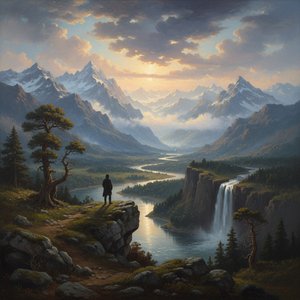
Frederick William Hayes: Transcendental Landscapes & the American Sublime
Explore the captivating landscapes of Frederick William Hayes, a Victorian artist influenced by the Hudson River School & literary utopias. Discover his legacy and artistic techniques at OriginalUniqueArt.

John Constable: I 25 Capolavori che Celebrano la Bellezza della Campagna Inglese
Esplora i 25 capolavori di John Constable, il maestro del Romanticismo inglese. Paesaggi suggestivi, luce naturale e colori vibranti ti aspettano. Acquista riproduzioni d'arte di alta qualità su OriginalUniqueArt.com e porta la bellezza della campagna inglese nella tua casa.
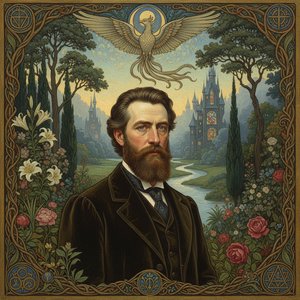
Frederick Waters Watts: A Victorian Vision of Aestheticism & Spiritual Symbolism
Explore the captivating world of Frederick Watts, a key Victorian painter blending aestheticism & spiritual symbolism. Discover his allegorical masterpieces like 'Hope' and delve into his artistic journey with OriginalUniqueArt.

Arboreal Echoes: A Historical & Artistic Exploration of Trees in Painting
Explore the rich history of trees in painting! Discover symbolism, Romantic masterpieces by Caspar David Friedrich & beyond. A curated journey for art enthusiasts.

I 10 Capolavori del Paesaggio Romantico: Arte, Storia e Decorazioni di Lusso
Esplora i 10 capolavori del Paesaggio Romantico con OriginalUniqueArt.com! Caspar David Friedrich, Turner e altri maestri: storia, tecnica e colori che definiscono un'epoca. Trova riproduzioni d'arte di lusso per la tua casa. Scopri la collezione completa online!

