 Anteprima in scala reale
 Condividi
 Condividi
 Dettagli

 Scarica immagine
 Articoli simili
 Radiografia
 Slideshow
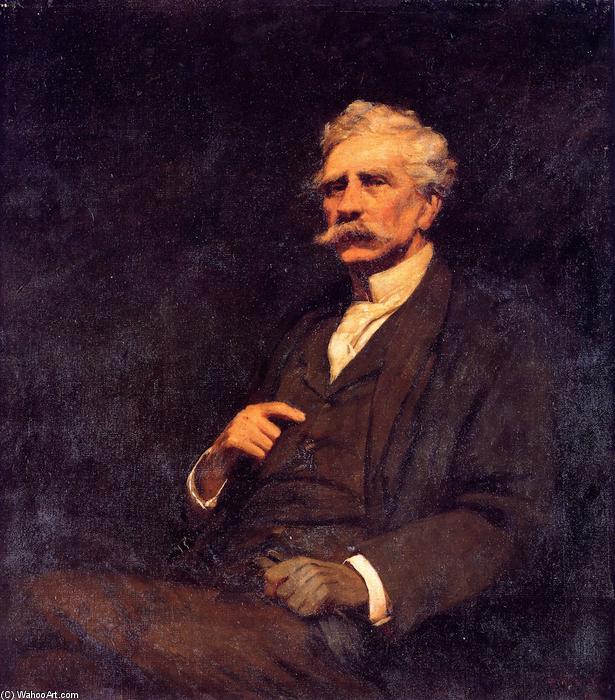
J. A. Panton, Esq. M.P.


 Leggi tutto
Riproduzione a olio fatta a mano
Olio su tela dipinto a mano nelle tue dimensioni e con la tua cornice, realizzato su ordinazione dai nostri artisti. ( Ordina stampa Acquista download)




P118B $10

P118H $10

P118W $10

P438Z $10

P508JH $12

P508YH $12

P805H $10

P805Z $10

P919BZ $10

P919G $10

P919XJ $10

P959ZH $10

P968JZ $12

W106C $8

W218G $10

W218JH $8

W218Y $10

W307PJ $10

W316G $10

W316PJ $8

W316Y $10

W398PJ $8

W4111J $10

W500HY $15

W500JH $15

W692G $12

W849H $8

W940BG $15

W953PJ $8




Scegli tra le nostre dimensioni predefinite, che rispettano le proporzioni originali dell'opera d'arte.

È possibile inserire dimensioni personalizzate per adattare l'opera a una cornice o a uno spazio specifico. Se la dimensione selezionata non corrisponde alle proporzioni dell'immagine originale, provvederemo a ritagliare l'opera o a estendere il dipinto con elementi aggiuntivi dipinti a mano. Un mockup digitale ti sarà inviato per approvazione prima dell'inizio della produzione.
Si prega di notare che l'anteprima a schermo non riflette il ritaglio o l'estensione effettivi. Solo il mockup mostrerà accuratamente la composizione finale.
Sebbene siano disponibili dimensioni personalizzate, consigliamo di selezionare una dimensione dall'elenco predefinito per preservare le proporzioni originali.
Dopo l'ordine, il team di OriginalUniqueArt.com contatterà il cliente via e-mail per le istruzioni e fornirà un'anteprima del mockup
Consegna in tutto il mondo () in 3/4 settimane anziché nelle normali 5 settimane. (18 Agosto). Nessun compromesso sulla qualità.

Spedizione espressa gratuita in tutto il mondo

Tela in lino di alta qualità

Assicurazione completa sulla spedizione

Garanzia di rimborso dei dazi doganali

Garanzia di fedeltà cromatica dell'originale

Politica di reso entro 60 giorni (solo per difetti di fabbricazione)

Garanzia di rimborso al 100%

Sconto per acquisti multipli
 L'opzione vetro è disponibile solo per dimensioni inferiori a 110 cm

J. A. Panton, Esq. M.P.
Tecnica di riproduzione
Dimensioni della riproduzione
-


Prezzo totale
$ 300
Descrizione dell'opera
A Portrait of Victorian Esteem: J. A. Panton, Esq. M.P. by Frederick McCubbin
Frederick McCubbin’s 1904 painting, “J. A. Panton, Esq. M.P.,” is more than a simple likeness; it's a carefully constructed tableau of Victorian society, imbued with a subtle melancholy and a poignant awareness of the passage of time. The portrait depicts a distinguished gentleman, identified as J.A. Panton, a prominent figure in colonial administration – an Esquire and Member of Parliament – seated within a richly appointed interior that speaks volumes about his status and the era he represents. McCubbin’s masterful use of light and shadow, combined with a restrained palette dominated by browns, ochres, and muted greens, immediately establishes a mood of quiet contemplation.
McCubbin's style leans heavily into the tenets of the Heidelberg School, a movement that sought to capture the essence of Australian life – its landscapes, its people, and its spirit – with an emphasis on direct observation and emotional resonance. He eschews overly polished surfaces, favoring instead a slightly rougher texture achieved through visible brushstrokes. This technique lends a sense of immediacy and authenticity to the scene, as if we are witnessing a fleeting moment captured in time. The composition is deliberately balanced, drawing our eye across Panton’s face – his thoughtful gaze, the subtle lines etched around his eyes hinting at years of experience – and then outwards to the details of the room, each element contributing to the overall narrative.
The Setting: A Window into Victorian Life
The interior itself is a crucial component of the painting’s meaning. It's not a lavishly opulent space designed to proclaim wealth, but rather a comfortably furnished room that suggests quiet success and established position. The dark wood panelling, the heavy curtains, and the carefully arranged furniture all speak to a man accustomed to respectability and authority. A globe sits prominently on a table, symbolizing Panton’s engagement with both his local community and the wider world – a reflection of the colonial mindset prevalent at the time. A small writing desk suggests a life dedicated to correspondence and administrative duties, while a partially visible bookcase hints at an appreciation for learning and culture.
Notably, McCubbin subtly incorporates elements that hint at the realities beneath the veneer of Victorian respectability. The shadows cast by the furniture are deep and suggestive, creating a sense of enclosure and perhaps even unease. The muted colors contribute to this feeling, preventing the scene from becoming overly bright or cheerful. This restrained approach is characteristic of McCubbin’s work – he doesn't shy away from depicting the complexities and ambiguities of human experience.
Symbolism and Emotional Resonance
Beyond its realistic depiction of a Victorian gentleman, “J. A. Panton, Esq. M.P.” carries significant symbolic weight. The portrait can be interpreted as an exploration of identity – the tension between public persona and private self. Panton’s thoughtful expression suggests a man wrestling with his responsibilities and perhaps even contemplating the legacy he will leave behind. The painting's quietness invites introspection, prompting us to consider the burdens of leadership and the fleeting nature of earthly achievements.
McCubbin was deeply interested in portraying the Australian landscape and its impact on human life. While this portrait is primarily focused on a single individual, it’s important to remember that McCubbin's work often explores themes of isolation, loss, and the relationship between humanity and nature. The subtle hints of the outdoors – glimpsed through the window – serve as a reminder of the vastness of the Australian continent and the challenges faced by those who sought to carve out a life within it.
A Legacy of Australian Art
“J. A. Panton, Esq. M.P.” stands as a testament to Frederick McCubbin’s enduring contribution to Australian art. It's a painting that rewards careful observation and invites multiple interpretations. Reproductions of this iconic work offer a valuable window into the Victorian era, capturing not only the appearance of a prominent figure but also the spirit of a nation grappling with its identity and forging its own path. The painting’s quiet dignity and subtle emotional depth continue to resonate with viewers today, cementing McCubbin's place as one of Australia’s most beloved artists.
Biografia dell'artista
Frederick McCubbin: Un Pioniere dell'Impressionismo Australiano
- Nato: Melbourne, Australia (25 febbraio 1855)
- Morto: 20 dicembre 1917
Frederick McCubbin si erge come una figura fondamentale nella storia dell'arte australiana, rinomato per i suoi contributi al movimento della Heidelberg School e per le sue evocative rappresentazioni della vita australiana. Nato in una famiglia di panettieri, la sua prima vita fu segnata da diverse esperienze, dal lavoro come impiegato legale alla consegna del pane prima di dedicarsi completamente alla pittura.
Primi Anni e Formazione Artistica
- Istruzione Iniziale: Frequentò William Willmett’s West Melbourne Common School e St. Paul’s School.
- Inizi Artistici: Dimostrò una precoce attitudine al disegno, che portò a brevi periodi in varie professioni prima di iscriversi alla National Gallery of Victoria's School of Design.
- Mentorship: Studiò sotto artisti notevoli tra cui Eugene von Guerard e George Folingsby, affinando le sue capacità nella pittura paesaggistica.
- Collaborazione con Tom Roberts: Si formò un’amicizia cruciale con il collega artista Tom Roberts, che portò all'istituzione del Box Hill Artists' Camp nel 1885 – una pietra miliare del movimento della Heidelberg School.
La Scuola di Heidelberg e Narrazioni Nazionali
- Movimento della Heidelberg School: McCubbin giocò un ruolo centrale in questo movimento artistico en plein air, che cercava di catturare l'essenza della vita australiana e dei paesaggi.
- Focus sull’Identità Nazionale: Le sue opere di questo periodo, come Down on His Luck (1889), On the Wallaby Track (1896) e The Pioneer (1904), sono rappresentazioni iconiche della vita dei pionieri e dell'interazione tra coloni europei e la boscaglia australiana.
- Temi di Malinconia: I dipinti di McCubbin esplorarono spesso temi di solitudine, difficoltà e le sfide affrontate dai primi coloni in un paesaggio vasto e spietato.
Evoluzione dello Stile e Opere Successive
- Influenza Europea (1907): Un viaggio in Europa lo espose alle opere di J.M.W. Turner e degli impressionisti francesi, determinando uno spostamento verso pennellate più libere e colori più chiari.
- Spostamento nella Tecnica: I suoi dipinti successivi dimostrarono uno stile più astratto, evidente in opere come An Interior, che molti critici considerano tra i suoi risultati artistici più forti.
- Esplorazione Continua dei Temi: Nonostante i cambiamenti stilistici, McCubbin continuò a esplorare temi dell'identità australiana e della condizione umana.
Eredità e Influenza
- Riconoscimento e Musei: Le sue opere sono conservate in prestigiose collezioni tra cui la National Gallery of Victoria e l’Art Gallery of Ballarat.
- Impatto sull'Arte Australiana: Il contributo di McCubbin a stabilire un'identità artistica australiana distintiva è innegabile, influenzando generazioni di artisti.
- Significato Duraturo: Rimane celebrato come uno dei pittori più importanti e amati dell’Australia, le cui opere continuano a risuonare con il pubblico oggi.

Frederick McCubbin
1855 - 1917 , Australia
Informazioni rapide
- Artistic Movement Or Style: Heidelberg School, Impressionismo
- Artists Who Influenced This Artist:
- Eugene von Guerard
- J. M. W. Turner
- Date Of Birth: 25 febbraio 1855
- Date Of Death: 20 dicembre 1917
- Full Name: Frederick McCubbin
- Nationality: Australiano
- Notable Artworks:
- Down on His Luck
- On the Wallaby Track
- The Pioneer
- Place Of Birth: Melbourne, Australia
Articoli correlati

Bianco Sublime: I 10 Dipinti Più Famosi Dominati dal Colore Bianco | .it
Esplora i 10 dipinti più celebri dominati dal bianco, da Monet a Malevich. Scopri la storia, le tecniche e l'impatto di queste opere iconiche. Trova stampe su tela e riproduzioni d'arte di alta qualità per decorare casa con stile su .
I 10 Capolavori del Paesaggio: Arte, Storia e Decorazioni Raffinate | OriginalUniqueArt
Esplora i 10 capolavori del paesaggio artistico! Da Monet a Van Gogh, scopri la storia e le tecniche dietro quadri iconici. Trova stampe su tela di alta qualità per decorare casa con arte e stile. Scopri tutte le opere su OriginalUniqueArt.com

I 10 Dipinti Più Famosi Dominati dal Nero: Maestri e Storie d'Arte
Esplora i 10 dipinti più iconici dominati dal nero, da Caravaggio a Munch. Scopri storie, tecniche e il potere espressivo di artisti come Rembrandt e Goya. Trova stampe d'arte di alta qualità per la tua casa su .

I 10 Capolavori del Paesaggio Romantico: Arte, Storia e Decorazioni di Lusso
Esplora i 10 capolavori del Paesaggio Romantico con OriginalUniqueArt.com! Caspar David Friedrich, Turner e altri maestri: storia, tecnica e colori che definiscono un'epoca. Trova riproduzioni d'arte di lusso per la tua casa. Scopri la collezione completa online!

John Constable: I 25 Capolavori che Celebrano la Bellezza della Campagna Inglese
Esplora i 25 capolavori di John Constable, il maestro del Romanticismo inglese. Paesaggi suggestivi, luce naturale e colori vibranti ti aspettano. Acquista riproduzioni d'arte di alta qualità su OriginalUniqueArt.com e porta la bellezza della campagna inglese nella tua casa.