 Anteprima in scala reale
 Condividi
 Condividi
 Dettagli

 Scarica immagine
 Articoli simili
 Radiografia
 Slideshow
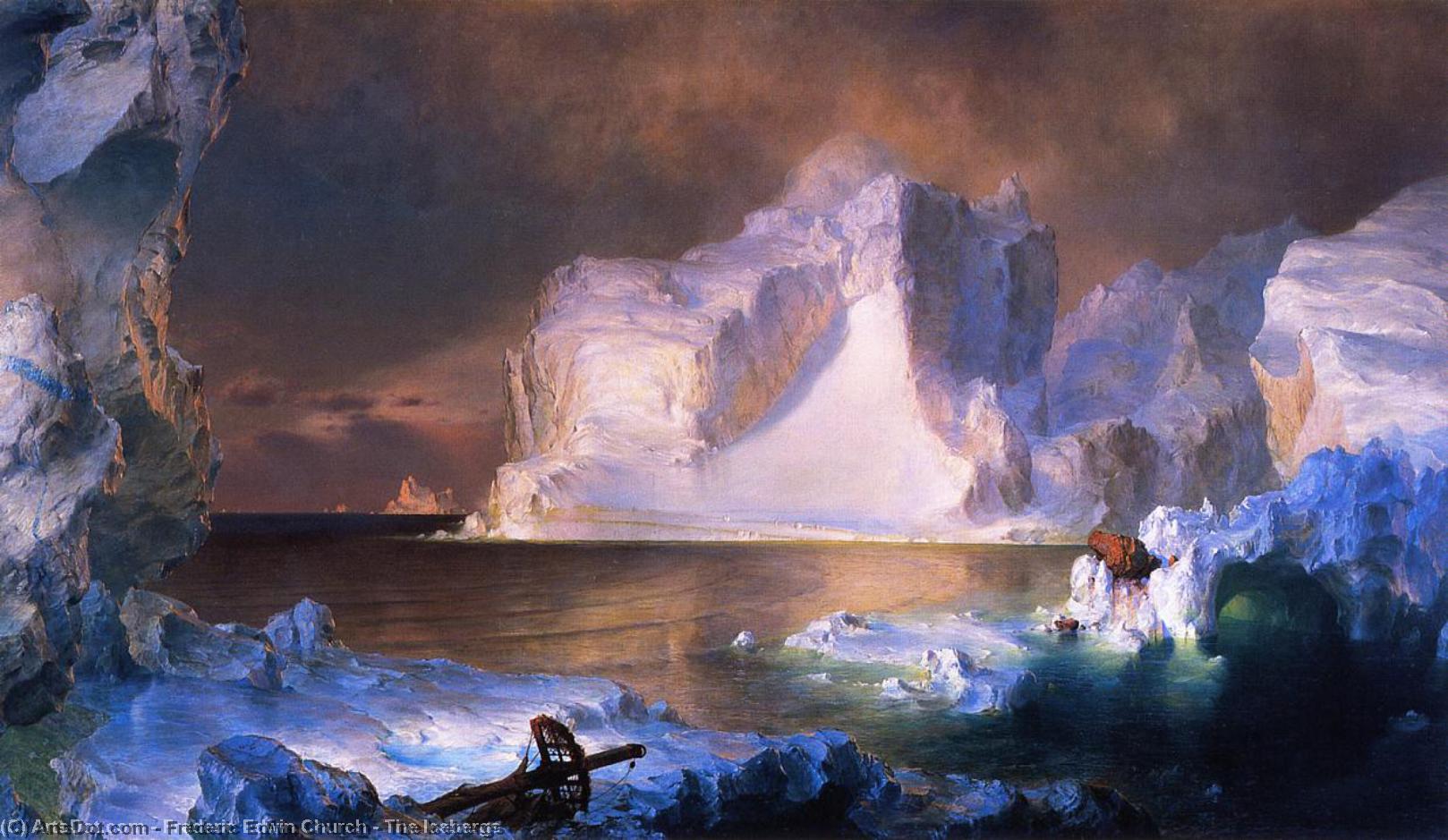
The Icebergs


 Leggi tutto
Riproduzione a olio fatta a mano
Olio su tela dipinto a mano nelle tue dimensioni e con la tua cornice, realizzato su ordinazione dai nostri artisti. ( Ordina stampa Acquista download)




P118B $10

P118H $10

P118W $10

P438Z $10

P508JH $12

P508YH $12

P805H $10

P805Z $10

P919BZ $10

P919G $10

P919XJ $10

P959ZH $10

P968JZ $12

W106C $8

W218G $10

W218JH $8

W218Y $10

W307PJ $10

W316G $10

W316PJ $8

W316Y $10

W398PJ $8

W4111J $10

W500HY $15

W500JH $15

W692G $12

W849H $8

W940BG $15

W953PJ $8




Scegli tra le nostre dimensioni predefinite, che rispettano le proporzioni originali dell'opera d'arte.

È possibile inserire dimensioni personalizzate per adattare l'opera a una cornice o a uno spazio specifico. Se la dimensione selezionata non corrisponde alle proporzioni dell'immagine originale, provvederemo a ritagliare l'opera o a estendere il dipinto con elementi aggiuntivi dipinti a mano. Un mockup digitale ti sarà inviato per approvazione prima dell'inizio della produzione.
Si prega di notare che l'anteprima a schermo non riflette il ritaglio o l'estensione effettivi. Solo il mockup mostrerà accuratamente la composizione finale.
Sebbene siano disponibili dimensioni personalizzate, consigliamo di selezionare una dimensione dall'elenco predefinito per preservare le proporzioni originali.
Dopo l'ordine, il team di OriginalUniqueArt.com contatterà il cliente via e-mail per le istruzioni e fornirà un'anteprima del mockup
Consegna in tutto il mondo () in 3/4 settimane anziché nelle normali 5 settimane. (18 Agosto). Nessun compromesso sulla qualità.

Spedizione espressa gratuita in tutto il mondo

Tela in lino di alta qualità

Assicurazione completa sulla spedizione

Garanzia di rimborso dei dazi doganali

Garanzia di fedeltà cromatica dell'originale

Politica di reso entro 60 giorni (solo per difetti di fabbricazione)

Garanzia di rimborso al 100%

Sconto per acquisti multipli
 L'opzione vetro è disponibile solo per dimensioni inferiori a 110 cm

The Icebergs
Tecnica di riproduzione
Dimensioni della riproduzione
-


Prezzo totale
$ 300
Descrizione dell'opera
A Frozen Symphony: Frederic Edwin Church’s “The Icebergs”
Frederic Edwin Church's "The Icebergs," painted in 1861, isn't merely a landscape; it’s an immersive experience—a journey into the heart of the Arctic wilderness. More than just a depiction of ice and water, this monumental canvas embodies the burgeoning American fascination with exploration, scientific discovery, and the sublime beauty of nature during a pivotal moment in the nation’s history. Church, a leading figure of the Hudson River School, sought to capture not simply what he saw, but also the *feeling* of being confronted by such immense, primordial power – a sentiment deeply influenced by his friend and mentor, Thomas Cole, and further shaped by the writings of Alexander von Humboldt.
The painting’s genesis lies in Church's own expedition to Newfoundland and Labrador in 1859. He meticulously documented the journey through hundreds of pencil sketches, capturing the subtle shifts in light, texture, and atmosphere on the ice floes. This painstaking observation informed his final masterpiece, a testament to his commitment to realism and scientific accuracy. Unlike many Romantic artists who idealized nature, Church sought to represent it with astonishing detail—the crystalline structure of the ice, the play of light on its surface, the subtle gradations of blue and white. He wasn’t simply painting a scene; he was rendering an environment, striving for a level of fidelity that bordered on scientific illustration.
The Language of Light and Shadow
Church's masterful use of color is central to the painting’s impact. He employs a carefully orchestrated palette of blues, whites, and greys—not in flat, uniform tones, but with an astonishing range of subtle variations. The dominant hues are those of the Arctic – icy blues, turquoise greens, and shimmering whites—but he introduces hints of ochre and grey to suggest the distant mountains and the darkening sky. The light itself is crucial; it’s not a bright, cheerful sun, but rather a diffused, almost ethereal glow that seems to emanate from within the ice itself. This creates an atmosphere of profound stillness and isolation.
Technically, Church employed a technique known as “atmospheric perspective,” or *sfumato*, which he learned from studying the works of Leonardo da Vinci. He layered thin washes of paint to create a sense of depth and distance, blurring details in the background and emphasizing the sharpness of objects closer to the viewer. The brushstrokes are remarkably delicate—almost invisible—contributing to the painting’s smooth, luminous surface. He used a glazing technique, applying multiple layers of translucent color over dried underlayers, building up the image gradually until it achieved its final richness and complexity.
A Symbol of Isolation and Wonder
“The Icebergs” is more than just a beautiful landscape; it’s laden with symbolic meaning. The vastness of the Arctic expanse evokes a sense of isolation—a feeling of being utterly alone in the face of nature's immense power. The towering icebergs, sculpted by wind and water over millennia, represent the enduring strength and resilience of the natural world. Yet, despite this sense of solitude, there’s also an undeniable feeling of wonder and awe. The painting captures a moment of sublime beauty—a glimpse into a realm that is both terrifying and enchanting.
The inclusion of a small boat in the foreground provides a human element within this vast wilderness, subtly reminding us of our own vulnerability and insignificance when confronted with such overwhelming natural forces. It’s a deliberate juxtaposition – a tiny vessel dwarfed by the immensity of the Arctic landscape. The painting reflects the anxieties and aspirations of 19th-century America—a nation grappling with its identity as it expanded westward, seeking to conquer new frontiers while simultaneously recognizing the power and majesty of the natural world.
A Legacy of Romantic Grandeur
“The Icebergs” remains one of Frederic Edwin Church’s most celebrated works, and a cornerstone of American landscape painting. Its influence can be seen in the work of later artists, including Albert Bierstadt and Thomas Moran, who continued to explore the themes of wilderness and exploration. Today, reproductions of this iconic painting continue to captivate audiences with its dramatic scale, luminous colors, and profound sense of atmosphere. It’s a powerful reminder of the beauty and fragility of our planet—and the enduring allure of the unknown.
Biografia dell'artista
Primi Anni e Formazione
Frederic Edwin Church, figura di spicco della Hudson River School di pittori paesaggisti americani, nacque il 4 maggio 1826 a Hartford, Connecticut. Era un discendente diretto di Richard Church, un pioniere puritano inglese che accompagnò Thomas Hooker nel viaggio attraverso la wilderness verso quello che sarebbe diventato Hartford, Connecticut. La ricchezza della famiglia di Church gli permise di coltivare il suo interesse per l'arte fin dalla tenera età. All’età di diciotto anni, Church divenne allievo di Thomas Cole, artista britannico e fondatore della Hudson River School, a Catskill, New York. Questo apprendistato biennale gettò le basi per il futuro successo di Church come pittore paesaggista.Stile Artistico e Influenze
Lo stile di pittura di Church è caratterizzato da un'enfasi sui dettagli realistici, sulla luce drammatica e sulle viste panoramiche. Fu influenzato da Alexander von Humboldt, esploratore e scienziato prussiano, e la sua opera riflette il romanticismo dell’epoca. Lo stile di Church si distingue per l'uso di linee orizzontali basse, una prevalenza del cielo e dei "pennellate nascoste", che creano una superficie pittorica liscia e realistica.Opere Principali ed Esposizioni
- The Oxbow (1836), un paesaggio romantico che raffigura una piccola figura in un ambiente vasto e atmosferico.
- View from Mount Holyoke, Northampton, Massachusetts, una serie di schizzi e dipinti che mostrano l'abilità di Church nel catturare la bellezza della natura selvaggia americana.
- Esposizioni alla New-York Historical Society e alla National Gallery a Washington, D.C.
Sviluppo Artistico e Viaggi
Church si distinse per la sua capacità di creare opere monumentali che combinavano elementi realistici con una sensibilità romantica. I suoi viaggi in Sud America, ispirati dagli scritti di Alexander von Humboldt, portarono alla creazione di capolavori come Il Cuore delle Ande (1859), un’opera grandiosa che suscitò ammirazione e stupore per la sua rappresentazione della natura selvaggia. Successivamente, Church si dedicò a raffigurare paesaggi artici, dimostrando una versatilità artistica notevole.Significato Storico e Eredità
Church fu un artista prolifico che espose alcune delle sue opere principali in mostre individuali, attirando un vasto pubblico. La sua influenza sulla pittura di paesaggio americana è innegabile, e la sua opera continua ad essere celebrata per la sua bellezza e il suo significato storico.- Esplora i dipinti di Church alla New-York Historical Society o alla National Gallery a Washington, D.C.
- Scopri altre opere di Church su OriginalUniqueArt.com
- Leggi di Thomas Cole, mentore e collega artista della Hudson River School, su Wikipedia
- Scopri il movimento artistico della Hudson River School e i suoi artisti più importanti su OriginalUniqueArt.com

Frederic Edwin Church
1826 - 1900 , Stati Uniti d'America
Informazioni rapide
- Artisti Che Hanno Influenzato Questo Artista:
- Thomas Cole
- Alexander von Humboldt
- Data Di Nascita: 4 maggio 1826
- Luogo Di Nascita: Hartford, Stati Uniti d'America
- Movimento Artistico O Stile: Scuola del fiume Hudson
- Nazionalità: Americana
- Nome Completo: Frederic Edwin Church
- Opere Notevoli:
- The Oxbow
- View from Mount Holyoke
- Il cuore delle Ande
- Crepuscolo nella natura selvaggia
Articoli correlati

Frederic Edwin Church e la Sublime Visione del Paesaggio Americano: Luce, Scienza e Spiritualità nell'Era Luminista
Esplora la sublime visione del paesaggio americano con Frederic Edwin Church e la Hudson River School. Analisi di opere chiave, influenze scientifiche e l'eredità artistica di un maestro del luminismo.
I 10 Capolavori della Scuola del Fiume Hudson: Arte, Storia e Decorazioni Raffinate
Esplora i 10 capolavori della Scuola del Fiume Hudson: Cole, Church e Bierstadt. Scopri la storia, le tecniche e l'emozione di questi iconici paesaggi americani. Trova riproduzioni artistiche di alta qualità su OriginalUniqueArt.com!
I 10 Capolavori del Paesaggio: Arte, Storia e Decorazioni Raffinate | OriginalUniqueArt
Esplora i 10 capolavori del paesaggio artistico! Da Monet a Van Gogh, scopri la storia e le tecniche dietro quadri iconici. Trova stampe su tela di alta qualità per decorare casa con arte e stile. Scopri tutte le opere su OriginalUniqueArt.com
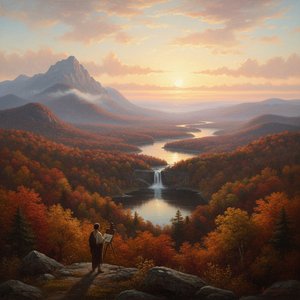
The Sublime Landscape: Exploring the Hudson River School Movement
Explore the captivating world of the Hudson River School! Discover the history, artists, and defining characteristics of this iconic American art movement. Learn about Romanticism's influence & find inspiration for your collection.

Echoes of Arcadia: Nostalgia & Transformation in Vintage Landscape Art
Explore the evocative world of vintage landscape art! Discover the history, artists & emotional power behind masterpieces from the Hudson River School & beyond. Expert insights for collectors & enthusiasts.