
 Anteprima in scala reale
 Invia
Invia Condividi
 Dettagli opera
 Guida
Guida

 Scarica
 Simili
 Radiografia
 Slideshow
 Domande e risposte
 Statistiche
The Spring

- 70.0 x 68.0 cm


 Espandi i dettagli
Giclée / Stampe d'arte
Stampa giclée o su tela di qualità museale, con produzione rapida e diverse opzioni di finitura. ( Acquista il dipinto realizzato a mano Passa all'immagine digitale)




P118B €10

P118H €10

P118W €10

P438Z €10

P508JH €12

P508YH €12

P805H €10

P805Z €10

P919BZ €10

P919G €10

P919XJ €10

P959ZH €10

P968JZ €12

W106C €8

W218G €10

W218JH €8

W218Y €10

W307PJ €10

W316G €10

W316PJ €8

W316Y €10

W398PJ €8

W4111J €10

W500HY €15

W500JH €15

W692G €12

W849H €8

W940BG €15

W953PJ €8




Scegli tra le nostre dimensioni predefinite, che rispettano le proporzioni originali dell'opera d'arte.

Inserisci la larghezza e l'altezza desiderate, per adattarle alla tua cornice o alla tua parete. Una stampa può essere solo ritagliata, mai resa più grande dell'immagine originale; pertanto, un formato con una forma differente comporterà la perdita di una parte dell'opera. Ti invieremo un mockup digitale da approvare prima di procedere con la stampa. L'immagine mostrata in questa pagina non rappresenta il ritaglio reale — solo il mockup lo mostra.
Consegna in tutto il mondo () in 2 settimane invece delle normali 4/5 settimane. (4 Novembre)

Spedizione espressa gratuita in tutto il mondo

Tela in lino di alta qualità

Assicurazione completa sulla spedizione

Garanzia di rimborso dei dazi doganali

Garanzia di fedeltà cromatica assoluta

Politica di reso entro 100 giorni (solo per difetti di fabbricazione)

Garanzia di rimborso al 100%

Offerta per acquisti multipli
 L'opzione vetro è disponibile solo per dimensioni inferiori a 110 cm

The Spring
Giclée / Stampe d'arte
Dimensioni riproduzione
-


Prezzo finale calcolato
€ 72
A Vision of Rebirth: The Ethereal Essence of Franz Ritter von Stuck
In the delicate interplay of light and shadow within The Spring, one finds more than a mere depiction of a season; one encounters a profound visual poem. Completed in 1902, this masterpiece by the German Symbolist master Franz Ritter von Stuck serves as an immersive gateway into the soul of renewal. The painting presents a young woman, poised with a grace that feels both ancient and immediate, bathed in an ethereal glow that seems to emanate from within the canvas itself. As she rests amidst the skeletal beauty of bare branches, her presence acts as a catalyst for life, signaling the transition from winter's slumber to the vibrant awakening of the natural world. For the discerning collector or interior designer, this work offers a rare emotional depth, bringing a sense of serene vitality and timeless elegance to any curated space.
The composition is a masterful study in Symbolist intrigue and Impressionistic sensitivity. Stuck utilizes a shallow perspective that draws the viewer into an intimate encounter with the subject, focusing our gaze on the soft contours of her face and the lush texture of her flowing hair. The organic lines of the surrounding flora mirror the natural curves of the female form, creating a rhythmic harmony that suggests an unbreakable bond between humanity and the earth. While the painting is anchored in the symbolic traditions of the late 19th century, Stuck’s technique breathes with a modern vitality; his use of impasto—the thick, tactile application of oil paint—builds a rich surface that captures the fleeting nuances of light. This textural depth ensures that the artwork remains dynamic, shifting in character as light hits the canvas from different angles.
Symbolism and the Language of Nature
Every element within The Spring is laden with intentional meaning, designed to evoke a sense of abundance and purity. The subject’s nudity is not merely an aesthetic choice but a profound symbol of vulnerability and an unadorned connection to the primordial world. This theme of innocence is further enriched by the presence of plump grapes held within her grasp, a classical motif representing fertility, plenty, and the cyclical nature of life. Against a backdrop of hazy azure skies and muted earth tones, these symbols resonate with a quiet power, inviting contemplation on the eternal cycles of growth and decay.
For those seeking to integrate fine art into a sophisticated interior, this piece provides a versatile emotional anchor. Its palette—a harmonious blend of cool blues, verdant greens, and warm browns—complements both contemporary minimalist settings and more opulent, classical decors. The painting does not merely occupy a wall; it transforms an environment, infusing it with a dreamlike atmosphere that encourages stillness and reflection. To possess a reproduction of such a significant work is to invite the spirit of the Belle Époque into the modern home, celebrating a moment in art history where myth, nature, and human emotion converged in perfect, luminous balance.
Domande e risposte
"The Spring" di Franz Ritter von Stuck è un'opera dai toni chiari o scuri?
"The Spring" presenta una luminosità complessiva di balanced e una luminanza pari a Gentle Luminance.
Dove posso trovare le statistiche relative a "The Spring" di Franz Ritter von Stuck?
Le statistiche relative a "The Spring" di Franz Ritter von Stuck sono consultabili nella pagina Statistiche dell'opera: visite mensili dell'opera, visite alle opere dell'artista e ripartizione dei visitatori recenti per paese e lingua.
A chi è consigliato "The Spring" come regalo e per quale occasione?
"The Spring" di Franz Ritter von Stuck è consigliato come regalo per Seasonal Gift, specialmente per Accent. Una riproduzione dell'opera può essere offerta come dono.
Biografia dell'artista
Franz Ritter von Stuck: Una Vita nell'Arte
Franz Ritter von Stuck (1863-1928) è stato un influente pittore, scultore, incisore e architetto tedesco. È una figura chiave del movimento simbolista e un contributore fondamentale al passaggio dall’historicismo del XIX secolo all'arte moderna.
Primi Anni di Vita ed Educazione
Nato il 23 febbraio 1863 a Tettenweis, in Baviera (Germania), Stuck ha trascorso i suoi primi anni immerso nelle tradizioni rurali. Inizialmente intendeva seguire le orme del padre come forestiero, ma ha dimostrato un precoce talento per l'arte. La sua formazione artistica formale è iniziata alla Kunstgewerbeschule (Scuola di Arti Applicate) a Monaco nel 1878-1881, studiando sotto Ferdinand Barth. Ha poi continuato la sua istruzione all’Accademia d'Arte di Monaco (1882-1884), dove è stato influenzato da Arnold Böcklin, le cui pitture evocative e mitologiche hanno profondamente influenzato la direzione artistica di Stuck.
Ascesa alla Promozione & Sviluppo Artistico
Stuck ha rapidamente ottenuto riconoscimento per i suoi lavori drammatici e spesso sensuali. Il suo successo è arrivato con Il Guardiano del Paradiso (1889), esposto al Palazzo di Vetro di Monaco, guadagnandosi una medaglia d'oro. Questo dipinto mostrava il suo stile emergente – un mix di precisione classica, soggetto mitologico e sottotesti simbolisti. Nel 1892, ha co-fondato la Munich Secession, un gruppo di artisti che si è separato dalle convenzioni artistiche conservatrici per promuovere l'arte moderna. Lo stesso anno ha creato la sua prima scultura, L’Atleta. L'anno successivo, Il Peccato (1893) ha consolidato la sua reputazione come maestro della pittura simbolista.
Temi Chiave e Influenze
Le opere di Stuck sono caratterizzate da diversi temi ricorrenti:
- Mitologia: Spesso si è ispirato a miti greci, romani e biblici, reinterpretando questi racconti con un tocco personale e spesso drammatico.
- Sensualità e la Femme Fatale: I suoi dipinti spesso presentano figure femminili potenti e seducenti – in particolare Salomone – che incarnano temi di desiderio, pericolo e ambiguità morale.
- Influenze Classiche: La tecnica meticolosa di Stuck e l'enfasi sulla precisione anatomica riflettono una profonda ammirazione per l'arte classica.
Oltre a Böcklin, Stuck è stato influenzato dai Pre-Raffaelliti e dal lavoro di Gustave Moreau. A sua volta, ha profondamente influenzato le generazioni successive di artisti.
Insegnamento & Riconoscimenti
Nel 1895, Stuck ha iniziato a insegnare pittura all'Accademia di Monaco, diventando un apprezzato istruttore. Tra i suoi studenti più notevoli figurano Paul Klee, Hans Purrmann e Josef Albers. La sua influenza si è estesa oltre l'istruzione tecnica; ha incoraggiato i suoi studenti a esplorare le loro visioni artistiche individuali. È stato nominato cavaliere il 9 dicembre 1905, diventando “Ritter von Stuck”, un tributo alla sua crescente fama. Ha ricevuto numerosi premi e onori in tutta Europa.
Grandi Realizzazioni & Opere Notabili
- La Primavera (1886): Una vivace rappresentazione della stagione, che mostra la sua precoce maestria nel colore e nella composizione.
- Dissonanza (1893): Un ritratto inquietante di una donna che suona il violino, che incarna il tormento emotivo.
- Salomone (diverse versioni): Forse la sua opera più famosa, che rappresenta la storia biblica con sensualità e profondità psicologica notevoli.
- L’Atleta (1892): Una potente scultura che dimostra la sua abilità nella forma tridimensionale.
Significato Storico & Eredità
Franz von Stuck ha svolto un ruolo cruciale nel plasmare il movimento simbolista in Germania. Le sue opere hanno colmato il divario tra la tradizione accademica e l'esperimento artistico moderno. Era spesso chiamato “Principe dell’Arte” durante la sua vita, riflettendo la sua immensa popolarità e influenza. La sua Villa Stuck a Monaco, ora un museo, testimonia la sua vita e il suo lavoro, offrendo spunti sulla sua visione artistica e sul contesto culturale della Germania alla fine del XIX e all'inizio del XX secolo. La sua eredità continua a ispirare artisti e appassionati d’arte oggi.

Franz Ritter von Stuck
1863 - 1928 , Germania
Dettagli rapidi
- Artistic Movement Or Style: Symbolism
- Artists Who Influenced This Artist:
- Arnold Böcklin
- Gustave Moreau
- Date Of Birth: February 23, 1863
- Date Of Death: August 30, 1928
- Full Name: Franz Ritter von Stuck
- Nationality: German
- Notable Artworks:
- The Guardian of Paradise
- Salome
- The Sin
- Athlete
- Place Of Birth: Tettenweis, Germany
Articoli correlati

L’Essenza dell’Olio su Tela: Storia, Tecnica e l'Incorruttibile Bellezza dei Grandi Maestri
Scopri i segreti tecnici e la storia della pittura a olio tra maestria e scienza. Approfondisci l'arte dei grandi maestri ora.
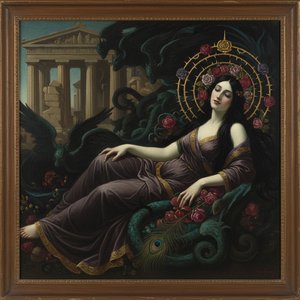
Franz von Stuck: Simbolismo, Decadenza e la Ricerca dell'Ideale di Bellezza
Esplora la vita e le opere di Franz von Stuck, maestro del simbolismo tedesco. Analisi approfondite dei suoi dipinti più famosi, l'influenza della Secessione di Monaco e il contesto storico del Fin de siècle.

The Enduring Legacy of Oil on Canvas: Technique, History & Aesthetic Impact
Explore the rich history & techniques of oil painting – from Renaissance masters to Impressionism. Discover pigments, layering methods, and why this timeless medium endures. Expert insights for artists & art enthusiasts.

The Enduring Power of Painting: A Historical & Contemporary Exploration of Form and Emotion
Explore the rich history & enduring techniques of oil painting with OriginalUniqueArt. Discover masterpieces, learn about art collecting, and find authentic handmade reproductions crafted by skilled artists.

The Enduring Allure of the Nude: A Historical & Artistic Exploration of the Human Form
Explore the captivating history of nude art! Discover iconic paintings & artists from classical to modern eras. Uncover symbolism, techniques & find museum-quality reproductions at OriginalUniqueArt.


