- Home

- Immagine digitale
- Franz Ehrlich
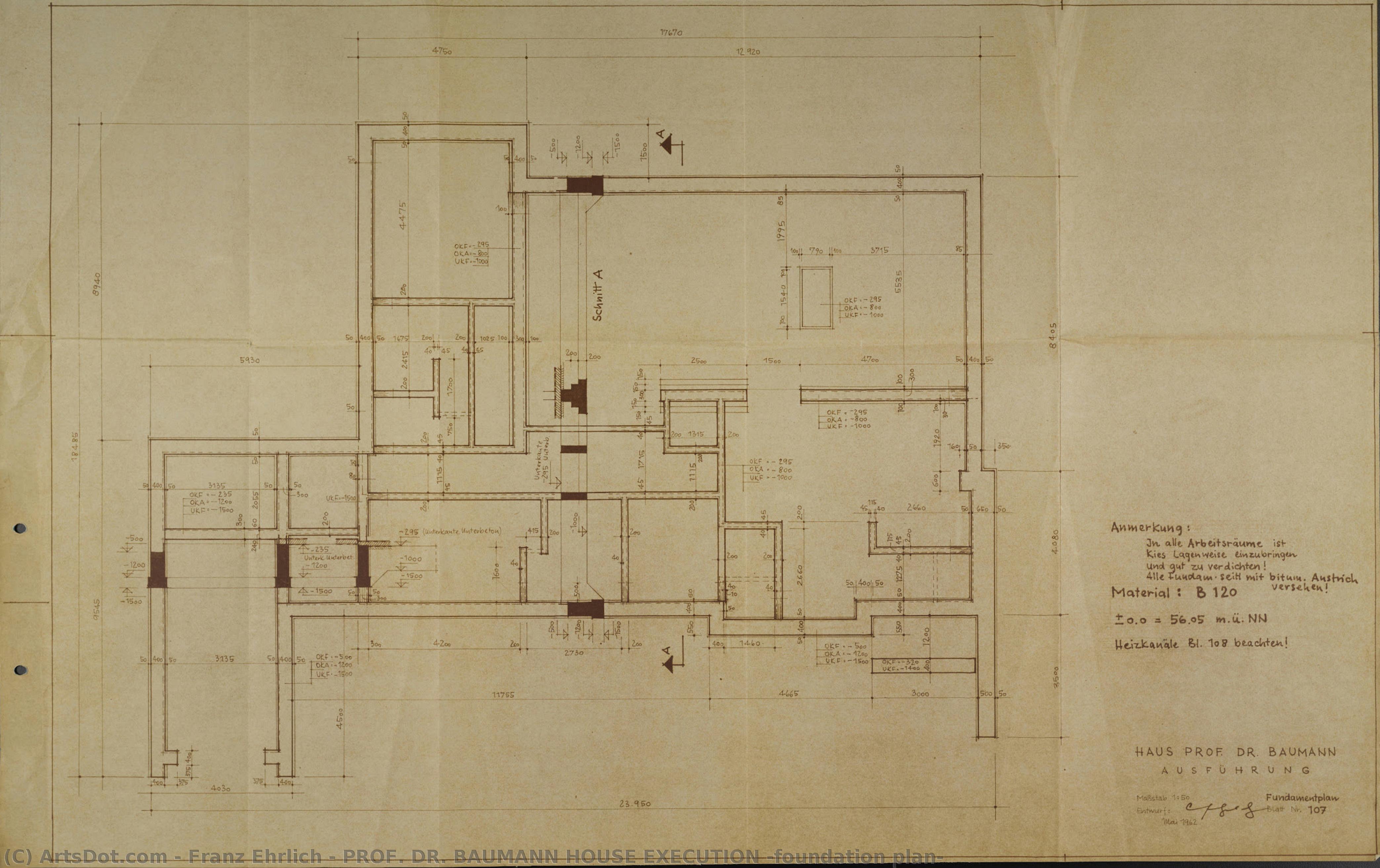
- PROF. DR. BAUMANN HOUSE EXECUTION (foundation plan)
 Acquista stampa Ordina la riproduzione
 Invia
Invia
 Condividi
 Dettagli opera
 Aggiungi ai preferiti

 Scarica
 Simili
 Radiografia
 Slideshow
PROF. DR. BAUMANN HOUSE EXECUTION (foundation plan)
 Drawing
- WallArt
 1962
1962- Modern
 49.0 x 78.0 cm
 Fondazione Bauhaus Dessau
 Scopri di più
Acquista un'immagine digitale ad alta risoluzione e ottimizzata, di qualità nettamente superiore all'anteprima online.
Ogni file è meticolosamente preparato dai nostri specialisti interni attraverso l'uso di strumenti avanzati e un sapiente ritocco manuale. Garantiamo che ogni immagine presenti una chiarezza eccezionale, una precisione cromatica impeccabile e dettagli raffinati.
Il file finale viene consegnato via e-mail entro 72 ore, ottimizzato per un uso immediato in contesti professionali, editoriali e di stampa. Si tratta della stessa qualità affidata dai più prestigiosi studi di design, editori e gallerie d'arte.
Immagine Digitale
Scarica un file ad alta risoluzione per uso personale, per la stampa e per progetti creativi.
Incluso in ogni ordine di immagini digitali
Consegna digitale professionale e garantita
Quando scegli OriginalUniqueArt.com, non riceverai solo un'immagine: riceverai un'opera d'arte digitale professionalmente ottimizzata, realizzata con la massima precisione e accompagnata da una garanzia di soddisfazione. Ecco tutto ciò che include il tuo ordine, automaticamente:

Consegna rapida via email
Riceverai il file dell'immagine digitale ad alta risoluzione via email entro 72 ore dall'ordine, pronto per un uso immediato.

File digitale ottimizzato dall'IA
La tua opera d'arte viene ottimizzata professionalmente attraverso l'uso di strumenti avanzati di intelligenza artificiale e una revisione manuale, garantendo il massimo livello di dettaglio, nitidezza e accuratezza cromatica.

Riconsegna gratuita a vita
Hai eliminato o perso accidentalmente il tuo file? Non preoccuparti: te lo invieremo di nuovo in qualsiasi momento, gratuitamente.

Nessun costo di importazione - Sempre
Goditi la tua opera d'arte istantaneamente senza costi doganali, dazi o spese di spedizione: i download digitali sono sempre esenti da tasse.

Garanzia di fedeltà cromatica
Garantiamo che la tua immagine digitale rifletta i colori originali con la massima fedeltà, grazie all'uso di strumenti professionali e a una gestione accurata del colore.

Garanzia di soddisfazione di 60 giorni
Se non sei soddisfatto della tua immagine digitale, la revisioneremo o ti rimborseremo il 100% entro 60 giorni, senza domande.

Garanzia di rimborso al 100%
Non sei soddisfatto? Ricevi un rimborso completo entro 60 giorni dalla ricezione del tuo file digitale, senza dover fornire spiegazioni.

Sconti per ordini multipli
Acquista 3 immagini, risparmia il 10% - Acquista 5, risparmia il 15% - Acquista 10+, risparmia il 20%. Ideale per progetti creativi, gallerie e agenzie.
Descrizione del Collezionabile
The Blueprint of Precision: A Legacy in Line and Form
In the quiet intersection of architecture and fine art lies the profound beauty of PROF. DR. BAUMANN HOUSE EXECUTION (foundation plan), a masterful work by the German visionary Franz Ehrlich. Created in 1962, this black and white drawing transcends its utilitarian origins to become a captivating study of structure, space, and mathematical elegance. At first glance, the viewer is presented with the skeletal essence of a home—a meticulous foundation plan that maps out the intimate rhythms of domestic life. Through delicate yet decisive lines, Ehrlich delineates kitchens, living rooms, and bathrooms, transforming mere measurements into a rhythmic dance of geometry. The drawing invites the observer to wander through a phantom architecture, where every window and door serves as a portal into a carefully orchestrated way of living.
The technique employed here is a testament to the Bauhaus spirit that deeply informed Ehrlich’s formative years. There is an undeniable clarity in his execution; the stark contrast of black ink against a pale ground emphasizes the purity of form over decorative excess. This is not merely a technical document but a piece of graphic art where the weight of a line can suggest the strength of a wall or the lightness of an opening. For the collector, this work offers a sophisticated minimalism, making it an ideal centerpiece for modern interiors that value clean lines and intellectual depth. The precision of the measurements provides a sense of groundedness, while the airy layout suggests a breathability that is rare in architectural drafting.
A Narrative of Resilience and Design
To look upon this foundation plan is to engage with the complex history of its creator. Franz Ehrlich’s life was one of profound upheaval, shaped by his education at the prestigious Bauhaus in Dessau and later tested by the political turbulence of mid-century Europe. Having survived the harrowing experiences of imprisonment under the Nazi regime, Ehrlich’s later works, such as this 1962 plan, reflect a return to the fundamental principles of order and reconstruction. There is a quiet, resilient dignity in these lines; they represent the act of building something permanent and functional amidst a world that had seen so much destruction. The plan is more than a layout for a house; it is a blueprint for stability.
For interior designers and art enthusiasts alike, this piece serves as an evocative anchor in any curated space. It possesses a timeless quality that bridges the gap between historical documentation and contemporary aesthetic. When placed within a gallery setting or a thoughtfully designed living room, the PROF. DR. BAUMANN HOUSE EXECUTION acts as a conversation starter, prompting reflections on how we inhabit space and how the structures we build reflect our inner need for organization and peace. It is a rare find—a work that captures the soul of architecture through the disciplined lens of graphic design, offering an enduring sense of harmony to all who behold it.
Biografia dell'artista
Early Life and Education
Franz Ehrlich, a name synonymous with both architectural innovation and poignant political experience, was born in Reuth, Germany, in 1907. From his earliest years, a deep-seated passion for the arts ignited within him – a desire to translate vision into tangible form. This innate inclination led him to enroll at the Bauhaus in Dessau, one of the most influential art schools of the 20th century, from 1927 to 1930. The Bauhaus wasn’t merely an educational institution; it was a crucible where radical ideas about design, function, and aesthetics were forged. Here, Ehrlich immersed himself in the avant-garde movements of the time, absorbing the philosophies of Walter Gropius, László Moholy-Nagy, Paul Klee, and Joost Schmidt – figures who profoundly shaped his artistic perspective. His training encompassed carpentry, typography, and a deep understanding of spatial relationships, laying the groundwork for his future architectural endeavors. The rigorous environment fostered a meticulous approach to craft and a commitment to exploring new forms of expression.Artistic Career and Communist Affiliation
Ehrlich’s life took a dramatic turn when he became deeply involved with the communist party in Germany. This political engagement, while driven by a genuine belief in social justice, ultimately led to his arrest and imprisonment by the Nazi regime in 1935. His incarceration in Zwickau prison and later at Buchenwald concentration camp represents a harrowing chapter in his life – an experience that indelibly marked his artistic trajectory. Despite these immense hardships, Ehrlich refused to abandon his creative pursuits. He continued to work as an architect and designer, producing works that reflected both the constraints of his circumstances and his unwavering spirit. Notably, he designed the entrance gate inscription for Buchenwald: “Jedem das Seine” – a phrase laden with irony and profound meaning in the context of the camp’s brutal reality. This act, simultaneously defiant and deeply sorrowful, stands as a testament to his complex moral compass. His work during this period demonstrates an extraordinary ability to find beauty and purpose even amidst unimaginable suffering.Notable Works
Ehrlich's artistic output spanned diverse disciplines, showcasing his versatility and innovative spirit. Among his most significant achievements are: the “800 YRS. FRAMEWORK WALL 3,” a monumental installation that explored the relationship between space and time; an exhibit display rack design for the Leipzig Trade Fair, demonstrating his mastery of spatial planning and visual communication; and the execution plan for Professor Dr. Baumann’s house, revealing his meticulous attention to detail and architectural expertise. Perhaps most strikingly, he conceived of “1933,” a groundbreaking photo-sculptural advertising project that seamlessly blended photography and sculpture – an experimental approach that foreshadowed later developments in multimedia art. These projects weren't simply functional; they were imbued with a sense of intellectual curiosity and a desire to push the boundaries of artistic expression. His work consistently sought to integrate form, function, and meaning in innovative ways.Museums and Collections
Ehrlich’s legacy is preserved through several key institutions: The OriginalUniqueArt.com website features an extensive collection of his works, offering a comprehensive overview of his artistic output. Furthermore, the Bauhaus Dessau Foundation in Dessau-Roßlau, Germany, serves as a vital repository for his architectural drawings, models, and other archival materials. The museum’s dedication to preserving and interpreting the Bauhaus legacy ensures that Ehrlich's contributions to modern design continue to be recognized and appreciated. His work is also featured within the broader context of German art history, offering valuable insights into the artistic landscape of the interwar period.Legacy and Impact
Franz Ehrlich’s life story is a poignant reflection of the tumultuous era in which he lived – a time marked by political upheaval, social unrest, and profound human suffering. His experiences as an artist, architect, and political activist shaped his creative vision and left an enduring impact on the world of art and design. He demonstrated remarkable resilience in the face of adversity, refusing to allow his circumstances to extinguish his artistic spirit. Ehrlich’s work serves as a reminder of the power of art to transcend boundaries, challenge conventions, and bear witness to the complexities of human experience. His legacy continues to inspire artists and designers today, urging them to embrace innovation, social responsibility, and the enduring pursuit of beauty.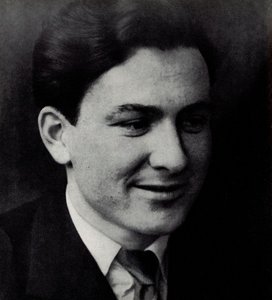
Franz Ehrlich
1907 - 1984 , Germania
Informazioni rapide
- Artistic Movement Or Style: Bauhaus, Espressionismo
- Artists Or Movements Influenced By This Artist: ['Young Communist League']
- Artists Who Influenced This Artist:
- Walter Gropius
- Moholy-Nagy
- Klee
- Joost Schmidt
- Date Of Birth: 1907
- Full Name: Franz Ehrlich
- Nationality: Tedesco
- Notable Artworks:
- 800 YRS. FRAMEWORK WALL 3
- Painting with Violin
- Ground Plan and Views
- Place Of Birth: Reuth, Germania

