Text size

() ·

A painting made for you, by hand

Riproduzione a olio fatta a mano

Olio su tela dipinto a mano nelle tue dimensioni e con la tua cornice, realizzato su ordinazione dai nostri artisti. ( Passa alle stampe Passa all'immagine digitale)

Descrizione del reperto

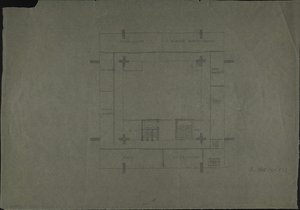
Ammira la planimetria architettonica di Franz Ehrlich 'DEVELOPMENT SCHEMES', che mostra dettagli meticolosi e precisione geometrica: una testimonianza dei principi Bauhaus e degli ideali comunisti.

Biografia dell'artista

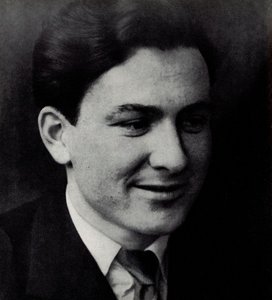
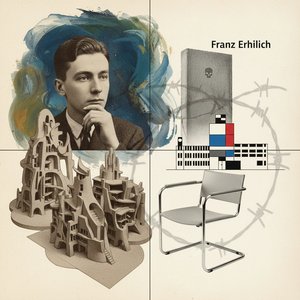
Franz Ehrlich: architetto tedesco, calligrafo e grafico con influenze Bauhaus e legami comunisti. Scopri le sue opere innovative e il suo contributo all’arte del XX secolo.

from ·

Chapter 1

How large should it be?

Slide to change the size; the picture on the left shows the frame at its real width. The proportions of the original are kept.

Formato standard
su misura
CM
INCH

Scegli tra le nostre dimensioni predefinite, che rispettano le proporzioni originali dell'opera d'arte.

larghezza
altezza

Inserisci la larghezza e l'altezza desiderate, per adattarle alla tua cornice o alla tua parete. Trattandosi di un'opera dipinta a mano, in caso di dimensioni con un formato differente, l'artista può estendere leggermente il dipinto oltre i bordi dell'immagine o ritagliare una piccola parte — la scelta spetta a te. Ti invieremo un mockup digitale da approvare prima che la realizzazione abbia inizio. L'immagine mostrata in questa pagina non rappresenta il risultato finale — solo il mockup lo fa.

Chapter 2

How should it arrive?

Choose the edges of the stretched canvas

Choose your frame

Corner sample of the WhiteWrap canvas edge finish, stretched on legno massello bars
White €1
Corner sample of the BlurSideWrap canvas edge finish, stretched on legno massello bars
Blurside €1
Corner sample of the ExtendedWrap canvas edge finish, stretched on legno massello bars
Extended €1
Corner sample of the P118B picture frame: polistirene stampato, 5 cm wide and 3 cm thick
P118B €10
Corner sample of the P118H picture frame: polistirene stampato, 5 cm wide and 3 cm thick
P118H €10
Corner sample of the P118W picture frame: polistirene stampato, 5 cm wide and 3 cm thick
P118W €10
Corner sample of the P438Z picture frame: polistirene stampato, 5.5 cm wide and 3.5 cm thick
P438Z €10
Corner sample of the P508JH picture frame: polistirene stampato, 7 cm wide and 3.5 cm thick
P508JH €12
Corner sample of the P508YH picture frame: polistirene stampato, 7 cm wide and 3.5 cm thick
P508YH €12
Corner sample of the P805H picture frame: polistirene stampato, 5 cm wide and 3.5 cm thick
P805H €10
Corner sample of the P805Z picture frame: polistirene stampato, 5 cm wide and 3.5 cm thick
P805Z €10
Corner sample of the P919BZ picture frame: polistirene stampato, 7 cm wide and 3.5 cm thick
P919BZ €10
Corner sample of the P919G picture frame: polistirene stampato, 7 cm wide and 3.5 cm thick
P919G €10
Corner sample of the P919XJ picture frame: polistirene stampato, 7 cm wide and 3.5 cm thick
P919XJ €10
Corner sample of the P959ZH picture frame: polistirene stampato, 5 cm wide and 3 cm thick
P959ZH €10
Corner sample of the P968JZ picture frame: polistirene stampato, 6 cm wide and 4 cm thick
P968JZ €12
Corner sample of the W106C picture frame: legno massello, 5 cm wide and 3 cm thick
W106C €8
Corner sample of the W218G picture frame: legno massello, 5 cm wide and 3 cm thick
W218G €10
Corner sample of the W218JH picture frame: legno massello, 5 cm wide and 3 cm thick
W218JH €8
Corner sample of the W218Y picture frame: legno massello, 5 cm wide and 3 cm thick
W218Y €10
Corner sample of the W307PJ picture frame: legno massello, 6 cm wide and 3 cm thick
W307PJ €10
Corner sample of the W316G picture frame: legno massello, 6 cm wide and 3 cm thick
W316G €10
Corner sample of the W316PJ picture frame: legno massello, 6 cm wide and 3 cm thick
W316PJ €8
Corner sample of the W316Y picture frame: legno massello, 6 cm wide and 3 cm thick
W316Y €10
Corner sample of the W398PJ picture frame: legno massello, 5 cm wide and 3 cm thick
W398PJ €8
Corner sample of the W4111J picture frame: legno massello, 6.5 cm wide and 3.5 cm thick
W4111J €10
Corner sample of the W500HY picture frame: legno massello, 7 cm wide and 5 cm thick
W500HY €15
Corner sample of the W500JH picture frame: legno massello, 7 cm wide and 5 cm thick
W500JH €15
Corner sample of the W692G picture frame: legno massello, 8 cm wide and 4 cm thick
W692G €12
Corner sample of the W849H picture frame: legno massello, 5 cm wide and 3 cm thick
W849H €8
Corner sample of the W940BG picture frame: legno massello, 7.5 cm wide and 4.5 cm thick
W940BG €15
Corner sample of the W953PJ picture frame: legno massello, 6 cm wide and 3.5 cm thick
W953PJ €8
Corner sample of the H24-GOLD picture frame: legno intagliato e gessato, 10 cm wide and 6 cm thick
H24-GOLD €30
Corner sample of the H24-SILVER picture frame: legno intagliato e gessato, 10 cm wide and 6 cm thick
H24-SILVER €30
Corner sample of the H36-GOLD picture frame: legno intagliato e gessato, 15 cm wide and 6.5 cm thick
H36-GOLD €45
Corner sample of the H36-SILVER picture frame: legno intagliato e gessato, 15 cm wide and 6.5 cm thick
H36-SILVER €45
Anteprima cornice
Con cornice

Moulding: . Overall size with the frame: .

Chapter 3

Who paints it, and should anything change?

Examples of what can be changed: Replace face with customer photo; Add pet (e.g., replace cat with dog); Include hidden message in background; Change background landscape or elements.
After order, OriginalUniqueArt.com team will email client for instructions and provide a mockup preview

Consegna in tutto il mondo () in 3/4 settimane anziché nelle normali 5 settimane. (1 Novembre). Nessun compromesso sulla qualità.

Chapter 4

The finishing touches

A nameplate, as in a museum?

Dettagli della targhetta in bronzo inciso

This elegant plaque features the artist's name and the title of the artwork, finely engraved for a timeless presentation.

It is made from bronze with a refined, elegant finish. The text is precisely laser-engraved for a sharp and permanent result. Measuring 9x2 cm, the plaque is compact yet easy to read. It's built to be durable and scratch-resistant, offering a professional, museum-quality look. Mounting is simple thanks to the included adhesive backing.

Dettagli della targhetta in acrilico trasparente

The plaque includes essential engraved details such as the artist's name, the title of the artwork, the date it was created, the type of media used-like oil on canvas or watercolor-a brief description of the piece, and a QR code that links to the complete artwork information.

It is crafted from clear acrylic, offering a sleek, modern appearance. The text is UV-engraved in black to ensure strong visual contrast. With a size of 10x15 cm, it ensures optimal readability. It comes equipped with two metal hooks for secure wall mounting. The plaque is designed to be weather-resistant, making it suitable for various environments, and it includes interactive features that work seamlessly with smartphone scanning.

Dettagli della targhetta in acrilico nero

This elegant plaque includes engraved information such as the artist's name, the title of the artwork, the date it was created, the type of media used (like oil on canvas or watercolor), a short description of the artwork, and a QR code for quick access to more information.

The plaque itself is made from refined black acrylic with a premium finish. The text is laser-engraved in white for high contrast and readability. Its size is 10x15 cm, designed to be easy to read. It comes with two metal hooks for professional mounting. The design is sleek and fits any interior style. It is also weather-resistant and durable, with built-in digital integration for mobile compatibility.

A protective varnish?

When do you need it?

Chapter 5

Your painting, as you ordered it

PIANI DI SVILUPPO. Edifici esistenti / sviluppo come attualmente previsto / sviluppo come dovrebbe essere previsto

Tecnica di riproduzione

Dimensioni riproduzione

-

Artisti di alto livello

Maggiore dettaglio, finezza e tempi di produzione dedicati

-

Cornice per riproduzione

-

-

Per opere d'arte o riproduzioni con un lato superiore a 105 cm (circa 41 pollici), la cornice verrà spedita in forma di kit smontato. Questo metodo garantisce una consegna sicura e previene danni durante il trasporto.

Montaggio professionale richiesto - non è un prodotto fai-da-te.
Il kit deve essere assemblato e la tela tesa da un esperto cornice professionista, utilizzando colla per legno (non inclusa), una pinza per tendere la tela e morsetti per mantenere i listelli in squadra durante l'asciugatura della colla. Un montaggio errato o una tensione non uniforme della tela possono danneggiare permanentemente l'opera d'arte e non sono coperti dalla nostra garanzia.

  • Tutte le barre in legno massello sono incluse, tagliate con precisione alle dimensioni corrette.

  • Da assemblare con le viti fornite e con la colla per legno per gli incastri degli angoli, che non è inclusa e dovrà essere reperita dal vostro corniceio.

  • Sono necessari strumenti professionali non inclusi: una pinza tendicanvas (tenditore) e dei morsetti per mantenere i listelli in squadra durante l'asciugatura della colla.

Importante:
Gli incastri d'angolo richiedono colla per legno, i listelli devono essere mantenuti in posizione con dei morsetti finché la colla non è completamente asciutta, e il tensionamento della tela sulla cornice assemblata richiede una pinza per tendere la tela. Nessuno di questi strumenti è incluso nel kit. Si prega di consultare un incorniciatore professionista esperto prima di ordinare questa misura.

Didascalia

-

-

Vernice protettiva

Vernice lucida (esalta i colori, protegge da luce e umidità)

-

Personalizza la mia opera

Esempi di personalizzazione: sostituire il volto con una foto del cliente; aggiungere un animale domestico (ad esempio, sostituire un gatto con un cane); inserire un messaggio nascosto nello sfondo; cambiare il paesaggio o gli elementi dello sfondo.

-

Consegna rapida

Consegna in tutto il mondo () in 3/4 settimane anziché nelle normali 5 settimane. (1 Novembre). Nessun compromesso sulla qualità.

-

Spedizione espressa

Spedizione in tutto il mondo () in 5 settimane. (8 Novembre).

Spedizione inclusa

Prezzo finale calcolato

€ 267

Prezzo totale € 267

L'opzione vetro è disponibile solo per dimensioni inferiori a 110 cm

Included with every order

  • Spedizione espressa gratuita in tutto il mondo
  • Tela in lino di alta qualità
  • Assicurazione completa sulla spedizione
  • Garanzia di rimborso dei dazi doganali
  • Garanzia di fedeltà cromatica assoluta
  • Politica di reso entro 100 giorni (solo per difetti di fabbricazione)
  • Garanzia di rimborso al 100%
  • Offerta per acquisti multipli

I Piani di Sviluppo di Franz Ehrlich: Un Progetto per la Visione

Questo disegno architettonico meticolosamente realizzato da Franz Ehrlich, la cui datazione è ignota ma che risale alla metà del XX secolo, trascende la mera documentazione tecnica; esso incarna una profonda riflessione degli ideali modernisti e l'ambizione di rimodellare i paesaggi urbani. Eseguita con inchiostro nero su carta—testimonianza delle tecniche di disegno tradizionale—l'opera presenta una narrazione visiva sorprendente che rivela molto sulla sensibilità artistica del suo creatore e sul suo impegno intellettualistico con il nascente campo della pianificazione architettonica.
  • Soggetto: Il disegno si concentra direttamente sullo sviluppo urbano, raffigurando piani dettagliati per la costruzione di nuovi edifici accanto a strutture esistenti. Non si tratta semplicemente di edilizia; è una questione di reimmaginare gli spazi e integrarli armoniosamente nel panorama cittadino più ampio.
  • Stile e Tecnica: Ehrlich aderisce a uno stile di disegno architettonico distintivo, caratterizzato dalla proiezione ortogonale e dalla priorità della precisione dimensionale rispetto all'abbellimento artistico. L'uso di trame a tratteggio comunica sottilmente profondità e ombreggiatura, conferendo un'illusione di realismo alla rappresentazione schematica. Linee precise delineano i contorni degli edifici e gli elementi strutturali, riflettendo l'attenzione meticolosa al dettaglio richiesta dagli architetti professionisti.

  • Contesto Storico: Prodotto durante un periodo segnato da significative sperimentazioni architettoniche—particolarmente influenzato dal movimento Bauhaus—il disegno incarna l'ethos modernista della funzionalità, della semplicità e del design razionale. L'enfasi del Bauhaus sull'unione tra arte e artigianato mirava a liberare l'architettura dall'ornamento per elevarla a un livello superiore di espressione estetica.
  • Composizione ed Elementi Visivi: L'immagine è dominata da tre file orizzontali di progetti edilizi disposti in una griglia, una scelta deliberata che sottolinea la pianificazione sistematica inerente ai piani di sviluppo urbano. Una cornice rettangolare racchiude l'opera, rinforzandone il carattere formale e trasmettendo un senso di solennità.
  • Simbolismo e Impatto Emotivo: Oltre alla sua precisione tecnica, il disegno evoca un potente sentimento di ordine, controllo e ottimismo, riflettendo la convinzione che l'architettura potesse contribuire alla creazione di ambienti più efficienti ed esteticamente piacevoli. È un manifesto visivo per plasmare le città secondo principi illuminati.

Esame Dettagliato delle Tecniche di Disegno

L'uso magistrale del tratteggio da parte di Ehrlich è particolarmente degno di nota. Invece di affidarsi a gradienti di sfumatura, egli impiega linee dense per simulare variazioni tonali all'interno delle facciate degli edifici—una tecnica che massimizza la chiarezza e riduce al minimo la distorsione visiva. La densità del tratteggio corrisponde direttamente al livello percepito di illuminazione, creando un'illusione convincente di profondità senza ricorrere alle convenzioni della prospettiva. Questa scelta stilistica deliberata sottolinea l'impegno di Ehrlich nel trasmettere informazioni spaziali in modo accurato, mantenendo al contempo una sobria sensibilità estetica.

Esplorare i Legami con gli Ideali del Bauhaus

La linea stilistica del disegno può essere tracciata direttamente fino alla scuola del Bauhaus a Dessau, dove Ehrlich affinò le sue abilità artistiche durante un periodo formativo di sperimentazione e innovazione. Come altri architetti del Bauhaus, Ehrlich sostenne il concetto di “Gesamtkunstwerk”—un approccio olistico al design che integra varie forme d'arte in un'esperienza estetica unificata—rifiutando gli eccessi decorativi dell'architettura vittoriana. Questo impegno verso la funzionalità e la semplicità si allinea perfettamente con il messaggio centrale del disegno: l'architettura deve servire i bisogni dell'umanità elevandone, al contempo, la bellezza visiva.

Un'Eredità di Precisione e Visione

I “Piani di Sviluppo” di Franz Ehrlich rimangono un esempio affascinante di disegno architettonico modernista—una testimonianza del suo talento artistico e della sua curiosità intellettuale. Il suo fascino duraturo risiede non solo nella sua accuratezza tecnica, ma anche nella sua capacità di comunicare una visione potente per la modellazione degli spazi urbani: una visione radicata nella convinzione che l'architettura possa contribuire significativamente al miglioramento della vita umana e al nutrimento di una relazione più armoniosa tra arte e società.

Domande e risposte

Cosa rappresenta "PIANI DI SVILUPPO. Edifici esistenti / sviluppo come attualmente previsto / sviluppo come dovrebbe essere previsto" e quale atmosfera trasmette?

"PIANI DI SVILUPPO. Edifici esistenti / sviluppo come attualmente previsto / sviluppo come dovrebbe essere previsto" di Franz Ehrlich ritrae pianificazione urbana, planimetria, architettura, disposizione a griglia, illustrazione tecnica, forme geometriche, progettazione schematica, con un'atmosfera Sereno. Il soggetto e l'atmosfera insieme descrivono l'opera.

Quale emozione e quale stato d'animo trasmette "PIANI DI SVILUPPO. Edifici esistenti / sviluppo come attualmente previsto / sviluppo come dovrebbe essere previsto" di Franz Ehrlich?

L'atmosfera che traspare da "PIANI DI SVILUPPO. Edifici esistenti / sviluppo come attualmente previsto / sviluppo come dovrebbe essere previsto" di Franz Ehrlich è Sereno, e il suo tono emotivo è Contemplativo.

Quali sono i diritti di riproduzione per "PIANI DI SVILUPPO. Edifici esistenti / sviluppo come attualmente previsto / sviluppo come dovrebbe essere previsto" presso il Fondazione Bauhaus Dessau?

Lo stato del copyright di "PIANI DI SVILUPPO. Edifici esistenti / sviluppo come attualmente previsto / sviluppo come dovrebbe essere previsto" di Franz Ehrlich è chiaro: l'opera è ancora protetta dal diritto d'autore. La sua presenza presso Fondazione Bauhaus Dessau non ne cambia lo stato.

More about this painting

Anteprima in scala reale Anteprima in AR Passa alle stampe Passa all'immagine digitale Invia
Dettagli opera Guida Aggiungi ai preferiti Scarica Simili Radiografia Slideshow Q&A Statistiche

In numbers

  • 29frames to choose from
  • standard sizes, in its own proportions
  • 5weeks to paint and deliver it

About the original

Dimensioni
47.0 x 36.0 cm
Franz Ehrlich

Franz Ehrlich

1907 - 1984, Germania

Quick facts about Franz Ehrlich

  • Artistic Movement Or Style: Bauhaus, Espressionismo
  • Artists Or Movements Influenced By This Artist: ['Young Communist League']
  • Artists Who Influenced This Artist:
    • Walter Gropius
    • Moholy-Nagy
    • Klee
    • Joost Schmidt
  • Date Of Birth: 1907
  • Full Name: Franz Ehrlich
  • Nationality: Tedesco
  • Notable Artworks:
    • 800 YRS. FRAMEWORK WALL 3
    • Painting with Violin
    • Ground Plan and Views
  • Place Of Birth: Reuth, Germania

Biografia dell'artista

Early Life and Education

Franz Ehrlich, a name synonymous with both architectural innovation and poignant political experience, was born in Reuth, Germany, in 1907. From his earliest years, a deep-seated passion for the arts ignited within him – a desire to translate vision into tangible form. This innate inclination led him to enroll at the Bauhaus in Dessau, one of the most influential art schools of the 20th century, from 1927 to 1930. The Bauhaus wasn’t merely an educational institution; it was a crucible where radical ideas about design, function, and aesthetics were forged. Here, Ehrlich immersed himself in the avant-garde movements of the time, absorbing the philosophies of Walter Gropius, László Moholy-Nagy, Paul Klee, and Joost Schmidt – figures who profoundly shaped his artistic perspective. His training encompassed carpentry, typography, and a deep understanding of spatial relationships, laying the groundwork for his future architectural endeavors. The rigorous environment fostered a meticulous approach to craft and a commitment to exploring new forms of expression.

Artistic Career and Communist Affiliation

Ehrlich’s life took a dramatic turn when he became deeply involved with the communist party in Germany. This political engagement, while driven by a genuine belief in social justice, ultimately led to his arrest and imprisonment by the Nazi regime in 1935. His incarceration in Zwickau prison and later at Buchenwald concentration camp represents a harrowing chapter in his life – an experience that indelibly marked his artistic trajectory. Despite these immense hardships, Ehrlich refused to abandon his creative pursuits. He continued to work as an architect and designer, producing works that reflected both the constraints of his circumstances and his unwavering spirit. Notably, he designed the entrance gate inscription for Buchenwald: “Jedem das Seine” – a phrase laden with irony and profound meaning in the context of the camp’s brutal reality. This act, simultaneously defiant and deeply sorrowful, stands as a testament to his complex moral compass. His work during this period demonstrates an extraordinary ability to find beauty and purpose even amidst unimaginable suffering.

Notable Works

Ehrlich's artistic output spanned diverse disciplines, showcasing his versatility and innovative spirit. Among his most significant achievements are: the “800 YRS. FRAMEWORK WALL 3,” a monumental installation that explored the relationship between space and time; an exhibit display rack design for the Leipzig Trade Fair, demonstrating his mastery of spatial planning and visual communication; and the execution plan for Professor Dr. Baumann’s house, revealing his meticulous attention to detail and architectural expertise. Perhaps most strikingly, he conceived of “1933,” a groundbreaking photo-sculptural advertising project that seamlessly blended photography and sculpture – an experimental approach that foreshadowed later developments in multimedia art. These projects weren't simply functional; they were imbued with a sense of intellectual curiosity and a desire to push the boundaries of artistic expression. His work consistently sought to integrate form, function, and meaning in innovative ways.

Museums and Collections

Ehrlich’s legacy is preserved through several key institutions: The OriginalUniqueArt.com website features an extensive collection of his works, offering a comprehensive overview of his artistic output. Furthermore, the Bauhaus Dessau Foundation in Dessau-Roßlau, Germany, serves as a vital repository for his architectural drawings, models, and other archival materials. The museum’s dedication to preserving and interpreting the Bauhaus legacy ensures that Ehrlich's contributions to modern design continue to be recognized and appreciated. His work is also featured within the broader context of German art history, offering valuable insights into the artistic landscape of the interwar period.

Legacy and Impact

Franz Ehrlich’s life story is a poignant reflection of the tumultuous era in which he lived – a time marked by political upheaval, social unrest, and profound human suffering. His experiences as an artist, architect, and political activist shaped his creative vision and left an enduring impact on the world of art and design. He demonstrated remarkable resilience in the face of adversity, refusing to allow his circumstances to extinguish his artistic spirit. Ehrlich’s work serves as a reminder of the power of art to transcend boundaries, challenge conventions, and bear witness to the complexities of human experience. His legacy continues to inspire artists and designers today, urging them to embrace innovation, social responsibility, and the enduring pursuit of beauty.

Informazioni rapide

  • Tecnica: Inchiostro su carta
  • Influenze: Bauhaus
  • Titolo: PIANI DI SVILUPPO. Edifici esistenti / sviluppo come attualmente previsto / sviluppo come dovrebbe essere previsto
  • Movimento: Bauhaus
  • Stile artistico: Disegno Tecnico Architettonico