
 Anteprima in scala reale
 Invia
Invia Condividi
 Dettagli opera
 Guida
Guida

 Scarica
 Simili
 Radiografia
 Slideshow
 Domande e risposte
 Statistiche
Interno della Chiesa


 Espandi i dettagli
Giclée / Stampe d'arte
Stampa giclée o su tela di qualità museale, con produzione rapida e diverse opzioni di finitura. ( Acquista il dipinto realizzato a mano Passa all'immagine digitale)




P118B €10

P118H €10

P118W €10

P438Z €10

P508JH €12

P508YH €12

P805H €10

P805Z €10

P919BZ €10

P919G €10

P919XJ €10

P959ZH €10

P968JZ €12

W106C €8

W218G €10

W218JH €8

W218Y €10

W307PJ €10

W316G €10

W316PJ €8

W316Y €10

W398PJ €8

W4111J €10

W500HY €15

W500JH €15

W692G €12

W849H €8

W940BG €15

W953PJ €8




Scegli tra le nostre dimensioni predefinite, che rispettano le proporzioni originali dell'opera d'arte.

Inserisci la larghezza e l'altezza desiderate, per adattarle alla tua cornice o alla tua parete. Una stampa può essere solo ritagliata, mai resa più grande dell'immagine originale; pertanto, un formato con una forma differente comporterà la perdita di una parte dell'opera. Ti invieremo un mockup digitale da approvare prima di procedere con la stampa. L'immagine mostrata in questa pagina non rappresenta il ritaglio reale — solo il mockup lo mostra.
Consegna in tutto il mondo () in 2 settimane invece delle normali 4/5 settimane. (11 Novembre)

Spedizione espressa gratuita in tutto il mondo

Tela in lino di alta qualità

Assicurazione completa sulla spedizione

Garanzia di rimborso dei dazi doganali

Garanzia di fedeltà cromatica assoluta

Politica di reso entro 100 giorni (solo per difetti di fabbricazione)

Garanzia di rimborso al 100%

Offerta per acquisti multipli
 L'opzione vetro è disponibile solo per dimensioni inferiori a 110 cm

Interno della Chiesa
Giclée / Stampe d'arte
Dimensioni riproduzione
-


Prezzo finale calcolato
€ 73
Interior of the Church by MAULBERTSCH, Franz Anton
Franz Anton Maulbertsch’s “Interior of the Church,” painted in 1758, stands as a testament to the zenith of Rococo artistry within the ecclesiastical realm. Located in Sümeg Abbey, Hungary—a site steeped in Cistercian history dating back to 1182—this fresco embodies the movement's characteristic pursuit of ethereal beauty and harmonious balance.
- Subject Matter: The artwork depicts the interior of a grand church, dominated by a colossal dome ceiling adorned with intricate frescoes. These depict scenes from biblical narratives, emphasizing divine majesty and spiritual contemplation.
- Style: Maulbertsch’s style firmly anchors itself within the Rococo aesthetic—characterized by curvilinear forms, pastel hues, and delicate ornamentation. Unlike the austere grandeur of Baroque churches, “Interior of the Church” prioritizes visual delight and emotional resonance.
- Technique: Employing tempera paint on plaster, Maulbertsch achieved remarkable luminosity and textural depth. The artist meticulously layered pigments to capture subtle gradations of color and create a palpable sense of atmosphere—reflecting the diffused light filtering through stained glass windows.
Historically, “Interior of the Church” emerged during a period of fervent religious revival in Europe following the Enlightenment. Maulbertsch’s patronage by Archbishop József Széchényi reflects the Habsburg court's commitment to fostering artistic excellence and elevating spiritual experience. The fresco served as a powerful symbol of faith and devotion—inspiring viewers with its sublime vision of divine grace.
- Symbolism: Recurring motifs—such as stylized floral garlands and angelic figures—communicate theological concepts related to creation, redemption, and the glorification of God. These symbols resonate deeply within Christian iconography, conveying timeless truths about humanity’s relationship with the divine.
- Emotional Impact: Viewing “Interior of the Church” evokes feelings of serenity, awe, and reverence—drawing upon the viewer's subconscious awareness of sacred space and spiritual contemplation. The artwork transcends mere representation; it aspires to elevate the soul and instill a profound appreciation for beauty.
A captivating reproduction of Maulbertsch’s masterpiece can transform any living space into an oasis of artistic inspiration. Its luminous palette, masterful composition, and evocative symbolism capture the essence of Rococo grandeur—creating a visual centerpiece that celebrates faith, artistry, and enduring human aspiration.
Domande e risposte
I colori di "Interno della Chiesa" di Franz Anton Maulbertsch sono saturi o desaturati?
I colori di "Interno della Chiesa" di Franz Anton Maulbertsch presentano una saturazione Balanced Soft. La saturazione indica quanto i colori siano vivaci o attenuati.
A quale stile appartiene "Interno della Chiesa"?
"Interno della Chiesa" è un'opera di Baroque Rococo. Il movimento indica la tradizione artistica di cui l'opera fa parte.
"Interno della Chiesa" di Franz Anton Maulbertsch si trova nel paese d'origine dell'artista?
No - l'opera si trova all'estero. Franz Anton Maulbertsch è nato/a in Germania, e l'originale "Interno della Chiesa" è conservato in un museo in Ungheria.
Biografia dell'artista
Franz Anton Maulbertsch: Vita e Eredità
Primi Anni di Vita ed Educazione
Franz Anton Maulbertsch nacque a Langenargen, in Germania, nel 1724. Dimostrò talento artistico fin da giovane, spingendolo a intraprendere una formazione formale all'Accademia di Vienna. Questa educazione fondamentale si rivelò cruciale per plasmare il suo stile e la sua carriera futuri.
Influenze e Sviluppo Artistico
Lo sviluppo artistico di Maulbertsch fu significativamente influenzato da diverse figure chiave. Studiò sotto Paul Troger, un rinomato pittore barocco austriaco, assorbendo lo stile drammatico tipico di quell'epoca. Ulteriore ispirazione provenne dai maestri veneziani come Giovanni Battista Pittoni e Piazzetta, il cui uso della luce e del colore ebbe un profondo impatto sul suo lavoro. Esaminò inoltre meticolosamente gli affreschi di Sebastiano Ricci al Palazzo di Schönbrunn a Vienna. Un momento cruciale fu l'incontro con Giambattista Tiepolo, quando era attivo a Würzburg intorno al 1750; questo incontro ampliò gli orizzonti artistici di Maulbertsch.
Stile Artistico e Opere Principali
Maulbertsch divenne uno degli esponenti più rinomati della pittura rococò nella regione germanofona. Il suo stile è caratterizzato da colori vivaci, composizioni dinamiche e un senso di teatralità. Eccelleva come pittore di affreschi, ricevendo numerose commissioni per opere sia religiose che secolari.
- Commissioni Ecclesiastiche: Maulbertsch decorò chiese a Bicske, Kalocsa, nella Michaelerkirche e Piaristenkirche Maria Treu di Vienna, Porta Coeli in Moravia, nel Palazzo dell'Arcivescovo di Kroměříž e nella Villa di Halbturn.
- Opere Notabili: Creò inoltre dipinti come “Giove e Antiope”, “San Paolo l'Apostolo che batte un Eunucho”, “Un Barbiere Chirurgo al Lavoro” e “Serenata Pastorale”.
Realizzazioni e Riconoscimenti
L'abilità di Maulbertsch come pittore di affreschi portò a un ampio riconoscimento e a numerose commissioni prestigiose. La sua capacità di creare opere visivamente sbalorditive ed emotivamente coinvolgenti consolidò la sua reputazione di uno dei principali pittori del suo tempo. Riuscì a fondere il dramma barocco con l'eleganza e la leggerezza del rococò, creando una voce artistica unica.
Significato Storico
Franz Anton Maulbertsch ha svolto un ruolo vitale nel colmare il divario tra il tardo Barocco e il periodo neoclassico. Il suo lavoro riflette i cambiamenti nei gusti del XVIII secolo, mantenendo al contempo una forte connessione con le tecniche tradizionali. Aiutò a stabilire uno stile rococò austriaco distintivo, influenzando generazioni successive di artisti. I suoi affreschi rimangono importanti esempi d'arte religiosa e pittura decorativa di quest'epoca.
Vita Tardiva e Morte
Maulbertsch continuò a lavorare diligentemente per tutta la sua carriera, mantenendo un alto livello di qualità artistica fino alla sua morte a Vienna nel 1796. La sua eredità è celebrata ancora oggi attraverso la conservazione e lo studio delle sue straordinarie opere d'arte.

Franz Anton Maulbertsch
1724 - 1796 , Germania
Dettagli rapidi
- Artistic Movement Or Style: Rococò
- Artists Who Influenced This Artist:
- Paul Troger
- Giovanni Battista Pittoni
- Giambattista Tiepolo
- Date Of Birth: 1724
- Date Of Death: 1796
- Full Name: Franz Anton Maulbertsch
- Nationality: Austriaco
- Notable Artworks:
- Giove e Antiope
- San Paolo l'Apostolo che batte un Eunucho
- Un Barbiere Chirurgo al Lavoro
- Place Of Birth: Langenargen, Germania
Articoli correlati

Baroque vs. Rococo: A Definitive Guide to the Drama of Grandeur and the Elegance of Grace
Explore the profound differences between Baroque drama and Rococo elegance. Our expert guide delves into art history, chiaroscuro, and the evolution of European masterpieces for collectors and enthusiasts seeking deep historical context.
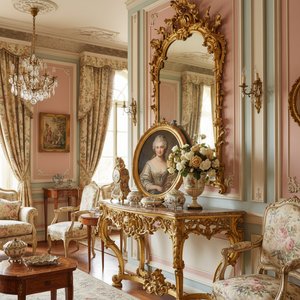
I 10 Capolavori Rococò che Hanno Definito un'Epoca | Arte e Decorazioni di Lusso
Esplora i 10 capolavori del Rococò con ! Scopri Fragonard, Boucher e Tiepolo e lasciati ispirare da colori pastello e decorazioni di lusso. Quadri antichi e riproduzioni d'arte per interni eleganti. Esplora la collezione online!

The Elegance of Rococo: A Journey Through Pastel Dreams and Ornate Splendor
Embark on an elegant journey through the Rococo era. Discover the delicate beauty of pastel masterpieces, the intricate artistry of 18th-century French masters, and how this era of ornate splendor continues to inspire timeless luxury in fine art collecting.

The Rococo Aesthetic: Opulence, Rebellion & the Pursuit of Pleasure in 18th-Century Art
Explore the opulent world of Rococo art! Discover its origins, key artists like Watteau & Boucher, and lasting influence on design. Expert insights for collectors & enthusiasts.

The Allure of Elegance in Art: A Historical & Aesthetic Exploration of Refinement & Grace
Explore the exquisite world of Rococo art! Discover its history, masters (Watteau, Boucher & more), and defining elegance. Expert insights for collectors seeking museum-quality reproductions & custom portraits.


