

 Anteprima in scala reale
 Condividi
 Condividi
 Dettagli
 Guida stampabile

 Scarica
 Articoli simili
 Radiografia
 Slideshow
 Statistiche
Woman before the Mirror
 Oil On Canvas
- WallArt
- Dutch Golden Age
 1670
1670 42.0 x 31.0 cm
 Pinacoteca dell'Antica
 Leggi tutto
Giclée / Stampe d'arte
Stampa giclée o su tela di qualità museale, con produzione rapida e diverse opzioni di finitura. ( Ordina la riproduzione dipinta a mano Passa all'immagine digitale)




P118B $10

P118H $10

P118W $10

P438Z $10

P508JH $12

P508YH $12

P805H $10

P805Z $10

P919BZ $10

P919G $10

P919XJ $10

P959ZH $10

P968JZ $12

W106C $8

W218G $10

W218JH $8

W218Y $10

W307PJ $10

W316G $10

W316PJ $8

W316Y $10

W398PJ $8

W4111J $10

W500HY $15

W500JH $15

W692G $12

W849H $8

W940BG $15

W953PJ $8




Scegli tra le nostre dimensioni predefinite, che rispettano le proporzioni originali dell'opera d'arte.

È possibile inserire dimensioni personalizzate per adattare l'opera a una cornice o a uno spazio specifico. Se la dimensione selezionata non corrisponde alle proporzioni dell'immagine originale, procederemo al ritaglio dell'opera o all'estensione dell'immagine con un bordo specchiato o a tinta unita. Un mockup digitale ti verrà inviato per approvazione prima dell'inizio della produzione.
Si prega di notare che l'anteprima a schermo non riflette il ritaglio o l'estensione effettivi. Solo il mockup mostrerà accuratamente la composizione finale.
Sebbene siano disponibili dimensioni personalizzate, si raccomanda di selezionare una dimensione dall'elenco predefinito per preservare le proporzioni originali.
Consegna in tutto il mondo () in 2 settimane invece delle normali 4/5 settimane. (25 Settembre)

Spedizione espressa gratuita in tutto il mondo

Tela in lino di alta qualità

Assicurazione completa sulla spedizione

Garanzia di rimborso dei dazi doganali

Garanzia di perfetta fedeltà cromatica

Politica di reso entro 100 giorni (solo per difetti di fabbricazione)

Garanzia di rimborso al 100%

Sconto per acquisti multipli
 L'opzione vetro è disponibile solo per dimensioni inferiori a 110 cm

Woman before the Mirror
Giclée / Stampe d'arte
Dimensioni della riproduzione
-


Prezzo totale
$ 80
A Portrait of Introspection: Frans van Mieris’ “Woman Before the Mirror”
Frans van Mieris’ “Woman Before the Mirror,” painted around 1670, is more than just a depiction of a young woman contemplating her reflection; it's a profound meditation on identity, vanity, and the complexities of self-awareness. This exquisite work, housed in the Alte Pinakothek in Munich, exemplifies the height of Dutch Golden Age painting – a period characterized by meticulous detail, subtle emotion, and an intimate engagement with human experience. Van Mieris, a master of the *fijnschilder* style, meticulously crafted this scene to capture not just a likeness, but a mood, a moment of quiet contemplation that resonates powerfully across centuries.
The Master’s Technique: A Symphony of Light and Shadow
Van Mieris' skill lies in his ability to render the illusion of reality with breathtaking precision. The painting is executed in oil on wood, a medium he expertly manipulated to achieve remarkable luminosity and texture. Notice the delicate brushstrokes that define the folds of the draped curtain behind the woman, creating a sense of depth and volume. The subtle gradations of light and shadow – particularly evident in the play across her face and the mirror’s surface – are hallmarks of his technique, drawing the viewer's eye into the scene. He employed a flattened perspective, typical of the period, yet skillfully used shading to create an illusion of three-dimensionality, anchoring the figure within a believable interior space. The meticulous rendering of fabrics—the satin skirt, the velvet cushions—demonstrates Van Mieris’ dedication to capturing the textures and details of 17th-century life.
Symbolism and Narrative: Reflections on Identity
The painting's symbolism is layered and intriguing. The woman herself, positioned centrally within a modestly furnished room, appears lost in thought as she gazes into the mirror. This act of self-reflection immediately invites questions about her inner world – what does she see when she looks at her own image? The inclusion of the dog, a common motif in Dutch Golden Age art, adds an element of companionship and domesticity, suggesting a life of comfort and security. However, the mirror itself is a potent symbol: it represents not just physical appearance but also vanity, self-admiration, and perhaps even a hint of deception. The slightly distorted reflection hints at the subjective nature of perception – that our image in the mirror is merely one facet of a complex and multifaceted identity.
Historical Context: A Window into Dutch Society
“Woman Before the Mirror” offers a valuable glimpse into the social and cultural landscape of 17th-century Holland. Van Mieris’ work reflects the growing emphasis on portraiture during this period, as wealthy merchants and members of the upper class sought to document their status and achievements. His meticulous attention to detail—the luxurious fabrics, the refined furnishings—underscores the importance of material possessions in defining social standing. Furthermore, the painting aligns with the broader artistic trends of the *fijnschilder* movement, which prioritized realism, psychological insight, and a nuanced portrayal of human emotion. Frans van Mieris’ life was deeply intertwined with that of his father, Jan Bastiaans van Mieris, who was a goldsmith and carver of rubies and diamond setter. This family legacy instilled in him an appreciation for detail and craftsmanship.
Emotional Resonance: A Timeless Portrait of the Human Condition
Despite its historical context, “Woman Before the Mirror” transcends time with its universal themes of self-reflection and introspection. The woman’s enigmatic expression invites viewers to contemplate their own identities and the ways in which they perceive themselves. The painting's muted color palette—dominated by browns, beiges, and grays—creates a sense of quiet melancholy, while the subtle lighting evokes a feeling of intimacy and contemplation. It is a work that speaks to our shared human experience – the desire for self-understanding, the awareness of our own imperfections, and the enduring fascination with our reflections.
Biografia dell'artista
Frans van Mieris il Vecchio: Una Vita nei Dettagli
- Nato: Leida, Paesi Bassi (1635)
- Morto: 1681
Frans van Mieris il Vecchio fu un importante pittore di genere olandese dell'età dell'oro, noto per i suoi dettagli meticolosi e lo stile raffinato. Nato a Leida da Jan Bastiaensz van Mieris, orafo, Frans dimostrò inizialmente una predisposizione al disegno piuttosto che seguire le orme del padre. La formazione iniziale sotto Abraham Toorenvliet, seguita dall'istruzione di Gerrit Dou, plasmò le sue basi artistiche.
Sviluppo Artistico e Stile
- Prime Influenze: Gerrit Dou e Abraham van den Tempel influenzarono significativamente i primi lavori di Frans.
- Tecnica "Fijnschilder": Van Mieris divenne un maestro dello stile "fijnschilder", caratterizzato da dettagli estremamente fini, pennellate lisce e una focalizzazione su dipinti in piccola scala. Questa tecnica enfatizzava il realismo e le intricate rappresentazioni di texture come la seta e il velluto.
- Soggetti: Dipinse frequentemente scene della società benestante – interni elaborati, incontri eleganti e ritratti – illustrando le abitudini e gli abiti delle classi superiori. Motivi ricorrenti includevano pranzi a base di ostriche, medici che esaminavano pazienti e donne impegnate in attività domestiche.
- Evoluzione dello Stile: Sebbene inizialmente emulasse lo stile di Gerrit Dou, Van Mieris sviluppò gradualmente il proprio approccio distinto, allontanandosi da dettagli eccessivi verso una maggiore enfasi sull'interazione dei personaggi e sulla narrazione all'interno delle sue scene. I suoi lavori successivi a volte esibivano tonalità più scure rispetto ai suoi pezzi precedenti, più luminosi.
Realizzazioni Importanti e Opere Notabili
- Visita del Medico (1657): Considerato uno dei suoi lavori datati più antichi e significativi, che mostra la sua emergente indipendenza dallo stile di Dou.
- Autoritratto con una Cetra: Un autoritratto convincente che dimostra la sua abilità nel rappresentare abiti opulenti e catturare un senso della personalità.
- Ritratto della Moglie dell'Artista, Cunera van der Cock: Un esempio straordinario di ritrattistica che evidenzia il realismo e il chiaroscuro.
- Dipinti Allegorici: Van Mieris produsse anche opere allegoriche, come una raffigurante vizi come bere, fumare e giocare d'azzardo, dimostrando la sua versatilità.
Eredità e Significato Storico
- Eredità Familiare: L’influenza di Frans van Mieris si estese alla sua famiglia; suo figlio Willem van Mieris (1662–1747) e suo nipote Frans van Mieris il Giovane (1689–1763) divennero anch'essi pittori di genere competenti, continuando la tradizione familiare.
- Imitazioni: La popolarità dello stile di Van Mieris portò a numerose imitazioni, in particolare da parte di A. D. Snaphaan, che lavorava a Lipsia ed era protetto dalla corte di Anhalt-Dessau.
- Contributo alla Pittura Olandese dell'Età dell'Oro: Frans van Mieris svolse un ruolo cruciale nel plasmare il movimento "fijnschilder" all'interno della pittura olandese dell'età dell'oro, contribuendo in modo significativo all'attenzione dell'epoca per i dettagli meticolosi e le rappresentazioni realistiche della vita quotidiana e della società di classe superiore. Le sue opere sono apprezzate per la loro abilità tecnica e la perspicace raffigurazione della cultura del XVII secolo.
Ultimi Anni e Riscoperta
- Patronato: Van Mieris godette del patronato di figure importanti, tra cui l'Arciduca Leopoldo e Cosimo III de' Medici.
- Opera d’Arte Rubata: Un autoritratto è stato rubato dalla Art Gallery of New South Wales a Sydney, in Australia, evidenziando il valore e l'appeal duraturi delle sue opere.
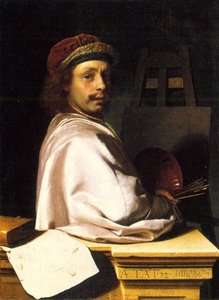
Frans van Mieris
1635 - 1681 , Paesi Bassi
Informazioni rapide
- Artisti Influenti:
- Gerrit Dou
- Abraham van den Tempel
- Artisti Influenzati:
- Willem van Mieris
- Frans van Mieris il Giovane
- Data Di Nascita: 1635
- Luogo Di Nascita: Leida, Paesi Bassi
- Movimento Artistico: Fijnschilder
- Nazionalità: Olandese
- Nome Completo: Frans van Mieris il Vecchio
- Opere Notevoli:
- Visita del dottore
- Autoritratto con cetra
- Ritratto della moglie
- Donna davanti allo specchio
Articoli correlati

I 10 Capolavori dell'Età d'Oro Olandese: Arte, Storia e Stile per la Tua Casa
Esplora i 10 capolavori dell'Età d'Oro Olandese con ! Rembrandt, Vermeer e altri maestri rivivono in dipinti iconici. Scopri storia, tecnica e colori di opere senza tempo per arredare la tua casa con arte di qualità museale. Esplora la collezione online!

Rembrandt van Rijn: I 25 Capolavori Immortali da Ammirare | OriginalUniqueArt
Esplora i 25 capolavori di Rembrandt van Rijn, da 'La Ronda di Notte' ai suoi intensi autoritratti. Scopri la storia, le tecniche e l'arte barocca del maestro olandese. Riproduzioni di alta qualità su OriginalUniqueArt.com.

Golden Age Reflections: Dutch Baroque Painting & Cultural Innovation
Explore the Dutch Golden Age of painting! Discover key artists like Vermeer & ter Borch, their innovative techniques, and the rich cultural context behind these Baroque masterpieces. Learn about collecting & appreciating this iconic art period.

Mastering Light & Shadow: A Journey Through the Dutch Golden Age's Luminous Legacy
Embark on a cultural journey through the Dutch Golden Age. Explore the masterful interplay of light and shadow in 17th-century masterpieces, from Rembrandt to Vermeer, and discover how this era of profound realism continues to inspire fine art collectors today.

Golden Light & Dutch Skies: The Timeless Magic of Dutch Golden Age Landscapes
Discover the breathtaking beauty of Dutch Golden Age landscapes. Explore the mastery of light, chiaroscuro, and 17th-century realism through an expert art history lens, celebrating the enduring legacy of the Dutch Masters for discerning collectors and art lovers.

