Anteprima in scala reale
 Invia
Invia Condividi
 Dettagli opera
 Guida
Guida

 Scarica
 Simili
 Radiografia
 Slideshow
 Statistiche
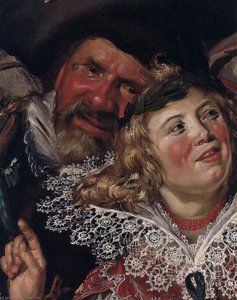
Malle Babbe
 Acrilico su tela
- Opere da parete
- Dutch Golden Age Painting
 1633
1633 75.0 x 64.0 cm
 Staatliche Museen zu Berlin
 Espandi i dettagli
Giclée / Stampe d'arte
Stampa giclée o su tela di qualità museale, con produzione rapida e diverse opzioni di finitura. ( Acquista il dipinto realizzato a mano Passa all'immagine digitale)




P118B €10

P118H €10

P118W €10

P438Z €10

P508JH €12

P508YH €12

P805H €10

P805Z €10

P919BZ €10

P919G €10

P919XJ €10

P959ZH €10

P968JZ €12

W106C €8

W218G €10

W218JH €8

W218Y €10

W307PJ €10

W316G €10

W316PJ €8

W316Y €10

W398PJ €8

W4111J €10

W500HY €15

W500JH €15

W692G €12

W849H €8

W940BG €15

W953PJ €8




Scegli tra le nostre dimensioni predefinite, che rispettano le proporzioni originali dell'opera d'arte.

Inserisci la larghezza e l'altezza desiderate, per adattarle alla tua cornice o alla tua parete. Una stampa può essere solo ritagliata, mai resa più grande dell'immagine originale; pertanto, un formato con una forma differente comporterà la perdita di una parte dell'opera. Ti invieremo un mockup digitale da approvare prima di procedere con la stampa. L'immagine mostrata in questa pagina non rappresenta il ritaglio reale — solo il mockup lo mostra.
Consegna in tutto il mondo () in 2 settimane invece delle normali 4/5 settimane. (27 Ottobre)

Spedizione espressa gratuita in tutto il mondo

Tela in lino di alta qualità

Assicurazione completa sulla spedizione

Garanzia di rimborso dei dazi doganali

Garanzia di fedeltà cromatica assoluta

Politica di reso entro 100 giorni (solo per difetti di fabbricazione)

Garanzia di rimborso al 100%

Offerta per acquisti multipli
 L'opzione vetro è disponibile solo per dimensioni inferiori a 110 cm

Malle Babbe
Giclée / Stampe d'arte
Dimensioni riproduzione
-


Prezzo finale calcolato
€ 70
A Captivating Glimpse into Dutch Madness: Frans Hals’ “Malle Babbe”
Frans Hals' "Malle Babbe," painted in 1633, is far more than just a portrait; it’s a window into the complexities of human nature and a masterful demonstration of the artist’s revolutionary approach to capturing personality. Housed today within the Gemäldegalerie in Berlin, this captivating work immediately draws the viewer in with its vibrant energy and unsettling intimacy. Initially dismissed as a possible imitation by Frans Hals the Younger, recent research has firmly established it as an authentic masterpiece, offering a rare glimpse into the life of a remarkable woman – Malle Babbe herself – who defied societal expectations and became a subject of enduring fascination.
The painting depicts a woman seated at a table, her face alight with an almost manic grin. She clutches a pewter tankard, seemingly engaged in animated conversation, while an owl perches on her left shoulder—a detail laden with symbolic weight. The scene is rendered with Hals’ signature loose and expressive brushwork, a technique that abandons the meticulous detail favored by many of his contemporaries in favor of immediacy and emotional resonance. Notice how the paint seems to dance across the canvas, conveying not just the likeness of the sitter but also her inner state – a blend of joy, perhaps even madness, and an undeniable sense of vitality.
Unraveling the Identity of Malle Babbe
The story behind “Malle Babbe” is as intriguing as the painting itself. The inscription on the back of the canvas reveals that she was known locally as “Malle Babbe van Haarlem,” a nickname reflecting her reputation for eccentricity and, potentially, mental instability. Historical records indicate that Malle Babbe was admitted to the Haarlem workhouse – an institution housing individuals deemed unsuitable or unable to contribute to society – in 1646. This wasn’t simply a punishment; it was a form of institutional care for those who didn't conform to societal norms, including children of Frans Hals himself. The inclusion of her son, Pieter, within the same facility underscores the artist’s own engagement with themes of vulnerability and social exclusion.
The owl, a frequent symbol in Dutch art during this period, adds another layer of interpretation. While traditionally associated with wisdom and Minerva, it was also frequently employed to represent folly, drunkenness, or even witchcraft – fittingly applied here to Malle Babbe’s unconventional behavior. The painting, therefore, becomes a meditation on the boundaries between sanity and madness, social acceptance and ostracism.
Hals' Revolutionary Portraiture
“Malle Babbe” exemplifies Frans Hals’ groundbreaking approach to portraiture. Unlike the formal, idealized portraits of his time, which prioritized status and appearance, Hals sought to capture the essence of his subjects – their personality, emotions, and even their flaws. He achieved this through a remarkably spontaneous technique, employing rapid brushstrokes and a vibrant palette to convey a sense of immediacy and movement. The painting isn’t simply a representation of a woman; it's a snapshot of a fleeting moment, imbued with life and energy.
The composition itself is deliberately unconventional. Hals eschews the traditional three-quarter pose, instead presenting Malle Babbe in a close-up view, forcing the viewer to confront her directly. This intimacy, combined with her unrestrained expression, creates a powerful emotional connection – one that lingers long after the initial viewing. The painting’s influence can be seen in subsequent generations of portrait artists who sought to capture the dynamism and psychological depth of their subjects.
Bringing “Malle Babbe” into Your Space
A hand-painted reproduction of "Malle Babbe" offers a unique opportunity to bring this extraordinary artwork into your home or office. OriginalUniqueArt’s meticulous reproductions faithfully recreate Hals' masterful brushwork and vibrant colors, capturing the painting’s captivating energy and emotional depth. Whether you are an art collector, an interior designer seeking a touch of Dutch Golden Age charm, or simply someone drawn to the painting’s enigmatic subject matter, a reproduction of “Malle Babbe” is a stunning addition to any collection.
Explore our range of sizes and canvas options to find the perfect representation for your space. Discover more about “Malle Babbe” on OriginalUniqueArt.
Domande e risposte
Quanti anni aveva Frans Hals I quando è stata creata "Malle Babbe"?
Frans Hals I ha realizzato "Malle Babbe" all'età di 53. L'artista è nato nel 1580 e l'opera risale al 1633.
Dove posso trovare una guida dedicata a "Malle Babbe"?
La pagina Schede didattiche di "Malle Babbe" di Frans Hals I offre una scheda informativa stampabile su due fogli: l'opera d'arte con la sua tabella identificativa, una linea temporale decennale che la colloca nel periodo di vita dell'artista, altre opere dello stesso autore, la tavolozza dei colori misurata e citazioni pronte da copiare in quattro stili diversi.
Dove posso acquistare una stampa di "Malle Babbe" di Frans Hals I?
"Malle Babbe" è disponibile come una stampa fine art su tela di cotone o carta canvas d'archivio. È possibile effettuare l'ordine nella pagina Stampa Fine Art, scegliendo la dimensione che preferisci.
Biografia dell'artista
Frans Hals I: Una Vita Dipinta
Frans Hals I era un pittore olandese nato ad Anversa, Belgio, intorno al 1580. Sebbene la sua vita giovanile rimanga in gran parte avvolta nel mistero, è emerso come una delle figure più importanti del periodo d'oro olandese, celebrato per la sua innovativa pittura di ritratti e scene di genere.
Primi Anni e Formazione
I dettagli che circondano gli anni formativi di Hals sono scarsi. Si ritiene che abbia ricevuto una formazione artistica iniziale ad Anversa, un centro importante per la pittura all'epoca. Tuttavia, a causa delle turbolenze religiose e politiche, la sua famiglia si trasferì a Haarlem nei Paesi Bassi. È diventato membro della Gilda di San Luca di Haarlem nel 1610, segnando l'inizio formale della sua carriera professionale.
Stile Artistico e Sviluppo
Hals si distinse attraverso uno stile fresco e spontaneo. Contrariamente a molti dei suoi contemporanei che preferivano un dettaglio meticoloso, Hals impiegava una ricca pennellata espressiva. Questa tecnica infondeva ai suoi dipinti un senso di immediatezza e vitalità, catturando la personalità e il carattere dei suoi soggetti in un modo rivoluzionario per l'epoca.
- I suoi ritratti non erano semplici simili; erano studi psicologici.
- Eccelleva nel rappresentare momenti fugaci – risate, conversazioni o contemplazione.
- L'uso di luce e ombra da parte di Hals aggiungeva profondità e dramma alle sue composizioni.
Opere Notevoli
Sebbene Hals abbia prodotto una vasta gamma di opere, è più noto per i suoi ritratti. Alcuni dei suoi dipinti più celebrati includono:
- Il Cavaliere che Ride (1624) – Un esempio tipico della sua capacità di catturare carattere e movimento.
- Malle Babbe (c. 1633-1635) – Una rappresentazione sorprendente di una donna anziana, che mostra la maestria di Hals nel dipingere l'età e il carattere.
- Ritratti dei Revisori della Casa degli Anziani di Haarlem (1664) - Dimostrando la sua padronanza della pittura di gruppo.
Ha anche creato scene di genere convincenti – rappresentazioni della vita quotidiana – che offrivano uno sguardo sulla società olandese.
Influenze e Eredità
Determinare le influenze dirette di Hals è una sfida, poiché ha sviluppato uno stile altamente individuale. Tuttavia, è probabile che fosse a conoscenza del lavoro di pittori fiamminghi più anziani come Pieter Bruegel il Vecchio. Il suo approccio innovativo alla pittura di ritratti ha avuto un profondo impatto sulle generazioni successive di artisti.
- Ha influenzato artisti come Adriaen Brouwer e Johannes Vermeer.
- Il suo accento sul catturare la personalità ha aperto la strada a ritratti più intimi e psicologici.
- Artisti successivi, tra cui gli Impressionisti, hanno ammirato la sua pennellata libera e il suo focus sulla luce.
Significato Storico
Frans Hals I ha svolto un ruolo cruciale nel plasmare la pittura olandese durante l'età d'oro. La sua opera riflette la prosperità crescente e l'individualismo dei Paesi Bassi di quel tempo. Si è allontanato dalla rigidità formale verso uno stile più naturalistico ed espressivo, lasciando un'eredità duratura nel mondo dell'arte.
Oggi, i suoi dipinti sono molto ricercati e si possono trovare nei principali musei di tutto il mondo, tra cui il Frans Hals Museum a Haarlem, che ospita la più grande collezione del suo lavoro. I suoi contributi continuano a ispirare artisti e a catturare il pubblico secoli dopo.

Frans Hals I
1580 - 1585 , Belgio
Dettagli rapidi
- Artistic Movement Or Style: Dutch Golden Age
- Artists Or Movements Influenced By This Artist:
- Adriaen Brouwer
- Johannes Vermeer
- Artists Who Influenced This Artist: ['Pieter Bruegel the Elder']
- Date Of Birth: c. 1582
- Full Name: Frans Hals I
- Nationality: Dutch
- Notable Artworks:
- The Laughing Cavalier
- Malle Babbe
- Place Of Birth: Antwerp, Belgium
Articoli correlati

I 10 Capolavori dell'Età d'Oro Olandese: Arte, Storia e Stile per la Tua Casa
Esplora i 10 capolavori dell'Età d'Oro Olandese con ! Rembrandt, Vermeer e altri maestri rivivono in dipinti iconici. Scopri storia, tecnica e colori di opere senza tempo per arredare la tua casa con arte di qualità museale. Esplora la collezione online!

Frans Hals e l'Età dell'Oro Olandese: Innovazione, Intimità e la Rivoluzione del Ritratto
Esplora la rivoluzionaria arte di Frans Hals e l'Età dell'Oro Olandese. Approfondimenti sulla tecnica, l'intimità dei ritratti e il contesto storico. Scopri i capolavori e lasciati ispirare!

Golden Light & Dutch Skies: The Timeless Magic of Dutch Golden Age Landscapes
Discover the breathtaking beauty of Dutch Golden Age landscapes. Explore the mastery of light, chiaroscuro, and 17th-century realism through an expert art history lens, celebrating the enduring legacy of the Dutch Masters for discerning collectors and art lovers.

Golden Age Reflections: Dutch Baroque Painting & Cultural Innovation
Explore the Dutch Golden Age of painting! Discover key artists like Vermeer & ter Borch, their innovative techniques, and the rich cultural context behind these Baroque masterpieces. Learn about collecting & appreciating this iconic art period.

Illuminating Innovation: Exploring the Dutch Golden Age of Painting
Explore the Dutch Golden Age of painting with OriginalUniqueArt. Discover Rembrandt, Vermeer & other Masters. Learn about key characteristics, iconic artworks, and lasting influence. Expert insights for collectors & enthusiasts.