
 Anteprima in scala reale
 Condividi
 Condividi
 Dettagli

 Scarica immagine
 Articoli simili
 Radiografia
 Slideshow
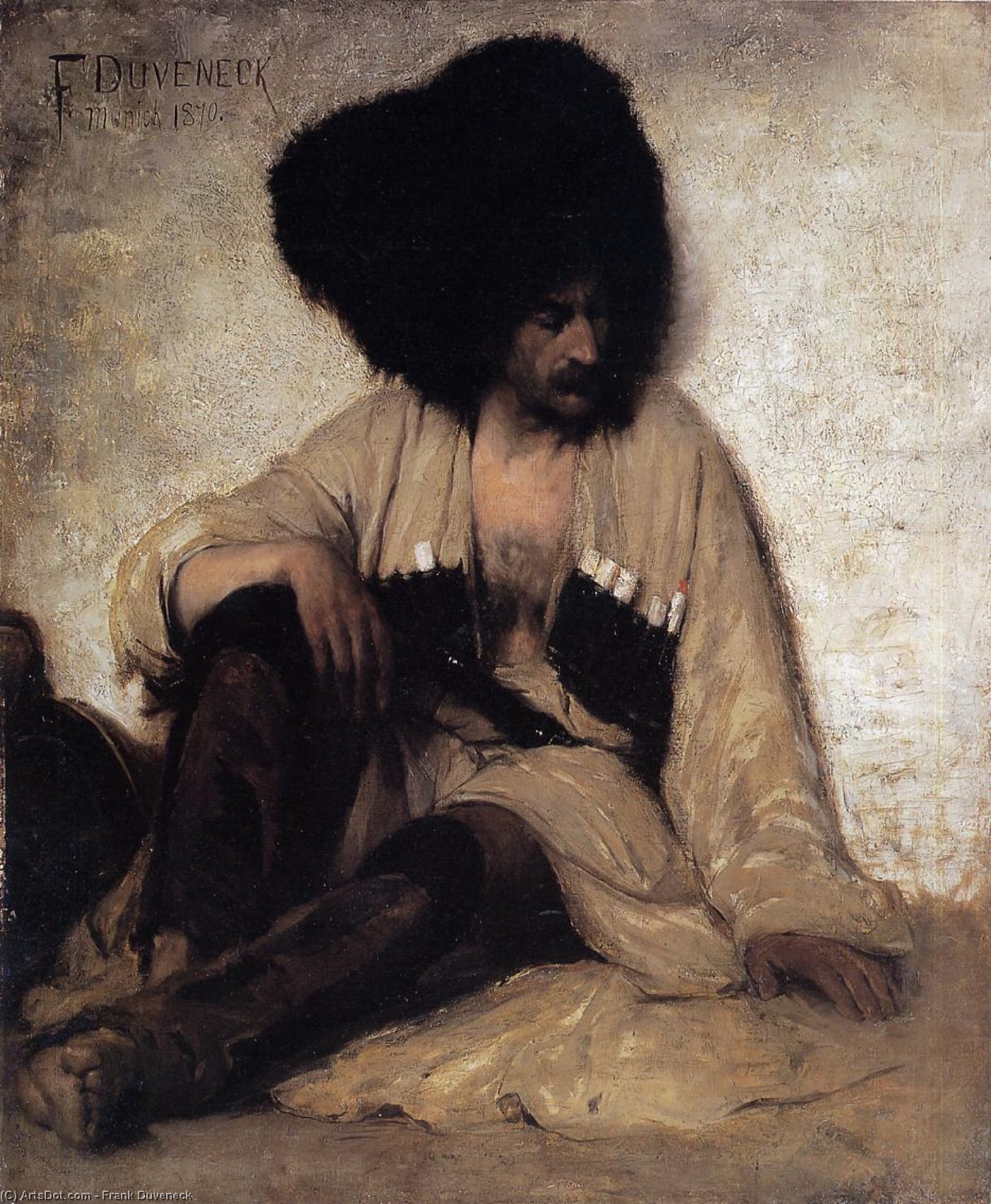
Caucasian Soldier


 Leggi tutto
Acquista un'immagine digitale ad alta risoluzione e ottimizzata, di qualità nettamente superiore all'anteprima online.
Ogni file è meticolosamente preparato dai nostri specialisti interni attraverso l'uso di strumenti avanzati e un sapiente ritocco manuale. Garantiamo che ogni immagine presenti una chiarezza eccezionale, una precisione cromatica impeccabile e dettagli raffinati.
Il file finale viene consegnato via e-mail entro 72 ore, ottimizzato per un uso immediato in contesti professionali, editoriali e di stampa. Si tratta della stessa qualità affidata ai più prestigiosi studi di design, editori e gallerie d'arte.
Immagine Digitale
Scarica un file ad alta risoluzione per uso personale, per la stampa e per progetti creativi. ( Ordina stampa Ordina la riproduzione dipinta a mano)
Incluso in ogni acquisto di immagini digitali
Consegna digitale professionale e garantita
Quando scegli OriginalUniqueArt.com, non riceverai solo un'immagine: riceverai un'opera d'arte digitale professionalmente ottimizzata, realizzata con la massima precisione e accompagnata da una garanzia di soddisfazione. Ecco tutto ciò che include il tuo ordine, automaticamente:

Consegna rapida via email
Riceverai il file dell'immagine digitale ad alta risoluzione via email entro 72 ore dall'ordine, pronto per un uso immediato.

File digitale potenziato dall'IA
La tua opera d'arte viene ottimizzata professionalmente attraverso l'uso di strumenti avanzati di intelligenza artificiale e una revisione manuale, garantendo il massimo livello di dettaglio, nitidezza e accuratezza cromatica.

Riconsegna gratuita a vita
Hai eliminato o perso accidentalmente il tuo file? Non preoccuparti: te lo invieremo di nuovo in qualsiasi momento, gratuitamente.

Nessun costo di importazione, mai
Goditi la tua opera d'arte istantaneamente senza costi doganali, dazi o spese di spedizione: i download digitali sono sempre esenti da tasse.

Garanzia di fedeltà cromatica
Garantiamo che la tua immagine digitale rifletta i colori originali con la massima fedeltà, grazie all'uso di strumenti professionali e a una gestione accurata del colore.

Garanzia soddisfazione 60 giorni
Se non sei soddisfatto della tua immagine digitale, la revisioneremo o ti rimborseremo il 100% entro 60 giorni, senza domande.

Garanzia di rimborso al 100%
Non sei soddisfatto? Ricevi un rimborso completo entro 60 giorni dal ricevimento del tuo file digitale, senza dover fornire spiegazioni.

Sconti per ordini multipli
Acquista 3 immagini, risparmia il 10% - Acquista 5, risparmia il 15% - Acquista 10+, risparmia il 20%. Ideale per progetti creativi, gallerie e agenzie.
Descrizione del collezionabile
A Soulful Portrait: Frank Duveneck’s “Caucasian Soldier”
Frank Duveneck's "Caucasian Soldier," painted in 1870, is more than just a portrait; it’s a poignant distillation of hardship, resilience, and the quiet dignity of an individual caught within the currents of history. This arresting image, rendered in a style deeply rooted in the academic tradition yet imbued with a strikingly modern sensibility, invites us to contemplate themes of displacement, identity, and the weight of experience. The painting immediately draws the eye to its subject – a man of imposing stature, dominated by a magnificent, almost defiant afro that speaks volumes about his heritage and inner strength. His expression is one of profound melancholy, a subtle sadness that hints at untold stories and burdens carried with quiet grace.
Duveneck’s technique is masterful in its restraint and detail. He employs a realistic approach reminiscent of the 19th-century academic style, characterized by meticulously rendered features and a subdued color palette. Yet, he avoids mere imitation, injecting a palpable sense of immediacy into the scene. The artist's brushstrokes are visible, lending texture to the fabric of his clothing and the contours of his face – a deliberate choice that emphasizes the physicality of the subject and imbues the painting with a tactile quality. Notice how light is used—softly diffused, it casts gentle shadows that sculpt the man’s features, adding depth and volume without resorting to dramatic contrasts. The background, deliberately blurred and indistinct, serves not as a distraction but rather as a framing device, intensifying our focus on the solitary figure at the heart of the composition.
The Context of Conflict: A Soldier's Story
“Caucasian Soldier” emerged during a turbulent period in Russian history – the protracted Caucasian War (1834-1859). This conflict pitted the Russian Empire against various Caucasian peoples, including Chechens, Circassians, and Dagestanis, who fiercely resisted subjugation. The painting captures a moment of quiet contemplation amidst this ongoing struggle, offering a glimpse into the lives of those caught in the crossfire of imperial ambition. The subject himself is likely a soldier – perhaps a Circassian or another ethnic group involved in the conflict – conveying a sense of displacement and vulnerability. It’s important to note that Duveneck's work frequently engaged with themes of marginalization and social injustice, reflecting the realities faced by many individuals during this era.
Further research reveals that Frank Duveneck was deeply affected by his own family history, particularly the death of his father at a young age. This early loss undoubtedly shaped his artistic vision, fostering a sensitivity to human suffering and a desire to capture the complexities of the human condition. The painting’s somber mood and introspective gaze can be interpreted as an echo of this personal experience, lending it a profound emotional resonance.
Symbolism and Emotional Impact
The symbolism within “Caucasian Soldier” is layered and evocative. The man's posture—slumped slightly, his head bowed—suggests weariness, resignation, or perhaps even grief. His afro, a striking feature that defies conventional notions of beauty in the context of the time, can be seen as a symbol of cultural pride, resilience, and resistance against imposed norms. It’s a powerful visual statement asserting identity amidst adversity. The muted color palette—dominated by browns, grays, and ochres—reinforces the painting's mood of melancholy and quiet contemplation.
Ultimately, “Caucasian Soldier” is a deeply moving work that transcends its historical context to speak to universal themes of loss, displacement, and the enduring strength of the human spirit. It’s a testament to Duveneck’s artistic skill and his ability to capture not just likeness but also emotion—a rare and valuable achievement.
A Legacy in Oil: Reproduction & Appreciation
Reproductions of “Caucasian Soldier” offer an accessible way to experience the power and beauty of this remarkable painting. OriginalUniqueArt.com provides high-quality reproductions that faithfully capture Duveneck’s masterful technique and evocative imagery. Consider a custom print on canvas or archival paper – a tangible connection to a pivotal moment in art history and a poignant reflection on the human condition. The original, created with oil paints on canvas, showcases a rich layering of paint, creating texture and depth that is beautifully replicated in modern reproductions.
Explore the full artwork details at http://www.davidrumsey.com/amica/ for a deeper dive into its history, provenance, and artistic significance. Don’t miss the opportunity to own a piece of art that speaks volumes about resilience, identity, and the enduring power of human emotion.
Biografia dell'artista
La Primi Anni e la Formazione
Frank Duveneck, figura di spicco nella scena artistica americana, nacque il 9 ottobre 1848 a Covington, nel Kentucky. Suo padre, Bernhard Decker, un immigrato tedesco, morì quando Frank aveva solo un anno, e sua madre successivamente risposò Joseph Duveneck. Questa eredità influenzò significativamente lo stile artistico di Duveneck. All'età di 15 anni, Duveneck iniziò a studiare arte sotto la guida di Johann Schmitt, un pittore locale, e fu apprendista presso una ditta tedesca di decoratori di chiese. Questa prima esposizione pose le basi per il suo futuro successo.Evoluzione Artistica e Opere Notabili
Nel 1869, Duveneck si recò a Monaco per studiare con Wilhelm von Diez e Wilhelm Leibl alla Royal Academy di Monaco. Questo periodo segnò una svolta nel suo stile, abbracciando un approccio realistico, scuro e diretto alla pittura. Tra le opere più celebrate di Duveneck figurano:- Lady with Fan (1873), che mostra il suo debito verso la tavolozza scura e i colpi di pennello vigorosi di Frans Hals.
- The Whistling Boy (1872), un altro esempio del suo stile espressivo giovanile.
- The Cobbler's Apprentice (1877), olio su tela, ora al Taft Museum of Art a Cincinnati, Ohio.
Insegnamento e Eredità
Nel 1878, Duveneck aprì una scuola a Monaco e successivamente a Polling, in Baviera. I suoi studenti, noti come i "Duveneck Boys", includevano John Twachtman, Otto Bacher, Julius Rolshoven e John White Alexander. Dopo essere tornato in America, Duveneck insegnò all'Art Academy di Cincinnati. Tra gli allievi degni di nota figuravano Ida Holterhoff Holloway, John Christen Johansen, M. Jean McLane, Edward Charles Volkert, Russel Wright, Charles Mills, Herman e Bessie Wessel.Gli Ultimi Anni e la Morte
Duveneck morì il 3 gennaio 1919 a Covington, Kentucky. La sua opera può essere ammirata in vari musei, tra cui il Metropolitan Museum of Art di New York City, la National Gallery of Art di Washington, D.C., e il Cincinnati Art Museum. Le sue opere riflettono un'evoluzione che spazia da scene d'interni scure e pesanti a paesaggi en plein air più luminosi, influenzato dalle atmosfere veneziane. La sua capacità di catturare la vita quotidiana con realismo e una pennellata vibrante lo ha reso una figura chiave nel movimento del Realismo americano.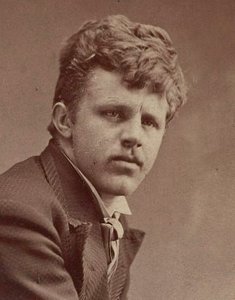
Frank Duveneck
1848 - 1919 , Stati Uniti d'America
In breve
- Artisti Influenti:
- Frans Hals
- Gustave Courbet
- Wilhelm von Diez
- Artisti Influenzati:
- John Twachtman
- Otto Bacher
- Julius Rolshoven
- Data Di Morte: 3 gennaio 1919
- Data Di Nascita: 9 ottobre 1848
- Luogo Di Nascita: Covington, USA
- Movimento Artistico: Realismo americano
- Nazionalità: Americana
- Nome Completo: Frank Duveneck
- Opere Notevoli:
- Lady with Fan (1873)
- The Whistling Boy (1872)
- The Cobbler's Apprentice (1877)

