

 Anteprima in scala reale
 Invia
Invia Condividi
 Dettagli opera

 Scarica immagine
 Simili
 Radiografia
 Slideshow
LA GLORIFICATION DE LA VIERGE


 Espandi i dettagli
Giclée / Stampe d'arte
Stampa giclée o su tela di qualità museale, con produzione rapida e diverse opzioni di finitura. ( Acquista il dipinto realizzato a mano Acquista immagine)




P118B $10

P118H $10

P118W $10

P438Z $10

P508JH $12

P508YH $12

P805H $10

P805Z $10

P919BZ $10

P919G $10

P919XJ $10

P959ZH $10

P968JZ $12

W106C $8

W218G $10

W218JH $8

W218Y $10

W307PJ $10

W316G $10

W316PJ $8

W316Y $10

W398PJ $8

W4111J $10

W500HY $15

W500JH $15

W692G $12

W849H $8

W940BG $15

W953PJ $8




Scegli tra le nostre dimensioni predefinite, che rispettano le proporzioni originali dell'opera d'arte.

È possibile inserire dimensioni personalizzate per adattare l'opera a una cornice o a uno spazio specifico. Se la dimensione selezionata non corrisponde alle proporzioni dell'immagine originale, procederemo al ritaglio dell'opera o all'estensione dell'immagine con un bordo specchiato o a tinta unita. Un mockup digitale ti verrà inviato per approvazione prima dell'inizio della produzione.
Si prega di notare che l'anteprima a schermo non riflette il ritaglio o l'estensione effettivi. Solo il mockup mostrerà accuratamente la composizione finale.
Sebbene siano disponibili dimensioni personalizzate, si raccomanda di selezionare una dimensione dall'elenco predefinito per preservare le proporzioni originali.
Consegna in tutto il mondo () in 2 settimane invece delle normali 4/5 settimane. (24 Agosto)

Spedizione espressa gratuita in tutto il mondo

Tela in lino di alta qualità

Assicurazione completa sulla spedizione

Garanzia di rimborso dei dazi doganali

Garanzia di fedeltà cromatica

Politica di reso entro 60 giorni (solo per difetti di fabbricazione)

Garanzia di rimborso al 100%

Offerta per acquisti multipli
 L'opzione vetro è disponibile solo per dimensioni inferiori a 110 cm

LA GLORIFICATION DE LA VIERGE
Giclée / Stampe d'arte
Dimensioni riproduzione
-


Prezzo totale calcolato
$ 80
Descrizione del pezzo
The Glorification of the Virgin – A Baroque Masterpiece by François Lemoyne
François Lemoyne’s “La Glorification de la Vierge” (The Glorification of the Virgin), painted in 1732, is more than just a religious depiction; it's a vibrant testament to the flourishing Rococo style and a profound exploration of faith and celestial grandeur. Commissioned during a period of intense artistic innovation in France, this monumental ceiling fresco embodies the era’s fascination with light, movement, and an idealized vision of divine beauty. Measuring an impressive scale – though its exact dimensions remain unknown – the work transports the viewer to a realm where earthly concerns dissolve into a breathtaking spectacle of spiritual ascent.
Lemoyne, a protégé of the celebrated Charles Le Brun, skillfully navigated the complex artistic landscape of his time. He sought not merely to replicate established styles but to synthesize them with his own distinctive vision, drawing inspiration from both the classical ideals championed by his predecessors and the exuberant dynamism of Venetian painting. This synthesis is immediately apparent in “La Glorification de la Vierge,” where the meticulous detail reminiscent of Italian masters—particularly the use of rich color palettes and dynamic drapery—is interwoven with the characteristic Rococo penchant for playful movement and intricate ornamentation. The fresco’s composition, a dense tapestry of figures engaged in acts of worship and ascension, reflects the Baroque tradition's emphasis on dramatic narrative and emotional intensity.
A Symphony of Color and Light
The painting’s power lies significantly in its masterful manipulation of color and light. Lemoyne employs a rich, layered palette dominated by deep blues, shimmering golds, vibrant reds, and earthy browns – colors traditionally associated with royalty, divinity, and spiritual contemplation. These hues are not simply applied; they are meticulously blended to create an illusion of depth and luminosity. The central focus is a radiant light source, emanating from behind a group of angelic figures, suggesting the presence of God himself. This light doesn’t merely illuminate; it seems to emanate from within the scene, bathing the entire composition in an ethereal glow. The use of *chiaroscuro*, the dramatic contrast between light and shadow, further enhances the sense of theatricality and elevates the emotional impact of the work.
Symbolism Woven into the Divine Drama
“La Glorification de la Vierge” is replete with symbolic imagery, reflecting key theological concepts central to Catholic belief. The Virgin Mary, depicted as a serene and majestic figure at the heart of the composition, embodies humility, grace, and maternal piety. Surrounding her are an array of saints, angels, and biblical figures – representations of faith, devotion, and the promise of salvation. The ascending figures, bathed in divine light, symbolize the soul’s journey towards God. The scrolls held by the angels represent sacred texts and divine wisdom, while candles signify illumination and spiritual enlightenment. Even the architectural elements—the arches, columns, and vaulted ceilings—are imbued with symbolic meaning, referencing biblical narratives and reinforcing the overall theme of heavenly ascension.
Technique and Legacy
Painted *fresco* – directly onto wet plaster – Lemoyne’s technique is both technically demanding and remarkably expressive. The fresco medium allows for a vibrant, enduring color palette and a seamless integration of figures into the architectural setting. The meticulous detail evident in the rendering of fabrics, drapery, and facial features speaks to Lemoyne's exceptional skill as a draftsman and painter. His work stands as a prime example of Rococo artistry, showcasing the period’s commitment to elegance, ornamentation, and emotional engagement. Though François Lemoyne himself met an untimely end in 1737, his “La Glorification de la Vierge” continues to captivate viewers with its breathtaking beauty, profound symbolism, and enduring testament to the power of faith and artistic vision. Reproductions offer a remarkable opportunity to experience this masterpiece within one’s own space, bringing a touch of Baroque grandeur and spiritual contemplation to any setting.
Biografia dell'artista
François Lemoyne: Una Vita nella Pittura Rococò
- Nato: Parigi, Francia (1688)
- Morto: 1737
François Lemoyne è stato un pittore francese del Rococò di spicco della prima metà del XVIII secolo. È riconosciuto per i suoi grandiosi affreschi a soffitto allegorici e scene mitologiche, contribuendo in modo significativo al panorama artistico del regno di Luigi XV. Sebbene spesso oscurato da contemporanei come Boucher e Watteau, Lemoyne cercò di affermarsi come erede di Charles Le Brun, una figura di spicco nella storia dell'arte francese.
Primi Anni e Formazione
- Apprendistato: Lemoyne studiò inizialmente sotto Robert le Vrac, suo stepfather.
- Académie Royale: Si formò formalmente all'Académie Royale de peinture et de sculpture dal 1701, studiando con Louis Galloche e successivamente ricevendo la guida da Pierre-Jacques Cazes. L'influenza di Cazes è particolarmente notata nell'uso del colore da parte di Lemoyne.
- Prix de Rome: Nel 1711, raggiunse una pietra miliare importante vincendo il Prix de Rome, un premio che in genere concedeva viaggi in Italia per lo studio artistico. Tuttavia, difficoltà finanziarie gli impedirono di approfittare immediatamente di questa opportunità.
Sviluppo Artistico e Influenze
- Influenza Italiana: Il suo viaggio eventuale in Italia nel 1723/24, accompagnando François Berger, si rivelò cruciale. Studiò le opere di Raffaello, Correggio e Tiziano, assorbendo tecniche estetiche artistiche italiane.
- Impatto di Rubens: Una forte influenza su Lemoyne fu l'opera di Pieter Paul Rubens, evidente soprattutto nel suo uso vibrante del colore e nelle composizioni dinamiche.
- Scuola Veneziana: L'esposizione alla pittura veneziana, in particolare all'interno della collezione di Pierre Crozat, plasmò ulteriormente il suo stile artistico.
- Stile Rococò: Sebbene influenzato da maestri precedenti, l'opera di Lemoyne apparteneva fermamente al periodo del Rococò, caratterizzato da eleganza, ornamentazione e un focus sulla bellezza decorativa.
Opere Principali e Realizzazioni
- Affreschi a Soffitto: Lemoyne è noto soprattutto per i suoi monumentali affreschi a soffitto, in particolare L'Apothéose d'Hercule (L'Apoteosi di Ercole) al Salon d’Hercule nel Palazzo di Versailles. Quest'opera dimostrò la sua padronanza delle tecniche illusionistiche ed è stata ampiamente elogiata dai contemporanei tra cui Voltaire e il Cardinale Fleury.
- Dipinti Religiosi: Creò anche opere religiose significative, come La Trasfigurazione nel coro della chiesa dei Giaccobini (ora Chiesa Parrocchiale di Sant'Tommaso d'Aquino) a Parigi.
- Premier Peintre du Roi: Nel 1736, Lemoyne raggiunse l'apice della sua carriera venendo nominato Premier peintre du roi (Primo Pittore del Re) sotto Luigi XV.
Significato Storico e Eredità
François Lemoyne ha svolto un ruolo fondamentale nel plasmare la pittura francese del Rococò. La sua ambizione era quella di ravvivare la tradizione dei grandiosi affreschi allegorici a soffitto, che erano caduti in disgrazia. Sebbene la sua carriera sia stata tragicamente interrotta da un suicidio nel 1737, il suo lavoro ha lasciato un impatto duraturo sulle generazioni successive di artisti.
- Influenza sugli Studenti: Lemoyne servì da tutore per importanti artisti come Charles-Joseph Natoire e François Boucher, trasmettendo la sua conoscenza artistica e influenzando il loro sviluppo.
- Declino della Pittura a Soffitto: La sua morte segnò la fine di un'era, coincidendo con il declino della popolarità dei grandi affreschi allegorici a soffitto.
- Riconoscimento Oggi: Sebbene forse non sia ampiamente riconosciuto come alcuni dei suoi contemporanei, i contributi di Lemoyne all'arte francese del Rococò sono sempre più apprezzati per la loro abilità tecnica e ambizione artistica.

François Lemoyne
1688 - 1737 , Francia
Dati rapidi
- Artistic Movement Or Style: Pittura Rococò
- Artists Or Movements Influenced By This Artist:
- François Boucher
- Charles-Joseph Natoire
- Artists Who Influenced This Artist:
- Charles Le Brun
- Rubens
- Date Of Birth: 1688
- Date Of Death: 1737
- Full Name: François Lemoyne
- Nationality: Francese
- Notable Artworks:
- L'Apoteosi di Ercole
- La Trasfigurazione
- Place Of Birth: Parigi, Francia
Articoli correlati

L'Arte dei Murales di Famiglia: Trasformare le Mura in Memorie Eterne
Scopri l'arte del fresco e crea murales familiari unici! Esplora la storia, le tecniche e realizza il tuo sogno artistico con : esperti artisti e qualità garantita.
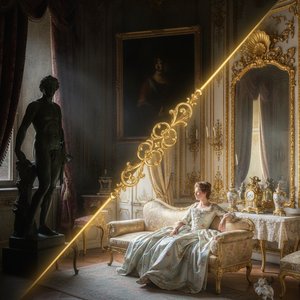
Baroque vs. Rococo: A Definitive Guide to High-Drama Shadows and Golden Elegance
Explore the dramatic evolution from Baroque's intense chiaroscuro to Rococo's golden elegance. Our expert guide decodes the shift from high-drama shadows to playful, ornate grace for art enthusiasts and collectors seeking deep historical insight.

Baroque vs. Rococo: A Definitive Guide to the Drama of Grandeur and the Elegance of Grace
Explore the profound differences between Baroque drama and Rococo elegance. Our expert guide delves into art history, chiaroscuro, and the evolution of European masterpieces for collectors and enthusiasts seeking deep historical context.
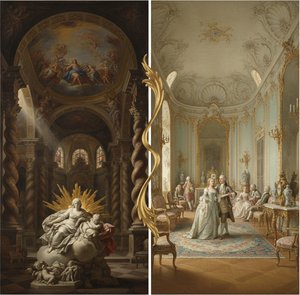
From Grandeur to Grace: Exploring the Evolution of Baroque & Rococo Art
Explore the captivating evolution from Baroque's drama to Rococo's grace! Discover key artists, characteristics & lasting influence of these art movements with expert insights at OriginalUniqueArt.
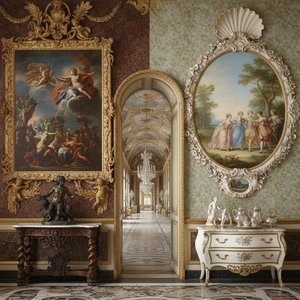
Drama & Delight: A Journey Through the Grandeur of Baroque and Rococo Art
Embark on a cultural journey through the dramatic grandeur of Baroque and the delicate grace of Rococo art. Discover the history, techniques, and timeless beauty of these magnificent eras with our expert-led exploration of European masterpieces.



