

 Anteprima in scala reale
 Condividi
 Condividi
 Dettagli
 Guida stampabile

 Scarica
 Articoli simili
 Radiografia
 Slideshow
 Statistiche
Hunting Picnic
 Oil On Canvas
- WallArt
- Baroque Rococo
 1723
1723 233.0 x 185.0 cm
 Museo de Arte
 Leggi tutto
Giclée / Stampe d'arte
Stampa giclée o su tela di qualità museale, con produzione rapida e diverse opzioni di finitura. ( Ordina la riproduzione dipinta a mano Passa all'immagine digitale)




P118B €10

P118H €10

P118W €10

P438Z €10

P508JH €12

P508YH €12

P805H €10

P805Z €10

P919BZ €10

P919G €10

P919XJ €10

P959ZH €10

P968JZ €12

W106C €8

W218G €10

W218JH €8

W218Y €10

W307PJ €10

W316G €10

W316PJ €8

W316Y €10

W398PJ €8

W4111J €10

W500HY €15

W500JH €15

W692G €12

W849H €8

W940BG €15

W953PJ €8




Scegli tra le nostre dimensioni predefinite, che rispettano le proporzioni originali dell'opera d'arte.

È possibile inserire dimensioni personalizzate per adattare l'opera a una cornice o a uno spazio specifico. Se la dimensione selezionata non corrisponde alle proporzioni dell'immagine originale, procederemo al ritaglio dell'opera o all'estensione dell'immagine con un bordo specchiato o a tinta unita. Un mockup digitale ti verrà inviato per approvazione prima dell'inizio della produzione.
Si prega di notare che l'anteprima a schermo non riflette il ritaglio o l'estensione effettivi. Solo il mockup mostrerà accuratamente la composizione finale.
Sebbene siano disponibili dimensioni personalizzate, si raccomanda di selezionare una dimensione dall'elenco predefinito per preservare le proporzioni originali.
Consegna in tutto il mondo () in 2 settimane invece delle normali 4/5 settimane. (11 Ottobre)

Spedizione espressa gratuita in tutto il mondo

Tela in lino di alta qualità

Assicurazione completa sulla spedizione

Garanzia di rimborso dei dazi doganali

Garanzia di perfetta fedeltà cromatica

Politica di reso entro 100 giorni (solo per difetti di fabbricazione)

Garanzia di rimborso al 100%

Sconto per acquisti multipli
 L'opzione vetro è disponibile solo per dimensioni inferiori a 110 cm

Hunting Picnic
Giclée / Stampe d'arte
Dimensioni della riproduzione
-


Prezzo totale
€ 69
A Moment of Leisure: "Hunting Picnic" by François Lemoyne
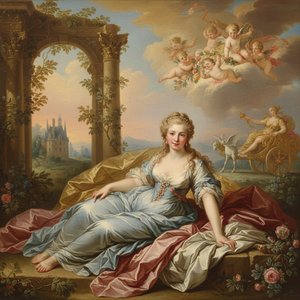
François Lemoyne’s “Hunting Picnic,” painted in 1723, offers a captivating glimpse into the aristocratic leisure activities of 18th-century France – a world where the pursuit of game intertwined seamlessly with refined social gatherings. Measuring an impressive 233 x 185 cm, this oil on canvas work immediately draws the viewer into a scene brimming with vibrant energy and carefully orchestrated detail. The composition centers around a horse-drawn carriage, a symbol of status and mobility, alongside a gentleman in striking red attire – a bold statement against the verdant landscape. This isn’t merely a depiction of hunting; it's an embodiment of Rococo ideals: a celebration of beauty, pleasure, and the cultivated life.
- Subject Matter: The painting portrays a hunting picnic, showcasing a group of individuals enjoying the fruits of their pursuit amidst a picturesque rural setting.
- Key Figures: A prominent gentleman in red dominates the foreground, likely representing the host or a key participant in the hunt, while other figures are scattered throughout the scene, adding to the sense of social interaction and activity.
- Animal Presence: Two horses are prominently featured – one near the center, suggesting the immediate aftermath of the hunt, and another on the right, possibly accompanying the hunters or serving as a companion. A dog is also present, reinforcing the theme of companionship and skill.
Rococo Grandeur and Lemoyne’s Vision
François Lemoyne was a pivotal figure in the revival of large-scale allegorical painting during the Rococo period. Influenced by the legacy of Charles Le Brun, he sought to recapture the grandeur and intellectual depth of classical art while embracing the distinctive characteristics of the Rococo style – characterized by its emphasis on elegance, frivolity, and emotional expression. “Hunting Picnic” exemplifies this ambition; it’s not simply a charming pastoral scene but a carefully constructed tableau designed to evoke feelings of pleasure, sophistication, and aristocratic privilege. Lemoyne's meticulous attention to detail, evident in the rendering of fabrics, textures, and facial expressions, demonstrates his mastery of technique and his commitment to creating works that were both visually stunning and intellectually stimulating.
Historical Context: The painting reflects the tastes of the French aristocracy during the reign of Louis XV, a period marked by lavish spending, elaborate social rituals, and a passion for outdoor pursuits. Hunting was not just a sport but a symbol of status and power, and picnics offered an opportunity to display wealth and cultivate relationships.Technique and Artistic Style
Lemoyne’s brushwork is remarkably fluid and expressive, contributing significantly to the painting's lively atmosphere. He employs a technique known as *alla prima*, meaning “at first sight,” which involves applying paint directly to the canvas in relatively thin layers, allowing for quick changes of tone and texture. This approach results in a sense of immediacy and spontaneity that captures the dynamism of the scene. The use of color is particularly noteworthy – rich greens, blues, and reds create a vibrant palette that enhances the painting’s visual impact. The artist's skillful handling of light and shadow further adds to the depth and realism of the composition.
Symbolism and Emotional Impact
"Hunting Picnic" transcends a simple depiction of leisure; it is laden with symbolic meaning. The red clothing worn by the central figure, for example, could represent passion, courage, or even royalty. The horses symbolize strength and nobility, while the overall scene evokes a sense of harmony between humanity and nature. The painting’s emotional impact lies in its ability to transport the viewer to another time and place – a world of refined pleasure, social connection, and the beauty of the French countryside. This artwork is a testament to Lemoyne's artistic skill and his understanding of the cultural values of his era.
Domande e risposte
Chi è l'artista dietro "Hunting Picnic"?
"Hunting Picnic" è stata creata da François Lemoyne. Le informazioni contenute in questa pagina descrivono l'opera originale di François Lemoyne.
Quale posto occupa "Hunting Picnic" tra i soggetti ricorrenti di François Lemoyne?
Tra i temi ricorrenti di François Lemoyne - le brun influence, rococo leisure themes, courtly aristocratic scene, lemoyne’s allegorical style, significant early work - "Hunting Picnic" pone un particolare accento su hunting picnic, rococo painting, french art, lemoyne artwork, 18th century scene, horse drawn carriage, elegant gathering.
Quali sono le dimensioni dell'originale "Hunting Picnic"?
L'originale "Hunting Picnic" di François Lemoyne misura 233 x 185 cm.
Quanti anni aveva François Lemoyne quando ha creato "Hunting Picnic" nel 1723?
François Lemoyne ha realizzato "Hunting Picnic" all'età di 35. L'artista è nato nel 1688 e l'opera è datata 1723.
Che atmosfera saprebbe conferire a una stanza una riproduzione di "Hunting Picnic" di François Lemoyne?
Con la sua atmosfera Romantic, "Hunting Picnic" è ideale per Living Room.
Qual è l'identità cromatica di "Hunting Picnic" di François Lemoyne?
L'identità cromatica di "Hunting Picnic" di François Lemoyne: una tavolozza Earthy, dominata da Rosy Brown (#a5a79d).
In che anno è stata realizzata l'opera "Hunting Picnic" di François Lemoyne?
"Hunting Picnic" risale al 1723. La data colloca l'opera all'interno della carriera di François Lemoyne e della sua epoca.
Biografia dell'artista
François Lemoyne: Una Vita nella Pittura Rococò
- Nato: Parigi, Francia (1688)
- Morto: 1737
François Lemoyne è stato un pittore francese del Rococò di spicco della prima metà del XVIII secolo. È riconosciuto per i suoi grandiosi affreschi a soffitto allegorici e scene mitologiche, contribuendo in modo significativo al panorama artistico del regno di Luigi XV. Sebbene spesso oscurato da contemporanei come Boucher e Watteau, Lemoyne cercò di affermarsi come erede di Charles Le Brun, una figura di spicco nella storia dell'arte francese.
Primi Anni e Formazione
- Apprendistato: Lemoyne studiò inizialmente sotto Robert le Vrac, suo stepfather.
- Académie Royale: Si formò formalmente all'Académie Royale de peinture et de sculpture dal 1701, studiando con Louis Galloche e successivamente ricevendo la guida da Pierre-Jacques Cazes. L'influenza di Cazes è particolarmente notata nell'uso del colore da parte di Lemoyne.
- Prix de Rome: Nel 1711, raggiunse una pietra miliare importante vincendo il Prix de Rome, un premio che in genere concedeva viaggi in Italia per lo studio artistico. Tuttavia, difficoltà finanziarie gli impedirono di approfittare immediatamente di questa opportunità.
Sviluppo Artistico e Influenze
- Influenza Italiana: Il suo viaggio eventuale in Italia nel 1723/24, accompagnando François Berger, si rivelò cruciale. Studiò le opere di Raffaello, Correggio e Tiziano, assorbendo tecniche estetiche artistiche italiane.
- Impatto di Rubens: Una forte influenza su Lemoyne fu l'opera di Pieter Paul Rubens, evidente soprattutto nel suo uso vibrante del colore e nelle composizioni dinamiche.
- Scuola Veneziana: L'esposizione alla pittura veneziana, in particolare all'interno della collezione di Pierre Crozat, plasmò ulteriormente il suo stile artistico.
- Stile Rococò: Sebbene influenzato da maestri precedenti, l'opera di Lemoyne apparteneva fermamente al periodo del Rococò, caratterizzato da eleganza, ornamentazione e un focus sulla bellezza decorativa.
Opere Principali e Realizzazioni
- Affreschi a Soffitto: Lemoyne è noto soprattutto per i suoi monumentali affreschi a soffitto, in particolare L'Apothéose d'Hercule (L'Apoteosi di Ercole) al Salon d’Hercule nel Palazzo di Versailles. Quest'opera dimostrò la sua padronanza delle tecniche illusionistiche ed è stata ampiamente elogiata dai contemporanei tra cui Voltaire e il Cardinale Fleury.
- Dipinti Religiosi: Creò anche opere religiose significative, come La Trasfigurazione nel coro della chiesa dei Giaccobini (ora Chiesa Parrocchiale di Sant'Tommaso d'Aquino) a Parigi.
- Premier Peintre du Roi: Nel 1736, Lemoyne raggiunse l'apice della sua carriera venendo nominato Premier peintre du roi (Primo Pittore del Re) sotto Luigi XV.
Significato Storico e Eredità
François Lemoyne ha svolto un ruolo fondamentale nel plasmare la pittura francese del Rococò. La sua ambizione era quella di ravvivare la tradizione dei grandiosi affreschi allegorici a soffitto, che erano caduti in disgrazia. Sebbene la sua carriera sia stata tragicamente interrotta da un suicidio nel 1737, il suo lavoro ha lasciato un impatto duraturo sulle generazioni successive di artisti.
- Influenza sugli Studenti: Lemoyne servì da tutore per importanti artisti come Charles-Joseph Natoire e François Boucher, trasmettendo la sua conoscenza artistica e influenzando il loro sviluppo.
- Declino della Pittura a Soffitto: La sua morte segnò la fine di un'era, coincidendo con il declino della popolarità dei grandi affreschi allegorici a soffitto.
- Riconoscimento Oggi: Sebbene forse non sia ampiamente riconosciuto come alcuni dei suoi contemporanei, i contributi di Lemoyne all'arte francese del Rococò sono sempre più apprezzati per la loro abilità tecnica e ambizione artistica.

François Lemoyne
1688 - 1737 , Francia
Informazioni rapide
- Artistic Movement Or Style: Pittura Rococò
- Artists Or Movements Influenced By This Artist:
- François Boucher
- Charles-Joseph Natoire
- Artists Who Influenced This Artist:
- Charles Le Brun
- Rubens
- Date Of Birth: 1688
- Date Of Death: 1737
- Full Name: François Lemoyne
- Nationality: Francese
- Notable Artworks:
- L'Apoteosi di Ercole
- La Trasfigurazione
- Place Of Birth: Parigi, Francia
Articoli correlati

I 10 Capolavori Rococò che Hanno Definito un'Epoca | Arte e Decorazioni di Lusso
Esplora i 10 capolavori del Rococò con ! Scopri Fragonard, Boucher e Tiepolo e lasciati ispirare da colori pastello e decorazioni di lusso. Quadri antichi e riproduzioni d'arte per interni eleganti. Esplora la collezione online!
François Boucher: Maestro del Rococò, Mito, Sensualità e la Corte Francese
Esplora la vita e le opere di François Boucher, il maestro del Rococò francese. Scopri il suo stile sensuale, l'influenza di Madame de Pompadour e l'eredità artistica che continua ad affascinare. Approfondimenti esclusivi su OriginalUniqueArt.

The Enduring Legacy of Fine Art Prints: Technique, History & Aesthetic Impact
Explore the rich history & techniques of fine art prints. Discover investment potential, assess authenticity, and learn how to preserve your collection with expert guidance. Trusted insights for discerning collectors.

The Rococo Aesthetic: Opulence, Rebellion & the Pursuit of Pleasure in 18th-Century Art
Explore the opulent world of Rococo art! Discover its origins, key artists like Watteau & Boucher, and lasting influence on design. Expert insights for collectors & enthusiasts.

Giclée Prints: Archival Quality & Aesthetic Nuances for the Discerning Collector
Explore the world of giclée prints with OriginalUniqueArt. Learn about archival quality, aesthetic nuances & investment potential. Expert guidance for discerning art collectors seeking museum-quality reproductions and lasting value.

