
 Anteprima in scala reale
 Condividi
 Condividi
 Dettagli

 Scarica immagine
 Articoli simili
 Radiografia
 Slideshow
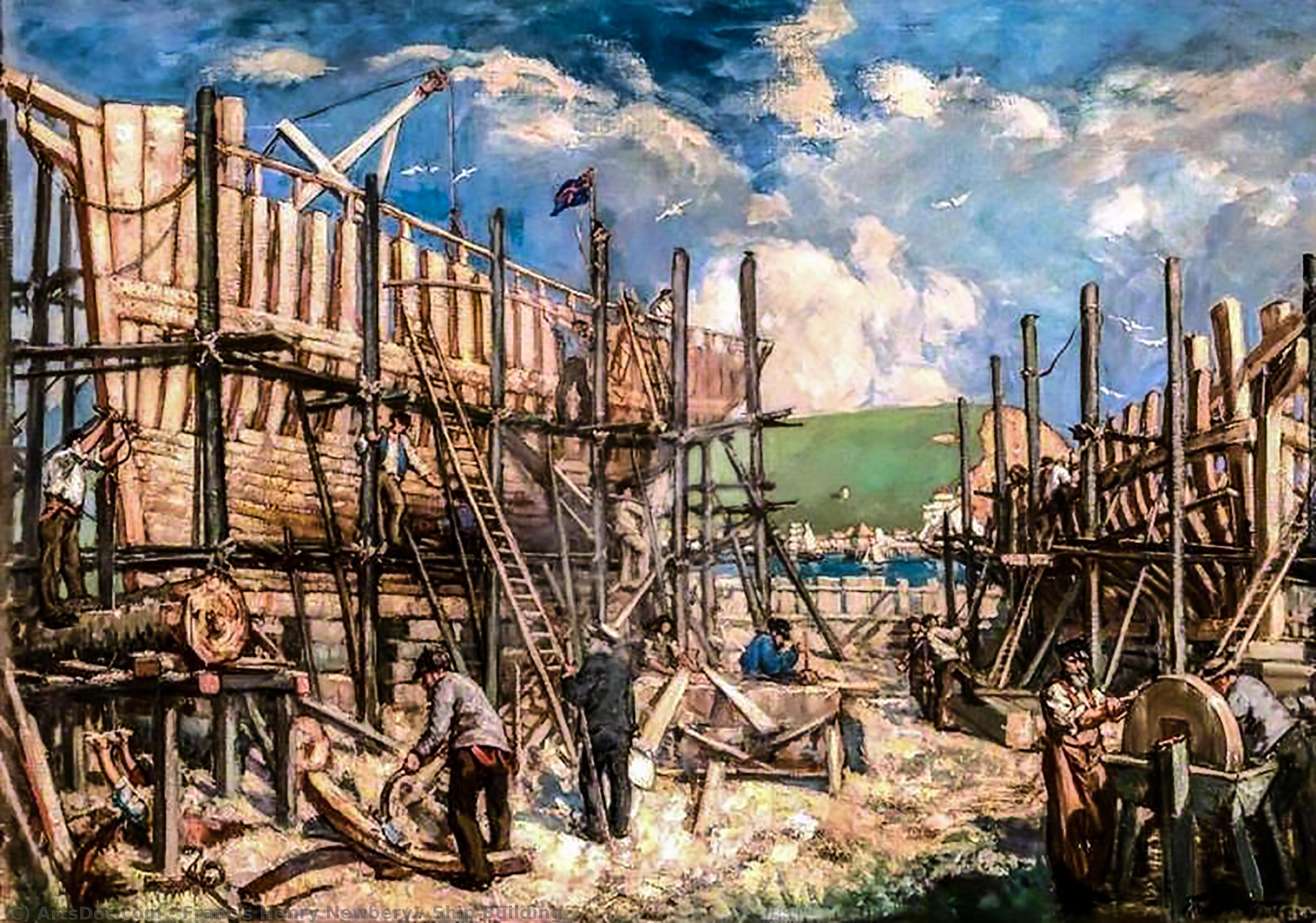
Ship Building
 1927
1927 120.0 x 170.0 cm
 Leggi tutto
Giclée / Stampe d'arte
Stampa giclée o su tela di qualità museale, con produzione rapida e diverse opzioni di finitura. ( Ordina la riproduzione dipinta a mano Acquista download)




































Scegli tra le nostre dimensioni predefinite, che rispettano le proporzioni originali dell'opera d'arte.

È possibile inserire dimensioni personalizzate per adattare l'opera a una cornice o a uno spazio specifico. Se la dimensione selezionata non corrisponde alle proporzioni dell'immagine originale, procederemo al ritaglio dell'opera o all'estensione dell'immagine con un bordo specchiato o a tinta unita. Un mockup digitale ti verrà inviato per approvazione prima dell'inizio della produzione.
Si prega di notare che l'anteprima a schermo non riflette il ritaglio o l'estensione effettivi. Solo il mockup mostrerà accuratamente la composizione finale.
Sebbene siano disponibili dimensioni personalizzate, si raccomanda di selezionare una dimensione dall'elenco predefinito per preservare le proporzioni originali.
Consegna in tutto il mondo () in 2 settimane invece delle normali 4/5 settimane. (14 Agosto)

Spedizione espressa gratuita in tutto il mondo

Tela in lino di alta qualità

Assicurazione completa sulla spedizione

Garanzia di rimborso dei dazi doganali

Garanzia di fedeltà cromatica dell'originale

Politica di reso entro 60 giorni (solo per difetti di fabbricazione)

Garanzia di rimborso al 100%

Sconto per acquisti multipli
 L'opzione vetro è disponibile solo per dimensioni inferiori a 110 cm

Ship Building
Giclée / Stampe d'arte
Dimensioni della riproduzione
-


Prezzo totale
$ 80
Biografia dell'artista
Francis Henry Newbery: Shaping Scottish Art Through Visionary Leadership
Francis Henry Newbery (1855 – 1946) stands as a pivotal figure in the history of British art education and Glasgow Style painting, leaving an indelible mark on Scotland’s artistic landscape. Born in Devon to shoemaker William Newbery and Eliza (née Treloar), his early life instilled a grounding in craftsmanship alongside a burgeoning passion for visual arts—a duality that would profoundly shape his career trajectory. He pursued formal schooling in Bridport, Dorset, earning qualifications as both a teacher and an art master, experiences which honed his pedagogical skills and deepened his understanding of artistic principles. A scholarship to London’s Slade School of Art in 1881 propelled him into the heart of London’s artistic milieu where he cultivated connections with prominent artists like James Guthrie and John Lavery. These formative years nurtured his artistic sensibilities and solidified his commitment to fostering creativity within young minds. Recognizing the importance of practical training alongside theoretical knowledge, Newbery championed a revolutionary approach at Glasgow School of Art—establishing it as one of the first UK art schools to prioritize practising artists over certificated instructors. This bold decision fostered an environment where innovation thrived and encouraged students to explore their individual artistic voices. His leadership at Glasgow School of Art between 1885 and 1917 cemented his legacy as a transformative educator and visionary director. Crucially, he collaborated closely with Charles Rennie Mackintosh on the design of the school’s iconic building—a testament to his belief in architectural harmony and artistic collaboration. Mackintosh's influence extended beyond the physical structure; Newbery actively promoted Mackintosh’s distinctive Glasgow Style, nurturing a generation of artists who embraced its geometric forms and decorative motifs. Furthermore, he instituted craft workshops and introduced embroidery classes, recognizing the value of diverse artistic disciplines and empowering students to develop multifaceted skills. Newbery’s own painting style aligned with the Glasgow Boys movement—a group of young Scottish painters who championed Impressionism and plein air painting techniques. He produced evocative landscapes and portraits imbued with a sensitivity to light and color, reflecting his profound connection to the Dorset countryside where he resided in Corfe Castle during his retirement years. Continuing to paint until 1932, Newbery remained dedicated to artistic expression until his death on December 18, 1946. His contribution to art education and his role in shaping Glasgow Style—a movement that redefined British decorative arts—solidifies his place as a cornerstone of Scottish artistic heritage.- Notable Works: “The Lady of the Carnation,” “Herbert Fitton Stockdale,” “The Spirit of Bridport, Dorset”
- Influences: Whistler, Barbizon School, Impressionism
- Achievements: Director of Glasgow School of Art; Collaborator with Charles Rennie Mackintosh; Champion of Scottish Artists

francis henry newbery
1855 - 1946
Informazioni rapide
- Artistic Movement Or Style: Glasgow Style
- Artists Or Movements Influenced By This Artist: ['Mackintosh Designs']
- Artists Who Influenced This Artist:
- James Guthrie
- John Lavery
- Date Of Birth: 1855
- Date Of Death: 1946
- Full Name: Francis Henry Newbery
- Nationality: British
- Notable Artworks:
- The Lady of the Carnation
- Herbert Fitton Stockdale
- The Spirit of Bridport
- Place Of Birth: Devon, England

