

 Anteprima in scala reale
 Condividi
 Condividi
 Dettagli
 Guida stampabile

 Scarica
 Articoli simili
 Radiografia
 Slideshow
 Statistiche
A Farmyard
 Mannerism
 1681
1681 254.0 x 346.0 cm
 National Trust
 Leggi tutto
Acquista un'immagine digitale ad alta risoluzione e ottimizzata, di qualità nettamente superiore all'anteprima online.
Ogni file è meticolosamente preparato dai nostri specialisti interni attraverso l'uso di strumenti avanzati e un sapiente ritocco manuale. Garantiamo che ogni immagine presenti una chiarezza eccezionale, una precisione cromatica impeccabile e dettagli raffinati.
Il file finale viene consegnato via e-mail entro 72 ore, ottimizzato per un uso immediato in contesti professionali, editoriali e di stampa. Si tratta della stessa qualità affidata ai più prestigiosi studi di design, editori e gallerie d'arte.
Immagine Digitale
Scarica un file ad alta risoluzione per uso personale, per la stampa e per progetti creativi. ( Passa alle stampe Ordina la riproduzione dipinta a mano)
Incluso in ogni acquisto di immagini digitali
Consegna digitale professionale e garantita
Quando scegli OriginalUniqueArt.com, non riceverai solo un'immagine: riceverai un'opera d'arte digitale professionalmente ottimizzata, realizzata con la massima precisione e accompagnata da una garanzia di soddisfazione. Ecco tutto ciò che include il tuo ordine, automaticamente:

Consegna rapida via email
Riceverai il file dell'immagine digitale ad alta risoluzione via email entro 72 ore dall'ordine, pronto per un uso immediato.

File digitale potenziato dall'IA
La tua opera d'arte viene ottimizzata professionalmente attraverso l'uso di strumenti avanzati di intelligenza artificiale e una revisione manuale, garantendo il massimo livello di dettaglio, nitidezza e accuratezza cromatica.

Riconsegna gratuita a vita
Hai eliminato o perso accidentalmente il tuo file? Non preoccuparti: te lo invieremo di nuovo in qualsiasi momento, gratuitamente.

Nessun costo di importazione, mai
Goditi la tua opera d'arte istantaneamente senza costi doganali, dazi o spese di spedizione: i download digitali sono sempre esenti da tasse.

Garanzia di fedeltà cromatica
Garantiamo che la tua immagine digitale rifletta i colori originali con la massima fedeltà, grazie all'uso di strumenti professionali e a una gestione accurata del colore.

Garanzia soddisfatti o rimborsati 100 giorni
Se non sei soddisfatto della tua immagine digitale, la revisioneremo o ti rimborseremo il 100% entro 100 giorni, senza domande.

Garanzia di rimborso al 100%
Non sei soddisfatto? Ricevi un rimborso completo entro 100 giorni dal ricevimento del tuo file digitale, senza dover fornire spiegazioni.

Sconti per ordini multipli
Acquista 3 immagini, risparmia il 10% - Acquista 5, risparmia il 15% - Acquista 10+, risparmia il 20%. Ideale per progetti creativi, gallerie e agenzie.
Biografia dell'artista
Il pioniere della natura selvaggia inglese: la vita e l'eredità di Francis Barlow
Nel vibrante e spesso turbolento panorama dell'Inghilterra del XVII secolo, poche figure possedevano la versatilità e la capacità osservativa di Francis Barlow. Nato nel Lincolnshire intorno al 1626, Barlow emerse come un poliedrico maestro delle arti visive: pittore, incisore, illustratore e satirico, capace di colmare il divario tra naturalismo scientifico e narrazione popolare. Spesso venerato come il "Padre della pittura sportiva britannica," la sua influenza si estese ben oltre la semplice rappresentazione degli animali; egli seppe catturare l'anima stessa della campagna inglese e le mutevoli correnti politiche della sua epoca. Sebbene la storia abbia talvolta trascurato i suoi immensi contributi, la capacità di Barlow di infondere precisione anatomica con il dramma narrativo ha gettato le basi per generazioni di artisti britannici, tra cui spicca il leggendario George Stubbs.
Il percorso artistico di Barlow fu caratterizzato da un'incredibile ampiezza di soggetti. Non era soltanto un cronista della natura, ma un maestro di molteplici discipline, che spaziavano dalla storia naturale alle scene di caccia, fino alla caricatura politica e al design decorativo. La sua prima fase professionale vide traguardi significativi nell'illustrazione libraria, in particolare attraverso la sua opera a dodici tavole per il Theophila di Edward Benlowe nel 1652. Questo periodo di intensa produttività mise in luce la sua abilità come incisore, un talento che lo avrebbe successivamente portato a collaborazioni con stimati maestri come Wenceslaus Hollar. Che si trattasse di incidere xilografie per le Fabulae Esopae o di dipingere le delicate trame del piumaggio di un uccello, Barlow possedeva un'"esattezza nel ritrarre uccelli, pesci e animali" che gli valse un profondo rispetto tra i suoi contemporanei.
Un visionario della narrazione e della satira
Al di là delle tranquille scene naturalistiche, Barlow occupa un posto unico negli annali della storia dell'arte come uno dei primi fumettisti professionisti al mondo. Nel 1682, produsse A True Narrative of the Horric Hellish Popish Plot, un'opera che rappresenta una pietra miliare nell'evoluzione dell'arte sequenziale. Utilizzando sequenze illustrate accompagnate dal testo e — elemento rivoluzionario per l'epoca — l'uso di nuvolette per permettere ai personaggi di comunicare, Barlow anticipò una tecnica che sarebbe diventata il pilastro del fumetto moderno. Questo accento satirico gli permise di navigare la complessa atmosfera sociopolitica dell'Inghilterra della Restaurazione, usando la sua penna per commentare gli scandali e le congiure che scossero la nazione.
La sua opera funzionava spesso su più livelli, offrendo sia bellezza letterale che profonda risonanza simbolica. Mentre uno spettatore poteva rimanere affascinato dalla maestria tecnica di una scena di caccia o dall'atmosfera serena di un cortile agricolo, Barlow inseriva frequentemente ricche metafore nelle sue composizioni. Questi sottili strati permettevano alla sua arte di parlare agli umori e alle ansie politiche della popolazione inglese. La sua capacità di fondere l'osservazione scientifica del naturalista con l'arguzia pungente del satirico lo rese una voce singolare in un'epoca di profonda transizione.
L'ultimo capitolo e un'influenza duratura
Nonostante la sua produzione prolificante e l'alta stima dei suoi pari, gli ultimi anni di Barlow furono ombreggiati dalle difficoltà. La stessa versatilità che definì la sua carriera non lo protesse dall'instabilità finanziaria; i documenti storici suggeriscono che morì nel 1704 in una condizione di estrema povertà. È una poetica ironia che un artista che aveva catturato così vividamente l'abbondanza della vita e l'eccitazione della caccia dovesse concludere il proprio viaggio in circostanze così indigenti.
Eppure, l'eredità di Francis Barlow rimane intatta, non diminuita dalle lotte dei suoi giorni finali. I suoi contributi all'arte britannica sono fondamentali, lasciando dietro di sé un solco di innovazione che si può riscontrare in:
- La nascita della pittura sportiva: stabilendo la tradizione di ritrarre caccia, pesca e fauna selvatica con accuratezza anatomica e profondità atmosferica.
- L'eccellenza dell'incisione: elevando lo status dell'illustrazione libraria e dell'acquaforte attraverso incisioni dettagliate e di alta qualità.
- La narrazione sequenziale: ponendo le prime basi per il fumetto attraverso l'uso innovativo di vignette narrative e balloon.
- L'illustrazione di storia naturale: fornendo un registro visivo vitale della fauna che influenzò sia la comunità scientifica che quella artistica del XVII e XVIII secolo.
Oggi, quando contempliamo opere come Three Hares o i suoi evocativi studi animali, non vediamo solo reperti storici; vediamo gli occhi di un uomo che ha compreso profondamente la selvaggia bellezza del mondo e la complessità dello spirito umano.
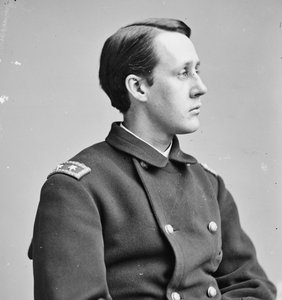
Francis Barlow
1624 - 1704 , Regno Unito
In breve
- Artistic Movement Or Style: Storia naturale, caccia e satira
- Artists Or Movements Influenced By This Artist:
- George Stubbs
- Pittura sportiva britannica
- Artists Who Influenced This Artist: ['William Sheppard']
- Date Of Birth: c. 1626
- Date Of Death: 1704
- Full Name: Francis Barlow
- Nationality: Inglese
- Notable Artworks:
- Three Hares
- A Farmyard
- A Cassowary
- Illustrazioni della Theophila
- Place Of Birth: Lincoln, Regno Unito