

 Anteprima in scala reale
 Condividi
 Condividi
 Dettagli
 Guida stampabile

 Scarica
 Articoli simili
 Radiografia
 Slideshow
 Statistiche
Papa I

 Leggi tutto
L'opera d'arte visualizzata in questa pagina è protetta dalle leggi sul diritto d'autore, il che significa che non possiamo legalmente creare o vendere una riproduzione identica. Tale protezione è garantita da accordi internazionali quali la Convenzione di Berna e dalle leggi nazionali, incluse quelle stabilite da Legge sul copyright degli Stati Uniti - Titolo 17. Tutti i diritti riservati. Le immagini presenti su questo sito sono protette da copyright e non possono essere riprodotte o utilizzate senza l'autorizzazione scritta di WahooArt.com o dei rispettivi proprietari del copyright.
Questo metodo è pienamente conforme alle normative sul diritto d'autore poiché non prevede la copia o la duplicazione dell'opera protetta. Si tratta invece di una rielaborazione creativa: un nuovo dipinto che trae ispirazione dall'originale, senza tuttavia esserne identico.
Giclée / Stampe d'arte
Stampa giclée o su tela di qualità museale, con produzione rapida e diverse opzioni di finitura. ( Ordina la riproduzione dipinta a mano Passa all'immagine digitale)




P118B €10

P118H €10

P118W €10

P438Z €10

P508JH €12

P508YH €12

P805H €10

P805Z €10

P919BZ €10

P919G €10

P919XJ €10

P959ZH €10

P968JZ €12

W106C €8

W218G €10

W218JH €8

W218Y €10

W307PJ €10

W316G €10

W316PJ €8

W316Y €10

W398PJ €8

W4111J €10

W500HY €15

W500JH €15

W692G €12

W849H €8

W940BG €15

W953PJ €8




Scegli tra le nostre dimensioni predefinite, che rispettano le proporzioni originali dell'opera d'arte.

Inserisci la larghezza e l'altezza desiderate, per adattarle alla tua cornice o alla tua parete. Una stampa può essere solo ritagliata, mai resa più grande dell'immagine originale; pertanto, un formato con una forma differente comporterà la perdita di una parte dell'opera. Ti invieremo un mockup digitale da approvare prima di procedere con la stampa. L'immagine mostrata in questa pagina non rappresenta il ritaglio reale — solo il mockup lo mostra.
Consegna in tutto il mondo () in 2 settimane invece delle normali 4/5 settimane. (24 Ottobre)

Spedizione espressa gratuita in tutto il mondo

Tela in lino di alta qualità

Assicurazione completa sulla spedizione

Garanzia di rimborso dei dazi doganali

Garanzia di perfetta fedeltà cromatica

Politica di reso entro 100 giorni (solo per difetti di fabbricazione)

Garanzia di rimborso al 100%

Sconto per acquisti multipli
 L'opzione vetro è disponibile solo per dimensioni inferiori a 110 cm

Papa I
Giclée / Stampe d'arte
Dimensioni della riproduzione
-


Prezzo totale
€ 70
Pope I, 1951: A Portrait of Anxiety and Distortion
Francis Bacon’s *Pope I*, painted in 1951, stands as a haunting testament to the artist's preoccupation with trauma and psychological disintegration—themes that would dominate his oeuvre throughout his prolific career. This monumental canvas embodies Bacon’s signature style, characterized by grotesque distortions of human figures rendered in thickly applied oil paint, creating unsettling juxtapositions of flesh and bone against starkly contrasting backgrounds. The artwork is a black and white portrait of a man sitting in a chair. The man appears to be wearing a hat and has a somewhat sinister expression on his face. He is seated in the center of the frame with his arms crossed. In addition to the main subject, there are several other elements present in the painting. There are two chairs visible in the scene, one located near the left side of the image and another towards the right side. A dining table can also be seen on the left side of the frame. The overall composition of the painting is quite intriguing and captures the viewer’s attention with its contrasting light and dark tones.Stylistic Innovation and Velázquez's Influence
Bacon’s artistic vision was profoundly shaped by Diego Velázquez’s *Portrait of Pope Innocent X*, a masterpiece that Bacon encountered primarily through reproductions in postcards—a deliberate choice reflecting his fascination with the uncanny and the unsettling gaze of the sitter. Unlike traditional portraiture, Bacon eschewed idealized beauty, opting instead for brutal realism infused with expressive distortion. The artist meticulously studied Velázquez's technique, particularly his masterful use of chiaroscuro – dramatic contrasts between light and dark – to heighten the emotional intensity of his canvases. This stylistic approach aligns perfectly with the existential anxieties prevalent in post-war Britain, mirroring the pervasive sense of disillusionment and moral decay that characterized the era. The painting’s monochrome palette amplifies this feeling of bleakness and isolation.Technique and Material Considerations
Bacon employed a distinctive layering technique—applying paint thickly onto the canvas with palette knives—creating palpable textures that convey both physicality and psychological turmoil. This method allowed him to sculpt forms from pigment, imbuing them with an unsettling presence. The artist’s meticulous attention to detail—evident in the rendering of skin pores and musculature—contrasts sharply with the overall distortion of the figure, emphasizing the inherent tension between observation and representation. Furthermore, Bacon utilized a limited range of pigments—primarily whites and blacks—to achieve maximum impact, maximizing the expressive potential of his artistic vision. The starkness of the monochrome reinforces the painting’s emotional core: a confrontation with mortality and the inescapable horrors of human experience.Symbolism and Contextual Resonance
The figure depicted in *Pope I* embodies several symbolic layers reflecting Bacon's broader concerns about power, authority, and vulnerability. The cage-like structure surrounding the man symbolizes confinement—both physical and psychological—representing the artist’s own struggles with identity and selfhood. The dining table, positioned on the left side of the frame, serves as a visual reminder of sustenance and nourishment, juxtaposed against the figure's desolate posture, highlighting the absence of comfort and solace. Moreover, Bacon’s deliberate reference to Velázquez’s portrait underscores his engagement with artistic tradition while simultaneously subverting it—challenging viewers to confront uncomfortable truths about human nature and the complexities of perception. The painting speaks powerfully to the anxieties of its time, mirroring the pervasive fear of totalitarian regimes and the horrors inflicted upon humanity during World War II.Emotional Impact: A Portrait of Desolation
Ultimately, *Pope I* transcends mere visual representation; it is a visceral exploration of human suffering—a depiction of profound psychological anguish conveyed through Bacon’s masterful manipulation of form and color. The unsettling gaze of the figure commands attention, forcing viewers to confront their own anxieties about mortality and vulnerability. The painting's monochrome palette contributes to its oppressive atmosphere, amplifying the sense of isolation and despair that permeates the composition. Bacon’s aim was not simply to depict a person but to capture an essence—a state of being—that resonates with universal human experience. It remains a haunting reminder of the artist’s unflinching gaze at the darkest recesses of the human psyche.Domande e risposte
"Papa I" è una delle opere più popolari di Francis Bacon?
Il livello di popolarità registrato per "Papa I" di Francis Bacon è Iconici.
Che dimensione dovrei scegliere per la stampa di "Papa I" in base alla mia stanza?
In un Zona giorno, si consiglia di stampare "Papa I" con una dimensione di Grande.
Dove dovrebbe essere appesa una riproduzione di "Papa I" di Francis Bacon?
Il formato Formato verticale di "Papa I" di Francis Bacon è consigliato per un/una Zona giorno. Il formato e lo spazio insieme guidano il posizionamento di una riproduzione.
Biografia dell'artista
**primi anni di vita e carriera**
francis bacon, un pittore figurativo britannico nato in Irlanda, nacque il 28 ottobre 1909 a Dublino, Irlanda. I suoi primi anni furono segnati da una serie di trasferimenti dovuti alla ricerca della famiglia per un clima adatto alla salute della sua madre. Questa infanzia itinerante avrebbe influenzato successivamente l'approccio di Bacon all'arte.**stile artistico e temi**
Bacon è rinomato per le sue immagini audaci, cariche di emozioni e spesso grottesche. Le sue figure astratte sono tipicamente isolate in spazi geometrici a gabbia, sullo sfondo di sfondi piatti e impersonali. Questo stile unico è stato sia lodato che criticato dai critici d'arte.- ritratto di isabel rawsthorne che si trova in una strada a Soho, un'opera fondamentale che mostra la capacità di Bacon di catturare l'essenza dei suoi soggetti in un ambiente apparentemente astratto.
- numero vii di otto studi per un ritratto, che esemplifica l'esplorazione dell'uomo da parte dell'artista attraverso una serie di studi.
**influenze e eredità**
Il lavoro di Bacon è stato influenzato da diverse fonti, tra cui maria helena vieira da silva i suoi autoritratto e l'astrattismo dell'espressionismo astratto di piet mondrian. La sua eredità continua a ispirare nuove generazioni di artisti, con il suo stile audace e senza compromessi che rimane un pilastro dell'arte moderna.**mostre importanti e collezioni**
- la società del museo d'arte fine (Regno Unito, che ha esposto le opere di Bacon accanto ad altri importanti artisti britannici. - la nazionale galeria (Norvegia, che presenta una collezione completa d'arte europea, tra cui opere di Bacon. **opere chiave e collezioni:** - francis bacon: ritratto di isabel rawsthorne che si trova in una strada a Soho - francis bacon: numero vii di otto studi per un ritratto **musei e gallerie d'arte:** - la società del museo d'arte fine (Regno Unito - la nazionale galeria (Norvegia)**conclusione**
La tumultuosa vita e l'approccio innovativo di Francis Bacon alla pittura figurativa hanno lasciato un segno indelebile nel mondo dell'arte. La sua eredità, caratterizzata da immagini audaci e cariche di emozioni, continua a influenzare gli artisti contemporanei e a incuriosire il pubblico. **letture consigliate:** - biografia di francis bacon - Wikipedia: Francis Bacon (artista)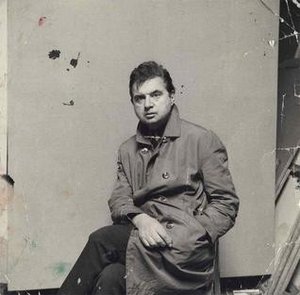
Francis Bacon
1909 - 1992 , Irlanda
Informazioni rapide
- Artisti Influenti:
- Pablo Picasso
- Egon Schiele
- Maria Helena Vieira da Silva
- Piet Mondrian
- Data Di Nascita: 28 ottobre 1909
- Luogo Di Nascita: Dublino, Irlanda
- Movimento Artistico: Espressionismo figurativo
- Nazionalità: Irlandese-Britannica
- Nome Completo: Francis Bacon
- Opere Notevoli:
- Tre studi per figure ai piedi della crocifissione
- Ritratto di Isabel Rawsthorne
- Studio basato sul ritratto del Papa
- Figura in un paesaggio 2
Articoli correlati
Francis Bacon: Le 25 Opere Più Iconiche per una Collezione d'Arte Ineguagliabile
Esplora le 25 opere più iconiche di Francis Bacon, il maestro dell'espressionismo e della pittura figurativa. Scopri la storia, i colori e l'angoscia dietro ogni capolavoro. Riproduzioni d'arte di alta qualità su OriginalUniqueArt.com.
Diego Velázquez: Maestro dell'Età d'Oro Spagnola – Tecnica, Influenze e Ritrattistica di Corte
Esplora la vita e le opere di Diego Velázquez, il maestro del Barocco spagnolo. Analisi approfondita della sua tecnica innovativa, delle influenze artistiche e dei ritratti che hanno definito un'epoca. Scopri l'eredità di questo genio.
L'Angoscia Esistenziale di Francis Bacon: Trauma, Forma e la Condizione Postbellica
Esplora l'angoscia esistenziale di Francis Bacon attraverso un'analisi approfondita della sua vita, opere iconiche come il 'Triptico' e 'Tre Studi per Figure alla Base di una Croce'. Scopri come la sua arte riflette il trauma del dopoguerra.
Francis Cotes: Elegance, Portraiture & the Rise of a Georgian Aesthetic
Explore the elegant world of Francis Cotes, pioneer of English pastel painting & celebrated Georgian portraitist. Discover his captivating portraits, artistic techniques, and lasting influence on 18th-century art.
John Francis Sartorius II: Equestrian Elegance & the Rise of British Portraiture
Explore the captivating world of Francis Sartorius II (1734-1804), a leading British painter renowned for his exquisite equestrian portraits and hunting scenes. Discover his life, techniques & enduring legacy.


