
 Anteprima in scala reale
 Condividi
 Condividi
 Dettagli

 Scarica immagine
 Articoli simili
 Radiografia
 Slideshow
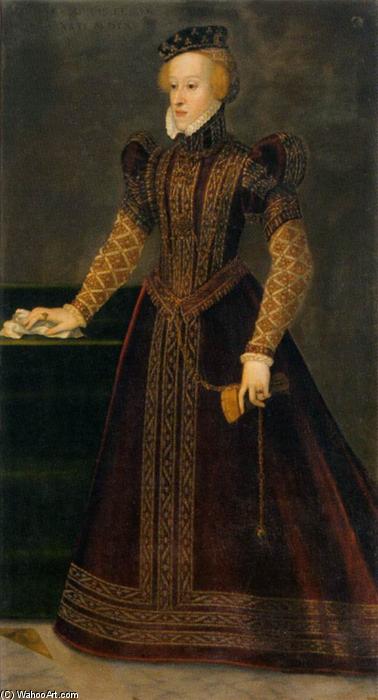
Archduchess Barbara


 Leggi tutto
Riproduzione a olio fatta a mano
Olio su tela dipinto a mano nelle tue dimensioni e con la tua cornice, realizzato su ordinazione dai nostri artisti. ( Ordina stampa Acquista download)




































Scegli tra le nostre dimensioni predefinite, che rispettano le proporzioni originali dell'opera d'arte.

È possibile inserire dimensioni personalizzate per adattare l'opera a una cornice o a uno spazio specifico. Se la dimensione selezionata non corrisponde alle proporzioni dell'immagine originale, provvederemo a ritagliare l'opera o a estendere il dipinto con elementi aggiuntivi dipinti a mano. Un mockup digitale ti sarà inviato per approvazione prima dell'inizio della produzione.
Si prega di notare che l'anteprima a schermo non riflette il ritaglio o l'estensione effettivi. Solo il mockup mostrerà accuratamente la composizione finale.
Sebbene siano disponibili dimensioni personalizzate, consigliamo di selezionare una dimensione dall'elenco predefinito per preservare le proporzioni originali.
Dopo l'ordine, il team di OriginalUniqueArt.com contatterà il cliente via e-mail per le istruzioni e fornirà un'anteprima del mockup
Consegna in tutto il mondo () in 3/4 settimane anziché nelle normali 5 settimane. (13 Agosto). Nessun compromesso sulla qualità.

Spedizione espressa gratuita in tutto il mondo

Tela in lino di alta qualità

Assicurazione completa sulla spedizione

Garanzia di rimborso dei dazi doganali

Garanzia di fedeltà cromatica dell'originale

Politica di reso entro 60 giorni (solo per difetti di fabbricazione)

Garanzia di rimborso al 100%

Sconto per acquisti multipli
 L'opzione vetro è disponibile solo per dimensioni inferiori a 110 cm

Archduchess Barbara
Tecnica di riproduzione
Dimensioni della riproduzione
-


Prezzo totale
$ 300
Biografia dell'artista
Francesco Terzio: A Renaissance Painter Caught Between Tradition and Innovation
Francesco Terzio (ca. 1523 – August 20, 1591) stands as a fascinating figure in the artistic landscape of the Italian Renaissance, embodying both adherence to established stylistic conventions and a burgeoning exploration of expressive potential. Born in Bergamo, Italy, he emerged from a milieu steeped in humanist scholarship and artistic patronage—a context that profoundly shaped his oeuvre and cemented his place within the broader narrative of European art history. His formative years coincided with the zenith of Mannerism, a movement characterized by elongated figures, stylized poses, and an emphasis on illusionistic effects, yet Terzio skillfully navigated these currents, forging a distinctive visual language that distinguishes him from many of his contemporaries.- Early Training & Influences: Terzio’s artistic education began under Giovanni Battista Moroni, a sculptor renowned for his masterful depiction of human anatomy and emotional depth. Moroni instilled in Terzio a meticulous attention to detail and a commitment to capturing the essence of human experience—principles that would permeate his subsequent works. This influence is particularly evident in his early paintings, which demonstrate a remarkable command of chiaroscuro and a sensitivity to sculptural modeling. He absorbed Moroni’s profound understanding of anatomy and emotion, translating it into an artistic style characterized by anatomical precision and expressive dynamism.
- Notable Commissions & Artistic Style: Terzio’s career gained considerable momentum through commissions from prominent patrons, including Emperor Maximilian II in Vienna and Archduke Ferdinand II. These engagements allowed him to hone his skills and experiment with innovative techniques—most notably his monumental frescoes adorning Schloss Ambras, Innsbruck. His style is marked by a harmonious blend of Mannerist elegance and Renaissance realism, achieved through masterful use of color palettes and compositional arrangements. The artist’s penchant for capturing psychological nuance—particularly in portraits—established him as one of the foremost portraitists of his era. He skillfully blended Mannerist stylistic elements with Renaissance ideals of beauty and proportion, creating images that were both aesthetically sophisticated and emotionally resonant.
- The Habsburg Court & Artistic Legacy: Terzio's prolonged association with the Habsburg court proved pivotal to his artistic development and solidified his reputation as a royal painter. He produced a prolific series of portraits documenting the imperial family, capturing their likenesses with remarkable accuracy and conveying subtle expressions of emotion. Furthermore, Terzio’s involvement in the creation of engravings for Maximilian II’s dynastic history showcased his versatility and contributed significantly to disseminating his artistic vision across Europe. These commissions demanded meticulous observation and technical virtuosity, furthering Terzio's mastery of portraiture and engraving techniques.
- Religious Art & Artistic Vision: Among Terzio’s most celebrated achievements are two paintings commissioned for San Francesco di Paola in Bergamo—a Nativity scene and an Assumption of the Virgin. These works exemplify Terzio’s dedication to religious iconography, reflecting the humanist ideals prevalent during his time while simultaneously embracing Mannerist stylistic conventions. The artist’s meticulous attention to detail and expressive use of color underscore his profound understanding of artistic principles. He approached these commissions with a deep reverence for faith and a commitment to conveying spiritual truth through visual imagery.
- Recognition & Historical Significance: Francesco Terzio's legacy extends beyond his individual artworks; he served as a visionary Jesuit writer and engineer, demonstrating intellectual curiosity alongside artistic talent. His engravings after drawings—particularly those depicting the Habsburg monarchs—became invaluable instruments for documenting imperial history and shaping public perception. Today, Terzio’s paintings continue to inspire admiration for their technical brilliance and emotional resonance, securing his place as an enduring symbol of Renaissance artistry. He was recognized not only for his artistic accomplishments but also for his contributions to scholarship and scientific inquiry, cementing his position as a multifaceted figure within the intellectual landscape of his time.

Francesco Terzio
1523 - 1591 , Italia
Informazioni rapide
- Artistic Movement Or Style: Renaissance Painting
- Artists Or Movements Influenced By This Artist: ['Charles V']
- Artists Who Influenced This Artist: ['Giovanni Battista Moroni']
- Date Of Birth: ca. 1523
- Date Of Death: August 20, 1591
- Full Name: Francesco Terzio
- Nationality: Italian
- Notable Artworks: ['Nativity & Assumption']
- Place Of Birth: Bergamo, Italy

