
 Anteprima in scala reale
 Invia
Invia Condividi
 Dettagli opera
 Guida
Guida

 Scarica
 Simili
 Radiografia
 Slideshow
 Q&A
Q&A Statistiche
Christ Crowned with Thorns

- 52.0 x 37.0 cm


 Espandi i dettagli
Giclée / Stampe d'arte
Stampa giclée o su tela di qualità museale, con produzione rapida e diverse opzioni di finitura. ( Acquista il dipinto realizzato a mano Passa all'immagine digitale)




P118B €10

P118H €10

P118W €10

P438Z €10

P508JH €12

P508YH €12

P805H €10

P805Z €10

P919BZ €10

P919G €10

P919XJ €10

P959ZH €10

P968JZ €12

W106C €8

W218G €10

W218JH €8

W218Y €10

W307PJ €10

W316G €10

W316PJ €8

W316Y €10

W398PJ €8

W4111J €10

W500HY €15

W500JH €15

W692G €12

W849H €8

W940BG €15

W953PJ €8




Scegli tra le nostre dimensioni predefinite, che rispettano le proporzioni originali dell'opera d'arte.

Inserisci la larghezza e l'altezza desiderate, per adattarle alla tua cornice o alla tua parete. Una stampa può essere solo ritagliata, mai resa più grande dell'immagine originale; pertanto, un formato con una forma differente comporterà la perdita di una parte dell'opera. Ti invieremo un mockup digitale da approvare prima di procedere con la stampa. L'immagine mostrata in questa pagina non rappresenta il ritaglio reale — solo il mockup lo mostra.
Consegna in tutto il mondo () in 2 settimane invece delle normali 4/5 settimane. (1 Novembre)

Spedizione espressa gratuita in tutto il mondo

Tela in lino di alta qualità

Assicurazione completa sulla spedizione

Garanzia di rimborso dei dazi doganali

Garanzia di fedeltà cromatica assoluta

Politica di reso entro 100 giorni (solo per difetti di fabbricazione)

Garanzia di rimborso al 100%

Offerta per acquisti multipli
 L'opzione vetro è disponibile solo per dimensioni inferiori a 110 cm

Christ Crowned with Thorns
Giclée / Stampe d'arte
Dimensioni riproduzione
-


Prezzo finale calcolato
€ 71
A Study in Serene Suffering
In the quiet corridors of the Museo Nazionale di San Marco in Florence, there exists a painting that transcends the mere depiction of a biblical moment to become an intimate encounter with the divine. Fra Bartolomeo’s Christ Crowned with Thorns is not simply a record of the Passion; it is a profound meditation on dignity amidst degradation. Completed around 1507, this masterpiece captures the pivotal moment of Christ's humiliation following his arrest in Jerusalem, yet it avoids the chaotic violence often associated with such scenes. Instead, the viewer is met with an ethos of spiritual introspection and a quiet, unwavering fortitude that resonates through the centuries.
The subject matter focuses on the iconic narrative of the Passion, where Jesus is subjected to the mockery of Roman soldiers. However, Bartolomeo directs our attention away from the external cruelty and toward the internal state of the Savior. The composition is centered on a close-up portrait that draws the eye upward, inviting a contemplative gaze. There is a striking contrast between the violent intent suggested by the crown of thorns and the serene, almost melancholic expression on Christ's face. This juxtaposition serves as a powerful symbol of his sacrifice, suggesting a soul that remains untouched by the physical torment inflicted upon it.
Mastery of Light and Sfumato
Technically, the work is a triumph of High Renaissance portraiture, showcasing Bartolomeo’s commitment to anatomical accuracy and naturalistic observation. The artist employs sfumato—a technique famously pioneered by Leonardo da Vinci—to achieve a remarkable tonal subtlety. By layering thin glazes of oil paint on the panel, he creates a surface that possesses a velvety texture, where edges are softened and shadows emerge with a gentle, breathing quality. This meticulous approach allows for a delicate transition between light and dark, lending a three-dimensional depth to the facial features.
The lighting within the piece is soft and diffused, appearing to emanate from an unseen source above the figure. This illumination highlights the brow and cheekbones of Christ, casting gentle shadows that define the organic contours of his face. Such careful manipulation of light does more than just create form; it imbues the portrait with a sense of sanctity. The shallow perspective keeps the viewer locked in an intimate space with the subject, making the emotional weight of the painting feel immediate and personal rather than distant or historical.
A Legacy of Spiritual Devotion
To understand the soul of this painting, one must consider the turbulent era in which it was born. Painted during a time when Florence was under the fervent influence of Savonarola’s crusade against artistic excess, Bartolomeo’s work reflects a deep-seated spiritual conviction. As a painter whose workshop was shaped by these religious shifts, he sought to convey a solemn reverence for iconography, moving away from perceived decadence toward a more disciplined and pious representation of the sacred.
For the collector or the lover of fine art, Christ Crowned with Thorns offers more than just aesthetic beauty; it offers an emotional sanctuary. The painting’s ability to balance the heavy symbolism of the thorns with the lightness of a peaceful countenance makes it a profound piece for any collection. It serves as a reminder of the strength found in stillness and the enduring power of faith, making it an inspiring centerpiece for those who appreciate art that speaks to the deepest reaches of the human spirit.
Domande e risposte
Per quale uso è consigliata una riproduzione di "Christ Crowned with Thorns" di Fra Bartolomeo?
Una riproduzione di "Christ Crowned with Thorns" di Fra Bartolomeo è consigliata per Accent. Questo suggerimento deriva dal soggetto, dall'atmosfera e dai colori dell'opera.
Qual è l'atmosfera generale di "Christ Crowned with Thorns" di Fra Bartolomeo?
"Christ Crowned with Thorns" emana un'atmosfera Serene.
Per quale motivo lo stato del copyright di "Christ Crowned with Thorns" è questo?
"Christ Crowned with Thorns" di Fra Bartolomeo è di di pubblico dominio - il copyright è scaduto. La durata del copyright decorre dalla morte dell'artista, avvenuta nel 1517.
Biografia dell'artista
La Vita e l'Opera di Fra Bartolomeo
- Nascita e Formazione (1472-1499): Baccio della Porta nacque il 28 marzo 1472 a Savignano di Prato, in Toscana. Ricevette il soprannome "Baccio della Porta" per la vicinanza della sua casa al cancello di San Pier Gattolini. Nel 1483 o 1484 iniziò un apprendistato nella bottega di Cosimo Rosselli, pittore fiorentino noto per i suoi affreschi. Questa formazione iniziale lo espose alle tecniche e agli stili artistici del Rinascimento. Dal 1490 o 1491 collaborò strettamente con Mariotto Albertinelli, un altro artista fiorentino, condividendo commissioni e scambiando idee artistiche.
L'Influenza di Savonarola e la Conversione Religiosa (1498-1503)
- Influenza Savonaroliana: Alla fine degli anni '90 del Quattrocento, Fra Bartolomeo fu profondamente influenzato dai sermoni e dagli insegnamenti di Fra Girolamo Savonarola. La denuncia di Savonarola contro l'arte contemporanea che considerava vana e corrotta ebbe un impatto significativo sulla prospettiva artistica di Bartolomeo.
- Ritratto di Savonarola: Un'opera fondamentale di questo periodo è il suo famoso ritratto di Savonarola (1498), ora conservato nel Museo Nazionale di San Marco, Firenze. Questo dipinto rimane una significativa rappresentazione visiva del riformatore.
- Frate Domenicano: Nel 1500, profondamente colpito dagli insegnamenti di Savonarola, Bartolomeo rinunciò alla pittura e divenne frate domenicano presso il Convento di San Marco. Rimase in questo stato per diversi anni, dedicandosi alla vita religiosa.
Il Ritorno alla Pittura e lo Stile del Rinascimento Maturo (1504-1517)
- Ripresa della Pittura: Nel 1504, su richiesta dei suoi superiori, Fra Bartolomeo riprese a dipingere, diventando capo della bottega monastica.
- Visione di San Bernardo: Un'opera chiave di questo periodo è la "Visione di San Bernardo" (1507), che esemplifica il suo stile idealizzato del Rinascimento Maturo in via di sviluppo. Questo pezzo, sebbene ora in cattive condizioni, fu molto influente e si dice abbia impressionato un giovane Raffaello.
- Amicizia con Raffaello: Bartolomeo formò una stretta amicizia con Raffaello durante la visita dell'artista a Firenze. Si influenzarono reciprocamente; Bartolomeo imparò la prospettiva da Raffaello, mentre gli impartì abilità nel colorismo e nella drappeggiatura al pittore più giovane.
- Sviluppo dello Stile: Il suo stile si evolse, incorporando elementi di luce e dei suoi effetti sulle forme, probabilmente ispirato dall'influenza di Raffaello. È noto per le sue piccole figure, elegantemente drappeggiate, e l'abile uso della luce e dell'ombra.
Opere Principali e Contributi Artistici
- Pali d’Altare: Fra Bartolomeo produsse numerosi pali d’altare durante la sua carriera, tra cui opere commissionate a Venezia (Santa Maria Maddalena e Santa Caterina da Siena), Lucca (Madonna col Bambino e Santi) e Besançon (pale d'altare per la cattedrale).
- Affreschi: Creò affreschi per varie località, incluso il convento domenicano di Pian di Mugnone vicino a Fiesole.
- Primi Schizzi di Paesaggio: Fra Bartolomeo è riconosciuto come un pioniere nell'arte del paesaggio, producendo alcuni dei primi schizzi di paesaggi puri dall'Italia. Questi disegni dimostrano un interesse precoce per la cattura della natura.
- Fresco del "Noli Me Tangere": La sua ultima opera fu un affresco del "Noli Me Tangere" (Non Temere) sempre a Pian di Mugnone.
Eredità e Significato Storico
- Influenza su Raffaello: L'influenza di Fra Bartolomeo su Raffaello è innegabile, contribuendo allo sviluppo dell'arte del Rinascimento Maturo.
- Pioniere dell'Arte del Paesaggio: I suoi schizzi di paesaggio sono considerati rivoluzionari per il loro tempo, anticipando i successivi sviluppi nella pittura di paesaggio.
- Devozione Religiosa e Espressione Artistica: Combinò in modo unico una profonda devozione religiosa con abilità artistiche, creando opere che servivano sia a scopi spirituali che estetici.
- Transizione dal Primo al Rinascimento Maturo: La carriera di Fra Bartolomeo rappresenta una transizione dallo stile fiorentino precedente verso le forme idealizzate e le composizioni equilibrate del Rinascimento Maturo.
- Morte: Morì a Firenze il 31 ottobre 1517.
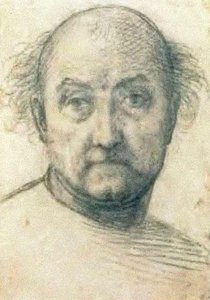
Fra Bartolomeo
1472 - 1517 , Italia
Dettagli rapidi
- Artisti Influenti: ['Cosimo Rosselli']
- Artisti Influenzati: ['Raphael']
- Data Di Nascita: 28 marzo 1472
- Luogo Di Nascita: Prato, Italia
- Movimento Artistico: Alto Rinascimento
- Nazionalità: Italiana
- Nome Completo: Fra Bartolomeo
- Opere Notevoli:
- Visione di San Bernardo
- Ritratto di Savonarola
Articoli correlati

I 25 Capolavori Divini di Fra Angelico: Il Pittore del Cielo
Scopri i 25 capolavori di Fra Angelico e la luce del Rinascimento. Esplora la collezione su OriginalUniqueArt.com.

The Enduring Power of Painting: A Historical & Contemporary Exploration of Form and Emotion
Explore the rich history & enduring techniques of oil painting with OriginalUniqueArt. Discover masterpieces, learn about art collecting, and find authentic handmade reproductions crafted by skilled artists.

The Enduring Legacy of Oil on Canvas: Technique, History & Aesthetic Impact
Explore the rich history & techniques of oil painting – from Renaissance masters to Impressionism. Discover pigments, layering methods, and why this timeless medium endures. Expert insights for artists & art enthusiasts.

L'Eredità Duratura della Pittura a Olio: Tecnica, Storia e Pratica Contemporanea
Esplora la storia affascinante e le tecniche della pittura a olio. Scopri come i maestri hanno creato capolavori senza tempo e come questa arte vive oggi. : riproduzioni di alta qualità e consulenza esperta.

L’Essenza dell’Olio su Tela: Storia, Tecnica e l'Incorruttibile Bellezza dei Grandi Maestri
Scopri i segreti tecnici e la storia della pittura a olio tra maestria e scienza. Approfondisci l'arte dei grandi maestri ora.


