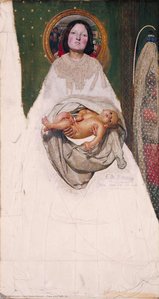
Anteprima in scala reale
 Condividi
 Condividi
 Dettagli

 Scarica
 Articoli simili
 Radiografia
 Slideshow
 Statistiche
The pretty Baa Lambs
 Oil On Canvas
- WallArt
- Pre-Raphaelite
 1852
1852 20.0 x 26.0 cm
 Ashmolean Museum di Arte e Archeologia
 Leggi tutto
Riproduzione a olio fatta a mano
Olio su tela dipinto a mano nelle tue dimensioni e con la tua cornice, realizzato su ordinazione dai nostri artisti. ( Passa alle stampe Passa all'immagine digitale)




P118B $10

P118H $10

P118W $10

P438Z $10

P508JH $12

P508YH $12

P805H $10

P805Z $10

P919BZ $10

P919G $10

P919XJ $10

P959ZH $10

P968JZ $12

W106C $8

W218G $10

W218JH $8

W218Y $10

W307PJ $10

W316G $10

W316PJ $8

W316Y $10

W398PJ $8

W4111J $10

W500HY $15

W500JH $15

W692G $12

W849H $8

W940BG $15

W953PJ $8




Scegli tra le nostre dimensioni predefinite, che rispettano le proporzioni originali dell'opera d'arte.

È possibile inserire dimensioni personalizzate per adattare l'opera a una cornice o a uno spazio specifico. Se la dimensione selezionata non corrisponde alle proporzioni dell'immagine originale, provvederemo a ritagliare l'opera o a estendere il dipinto con elementi aggiuntivi dipinti a mano. Un mockup digitale ti sarà inviato per approvazione prima dell'inizio della produzione.
Si prega di notare che l'anteprima a schermo non riflette il ritaglio o l'estensione effettivi. Solo il mockup mostrerà accuratamente la composizione finale.
Sebbene siano disponibili dimensioni personalizzate, consigliamo di selezionare una dimensione dall'elenco predefinito per preservare le proporzioni originali.
Dopo l'ordine, il team di OriginalUniqueArt.com contatterà il cliente via e-mail per ricevere le istruzioni e fornirà un'anteprima del mockup
Consegna in tutto il mondo () in 3/4 settimane anziché nelle normali 5 settimane. (12 Settembre). Nessun compromesso sulla qualità.

Spedizione espressa gratuita in tutto il mondo

Tela in lino di alta qualità

Assicurazione completa sulla spedizione

Garanzia di rimborso dei dazi doganali

Garanzia di perfetta fedeltà cromatica

Politica di reso entro 100 giorni (solo per difetti di fabbricazione)

Garanzia di rimborso al 100%

Sconto per acquisti multipli
 L'opzione vetro è disponibile solo per dimensioni inferiori a 110 cm

The pretty Baa Lambs
Tecnica di riproduzione
Dimensioni della riproduzione
-


Prezzo totale
$ 325
A Moment of Rural Bliss: Ford Madox Brown’s “The Pretty Baa Lambs”
Ford Madox Brown's "The Pretty Baa Lambs," painted in 1852, isn’t merely a depiction of a pastoral scene; it’s an immersion into a carefully constructed world of innocence, familial warmth, and the quiet beauty of the English countryside. This oil-on-panel masterpiece, now residing within the Birmingham Museum and Art Gallery, immediately draws the viewer in with its vibrant palette and seemingly effortless composition – yet beneath this surface lies a complex interplay of symbolism and artistic intent. The painting captures a fleeting moment: a woman and child, dressed in the elegant fashions of the late 18th century, tenderly tending to a flock of fluffy lambs amidst a sun-drenched field. The scene is framed by a distant landscape, subtly hinting at a larger world beyond this idyllic enclosure.

Pre-Raphaelite Sensibilities and a Pioneering Technique
“The Pretty Baa Lambs” is firmly rooted in the Pre-Raphaelite movement, an artistic rebellion against the academic conventions of the Royal Academy. Brown, though never formally affiliated with the Brotherhood, shared their core values: a reverence for nature, a fascination with medieval and Renaissance art, and a commitment to depicting subjects with meticulous detail and emotional honesty. Unlike the polished surfaces favored by earlier generations, Brown’s technique is deliberately visible – brushstrokes are pronounced, paint is applied in thick layers, creating a textured surface that invites close inspection. This “impasto” effect adds a dynamic energy to the scene, particularly evident in the depiction of the lambs' wool and the billowing grasses.
Notably, Brown chose to paint *en plein air* – outdoors – a relatively new practice at the time. This decision allowed him to capture the fleeting effects of sunlight and shadow with remarkable accuracy, contributing significantly to the painting’s luminous quality. The use of color is particularly striking; the vibrant greens and blues of the landscape contrast sharply with the warm tones of the figures' clothing, creating a harmonious balance that draws the eye across the canvas.
Symbolism Within the Pastoral
Beyond its surface beauty, “The Pretty Baa Lambs” is rich in symbolic meaning. The woman and child represent domesticity, innocence, and the idealized virtues of rural life – values highly prized during the Victorian era. Their elegant attire suggests a privileged social status, subtly hinting at the contrast between this idyllic world and the realities of industrialization and poverty that were rapidly transforming England. The lambs themselves are potent symbols of abundance, fertility, and renewal. The act of feeding them represents nurturing and care – fundamental themes within the painting.
Interestingly, Brown himself famously downplayed any deeper meaning, stating simply that it was “a lady, a baby, two lambs, a servant maid and some grass.” However, this seemingly dismissive remark belies the careful construction of the scene and its complex interplay of visual and symbolic elements. The distant architecture in the background, for example, provides a subtle reminder of civilization and human presence, anchoring the idyllic pastoral within a broader social context.
A Legacy of Romantic Pastoral
“The Pretty Baa Lambs” remains a captivating work of art, admired for its beauty, technical skill, and evocative atmosphere. It exemplifies Brown’s ability to seamlessly blend Pre-Raphaelite ideals with his own unique artistic vision. Reproductions of this painting continue to resonate with viewers today, offering a glimpse into a bygone era – a time when the simple pleasures of rural life were idealized as a refuge from the complexities of modern society. Its enduring appeal lies in its ability to transport us to a world of serene beauty and timeless innocence.
Biografia dell'artista
La Vita e l'Opera di Ford Madox Brown
Ford Madox Brown, nato il 16 aprile 1821 a Calais, in Francia, e deceduto il 6 ottobre 1893 a Londra, è stato un pittore britannico noto per le sue opere che affrontano temi morali e storici. La sua arte si distingue per uno stile distintivo, grafico e spesso influenzato da William Hogarth, all'interno del movimento Pre-Raffaellita.
Primi Anni e Formazione
La vita di Brown fu segnata da frequenti trasferimenti tra Calais e le contee del Kent, a causa delle precarie condizioni finanziarie della sua famiglia. Questo limitò le sue opportunità educative formali, ma dimostrò un talento artistico precoce, in particolare nella riproduzione di stampe dei maestri antichi. Suo padre, purser nella Royal Navy, cercò inizialmente per lui una carriera navale, ma Brown si dedicò all'arte. Studiò ad Anversa sotto Pieter van Hanselaere e Gustaf Wappers, acquisendo solide basi tecniche.
Stile Artistico e Opere Principali
Lo stile di Brown è caratterizzato da colori vivaci e un realismo dettagliato, spesso utilizzato per rappresentare soggetti storici e morali. Tra le sue opere più significative spiccano:
- Work (1852-1865): Considerata la sua opera più notevole, Work incarna il suo stile grafico e hogarthiano, raffigurando scene di vita quotidiana con un'attenzione particolare alla dignità del lavoro.
- The Manchester Murals: Una serie di dodici dipinti realizzati per il municipio di Manchester, che narrano la storia della città. Questi murales sono considerati tra gli esempi più raffinati dell'arte pre-raffaelita.
- The Last of England (1855): Un’opera potente e malinconica che riflette temi di esilio, perdita e declino nazionale.
Influenze e Legato
Brown fu un consigliere e amico dei membri della Fratellanza Pre-Raffaellita, influenzando il loro stile artistico con la sua attenzione al realismo e alla rappresentazione di soggetti contemporanei. Fu particolarmente influente su Dante Gabriel Rossetti e William Holman Hunt. La sua opera ha ispirato altri artisti, come Thomas Benjamin Kennington, che ne riprese lo stile in opere come The Pinch of Poverty.
Vita Personale e Eredità
La vita personale di Brown fu segnata da due matrimoni: con Elizabeth Bromley (1841-1846) e successivamente con Emily Hill (1853-1890). Ebbe cinque figli, tra cui Lucy Madox Brown e Catherine Madox Brown. Il suo contributo all'arte britannica è innegabile, e la sua eredità continua a essere celebrata per il suo ruolo pionieristico nel movimento pre-raffaelita e per la sua capacità di rappresentare con realismo e dignità la vita quotidiana e i temi morali del suo tempo.
Importanti Link

Ford Madox Brown
1821 - 1893 , Francia
Informazioni rapide
- Artistic Movement Or Style: Pre-Raffaellita, Realismo
- Artists Or Movements Influenced By This Artist:
- Pre-Raffaelliti
- Thomas Benjamin Kennington
- Artists Who Influenced This Artist:
- Hans Holbein
- William Hogarth
- Date Of Birth: 16 aprile 1821
- Date Of Death: 6 ottobre 1893
- Full Name: Ford Madox Brown
- Nationality: Britannico
- Notable Artworks:
- Work (1852-1865)
- The Manchester Murals
- The Last of England
- Place Of Birth (City And Country): Calais, Francia
Articoli correlati

I Preraffaelliti: Ribellione Estetica e Dettaglio Narrativo nell'Inghilterra Vittoriana
Esplora il movimento preraffaellita con OriginalUniqueArt. Analisi approfondite di Millais, Rossetti e Hunt, tecniche innovative e l'impatto rivoluzionario sull'arte vittoriana. Scopri la bellezza e i dettagli narrativi delle opere più iconiche.
Ford Madox Brown: Visionario Preraffaellita e Commentatore Sociale dell'Era Vittoriana
Esplora la vita e le opere di Ford Madox Brown, figura chiave del movimento preraffaellita. Analisi approfondite, contesto storico e l'influenza italiana sulla sua arte rivoluzionaria.
The Pre-Raphaelite Brotherhood: Reclaiming Beauty, Nature, and Truth in Victorian Art History
Explore the revolutionary Pre-Raphaelite Brotherhood. Discover how these visionary artists rejected academic tradition to reclaim beauty, nature, and truth through luminous detail and literary depth in Victorian art history.

Pre-Raphaelite Romanticism: A Guide to Vivid Detail and Medieval Beauty in Victorian Art
Explore the vivid detail and medieval beauty of Pre-Raphaelite Romanticism. Discover the history of masters like Rossetti and Millais through our expert guide to Victorian art, perfect for collectors and professionals seeking authentic, museum-quality reproductions.

Dante Gabriel Rossetti: I 25 Capolavori che Definiscono un Maestro del Simbolismo
Esplora i 25 capolavori di Dante Gabriel Rossetti, pittore preraffaellita simbolo del romanticismo vittoriano. Scopri storie, tecniche e colori unici delle sue opere più famose. Trova riproduzioni d'arte di alta qualità per la tua casa su OriginalUniqueArt.com