
 Anteprima in scala reale
 Condividi
 Condividi
 Dettagli

 Scarica immagine
 Articoli simili
 Radiografia
 Slideshow
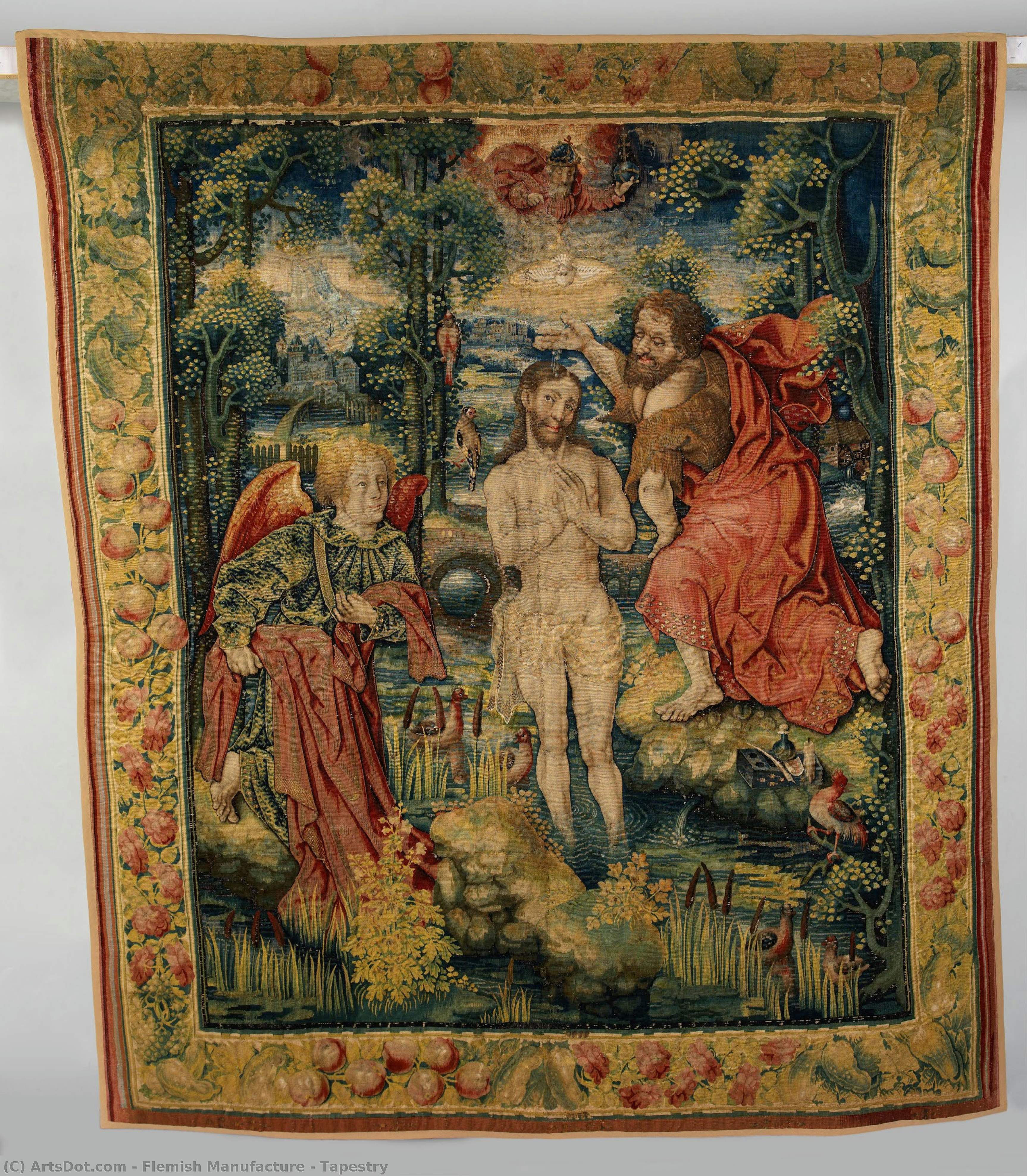
Tapestry

 Leggi tutto
Acquista un'immagine digitale ad alta risoluzione e ottimizzata, di qualità nettamente superiore all'anteprima online.
Ogni file è meticolosamente preparato dai nostri specialisti interni attraverso l'uso di strumenti avanzati e un sapiente ritocco manuale. Garantiamo che ogni immagine presenti una chiarezza eccezionale, una precisione cromatica impeccabile e dettagli raffinati.
Il file finale viene consegnato via e-mail entro 72 ore, ottimizzato per un uso immediato in contesti professionali, editoriali e di stampa. Si tratta della stessa qualità affidata ai più prestigiosi studi di design, editori e gallerie d'arte.
Immagine Digitale
Scarica un file ad alta risoluzione per uso personale, per la stampa e per progetti creativi. ( Acquista stampa Acquista dipinto fatto a mano)
Incluso in ogni acquisto di immagini digitali
Consegna digitale professionale e garantita
Quando scegli OriginalUniqueArt.com, non riceverai solo un'immagine: riceverai un'opera d'arte digitale professionalmente ottimizzata, realizzata con la massima precisione e accompagnata da una garanzia di soddisfazione. Ecco tutto ciò che include il tuo ordine, automaticamente:

Consegna rapida via email
Riceverai il file dell'immagine digitale ad alta risoluzione via email entro 72 ore dall'ordine, pronto per un uso immediato.

File digitale potenziato dall'IA
La tua opera d'arte viene ottimizzata professionalmente attraverso l'uso di strumenti avanzati di intelligenza artificiale e una revisione manuale, garantendo il massimo livello di dettaglio, nitidezza e accuratezza cromatica.

Riconsegna gratuita a vita
Hai eliminato o perso accidentalmente il tuo file? Non preoccuparti: te lo invieremo di nuovo in qualsiasi momento, gratuitamente.

Nessun costo di importazione, mai
Goditi la tua opera d'arte istantaneamente senza costi doganali, dazi o spese di spedizione: i download digitali sono sempre esenti da tasse.

Garanzia di fedeltà cromatica
Garantiamo che la tua immagine digitale rifletta i colori originali con la massima fedeltà, grazie all'uso di strumenti professionali e a una gestione accurata del colore.

Garanzia soddisfazione 60 giorni
Se non sei soddisfatto della tua immagine digitale, la revisioneremo o ti rimborseremo il 100% entro 60 giorni, senza domande.

Garanzia di rimborso al 100%
Non sei soddisfatto? Ricevi un rimborso completo entro 60 giorni dal ricevimento del tuo file digitale, senza dover fornire spiegazioni.

Sconti per ordini multipli
Acquista 3 immagini, risparmia il 10% - Acquista 5, risparmia il 15% - Acquista 10+, risparmia il 20%. Ideale per progetti creativi, gallerie e agenzie.
Biografia dell'artista
The Enigmatic World of Flemish Manufacture Tapestries
The term “Flemish Manufacture” doesn’t denote a single artist, but rather a collective—a vibrant ecosystem of workshops and artisans flourishing primarily in Flanders (modern-day Belgium) during the 16th and 17th centuries. These were not merely weavers; they were skilled storytellers translating complex designs into breathtaking tapestries that adorned the palaces and homes of European nobility. To understand Flemish Manufacture is to delve into a world where artistry, commerce, and political power intertwined seamlessly. The workshops themselves operated as highly organized enterprises, employing designers—often from Italy or France—who created cartoons (full-scale painted designs), while master weavers oversaw the intricate process of bringing these visions to life on the loom.A Legacy Rooted in Medieval Tradition
The roots of Flemish tapestry production stretch back to the medieval period, with Arras and Tournai establishing themselves as prominent weaving centers. However, it was during the Renaissance that Flanders truly ascended to become *the* epicenter of luxury textile creation. The region’s strategic location—a crossroads of trade routes—facilitated access to both raw materials (wool, silk, and precious metals) and a diverse clientele eager for opulent displays of wealth and status. The decline of Italian workshops in the 15th century further propelled Flanders into prominence, as skilled artisans migrated north seeking patronage and stability. The demand was insatiable; tapestries weren’t simply decorative objects—they were portable expressions of power, used to fill vast spaces, insulate stone walls, and commemorate significant events. The influence of Italian Renaissance painting is particularly evident in the subject matter and compositional complexity of many Flemish tapestries, with mythological scenes, historical narratives, and allegorical representations becoming increasingly popular.Technique and Materials: A Symphony of Skill
Creating a Flemish tapestry was an extraordinarily labor-intensive process. The cartoons were laid beneath the loom, serving as guides for the weavers who worked from the back, meticulously knotting colored wools onto the warp threads. This technique—known as the *haute lisse* or high-warp weaving—allowed for incredible detail and nuanced shading. The palette was rich and varied, achieved through the skillful dyeing of wool with natural pigments derived from plants, insects, and minerals. Silk and even gold and silver threads were often incorporated to add luminosity and texture. The most accomplished weavers could create effects that mimicked painting, employing techniques like *verdure* (dense foliage) and *grisaille* (monochrome shading). The sheer scale of many tapestries—some measuring several stories high—testifies to the extraordinary patience and collaborative spirit of these workshops.Themes and Symbolism: Narratives Woven in Wool
Flemish Manufacture tapestries covered a vast range of themes, reflecting the tastes and preoccupations of their patrons. Mythological subjects, drawn from classical literature and Ovid’s *Metamorphoses*, were particularly popular, offering opportunities for allegorical interpretations and displays of artistic virtuosity. Historical tapestries—commemorating battles, royal marriages, or religious events—served as powerful statements of political legitimacy and dynastic pride. The Story of Constantine, for example, was a recurring motif, celebrating the Roman emperor’s conversion to Christianity. Allegorical scenes, often featuring personifications of virtues, vices, or the seasons, conveyed complex moral messages and philosophical ideas. Beyond the overt narratives, tapestries were also imbued with subtle symbolism—flowers, animals, and architectural elements all carried specific meanings that would have been understood by contemporary viewers.Historical Significance and Enduring Appeal
The workshops of Flanders dominated the tapestry market for over two centuries, shaping artistic trends and influencing weaving traditions across Europe. While production declined in the 18th century with changing tastes and the rise of other decorative arts, the legacy of Flemish Manufacture endures. Today, these tapestries are prized as masterpieces of textile art, offering invaluable insights into the cultural, political, and aesthetic values of the Renaissance and Baroque periods. They represent not only exceptional craftsmanship but also a unique form of storytelling—a vibrant tapestry woven with threads of history, mythology, and human ambition. The enduring appeal lies in their ability to transport us back in time, allowing us to glimpse the world through the eyes of those who commissioned and cherished these magnificent works of art.
In breve
- Artistic Movement Or Style: Tapestry
- Date Of Death: Living
- Full Name: Flemish Manufacture
- Nationality: Flemish
- Notable Artworks: ['Tapestry']

