Menu

() ·

A painting made for you, by hand

Figure study

Riproduzione a olio fatta a mano

Olio su tela dipinto a mano nelle tue dimensioni e con la tua cornice, realizzato su ordinazione dai nostri artisti. ( Passa alle stampe Passa all'immagine digitale)

Descrizione del reperto

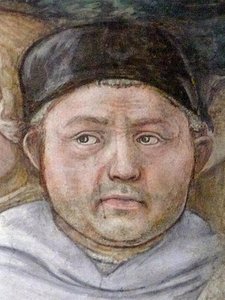
Explore Filippo Lippi's masterful pen drawing 'Figure Study,' capturing the contemplative grace of a Renaissance woman amidst classical drapery and subtle shading techniques.

Biografia dell'artista

Filippo Lippi (1406-1469): pittore fiorentino celebre per Madonne liriche, naturalismo e composizioni innovative. Influenzò Botticelli & plasmò l'arte del Rinascimento. Scopri la sua vita e le sue opere!

from ·

Chapter 1

How large should it be?

Slide to change the size; the picture on the left shows the frame at its real width. The proportions of the original are kept.

Formato standard
su misura
CM
INCH

Scegli tra le nostre dimensioni predefinite, che rispettano le proporzioni originali dell'opera d'arte.

larghezza
altezza

Inserisci la larghezza e l'altezza desiderate, per adattarle alla tua cornice o alla tua parete. Trattandosi di un'opera dipinta a mano, in caso di dimensioni con un formato differente, l'artista può estendere leggermente il dipinto oltre i bordi dell'immagine o ritagliare una piccola parte — la scelta spetta a te. Ti invieremo un mockup digitale da approvare prima che la realizzazione abbia inizio. L'immagine mostrata in questa pagina non rappresenta il risultato finale — solo il mockup lo fa.

Chapter 2

How should it arrive?

Choose the edges of the stretched canvas

Choose your frame

Corner sample of the WhiteWrap canvas edge finish, stretched on legno massello bars
White €1
Corner sample of the BlurSideWrap canvas edge finish, stretched on legno massello bars
Blurside €1
Corner sample of the ExtendedWrap canvas edge finish, stretched on legno massello bars
Extended €1
Corner sample of the P118B picture frame: polistirene stampato, 5 cm wide and 3 cm thick
P118B €10
Corner sample of the P118H picture frame: polistirene stampato, 5 cm wide and 3 cm thick
P118H €10
Corner sample of the P118W picture frame: polistirene stampato, 5 cm wide and 3 cm thick
P118W €10
Corner sample of the P438Z picture frame: polistirene stampato, 5.5 cm wide and 3.5 cm thick
P438Z €10
Corner sample of the P508JH picture frame: polistirene stampato, 7 cm wide and 3.5 cm thick
P508JH €12
Corner sample of the P508YH picture frame: polistirene stampato, 7 cm wide and 3.5 cm thick
P508YH €12
Corner sample of the P805H picture frame: polistirene stampato, 5 cm wide and 3.5 cm thick
P805H €10
Corner sample of the P805Z picture frame: polistirene stampato, 5 cm wide and 3.5 cm thick
P805Z €10
Corner sample of the P919BZ picture frame: polistirene stampato, 7 cm wide and 3.5 cm thick
P919BZ €10
Corner sample of the P919G picture frame: polistirene stampato, 7 cm wide and 3.5 cm thick
P919G €10
Corner sample of the P919XJ picture frame: polistirene stampato, 7 cm wide and 3.5 cm thick
P919XJ €10
Corner sample of the P959ZH picture frame: polistirene stampato, 5 cm wide and 3 cm thick
P959ZH €10
Corner sample of the P968JZ picture frame: polistirene stampato, 6 cm wide and 4 cm thick
P968JZ €12
Corner sample of the W106C picture frame: legno massello, 5 cm wide and 3 cm thick
W106C €8
Corner sample of the W218G picture frame: legno massello, 5 cm wide and 3 cm thick
W218G €10
Corner sample of the W218JH picture frame: legno massello, 5 cm wide and 3 cm thick
W218JH €8
Corner sample of the W218Y picture frame: legno massello, 5 cm wide and 3 cm thick
W218Y €10
Corner sample of the W307PJ picture frame: legno massello, 6 cm wide and 3 cm thick
W307PJ €10
Corner sample of the W316G picture frame: legno massello, 6 cm wide and 3 cm thick
W316G €10
Corner sample of the W316PJ picture frame: legno massello, 6 cm wide and 3 cm thick
W316PJ €8
Corner sample of the W316Y picture frame: legno massello, 6 cm wide and 3 cm thick
W316Y €10
Corner sample of the W398PJ picture frame: legno massello, 5 cm wide and 3 cm thick
W398PJ €8
Corner sample of the W4111J picture frame: legno massello, 6.5 cm wide and 3.5 cm thick
W4111J €10
Corner sample of the W500HY picture frame: legno massello, 7 cm wide and 5 cm thick
W500HY €15
Corner sample of the W500JH picture frame: legno massello, 7 cm wide and 5 cm thick
W500JH €15
Corner sample of the W692G picture frame: legno massello, 8 cm wide and 4 cm thick
W692G €12
Corner sample of the W849H picture frame: legno massello, 5 cm wide and 3 cm thick
W849H €8
Corner sample of the W940BG picture frame: legno massello, 7.5 cm wide and 4.5 cm thick
W940BG €15
Corner sample of the W953PJ picture frame: legno massello, 6 cm wide and 3.5 cm thick
W953PJ €8
Corner sample of the H24-GOLD picture frame: legno intagliato e gessato, 10 cm wide and 6 cm thick
H24-GOLD €30
Corner sample of the H24-SILVER picture frame: legno intagliato e gessato, 10 cm wide and 6 cm thick
H24-SILVER €30
Corner sample of the H36-GOLD picture frame: legno intagliato e gessato, 15 cm wide and 6.5 cm thick
H36-GOLD €45
Corner sample of the H36-SILVER picture frame: legno intagliato e gessato, 15 cm wide and 6.5 cm thick
H36-SILVER €45
Anteprima cornice
Con cornice

Moulding: . Overall size with the frame: .

Chapter 3

Who paints it, and should anything change?

Examples of what can be changed: Replace face with customer photo; Add pet (e.g., replace cat with dog); Include hidden message in background; Change background landscape or elements.
After order, OriginalUniqueArt.com team will email client for instructions and provide a mockup preview

Consegna in tutto il mondo () in 3/4 settimane anziché nelle normali 5 settimane. (30 Ottobre). Nessun compromesso sulla qualità.

Chapter 4

The finishing touches

A nameplate, as in a museum?

Dettagli della targhetta in bronzo inciso

This elegant plaque features the artist's name and the title of the artwork, finely engraved for a timeless presentation.

It is made from bronze with a refined, elegant finish. The text is precisely laser-engraved for a sharp and permanent result. Measuring 9x2 cm, the plaque is compact yet easy to read. It's built to be durable and scratch-resistant, offering a professional, museum-quality look. Mounting is simple thanks to the included adhesive backing.

Dettagli della targhetta in acrilico trasparente

The plaque includes essential engraved details such as the artist's name, the title of the artwork, the date it was created, the type of media used-like oil on canvas or watercolor-a brief description of the piece, and a QR code that links to the complete artwork information.

It is crafted from clear acrylic, offering a sleek, modern appearance. The text is UV-engraved in black to ensure strong visual contrast. With a size of 10x15 cm, it ensures optimal readability. It comes equipped with two metal hooks for secure wall mounting. The plaque is designed to be weather-resistant, making it suitable for various environments, and it includes interactive features that work seamlessly with smartphone scanning.

Dettagli della targhetta in acrilico nero

This elegant plaque includes engraved information such as the artist's name, the title of the artwork, the date it was created, the type of media used (like oil on canvas or watercolor), a short description of the artwork, and a QR code for quick access to more information.

The plaque itself is made from refined black acrylic with a premium finish. The text is laser-engraved in white for high contrast and readability. Its size is 10x15 cm, designed to be easy to read. It comes with two metal hooks for professional mounting. The design is sleek and fits any interior style. It is also weather-resistant and durable, with built-in digital integration for mobile compatibility.

A protective varnish?

When do you need it?

Chapter 5

Your painting, as you ordered it

Figure study

Tecnica di riproduzione

Dimensioni riproduzione

-

Artisti di alto livello

Maggiore dettaglio, finezza e tempi di produzione dedicati

-

Cornice per riproduzione

-

-

Per opere d'arte o riproduzioni con un lato superiore a 105 cm (circa 41 pollici), la cornice verrà spedita in forma di kit smontato. Questo metodo garantisce una consegna sicura e previene danni durante il trasporto.

Montaggio professionale richiesto - non è un prodotto fai-da-te.
Il kit deve essere assemblato e la tela tesa da un esperto cornice professionista, utilizzando colla per legno (non inclusa), una pinza per tendere la tela e morsetti per mantenere i listelli in squadra durante l'asciugatura della colla. Un montaggio errato o una tensione non uniforme della tela possono danneggiare permanentemente l'opera d'arte e non sono coperti dalla nostra garanzia.

  • Tutte le barre in legno massello sono incluse, tagliate con precisione alle dimensioni corrette.

  • Da assemblare con le viti fornite e con la colla per legno per gli incastri degli angoli, che non è inclusa e dovrà essere reperita dal vostro corniceio.

  • Sono necessari strumenti professionali non inclusi: una pinza tendicanvas (tenditore) e dei morsetti per mantenere i listelli in squadra durante l'asciugatura della colla.

Importante:
Gli incastri d'angolo richiedono colla per legno, i listelli devono essere mantenuti in posizione con dei morsetti finché la colla non è completamente asciutta, e il tensionamento della tela sulla cornice assemblata richiede una pinza per tendere la tela. Nessuno di questi strumenti è incluso nel kit. Si prega di consultare un incorniciatore professionista esperto prima di ordinare questa misura.

Didascalia

-

-

Vernice protettiva

Vernice lucida (esalta i colori, protegge da luce e umidità)

-

Personalizza la mia opera

Esempi di personalizzazione: sostituire il volto con una foto del cliente; aggiungere un animale domestico (ad esempio, sostituire un gatto con un cane); inserire un messaggio nascosto nello sfondo; cambiare il paesaggio o gli elementi dello sfondo.

-

Consegna rapida

Consegna in tutto il mondo () in 3/4 settimane anziché nelle normali 5 settimane. (30 Ottobre). Nessun compromesso sulla qualità.

-

Spedizione espressa

Spedizione in tutto il mondo () in 5 settimane. (6 Novembre).

Spedizione inclusa

Prezzo finale calcolato

€ 266

Prezzo totale € 266

L'opzione vetro è disponibile solo per dimensioni inferiori a 110 cm

Included with every order

  • Spedizione espressa gratuita in tutto il mondo
  • Tela in lino di alta qualità
  • Assicurazione completa sulla spedizione
  • Garanzia di rimborso dei dazi doganali
  • Garanzia di fedeltà cromatica assoluta
  • Politica di reso entro 100 giorni (solo per difetti di fabbricazione)
  • Garanzia di rimborso al 100%
  • Offerta per acquisti multipli

A Study in Contemplation: Filippo Lippi’s Figure Drawing

The artwork presented here—a meticulously rendered pen drawing titled “Figure study”—offers a glimpse into the artistic sensibilities of Filippo di Tommaso Lippi, one of Florence's most celebrated Renaissance masters. Executed around 1452, this piece transcends mere representation; it embodies the humanist ideals that were reshaping European thought during the period and speaks to themes of introspection and idealized beauty—elements deeply rooted in classical tradition.

Historical Context: The Florentine Renaissance

Lippi’s artistic journey unfolded against the backdrop of Florence's burgeoning Renaissance. Following the rediscovery of Classical texts and art, artists like Lippi sought inspiration from ancient Greece and Rome, striving to capture human form with unprecedented accuracy and grace. This fascination with antiquity wasn’t simply aesthetic; it represented a profound shift in worldview—a belief in human potential and an embrace of reason alongside faith—influencing every facet of Florentine culture and artistic production. The drawing itself reflects this intellectual fervor, mirroring the humanist preoccupation with capturing the essence of humanity through observation and disegno (drawing).

Technique: Mastering Line and Tone

The artist’s mastery is evident in his masterful application of pen and ink on paper. Lippi employed a technique characterized by delicate hatching and cross-hatching—methods that allowed him to achieve remarkable tonal variation without resorting to color. These lines, meticulously crafted with varying pressures, create subtle gradations of gray, simulating the textures of skin and drapery with astonishing realism. The artist’s careful attention to detail is further underscored by the use of fine line weights, emphasizing contours and conveying a sense of movement—particularly noticeable in the upward tilt of the woman's left arm as she draws her hair. This technique wasn’t merely about replicating visual appearances; it was about communicating emotion and capturing the psychological state of the subject.

Composition and Symbolism: Ideal Beauty and Inner Reflection

The composition centers around a single female figure positioned prominently within the frame, directing the viewer's gaze directly to her expressive face. Her posture—slightly turned towards the viewer—suggests contemplation and invites us to consider her inner life. The positioning of her arm contributes to this sense of movement and conveys an unspoken yearning for serenity. Symbolically, the drawing aligns with Renaissance ideals of beauty—specifically, the concept of “ideal bellezza,” which prioritized harmony, proportion, and grace. Lippi’s depiction isn't merely a portrait; it’s an exploration of human dignity and spiritual contemplation—themes that resonated deeply within the humanist worldview of his time.

Emotional Impact: A Moment Frozen in Time

Looking at "Figure study," one senses not just visual precision but also palpable emotion. The soft, diffused lighting enhances the drawing's ethereal quality, creating subtle tonal nuances that convey a sense of quietude and introspection. The artist’s skillful rendering captures a fleeting moment—a gesture of repose—that speaks to the universal human desire for peace and contemplation. It is this ability to evoke feeling through visual form that elevates Lippi’s work beyond mere representation, cementing its place as an enduring testament to Renaissance artistic achievement.

Domande e risposte

Dove posso vedere un'anteprima di "Figure study"?

Per visualizzare un'anteprima della riproduzione di "Figure study" di Filippo Lippi, apri la pagina Anteprima in ambiente dell'opera.

"Figure study" di Filippo Lippi è un'opera d'arte molto conosciuta?

"Figure study" di Filippo Lippi ha un livello di popolarità Recognized. Questa classificazione riflette l'ampiezza della notorietà dell'opera.

Quale tono emotivo accompagna lo stile Renaissance Humanism di "Figure study"?

"Figure study" trasmette un tono emotivo Reflective all'interno del movimento Renaissance Humanism.

More about this painting

Anteprima in scala reale Anteprima in AR Passa alle stampe Passa all'immagine digitale Invia
Dettagli opera Guida Aggiungi ai preferiti Scarica Simili Radiografia Slideshow Q&A Statistiche

In numbers

  • 1452the year it was painted
  • 29frames to choose from
  • standard sizes, in its own proportions
  • 5weeks to paint and deliver it
Filippo Lippi

Filippo Lippi

1406 - 1469, Italia

Quick facts about Filippo Lippi

  • Artistic Movement Or Style: Rinascimento Maturo
  • Artists Or Movements Influenced By This Artist: ['Botticelli']
  • Artists Who Influenced This Artist: ['Masaccio']
  • Date Of Birth: 1406
  • Date Of Death: 1469
  • Full Name: Filippo di Tommaso Lippi
  • Nationality: Italiano
  • Notable Artworks:
    • Madonna Cintola
    • Annunciazione
  • Place Of Birth: Firenze, Italia

Biografia dell'artista

A Florentine Rebel: The Life and Art of Filippo Lippi

Filippo di Tommaso Lippi, meglio conosciuto come Fra Filippo Lippi, fu una figura complessa e affascinante del Rinascimento fiorentino, un artista la cui vita fu segnata da passioni intense, scandali clamorosi e un’innegabile genialità pittorica. Nato a Firenze nel 1406, figlio di un fabbro, la sua esistenza fu inizialmente caratterizzata dalla perdita: orfano all'età di soli due anni, fu affidato alla protezione della zia, Mona Lapaccia, una figura controversa legata al mondo delle monache. Questo legame lo portò presto ai piedi dei Carmelitani, un’esperienza che avrebbe profondamente influenzato la sua formazione artistica e definendo, in parte, il suo carattere ribelle e anticonformista.

Dalle Voti Religiosi all'Innovazione Artistica

L'ingresso di Lippi nell'ordine carmelitano nel 1420 non fu un mero atto di devozione, ma sembrò accendere in lui una fervente passione artistica. Ricevette i voti a sedici anni e venne ordinato sacerdote intorno al 1425, rimanendo nel convento fino al 1432. È proprio durante questo periodo che il grande storico dell'arte Giorgio Vasari racconta come Lippi rimase incantato dalle fresche di Masaccio nella Cappella Brancacci a Firenze – un incontro che si rivelò cruciale per la sua evoluzione artistica. L’impatto del naturalismo e dell’uso innovativo della luce da parte di Masaccio è evidente nelle prime opere di Lippi, come la *Madonna di Tarquinia*, dove emerge una nuova sensibilità realistica. Tuttavia, Lippi non fu un semplice imitatore; sviluppò rapidamente uno stile distintivo, caratterizzato da grazia lirica, colori delicati e una sottile profondità emotiva che lo differenziavano dai suoi contemporanei. Iniziò a infondere nelle scene religiose un senso di intimità e connessione umana, allontanandosi dalla rigidità formale tipica dell’arte devozionale precedente.

Un Maestro della Composizione e del Controvversio

La carriera artistica di Lippi fiorì a Firenze, attirando commissioni da famiglie prestigiose come i Medici. Opere come *L'Annunciazione e i Sette Santi* dimostrano la sua capacità di creare composizioni complesse, ricche di significato simbolico e dettagli eleganti. La *Coronazione della Vergine*, completata nel 1441 per le monache di Sant’Ambrogio, è particolarmente significativa: presenta una figura a mezzo busto che molti ritengono sia un autoritratto di Lippi stesso – un'affermazione audace dell'identità artistica all'interno di un contesto religioso. Tuttavia, la sua vita non fu serena. Spesso si ritrovò coinvolto in difficoltà finanziarie, dispute legali e accuse di falsificazione. L’episodio più scandaloso riguardò l’abbandono di Lucrezia Buti, una monaca di Prato, con cui ebbe una relazione lunga e tormentata, culminata nel matrimonio dopo anni di scandalo e controversie. Questo atto, sebbene sconvolgente per il tempo, rifletteva lo spirito ribelle di Lippi e la sua volontà di sfidare le norme sociali in nome della felicità personale.

Influenze e Stile

Lippi fu influenzato da diverse fonti: l'arte di Masaccio, con il suo naturalismo innovativo; le sculture di Donatello, caratterizzate da espressività e dinamismo; la pittura fiamminga, nota per la sua ricchezza cromatica e la sua attenzione ai dettagli. Il suo stile si sviluppò verso una predominanza della linea di contorno ritmica su tutti gli altri elementi, con figure snelle, in pose ricercate e dinamiche, su sfondi scorciati arditamente in profondità. La *Madonna della Cintola*, realizzata tra il 1456 e il 1460 per il monastero di Santa Margherita a Prato, è un esempio emblematico del suo stile: la Vergine, circondata da angeli, dona il Sacro Cingolo a San Tommaso, creando una scena carica di simbolismo e suggestione.

Eredità e Influenza

Nonostante le turbolenze della sua vita, Filippo Lippi lasciò un segno indelebile sull'arte rinascimentale. Fu un pittore molto richiesto e il suo atelier divenne un terreno fertile per la formazione di futuri maestri. Tra i suoi allievi più illustri figurano Sandro Botticelli e Francesco di Pesellino, entrambi che raggiunsero un notevole successo artistico. L'influenza di Lippi si può rintracciare nella bellezza lirica e nell’espressione emotiva che caratterizzano gran parte della pittura fiorentina del tardo Quattrocento. Ha colmato il divario tra il naturalismo precoce di Masaccio e l’estetica raffinata del Rinascimento maturo, aprendo la strada a una nuova generazione di artisti per esplorare le possibilità della forma umana ed emotiva. La sua capacità di combinare pietà religiosa con realismo mondano, unita alle sue composizioni innovative e alla sua tecnica impeccabile, ha cementato il suo posto come uno dei personaggi più importanti e affascinanti del Rinascimento italiano. Morì a Spoleto nel 1469, lasciando dietro di sé un'eredità che continua ad ispirare ammirazione e stupore secoli dopo. La sua arte è una testimonianza del potere della creatività umana e dell’attrattiva duratura della bellezza.

Informazioni rapide

  • Year: 1452
  • Title: Figure study
  • Medium: Pen and ink on paper
  • Location: Private Collection
  • Movement: Early Renaissance
  • Dimensions: 292 x 199 cm

Quiz d'arte

Per ogni domanda è presente una sola risposta corretta.

Domanda 1:
What artistic movement is Filippo Lippi’s ‘Figure study’ associated with?
Domanda 2:
The image description mentions a 'soft and diffused' lighting effect. Why is this significant in the context of Renaissance art?
Domanda 3:
What technique did Lippi employ to create shading and volume in the drawing?
Domanda 4:
The description notes that the pose of the woman suggests 'introspection or preparation.' What does this imply about Lippi's artistic intentions?
Domanda 5:
What is the primary stylistic characteristic of ‘Figure study’ according to the text?