
 Anteprima in scala reale
 Condividi
 Condividi
 Dettagli

 Scarica immagine
 Articoli simili
 Radiografia
 Slideshow
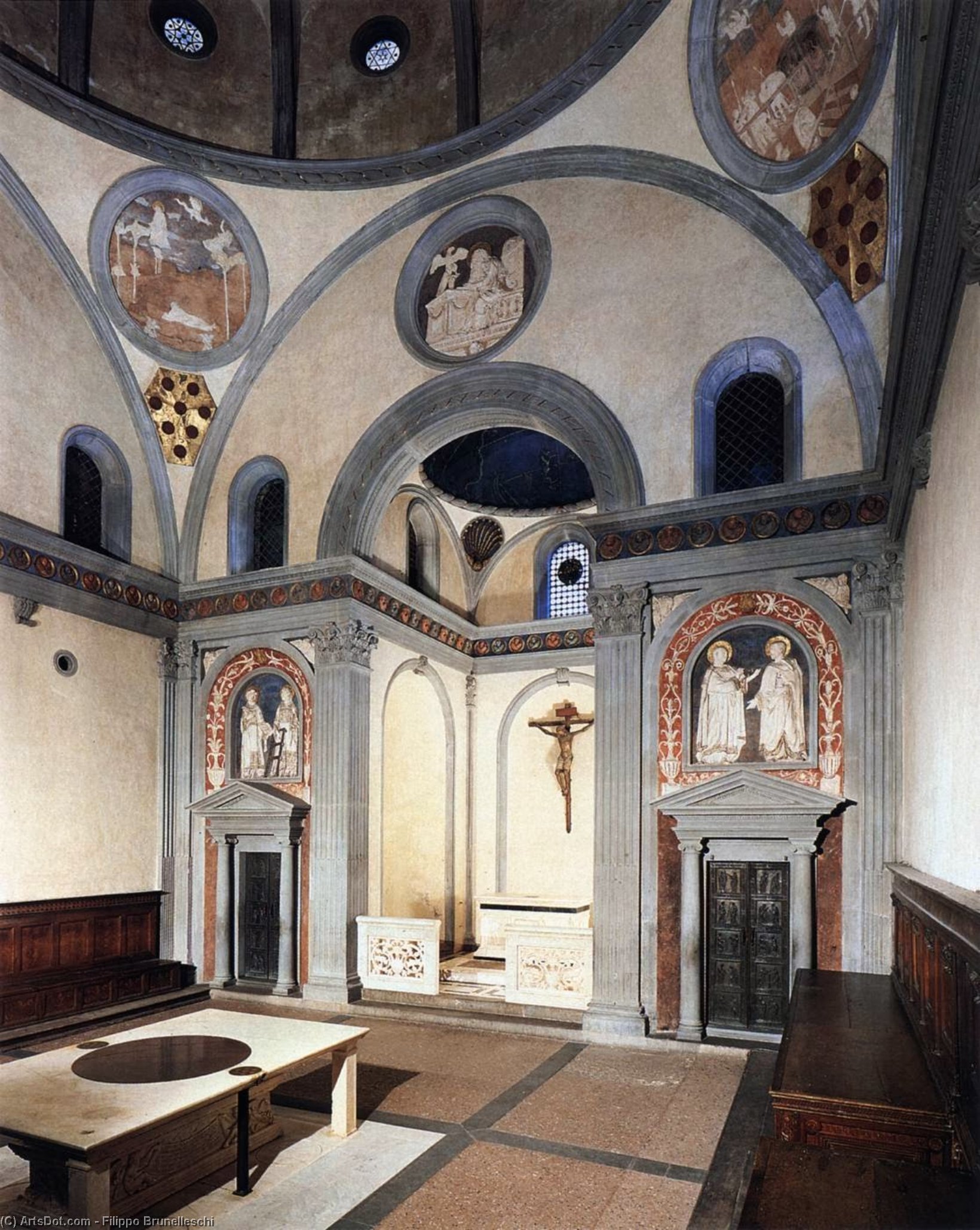
Old Sacristy


 Leggi tutto
Giclée / Stampe d'arte
Stampa giclée o su tela di qualità museale, con produzione rapida e diverse opzioni di finitura. ( Ordina la riproduzione dipinta a mano Acquista download)




P118B $10

P118H $10

P118W $10

P438Z $10

P508JH $12

P508YH $12

P805H $10

P805Z $10

P919BZ $10

P919G $10

P919XJ $10

P959ZH $10

P968JZ $12

W106C $8

W218G $10

W218JH $8

W218Y $10

W307PJ $10

W316G $10

W316PJ $8

W316Y $10

W398PJ $8

W4111J $10

W500HY $15

W500JH $15

W692G $12

W849H $8

W940BG $15

W953PJ $8




Scegli tra le nostre dimensioni predefinite, che rispettano le proporzioni originali dell'opera d'arte.

È possibile inserire dimensioni personalizzate per adattare l'opera a una cornice o a uno spazio specifico. Se la dimensione selezionata non corrisponde alle proporzioni dell'immagine originale, procederemo al ritaglio dell'opera o all'estensione dell'immagine con un bordo specchiato o a tinta unita. Un mockup digitale ti verrà inviato per approvazione prima dell'inizio della produzione.
Si prega di notare che l'anteprima a schermo non riflette il ritaglio o l'estensione effettivi. Solo il mockup mostrerà accuratamente la composizione finale.
Sebbene siano disponibili dimensioni personalizzate, si raccomanda di selezionare una dimensione dall'elenco predefinito per preservare le proporzioni originali.
Consegna in tutto il mondo () in 2 settimane invece delle normali 4/5 settimane. (21 Agosto)

Spedizione espressa gratuita in tutto il mondo

Tela in lino di alta qualità

Assicurazione completa sulla spedizione

Garanzia di rimborso dei dazi doganali

Garanzia di fedeltà cromatica dell'originale

Politica di reso entro 60 giorni (solo per difetti di fabbricazione)

Garanzia di rimborso al 100%

Sconto per acquisti multipli
 L'opzione vetro è disponibile solo per dimensioni inferiori a 110 cm

Old Sacristy
Giclée / Stampe d'arte
Dimensioni della riproduzione
-


Prezzo totale
$ 80
Descrizione del pezzo
A Sanctuary of Geometry: Filippo Brunelleschi’s Old Sacristy
Within the heart of Florence’s San Lorenzo church lies a space that transcends mere functionality – it is an architectural poem, a testament to human ingenuity and a profound exploration of proportion. Filippo Brunelleschi's Old Sacristy, completed between 1421 and 1440, isn’t simply a room; it’s a carefully orchestrated dialogue between the earthly and the divine, a microcosm reflecting the burgeoning Renaissance spirit. This masterpiece, commissioned by the powerful Medici family as their burial place, immediately captivates with its serene atmosphere, born from a masterful manipulation of light, space, and color – elements that coalesce to create an experience both contemplative and profoundly moving.
Brunelleschi’s genius lies not just in his technical skill but in his ability to synthesize disparate influences. He drew inspiration from the robust solidity of medieval construction while simultaneously embracing the classical ideals of harmony and order championed by ancient Greek architects. The building's square plan, a deliberate departure from the soaring heights of Gothic cathedrals, establishes an immediate sense of groundedness. This foundation is then elevated through a series of carefully considered details – the rhythmic repetition of pilasters, each adorned with Corinthian capitals that echo the grandeur of Roman temples; the subtle interplay of light and shadow cast by the high windows; and the restrained palette of grey stone and creamy stucco.
The Dance of Geometry: Pendentives and Dome
At the heart of the Old Sacristy’s allure is its innovative use of geometry, most notably in the dome. Brunelleschi didn't simply build a dome; he engineered a visual illusion, transforming a square space into something that feels infinitely larger and more ethereal. The key to this transformation lies in the pendentive – a semi-circular structure that distributes the weight of the dome outwards onto the four supporting piers. This ingenious technique, borrowed from Byzantine architecture, allows for a soaring, open interior without the need for massive buttresses.
The dome itself is an umbrella form, composed of twelve vaulted sections meticulously joined at their centers. This design isn’t merely structural; it's symbolic. The circular shape represents the heavens, while the square base anchors the space to the earthly realm. The subtle gradations in color – a muted grey for the stone and a warm ivory for the walls – further enhance this visual dichotomy, creating a sense of depth and perspective that draws the eye upwards towards the dome’s luminous apex.
A Tapestry of Symbolism: Donatello's Decoration
Brunelleschi’s architectural vision was brought to life through the artistry of Donatello, who adorned the walls with a series of vibrant frescoes depicting scenes from the life of St. John the Baptist – the patron saint of Giovanni de’ Medici, the sacristy’s benefactor. These panels aren't merely decorative; they are integral to the building’s symbolic narrative. The figures are rendered in Donatello’s signature style: muscular and expressive, imbued with a palpable sense of humanity.
The choice of St. John as the subject is significant. He represents both repentance and salvation, themes central to the Medici family's aspirations. Furthermore, the use of color – rich reds, blues, and golds – adds to the overall visual impact, creating a vibrant tapestry that complements Brunelleschi’s geometric precision. The careful placement of these panels within the architectural framework elevates the entire space, transforming it into a devotional sanctuary.
A Legacy of Innovation
The Old Sacristy stands as a pivotal moment in architectural history – a bridge between the medieval and Renaissance worlds. Brunelleschi’s innovations—the use of pendentive vaulting, the dome's umbrella form, and the integration of classical elements into a fundamentally new design—laid the groundwork for generations of architects to come. It is more than just a beautiful building; it’s a testament to human creativity, a celebration of proportion and harmony, and a profound expression of faith.
Today, reproductions of this remarkable space offer a unique opportunity to experience its timeless beauty and intellectual depth. Whether adorning a grand salon or a more intimate setting, the Old Sacristy’s serene atmosphere and masterful design continue to inspire awe and contemplation, reminding us of the enduring power of architecture to shape our perceptions and enrich our lives.
Biografia dell'artista
Filippo Brunelleschi: Un Pioniere del Rinascimento
- Nato: Firenze, Italia (1377)
- Morto: 1446
Primi Anni e Formazione
- Brunelleschi ricevette un'educazione letteraria e matematica destinata alla carriera del padre.
- Fu apprendista presso l’Arte della Seta, la corporazione dei mercanti di lana.
- Diventò maestro orafo e scultore lavorando con bronzo fuso.
- Sculture primissime includono statue in bronzo di evangelisti e santi (1399–1400) per la Cattedrale di Pistoia.
- Partecipò al concorso del 1401 per le porte della Battisteria di Firenze, insieme a Lorenzo Ghiberti.
Realizzazioni Architettoniche e Innovazioni
- Cupola del Duomo di Firenze: Il risultato più celebre di Brunelleschi è la progettazione e la costruzione della cupola del Duomo di Firenze (Duomo). Questa fu un'impresa ingegneristica rivoluzionaria, poiché fu costruita senza impalcature tradizionali. Sviluppò tecniche innovative per sollevare materiali e gestire la costruzione.
- Prospettiva Lineare: Gli viene attribuito il merito di aver riscoperto e formalizzato i principi della prospettiva lineare nell'arte. Questa tecnica ha rivoluzionato pittura e architettura creando rappresentazioni realistiche di profondità e spazio.
- Vecchia Sagrestia di San Lorenzo: Progettò la Vecchia Sagrestia, che mostra il suo stile architettonico caratterizzato da proporzioni classiche e spazi armoniosi.
- Altre Opere Notevoli: Include progetti per lo Spedale degli Innocenti (ospedale per abbandonati), Palazzo Rucellai e la Basilica di San Lorenzo.
Influenze e Sviluppo
- Architettura Romana Antica: Brunelleschi studiò le rovine romane antiche a Roma, traendo ispirazione dai loro principi architettonici e soluzioni ingegneristiche.
- Architettura Gotica: Sebbene si sia allontanato dagli stili gotici, la sua prima esposizione all'architettura gotica probabilmente influenzò la sua comprensione delle sfide strutturali.
- Umanesimo: Il crescente movimento umanista del Rinascimento enfatizzava il potenziale e i risultati umani, il che risuonava con l'approccio innovativo di Brunelleschi alla progettazione e all'ingegneria.
Eredità e Significato Storico
- Padre Fondatore del Rinascimento: Brunelleschi è considerato uno dei padri fondatori del Rinascimento a causa dei suoi contributi rivoluzionari all'arte, all'architettura e all'ingegneria.
- Influenza sull’Ingegneria Moderna: Le sue innovative tecniche di costruzione e la sua comprensione della meccanica strutturale hanno gettato le basi per le moderne pratiche ingegneristiche.
- Impatto sull'Arte: Lo sviluppo della prospettiva lineare ha trasformato la rappresentazione artistica, influenzando generazioni di artisti.
- Un Nuovo Modo di Pensare: Il lavoro di Brunelleschi rifletteva un nuovo modo di pensare all’umanità e al mondo, enfatizzando l’umanesimo e la cultura locale.

Filippo Brunelleschi
1377 - 1446 , Italia
Informazioni rapide
- Artistic Movement Or Style: Primo Rinascimento
- Date Of Birth: 1377
- Date Of Death: 1446
- Full Name: Filippo Brunelleschi
- Nationality: Italiana
- Notable Artworks:
- Cupola del Duomo
- Ospedale degli Innocenti
- Palazzo Rucellai
- Basilica di San Lorenzo
- Place Of Birth: Firenze, Italia
Articoli correlati

OriginalUniqueArt.com F.A.Q.: Elevating Interiors with Bespoke Wall Murals & Masterpiece Frescoes
Discover the pinnacle of bespoke interior transformation with OriginalUniqueArt.com. Our master fresco artists create exquisite, hand-painted wall murals and ceiling masterpieces tailored to your estate. Elevate your architectural space with timeless, museum-quality artistry.



