

 Anteprima in scala reale
 Condividi
 Condividi
 Dettagli

 Scarica
 Articoli simili
 Radiografia
 Slideshow
 Statistiche
untitled (8568)


 Leggi tutto
Giclée / Stampe d'arte
Stampa giclée o su tela di qualità museale, con produzione rapida e diverse opzioni di finitura. ( Ordina la riproduzione dipinta a mano Passa all'immagine digitale)




P118B $10

P118H $10

P118W $10

P438Z $10

P508JH $12

P508YH $12

P805H $10

P805Z $10

P919BZ $10

P919G $10

P919XJ $10

P959ZH $10

P968JZ $12

W106C $8

W218G $10

W218JH $8

W218Y $10

W307PJ $10

W316G $10

W316PJ $8

W316Y $10

W398PJ $8

W4111J $10

W500HY $15

W500JH $15

W692G $12

W849H $8

W940BG $15

W953PJ $8




Scegli tra le nostre dimensioni predefinite, che rispettano le proporzioni originali dell'opera d'arte.

È possibile inserire dimensioni personalizzate per adattare l'opera a una cornice o a uno spazio specifico. Se la dimensione selezionata non corrisponde alle proporzioni dell'immagine originale, procederemo al ritaglio dell'opera o all'estensione dell'immagine con un bordo specchiato o a tinta unita. Un mockup digitale ti verrà inviato per approvazione prima dell'inizio della produzione.
Si prega di notare che l'anteprima a schermo non riflette il ritaglio o l'estensione effettivi. Solo il mockup mostrerà accuratamente la composizione finale.
Sebbene siano disponibili dimensioni personalizzate, si raccomanda di selezionare una dimensione dall'elenco predefinito per preservare le proporzioni originali.
Consegna in tutto il mondo () in 2 settimane invece delle normali 4/5 settimane. (13 Settembre)

Spedizione espressa gratuita in tutto il mondo

Tela in lino di alta qualità

Assicurazione completa sulla spedizione

Garanzia di rimborso dei dazi doganali

Garanzia di perfetta fedeltà cromatica

Politica di reso entro 100 giorni (solo per difetti di fabbricazione)

Garanzia di rimborso al 100%

Sconto per acquisti multipli
 L'opzione vetro è disponibile solo per dimensioni inferiori a 110 cm

untitled (8568)
Giclée / Stampe d'arte
Dimensioni della riproduzione
-


Prezzo totale
$ 80
A Fragmented Portrait of Modernity: Unveiling Léger’s “Untitled (8568)”
This compelling black and white artwork, designated “Untitled (8568),” offers a profound glimpse into the artistic vision of Fernand Léger, a pivotal figure in the transition from early 20th-century representation to the radical abstraction that would define modern art. Executed with Léger’s signature Cubist technique – a style he termed ‘Tubism’ – the image presents a formally arresting scene: a man in a suit, holding a dog, amidst a carefully orchestrated chaos of clocks and geometric forms. The composition immediately draws the viewer into a world where the familiar conventions of portraiture are deliberately disrupted, reflecting Léger's fascination with the burgeoning industrial age and its impact on human experience. The stark monochrome palette amplifies the piece’s inherent tension, emphasizing the sharp angles and fractured planes that characterize his work.Cubist Deconstruction and the Machine Aesthetic
Léger’s approach to Cubism was uniquely driven by a desire to translate the dynamism of machines – locomotives, factories, and urban landscapes – into a visual language. “Untitled (8568)” exemplifies this perfectly. The man's figure is broken down into geometric shapes, mirroring the fragmented forms of industrial objects. The dog, similarly rendered, contributes to this sense of deconstruction, its form echoing the mechanical precision of the surrounding elements. Notably, the inclusion of numerous clocks – strategically placed throughout the composition – isn’t merely decorative; it's a deliberate symbol of time and the relentless march of progress, a key theme in Léger’s oeuvre. The repetition of these objects reinforces the idea of mechanized rhythm and the dominance of industrial logic within the scene. This artwork is a testament to his exploration of form and space, pushing beyond traditional perspective to create a multi-faceted representation of reality.Symbolism Within the Fragmented Form
Beyond its purely formal qualities, “Untitled (8568)” resonates with deeper symbolic meanings. The man in the suit, a classic symbol of authority and social order, is presented in a state of disarray, suggesting a disruption of traditional values in the face of industrialization. The dog, often associated with loyalty and companionship, becomes another fragmented element within this unsettling tableau. The arrangement of the clocks – some large, some small, some grouped together, others isolated – speaks to the anxieties surrounding time, efficiency, and the potential dehumanizing effects of a rapidly changing world. Léger’s use of these symbols invites contemplation on the relationship between humanity and technology, a theme that remains remarkably relevant today.Technique and Reproduction
This hand-painted reproduction meticulously recreates the original artwork's intricate details and powerful impact. Utilizing archival quality materials and employing skilled artisans, OriginalUniqueArt ensures that every nuance of Léger’s technique – from the precise rendering of geometric forms to the subtle interplay of light and shadow – is faithfully reproduced. The high level of detail achieved in this reproduction allows collectors and interior designers alike to appreciate the full complexity and artistic merit of Léger's masterpiece, bringing a touch of modern art history into any space. Considering its connection to “untitled (2056)”, this piece offers a compelling addition to any collection focused on Cubism or Tubism.Biografia dell'artista
vitae e formazione
Fernand Léger, pittore, scultore e filmmaker francese, nacque il 4 febbraio 1881 ad Argentan, Orne, nella bassa Normandia. Suo padre allevava bovini e Léger iniziò la sua formazione come architetto nel 1897-1899. Successivamente si trasferì a Parigi nel 1900, sostenendosi con il lavoro di disegnatore architettonico.sviluppo artistico
Le prime opere di Léger furono influenzate dall'impressionismo, come visto in Le jardin de ma mère (Il giardino di mia madre) (1905). Dopo aver frequentato la scuola d'arte decorativa e l'Académie Julian, iniziò a lavorare seriamente come pittore a 25 anni. Il suo stile si evolse in una forma personale di cubismo, che i critici definirono "tubismo" per la sua enfasi su forme cilindriche.Cubismo e il gruppo dei Puteaux
Nel 1910, Léger espose al Salon d'automne insieme a Jean Metzinger e Henri Le Fauconnier. Entrò nel gruppo dei Puteaux, noto anche come la sezione d'or (la sezione aurea), insieme ad altri artisti come Francis Picabia e Marcel Duchamp.Guerra e la sua influenza sull'opera di Léger
Le esperienze di Léger nella Prima Guerra Mondiale ebbero un impatto significativo sulla sua opera. Durante il suo tempo al fronte, produsse schizzi di pezzi d'artiglieria, aerei e soldati. Il suo dipinto Soldier with a Pipe (1916) riflette questo periodo.Lavoro successivo e eredità
Il lavoro post-bellico di Léger, caratterizzato da forme meccaniche lisce, lo legò alla tradizione della pittura figurativa francese. I suoi paesaggi animati del 1921 mostrarono figure e animali in forme armoniose e razionalizzate.- visualizza le opere di Fernand Léger su OriginalUniqueArt
- altro sul Fernand Léger su Wikipedia
- scopri il Musée National Fernand Légère (Francia) con OriginalUniqueArt
- La donna seduta (100 x 81 cm, tubismo)
- Elemento macchina (cubismo)

Fernand Léger
1881 - 1955 , Francia
Informazioni rapide
- Artisti Influenti:
- Cézanne
- Impressionismo
- Artisti Influenzati: ['Pop Art']
- Data Di Nascita: 4 febbraio 1881
- Luogo Di Nascita: Argentan, Francia
- Movimento Artistico: Cubismo, Tubismo
- Nazionalità: Francese
- Nome Completo: Fernand Léger
- Opere Notevoli:
- La Grande Parata
- L'Elemento Macchina
- Donna Seduta
- The City
Articoli correlati

I 10 Dipinti Più Famosi Dominati dal Nero: Maestri e Storie d'Arte
Esplora i 10 dipinti più iconici dominati dal nero, da Caravaggio a Munch. Scopri storie, tecniche e il potere espressivo di artisti come Rembrandt e Goya. Trova stampe d'arte di alta qualità per la tua casa su .
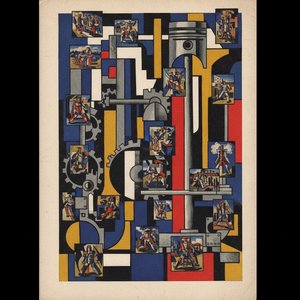
Fernand Léger: I 25 Capolavori che Hanno Definito l'Arte Moderna | OriginalUniqueArt
Esplora i 25 capolavori di Fernand Léger, pioniere del cubismo e del tubismo. Scopri la storia, le tecniche e l'impatto dell'arte moderna francese. Stampe d'arte e riproduzioni su OriginalUniqueArt.com.
Timeless & Chic: Elevating Your New Home with the Sophistication of Black and White Photography
Transform your new home with the timeless allure of black and white photography. OriginalUniqueArt.com specializes in elegant monochrome decor and custom hand-painted wedding portraits that turn cherished milestones into lasting, soulful masterpieces. Elevate your space with ease.

Bianco Sublime: I 10 Dipinti Più Famosi Dominati dal Colore Bianco | .it
Esplora i 10 dipinti più celebri dominati dal bianco, da Monet a Malevich. Scopri la storia, le tecniche e l'impatto di queste opere iconiche. Trova stampe su tela e riproduzioni d'arte di alta qualità per decorare casa con stile su .

Giclée Prints: Archival Quality & Aesthetic Nuances for the Discerning Collector
Explore the world of giclée prints with OriginalUniqueArt. Learn about archival quality, aesthetic nuances & investment potential. Expert guidance for discerning art collectors seeking museum-quality reproductions and lasting value.


