

 Anteprima in scala reale
 Condividi
 Condividi
 Dettagli

 Scarica
 Articoli simili
 Radiografia
 Slideshow
 Statistiche
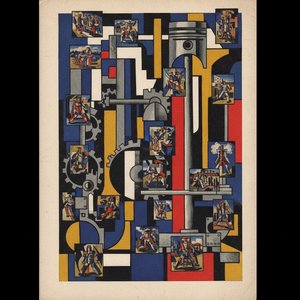
Project for a mural
 Oil On Canvas
- WallArt
- Cubist Orphism
 1952
1952- Modern
 114.0 x 195.0 cm
 Leggi tutto
Riproduzione a olio fatta a mano
Olio su tela dipinto a mano nelle tue dimensioni e con la tua cornice, realizzato su ordinazione dai nostri artisti. ( Passa alle stampe Passa all'immagine digitale)




P118B $10

P118H $10

P118W $10

P438Z $10

P508JH $12

P508YH $12

P805H $10

P805Z $10

P919BZ $10

P919G $10

P919XJ $10

P959ZH $10

P968JZ $12

W106C $8

W218G $10

W218JH $8

W218Y $10

W307PJ $10

W316G $10

W316PJ $8

W316Y $10

W398PJ $8

W4111J $10

W500HY $15

W500JH $15

W692G $12

W849H $8

W940BG $15

W953PJ $8




Scegli tra le nostre dimensioni predefinite, che rispettano le proporzioni originali dell'opera d'arte.

È possibile inserire dimensioni personalizzate per adattare l'opera a una cornice o a uno spazio specifico. Se la dimensione selezionata non corrisponde alle proporzioni dell'immagine originale, provvederemo a ritagliare l'opera o a estendere il dipinto con elementi aggiuntivi dipinti a mano. Un mockup digitale ti sarà inviato per approvazione prima dell'inizio della produzione.
Si prega di notare che l'anteprima a schermo non riflette il ritaglio o l'estensione effettivi. Solo il mockup mostrerà accuratamente la composizione finale.
Sebbene siano disponibili dimensioni personalizzate, consigliamo di selezionare una dimensione dall'elenco predefinito per preservare le proporzioni originali.
Dopo l'ordine, il team di OriginalUniqueArt.com contatterà il cliente via e-mail per ricevere le istruzioni e fornirà un'anteprima del mockup
Consegna in tutto il mondo () in 3/4 settimane anziché nelle normali 5 settimane. (12 Settembre). Nessun compromesso sulla qualità.

Spedizione espressa gratuita in tutto il mondo

Tela in lino di alta qualità

Assicurazione completa sulla spedizione

Garanzia di rimborso dei dazi doganali

Garanzia di perfetta fedeltà cromatica

Politica di reso entro 100 giorni (solo per difetti di fabbricazione)

Garanzia di rimborso al 100%

Sconto per acquisti multipli
 L'opzione vetro è disponibile solo per dimensioni inferiori a 110 cm

Project for a mural
Tecnica di riproduzione
Dimensioni della riproduzione
-


Prezzo totale
$ 300
A Symphony of Geometry and Progress
In the vast landscape of twentieth-century modernism, few works capture the rhythmic pulse of the machine age as vibrantly as Fernand Léger’s "Project for a mural." Completed in 1952, this monumental canvas serves as an arresting testament to Orphism, a movement that sought to bridge the gap between pure abstraction and the tangible, mechanical realities of industrial life. To gaze upon this work is to step into a world where the boundaries between organic harmony and industrial efficiency dissolve into a singular, dynamic vision. The painting presents an expansive geometric landscape, a meticulously constructed universe dominated by interlocking circles, squares, and triangles that seem to vibrate with an internal energy.
Léger’s mastery lies in his ability to transform cold, geometric forms into a breathing, emotive experience. Through a palette of striking blues and whites, punctuated by sudden, energetic accents of red, the artist creates a visual dialogue that is both structured and spontaneous. At the upper right corner, a subtly positioned stylized clock face acts as a silent protagonist, symbolizing time’s relentless march forward and mirroring the pervasive influence of industrial precision on the modern human condition. This interplay of shapes does not merely sit upon the canvas; it engineers a visual experience that celebrates the strength and the unapologetic beauty of a world in motion.
The Soul of the Machine Age
The technique employed in this masterpiece is as robust as the subject matter itself. Rooted in the Orphist tradition, Léger eschewed the delicate shadows of traditional representational art in favor of bold outlines and thick, textured brushstrokes. This approach conveys a profound sense of solidity and weight, capturing the essence of heavy machinery while simultaneously evoking an organic, almost musical harmony. The artist’s background—moving from the pastoral, rhythmic landscapes of his youth in Normandy to the high-voltage hum of the Parisian avant-garde—is etched into every stroke. He does not merely depict progress; he embodies it through a technique that feels both architectural and fluid.
For the discerning collector or interior designer, "Project for a mural" offers more than just aesthetic appeal; it provides a profound historical resonance. Emerging from the shadows of the post-war period, Léger’s work reflects a period of intense societal change and the reconstruction of a fractured world. By rejecting the chaotic tendencies of Surrealism in favor of structured abstraction, he offered a vision of hope through order and dynamism. The painting serves as an anchor for any sophisticated space, bringing with it an intellectual depth and a sense of monumental scale that can transform a room into a gallery of modern thought.
Whether viewed as a study of industrial evolution or a celebration of geometric purity, this artwork remains a timeless icon. It invites the viewer to abandon the familiar and embrace a landscape where the grace of the human spirit meets the precision of the machine. Owning a high-quality reproduction of such a pivotal work allows one to inhabit this bold vision of progress every day, surrounding oneself with the enduring energy of Léger’s transformative legacy.
Biografia dell'artista
vitae e formazione
Fernand Léger, pittore, scultore e filmmaker francese, nacque il 4 febbraio 1881 ad Argentan, Orne, nella bassa Normandia. Suo padre allevava bovini e Léger iniziò la sua formazione come architetto nel 1897-1899. Successivamente si trasferì a Parigi nel 1900, sostenendosi con il lavoro di disegnatore architettonico.sviluppo artistico
Le prime opere di Léger furono influenzate dall'impressionismo, come visto in Le jardin de ma mère (Il giardino di mia madre) (1905). Dopo aver frequentato la scuola d'arte decorativa e l'Académie Julian, iniziò a lavorare seriamente come pittore a 25 anni. Il suo stile si evolse in una forma personale di cubismo, che i critici definirono "tubismo" per la sua enfasi su forme cilindriche.Cubismo e il gruppo dei Puteaux
Nel 1910, Léger espose al Salon d'automne insieme a Jean Metzinger e Henri Le Fauconnier. Entrò nel gruppo dei Puteaux, noto anche come la sezione d'or (la sezione aurea), insieme ad altri artisti come Francis Picabia e Marcel Duchamp.Guerra e la sua influenza sull'opera di Léger
Le esperienze di Léger nella Prima Guerra Mondiale ebbero un impatto significativo sulla sua opera. Durante il suo tempo al fronte, produsse schizzi di pezzi d'artiglieria, aerei e soldati. Il suo dipinto Soldier with a Pipe (1916) riflette questo periodo.Lavoro successivo e eredità
Il lavoro post-bellico di Léger, caratterizzato da forme meccaniche lisce, lo legò alla tradizione della pittura figurativa francese. I suoi paesaggi animati del 1921 mostrarono figure e animali in forme armoniose e razionalizzate.- visualizza le opere di Fernand Léger su OriginalUniqueArt
- altro sul Fernand Léger su Wikipedia
- scopri il Musée National Fernand Légère (Francia) con OriginalUniqueArt
- La donna seduta (100 x 81 cm, tubismo)
- Elemento macchina (cubismo)

Fernand Léger
1881 - 1955 , Francia
Informazioni rapide
- Artisti Influenti:
- Cézanne
- Impressionismo
- Artisti Influenzati: ['Pop Art']
- Data Di Nascita: 4 febbraio 1881
- Luogo Di Nascita: Argentan, Francia
- Movimento Artistico: Cubismo, Tubismo
- Nazionalità: Francese
- Nome Completo: Fernand Léger
- Opere Notevoli:
- La Grande Parata
- L'Elemento Macchina
- Donna Seduta
- The City
Articoli correlati
Fernand Léger: I 25 Capolavori che Hanno Definito l'Arte Moderna | OriginalUniqueArt
Esplora i 25 capolavori di Fernand Léger, pioniere del cubismo e del tubismo. Scopri la storia, le tecniche e l'impatto dell'arte moderna francese. Stampe d'arte e riproduzioni su OriginalUniqueArt.com.
Arte Industriale: 10 Capolavori che Rivoluzionano l'Estetica e Decorano la Casa
Esplora 10 capolavori di Monet, Manet e altri maestri che catturano l'essenza dell'arte industriale. Scopri storie, tecniche e colori unici per decorare la tua casa con stampe su tela di alta qualità. OriginalUniqueArt.com: arte collezione online.

Modern Geometry & Machine Age Beauty: A Collector's Guide to the Cubist Vision of Fernand Léger
Explore the vibrant world of Fernand Léger. Discover how his 'Tubism' and Machine Age aesthetics redefined modern art, offering profound inspiration for discerning collectors seeking geometric beauty and industrial dynamism.

Astrazione Geometrica: 10 Capolavori che Hanno Definito un Movimento Artistico
Esplora i 10 capolavori dell'Astrazione Geometrica: Mondrian, Malevich e Kandinsky rivoluzionano l'arte moderna. Scopri la storia, i colori e le tecniche di questi movimenti iconici. Stampe d'arte di alta qualità su OriginalUniqueArt.com!

Modern Geometry & Machine Age Beauty: A Collector's Guide to the Cubist Vision of Fernand Léger
Explore the profound geometric mastery of Fernand Léger. Discover how his 'Tubism' and Machine Age aesthetics redefined modern art, offering timeless inspiration for discerning collectors seeking to integrate Cubist dynamism into sophisticated contemporary interiors.


