

 Anteprima in scala reale
 Invia
Invia Condividi
 Dettagli opera
 Guida
Guida

 Scarica
 Simili
 Radiografia
 Slideshow
 Statistiche
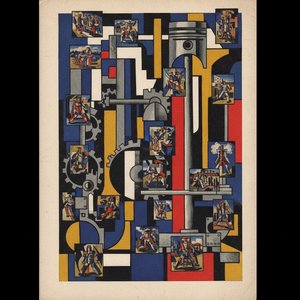
Gli acrobati al circo

 Espandi i dettagli
Riproduzione a olio fatta a mano
Olio su tela dipinto a mano nelle tue dimensioni e con la tua cornice, realizzato su ordinazione dai nostri artisti. ( Passa alle stampe Passa all'immagine digitale)




P118B €10

P118H €10

P118W €10

P438Z €10

P508JH €12

P508YH €12

P805H €10

P805Z €10

P919BZ €10

P919G €10

P919XJ €10

P959ZH €10

P968JZ €12

W106C €8

W218G €10

W218JH €8

W218Y €10

W307PJ €10

W316G €10

W316PJ €8

W316Y €10

W398PJ €8

W4111J €10

W500HY €15

W500JH €15

W692G €12

W849H €8

W940BG €15

W953PJ €8




Scegli tra le nostre dimensioni predefinite, che rispettano le proporzioni originali dell'opera d'arte.

Inserisci la larghezza e l'altezza desiderate, per adattarle alla tua cornice o alla tua parete. Trattandosi di un'opera dipinta a mano, in caso di dimensioni con un formato differente, l'artista può estendere leggermente il dipinto oltre i bordi dell'immagine o ritagliare una piccola parte — la scelta spetta a te. Ti invieremo un mockup digitale da approvare prima che la realizzazione abbia inizio. L'immagine mostrata in questa pagina non rappresenta il risultato finale — solo il mockup lo fa.
Dopo l'ordine, il team di OriginalUniqueArt.com contatterà il cliente via e-mail per ricevere le istruzioni e fornirà un'anteprima del mockup
Consegna in tutto il mondo () in 3/4 settimane anziché nelle normali 5 settimane. (26 Ottobre). Nessun compromesso sulla qualità.

Spedizione espressa gratuita in tutto il mondo

Tela in lino di alta qualità

Assicurazione completa sulla spedizione

Garanzia di rimborso dei dazi doganali

Garanzia di fedeltà cromatica assoluta

Politica di reso entro 100 giorni (solo per difetti di fabbricazione)

Garanzia di rimborso al 100%

Offerta per acquisti multipli
 L'opzione vetro è disponibile solo per dimensioni inferiori a 110 cm

Gli acrobati al circo
Tecnica di riproduzione
Dimensioni riproduzione
-


Prezzo finale calcolato
€ 263
Acrobats at the Circus: A Symphony of Form and Movement
Fernand Léger’s “Acrobats at the Circus,” painted in 1918, transcends mere depiction; it embodies a pivotal moment in artistic history—the burgeoning embrace of Cubism alongside Expressionist influences. Born Joseph Fernand Henri Léger in Argentan, Normandy, in 1881, Léger's formative years amidst rural labor instilled a grounding appreciation for physicality that would later fuel his revolutionary approach to visual representation. Unlike many artists of his era who sought refuge in abstraction as an escape from realism, Léger actively wrestled with modernity—its relentless pace, its geometric precision, and the pervasive presence of machinery—transforming these elements into a vibrant new artistic language.- Style: Cubism – Léger’s masterpiece exemplifies the groundbreaking stylistic innovation championed by Picasso and Braque. Rejecting traditional perspective and illusionistic representation, he fragmented objects and figures into interlocking planes, creating a dynamic interplay of geometric shapes that captures the essence of movement and spatial ambiguity.
- Technique: Léger employed a bold palette dominated by earthy tones punctuated by splashes of vibrant reds and yellows—a deliberate choice to convey both the gritty reality of circus life and the energetic spirit of the machine age. His technique involved meticulous layering of paint, achieved through multiple applications and blending strokes that contribute to the textured surface of the canvas.
- Historical Context: Created during the tumultuous years following World War I, “Acrobats at the Circus” reflects the anxieties and aspirations of a society grappling with rapid industrialization and technological advancement. Léger’s depiction of acrobats—symbols of daring feats and human resilience—served as an emblem of optimism amidst the devastation of war.
- Recommended Reproduction: For discerning collectors and interior designers seeking a stunning piece of modernist art, OriginalUniqueArt offers exceptional high-quality reproductions of Léger’s “Acrobats at the Circus.” Experience the vibrancy of his palette and the dynamism of his composition in breathtaking detail.
Domande e risposte
Dove posso acquistare una stampa di "Gli acrobati al circo" di Fernand Léger?
Puoi ordinare una stampa di "Gli acrobati al circo" di Fernand Léger direttamente nella sua pagina Stampa Fine Art: una stampa fine art su tela di cotone o carta canvas d'archivio.
Cosa rappresenta "Gli acrobati al circo" e quale atmosfera trasmette?
"Gli acrobati al circo" di Fernand Léger unisce circus, modernity, geometry, dynamism, figures, machines, abstraction con un'atmosfera Energico.
Quanto è celebre "Gli acrobati al circo" all'interno di Cubist Expressionism?
All'interno del movimento Cubist Expressionism, "Gli acrobati al circo" vanta un livello di popolarità Riconosciuto.
Biografia dell'artista
vitae e formazione
Fernand Léger, pittore, scultore e filmmaker francese, nacque il 4 febbraio 1881 ad Argentan, Orne, nella bassa Normandia. Suo padre allevava bovini e Léger iniziò la sua formazione come architetto nel 1897-1899. Successivamente si trasferì a Parigi nel 1900, sostenendosi con il lavoro di disegnatore architettonico.sviluppo artistico
Le prime opere di Léger furono influenzate dall'impressionismo, come visto in Le jardin de ma mère (Il giardino di mia madre) (1905). Dopo aver frequentato la scuola d'arte decorativa e l'Académie Julian, iniziò a lavorare seriamente come pittore a 25 anni. Il suo stile si evolse in una forma personale di cubismo, che i critici definirono "tubismo" per la sua enfasi su forme cilindriche.Cubismo e il gruppo dei Puteaux
Nel 1910, Léger espose al Salon d'automne insieme a Jean Metzinger e Henri Le Fauconnier. Entrò nel gruppo dei Puteaux, noto anche come la sezione d'or (la sezione aurea), insieme ad altri artisti come Francis Picabia e Marcel Duchamp.Guerra e la sua influenza sull'opera di Léger
Le esperienze di Léger nella Prima Guerra Mondiale ebbero un impatto significativo sulla sua opera. Durante il suo tempo al fronte, produsse schizzi di pezzi d'artiglieria, aerei e soldati. Il suo dipinto Soldier with a Pipe (1916) riflette questo periodo.Lavoro successivo e eredità
Il lavoro post-bellico di Léger, caratterizzato da forme meccaniche lisce, lo legò alla tradizione della pittura figurativa francese. I suoi paesaggi animati del 1921 mostrarono figure e animali in forme armoniose e razionalizzate.- visualizza le opere di Fernand Léger su OriginalUniqueArt
- altro sul Fernand Léger su Wikipedia
- scopri il Musée National Fernand Légère (Francia) con OriginalUniqueArt
- La donna seduta (100 x 81 cm, tubismo)
- Elemento macchina (cubismo)

Fernand Léger
1881 - 1955 , Francia
Dettagli rapidi
- Artisti Influenti:
- Cézanne
- Impressionismo
- Artisti Influenzati: ['Pop Art']
- Data Di Nascita: 4 febbraio 1881
- Luogo Di Nascita: Argentan, Francia
- Movimento Artistico: Cubismo, Tubismo
- Nazionalità: Francese
- Nome Completo: Fernand Léger
- Opere Notevoli:
- La Grande Parata
- L'Elemento Macchina
- Donna Seduta
- The City
Articoli correlati

Modern Geometry & Machine Age Beauty: A Collector's Guide to the Cubist Vision of Fernand Léger
Explore the profound geometric mastery of Fernand Léger. Discover how his 'Tubism' and Machine Age aesthetics redefined modern art, offering timeless inspiration for discerning collectors seeking to integrate Cubist dynamism into sophisticated contemporary interiors.

L'Eredità del Cubismo AI: Trasforma i Tuoi Ricordi in Capolavori d'Avanguardia su Tela
Scopri l'esclusiva fusione tra tecnologia AI e maestria classica. Trasformiamo i tuoi ricordi in splendidi capolavori cubisti dipinti a mano su tela da artisti professionisti. Un investimento senza tempo per la tua collezione d'arte privata. Qualità certificata OriginalUniqueArt.

Cubism Unveiled: How Picasso and Braque Redefined Modern Art through Geometric Revolution
Explore the revolutionary world of Cubism. Discover how Pablo Picasso and Georges Braque dismantled perspective to redefine modern art through geometric innovation and analytical mastery. An essential guide for art students, collectors, and history enthusiasts.
Fernand Léger: I 25 Capolavori che Hanno Definito l'Arte Moderna | OriginalUniqueArt
Esplora i 25 capolavori di Fernand Léger, pioniere del cubismo e del tubismo. Scopri la storia, le tecniche e l'impatto dell'arte moderna francese. Stampe d'arte e riproduzioni su OriginalUniqueArt.com.

Breaking Tradition: A Definitive Guide to the Evolution of Early Modernism and the Avant-Garde
Explore the transformative era of Early Modernism. From Cézanne's Post-Impressionism to the radical Russian Avant-Garde and Cubism, discover how masters broke tradition to redefine art history through our expert-led guide for collectors and enthusiasts.


