

 Anteprima in scala reale
 Condividi
 Condividi
 Dettagli

 Scarica
 Articoli simili
 Radiografia
 Slideshow
 Statistiche
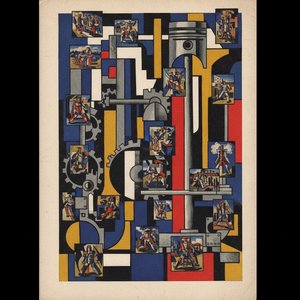
Contrasto di Forme 1


 Leggi tutto
Riproduzione a olio fatta a mano
Olio su tela dipinto a mano nelle tue dimensioni e con la tua cornice, realizzato su ordinazione dai nostri artisti. ( Passa alle stampe Passa all'immagine digitale)




P118B $10

P118H $10

P118W $10

P438Z $10

P508JH $12

P508YH $12

P805H $10

P805Z $10

P919BZ $10

P919G $10

P919XJ $10

P959ZH $10

P968JZ $12

W106C $8

W218G $10

W218JH $8

W218Y $10

W307PJ $10

W316G $10

W316PJ $8

W316Y $10

W398PJ $8

W4111J $10

W500HY $15

W500JH $15

W692G $12

W849H $8

W940BG $15

W953PJ $8




Scegli tra le nostre dimensioni predefinite, che rispettano le proporzioni originali dell'opera d'arte.

È possibile inserire dimensioni personalizzate per adattare l'opera a una cornice o a uno spazio specifico. Se la dimensione selezionata non corrisponde alle proporzioni dell'immagine originale, provvederemo a ritagliare l'opera o a estendere il dipinto con elementi aggiuntivi dipinti a mano. Un mockup digitale ti sarà inviato per approvazione prima dell'inizio della produzione.
Si prega di notare che l'anteprima a schermo non riflette il ritaglio o l'estensione effettivi. Solo il mockup mostrerà accuratamente la composizione finale.
Sebbene siano disponibili dimensioni personalizzate, consigliamo di selezionare una dimensione dall'elenco predefinito per preservare le proporzioni originali.
Dopo l'ordine, il team di OriginalUniqueArt.com contatterà il cliente via e-mail per ricevere le istruzioni e fornirà un'anteprima del mockup
Consegna in tutto il mondo () in 3/4 settimane anziché nelle normali 5 settimane. (13 Settembre). Nessun compromesso sulla qualità.

Spedizione espressa gratuita in tutto il mondo

Tela in lino di alta qualità

Assicurazione completa sulla spedizione

Garanzia di rimborso dei dazi doganali

Garanzia di perfetta fedeltà cromatica

Politica di reso entro 100 giorni (solo per difetti di fabbricazione)

Garanzia di rimborso al 100%

Sconto per acquisti multipli
 L'opzione vetro è disponibile solo per dimensioni inferiori a 110 cm

Contrasto di Forme 1
Tecnica di riproduzione
Dimensioni della riproduzione
-


Prezzo totale
$ 300
Contrast of Forms1: A Pioneering Vision of Modernity
“Contrast of Forms1,” by Fernand Léger, stands as an emblem of early 20th-century artistic rebellion and a testament to Léger’s singular ability to translate the dynamism of the industrial age onto canvas. Created during his formative years as an artist—a period marked by fervent experimentation with Cubism and its subsequent evolution into Tubism—this drawing isn't merely a depiction; it’s an interrogation, a dissection of reality aimed at uncovering its fundamental geometric principles. Léger sought to transcend traditional representation, rejecting the muted palettes favored by his contemporaries in favor of bolder hues that mirrored the vibrancy of the burgeoning machine age.Style & Technique: Deconstructing Reality Through Geometric Precision
Léger’s stylistic breakthrough lies in his radical departure from conventional artistic conventions. He abandons illusionistic depth and perspective, opting instead for a meticulously constructed composition dominated by circles, triangles, and intersecting lines. These shapes aren't randomly placed; they are deliberately arranged to analyze the underlying structure of objects—a process akin to scientific observation translated into visual language. The artist’s masterful use of charcoal or graphite allows for nuanced shading and definition, emphasizing the solidity and materiality of his subjects while simultaneously conveying a sense of movement and energy. Cylindrical forms – a defining characteristic of Léger's Tubism – subtly reference the influence of machinery and industrial production, reflecting the pervasive presence of technology in Léger’s worldview.Historical Context: Embracing Innovation Amidst Artistic Turmoil
Born in Argentan in 1881, Léger witnessed firsthand the seismic shifts reshaping European art at the turn of the century. Initially captivated by Impressionism, he swiftly embraced Cubism alongside luminaries like Picasso and Braque, recognizing its potential to challenge established artistic norms. However, Léger quickly distinguished himself from his peers, forging a path independent of prevailing trends. His rejection of subdued colors—a hallmark of early Cubism—demonstrates his commitment to communicating the energy and excitement of modernity. Léger’s affiliation with the Puteaux Group – a collective of avant-garde artists pushing boundaries of artistic expression – solidified his position as a vanguard of innovation, mirroring the broader cultural currents shaping France during this transformative era.Symbolism & Interpretation: Beyond Representation—A Reflection of Progress
“Contrast of Forms1” transcends mere visual representation; it embodies Léger’s philosophical conviction that art should engage with the realities of its time. The geometric shapes aren't simply decorative elements; they symbolize the underlying order and logic governing the industrial landscape, reflecting Léger’s fascination with technological advancement. Furthermore, the bold lines and contrasting shades evoke a sense of dynamism and movement—a deliberate attempt to capture the relentless pace of progress. Ultimately, this drawing invites contemplation on how art can serve as a conduit for understanding – and celebrating – the transformative forces reshaping human experience. It's an artwork that speaks volumes about Léger’s vision of a future infused with both precision and vitality.Biografia dell'artista
vitae e formazione
Fernand Léger, pittore, scultore e filmmaker francese, nacque il 4 febbraio 1881 ad Argentan, Orne, nella bassa Normandia. Suo padre allevava bovini e Léger iniziò la sua formazione come architetto nel 1897-1899. Successivamente si trasferì a Parigi nel 1900, sostenendosi con il lavoro di disegnatore architettonico.sviluppo artistico
Le prime opere di Léger furono influenzate dall'impressionismo, come visto in Le jardin de ma mère (Il giardino di mia madre) (1905). Dopo aver frequentato la scuola d'arte decorativa e l'Académie Julian, iniziò a lavorare seriamente come pittore a 25 anni. Il suo stile si evolse in una forma personale di cubismo, che i critici definirono "tubismo" per la sua enfasi su forme cilindriche.Cubismo e il gruppo dei Puteaux
Nel 1910, Léger espose al Salon d'automne insieme a Jean Metzinger e Henri Le Fauconnier. Entrò nel gruppo dei Puteaux, noto anche come la sezione d'or (la sezione aurea), insieme ad altri artisti come Francis Picabia e Marcel Duchamp.Guerra e la sua influenza sull'opera di Léger
Le esperienze di Léger nella Prima Guerra Mondiale ebbero un impatto significativo sulla sua opera. Durante il suo tempo al fronte, produsse schizzi di pezzi d'artiglieria, aerei e soldati. Il suo dipinto Soldier with a Pipe (1916) riflette questo periodo.Lavoro successivo e eredità
Il lavoro post-bellico di Léger, caratterizzato da forme meccaniche lisce, lo legò alla tradizione della pittura figurativa francese. I suoi paesaggi animati del 1921 mostrarono figure e animali in forme armoniose e razionalizzate.- visualizza le opere di Fernand Léger su OriginalUniqueArt
- altro sul Fernand Léger su Wikipedia
- scopri il Musée National Fernand Légère (Francia) con OriginalUniqueArt
- La donna seduta (100 x 81 cm, tubismo)
- Elemento macchina (cubismo)

Fernand Léger
1881 - 1955 , Francia
Informazioni rapide
- Artisti Influenti:
- Cézanne
- Impressionismo
- Artisti Influenzati: ['Pop Art']
- Data Di Nascita: 4 febbraio 1881
- Luogo Di Nascita: Argentan, Francia
- Movimento Artistico: Cubismo, Tubismo
- Nazionalità: Francese
- Nome Completo: Fernand Léger
- Opere Notevoli:
- La Grande Parata
- L'Elemento Macchina
- Donna Seduta
- The City
Articoli correlati

Beyond Form & Color: Geometric Abstraction's Evolution in 20th/21st Century Art
Explore the evolution of geometric abstraction from Cubism to contemporary art. Discover key artists like Malevich & Mondrian, investment insights, and expert collecting advice at OriginalUniqueArt.

Kandinsky: I 25 Capolavori che Hanno Rivoluzionato l'Arte Moderna | OriginalUniqueArt
Esplora i 25 capolavori di Wassily Kandinsky, pioniere dell'arte astratta. Scopri la storia, il significato e le tecniche dietro ogni dipinto iconico. Trova riproduzioni d'arte di alta qualità per decorare la tua casa su OriginalUniqueArt.com.

Astrazione Geometrica: 10 Capolavori che Hanno Definito un Movimento Artistico
Esplora i 10 capolavori dell'Astrazione Geometrica: Mondrian, Malevich e Kandinsky rivoluzionano l'arte moderna. Scopri la storia, i colori e le tecniche di questi movimenti iconici. Stampe d'arte di alta qualità su OriginalUniqueArt.com!
Fernand Léger: I 25 Capolavori che Hanno Definito l'Arte Moderna | OriginalUniqueArt
Esplora i 25 capolavori di Fernand Léger, pioniere del cubismo e del tubismo. Scopri la storia, le tecniche e l'impatto dell'arte moderna francese. Stampe d'arte e riproduzioni su OriginalUniqueArt.com.

Neo-Abstract Art: The High-Impact Evolution of Modern Visual Energy and Geometric Sophistication
Discover the power of Neo-Abstract art. Explore how bold geometric forms and high-impact visual energy are redefining modern design. Learn to curate sophisticated, high-energy spaces with the latest trends in contemporary abstraction and structural color.


