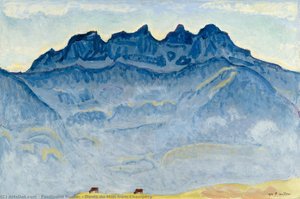
Anteprima in scala reale
 Condividi
 Condividi
 Dettagli
 Guida stampabile

 Scarica
 Articoli simili
 Radiografia
 Slideshow
 Statistiche
La coppia
 Acrilico su tela
- Opere da parete
- Symbolist Expression
 1907
1907 9.0 x 45.0 cm
 Galleria Nazionale della Bosnia ed Erzegovina
 Leggi tutto
Riproduzione a olio fatta a mano
Olio su tela dipinto a mano nelle tue dimensioni e con la tua cornice, realizzato su ordinazione dai nostri artisti. ( Passa alle stampe Passa all'immagine digitale)




P118B €10

P118H €10

P118W €10

P438Z €10

P508JH €12

P508YH €12

P805H €10

P805Z €10

P919BZ €10

P919G €10

P919XJ €10

P959ZH €10

P968JZ €12

W106C €8

W218G €10

W218JH €8

W218Y €10

W307PJ €10

W316G €10

W316PJ €8

W316Y €10

W398PJ €8

W4111J €10

W500HY €15

W500JH €15

W692G €12

W849H €8

W940BG €15

W953PJ €8




Scegli tra le nostre dimensioni predefinite, che rispettano le proporzioni originali dell'opera d'arte.

Inserisci la larghezza e l'altezza di cui hai bisogno, per adattarle alla tua cornice o alla tua parete. Trattandosi di un'opera dipinta a mano, in caso di dimensioni con una forma differente, l'artista può dipingere un po' più oltre i bordi dell'immagine o ritagliare leggermente — la scelta spetta a te. Ti invieremo un mockup digitale da approvare prima che la pittura abbia inizio. L'immagine mostrata in questa pagina non rappresenta il risultato reale — solo il mockup lo fa.
Dopo l'ordine, il team di OriginalUniqueArt.com contatterà il cliente via e-mail per ricevere le istruzioni e fornirà un'anteprima del mockup
Consegna in tutto il mondo () in 3/4 settimane anziché nelle normali 5 settimane. (21 Ottobre). Nessun compromesso sulla qualità.

Spedizione espressa gratuita in tutto il mondo

Tela in lino di alta qualità

Assicurazione completa sulla spedizione

Garanzia di rimborso dei dazi doganali

Garanzia di perfetta fedeltà cromatica

Politica di reso entro 100 giorni (solo per difetti di fabbricazione)

Garanzia di rimborso al 100%

Sconto per acquisti multipli
 L'opzione vetro è disponibile solo per dimensioni inferiori a 110 cm

La coppia
Tecnica di riproduzione
Dimensioni della riproduzione
-


Prezzo totale
€ 262
Love Couple by Ferdinand Hodler: A Study in Quiet Intensity
Ferdinand Hodler’s “Love Couple,” created around 1907, stands as a cornerstone of Swiss Symbolism and exemplifies the artist's masterful exploration of emotion and spiritual contemplation. This deceptively simple composition—two figures intertwined on a bed—holds within it layers of profound meaning that resonate far beyond its modest dimensions (9 x 45 cm), currently housed at the National Gallery of Bosnia & Herzegovina in Sarajevo—a testament to Hodler’s enduring legacy. The photograph captures the painting's textural richness, revealing Hodler’s deliberate use of red and blue pencil on paper, a technique that contributes significantly to its atmospheric depth and emotive power.Stylistic Considerations: Embracing Symbolism
Hodler’s artistic vision firmly rooted in Symbolism rejects literal representation, prioritizing instead the conveyance of inner feelings and psychological states. Unlike Impressionists who sought to capture fleeting moments of visual sensation, Hodler aimed to distill essence—to express intangible concepts like love, vulnerability, and mortality through stylized forms and muted color palettes. The figures themselves are rendered with a characteristic flatness, reminiscent of Byzantine icons, emphasizing their spiritual significance rather than anatomical accuracy. This stylistic choice underscores Hodler’s belief that art should transcend the mundane and engage directly with the viewer's subconscious mind. He sought to evoke emotion and contemplation, mirroring the broader artistic currents of his time—a period marked by anxieties about modernity and grappling with questions of faith and morality.Technique and Texture: Layers of Depth
Hodler achieved remarkable textural complexity through his innovative “parallelism” method—a technique he pioneered during this period. Instead of applying paint in conventional brushstrokes, Hodler meticulously layered colors and textures to create an illusion of depth and luminosity. The subtle gradations of red and blue pencil intertwine seamlessly, mirroring the embrace of the figures and subtly hinting at the underlying currents of emotion. Careful attention to detail—particularly in rendering the contours of the bodies and the folds of fabric—further enhances the painting’s visual impact, demonstrating Hodler's unwavering commitment to craftsmanship and artistic precision. This meticulous approach distinguishes “Love Couple” from more overtly realistic depictions of its subject matter.Historical Context: The Spirit of Sarajevo
“Love Couple” emerged during a period of significant cultural ferment in Sarajevo, Bosnia & Herzegovina, where Hodler was actively engaged in promoting Swiss art internationally. Symbolism flourished alongside Expressionism and Futurism, reflecting anxieties about modernity and grappling with questions of faith and morality. Hodler’s work aligns perfectly with this broader artistic movement's preoccupation with psychological introspection and its desire to communicate universal truths—themes that continue to captivate audiences today. The painting’s placement within the National Gallery underscores Sarajevo’s role as a repository of cultural heritage and its dedication to preserving artistic masterpieces for future generations. It represents a pivotal moment in Hodler’s artistic development, showcasing his pioneering use of parallelism – layering textures and colors to create depth anEmotional Resonance: A Meditation on Connection
Ultimately, “Love Couple” transcends mere visual representation; it invites contemplation about the complexities of human relationships and the inevitability of mortality. The figures' posture—one lying supine, the other resting his head upon her lap—suggests a profound intimacy and vulnerability. Hodler’s masterful use of color and texture amplifies this emotional resonance, creating an atmosphere of serene stillness punctuated by subtle hints of melancholy. It is precisely this quiet intensity that distinguishes “Love Couple” as a timeless depiction of love—a testament to Hodler's ability to capture the essence of human experience with remarkable sensitivity and artistic brilliance.Domande e risposte
Quali sono le dimensioni dell'originale "La coppia"?
"La coppia" misura 9 x 45 cm nella sua forma originale. Le dimensioni originali sono un utile riferimento quando si sceglie la dimensione di una riproduzione.
In quale anno e all'interno di quale movimento è stata realizzata "La coppia"?
"La coppia" è stata creata nel 1907 come opera del movimento Symbolist Expression. La data e il movimento collocano l'opera all'interno della storia dell'arte.
In quale movimento e in quale epoca si colloca "La coppia" di Ferdinand Hodler?
"La coppia" appartiene al movimento Symbolist Expression, e il suo autore ha operato nell'epoca XIX secolo.
Biografia dell'artista
La Vita e la Carriera di Ferdinand Hodler
Ferdinand Hodler, pittore svizzero, nacque il 14 marzo 1853 a Berna, in Svizzera. I suoi primi lavori furono caratterizzati da ritratti, paesaggi e dipinti di genere in uno stile realistico. Successivamente, adottò una forma personale di simbolismo, che definì "parallelismo".L'Evoluzione dello Stile di Hodler
Man mano che la carriera di Hodler progrediva, il suo lavoro si evolse per combinare influenze da vari generi, tra cui il simbolismo e l'Art Nouveau. Nel 1890, completò "Notte", un dipinto che segnò la sua svolta verso immagini simboliste. Quest’opera, che presenta diverse figure coricate, fu inizialmente accolta con controversie ma alla fine ottenne attenzione favorevole a Parigi.Opere Notabili e Collezioni
- "Il Giorno" (1893), un dipinto storico su larga scala, è un esempio notevole del lavoro di Hodler. Quest'opera, esposta al Kunsthaus di Zurigo, dimostra il suo unico connubio tra simbolismo e realismo.
- Il Museo Kunsthaus di Zurigo, in Svizzera, presenta una collezione impressionante delle opere di Hodler, tra cui "Verità II" (1897), che può essere visualizzata su /it/art/show/art-d3b4gt-it/.
Influenza e Significato Storico
L'adozione del simbolismo da parte di Hodler e lo sviluppo del "parallelismo" hanno avuto un impatto duraturo sul mondo dell'arte. Il suo lavoro può essere visto come un precursore dell'espressionismo, con la sua enfasi sulle figure fortemente colorate e geometriche.- La biografia di Ferdinand Hodler è disponibile su OriginalUniqueArt, fornendo uno sguardo approfondito sulla sua vita ed evoluzione artistica.
- La storia della nudità nell'arte, che è stata un tema di interesse durante tutta la carriera di Hodler, può essere esplorata ulteriormente su https://en.wikipedia.org/wiki/history_of_the_nude_in_art.
Date Chiave
- 1853: nato a Berna, Svizzera
- 1890: completata "Notte", segnando la sua svolta verso immagini simboliste
- 1918: deceduto il 19 maggio
- https://OriginalUniqueArt.com/@@/d3xnx9-ferdinand-hodler-the-day per visualizzare "Il Giorno" (1893)
- https://en.wikipedia.org/wiki/ferdinand_hodler per una biografia completa di Ferdinand Hodler
- https://OriginalUniqueArt.com/@/ferdinand-hodler per un'ampia collezione dei suoi lavori e una biografia dettagliata.
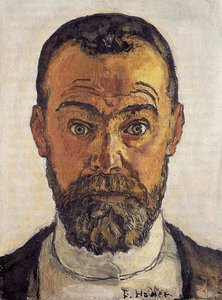
Ferdinand Hodler
1853 - 1918 , Svizzera
Informazioni rapide
- Artistic Movement Or Style: Simbolismo, Art Nouveau
- Artists Or Movements Influenced By This Artist: ['Espressionismo']
- Artists Who Influenced This Artist:
- Albrecht Dürer
- Diego Velázquez
- Date Of Birth: 14 marzo 1853
- Date Of Death: 19 maggio 1918
- Full Name: Ferdinand Hodler
- Nationality: Svizzero
- Notable Artworks:
- Notte
- Il Giorno
- Verità II
- Place Of Birth: Berna, Svizzera
Articoli correlati
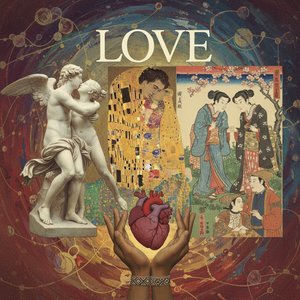
The Enduring Motif of Love in Art History: A Cross-Cultural Exploration of Representation and Emotion
Explore the rich history of love in art! Discover iconic masterpieces, artistic techniques & cultural symbolism from antiquity to modern times. Expert analysis for collectors.
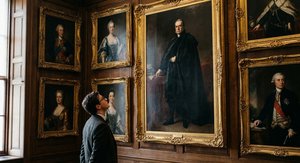
The Grandeur of Presence: Exploring Representations of Stately Bearing in Western Portraiture
Explore the art of stately bearing in Western portraiture with expert analysis of Renaissance & Baroque masterpieces. Discover symbolism, techniques, and the legacy of iconic portraits – a guide for discerning collectors.
Regali di Nozze Indimenticabili: 10 Opere d'Arte Simboliche per un Amore Eterno
Scopri 10 opere d'arte iconiche per un regalo di nozze indimenticabile. Van Gogh, Monet e Klimt celebrano l'amore eterno! Quadri famosi e riproduzioni d'arte su . Esplora la collezione online.
Le 10 Opere d'Arte Più Romantiche di Sempre | .it
Scopri le 10 opere d'arte più romantiche di sempre! Esplora la passione di Delacroix, i paesaggi di Friedrich e l'amore nell'arte del XIX secolo. Trova riproduzioni di alta qualità su e trasforma la tua casa con capolavori senza tempo.

The Enduring Legacy of Formal Portraiture: Power, Identity & Artistic Exploration
Explore the rich history of formal portraiture & its enduring power to capture identity and shape perception. Discover investment-worthy artworks, expert appraisals, and custom reproduction services at OriginalUniqueArt.