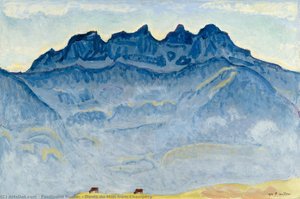
Anteprima in scala reale
 Condividi
 Condividi
 Dettagli
 Guida stampabile

 Scarica
 Articoli simili
 Radiografia
 Slideshow
 Statistiche
Figure study
 Acrylic On Canvas
- WallArt
- Symbolism
 1901
1901 48.0 x 25.0 cm
 Galleria Nazionale della Bosnia ed Erzegovina
 Leggi tutto
Giclée / Stampe d'arte
Stampa giclée o su tela di qualità museale, con produzione rapida e diverse opzioni di finitura. ( Ordina la riproduzione dipinta a mano Passa all'immagine digitale)




P118B €10

P118H €10

P118W €10

P438Z €10

P508JH €12

P508YH €12

P805H €10

P805Z €10

P919BZ €10

P919G €10

P919XJ €10

P959ZH €10

P968JZ €12

W106C €8

W218G €10

W218JH €8

W218Y €10

W307PJ €10

W316G €10

W316PJ €8

W316Y €10

W398PJ €8

W4111J €10

W500HY €15

W500JH €15

W692G €12

W849H €8

W940BG €15

W953PJ €8




Scegli tra le nostre dimensioni predefinite, che rispettano le proporzioni originali dell'opera d'arte.

Inserisci la larghezza e l'altezza desiderate, per adattarle alla tua cornice o alla tua parete. Una stampa può essere solo ritagliata, mai resa più grande dell'immagine originale; pertanto, un formato con una forma differente comporterà la perdita di una parte dell'opera. Ti invieremo un mockup digitale da approvare prima di procedere con la stampa. L'immagine mostrata in questa pagina non rappresenta il ritaglio reale — solo il mockup lo mostra.
Consegna in tutto il mondo () in 2 settimane invece delle normali 4/5 settimane. (21 Ottobre)

Spedizione espressa gratuita in tutto il mondo

Tela in lino di alta qualità

Assicurazione completa sulla spedizione

Garanzia di rimborso dei dazi doganali

Garanzia di perfetta fedeltà cromatica

Politica di reso entro 100 giorni (solo per difetti di fabbricazione)

Garanzia di rimborso al 100%

Sconto per acquisti multipli
 L'opzione vetro è disponibile solo per dimensioni inferiori a 110 cm

Figure study
Giclée / Stampe d'arte
Dimensioni della riproduzione
-


Prezzo totale
€ 70
The Genesis of a Symbolist Masterpiece
Ferdinand Hodler's “Figure Study,” painted in 1901, isn’t merely a sketch; it’s a distilled essence of late 19th-century Swiss Symbolism. Born amidst profound personal loss – the untimely deaths of his father and brothers casting a long shadow over his early life – Hodler channeled these experiences into an artistic language deeply rooted in introspection and the ephemeral nature of existence. This particular work, created during a period of intense creative exploration, exemplifies his signature style: a delicate balance between realism and abstraction, capturing not just the outward appearance but also the underlying emotional state of the subject.
The painting’s genesis lies within Hodler's evolving approach to portraiture. Initially focused on conventional depictions, he began to experiment with a more expressive and symbolic style, moving away from strict realism towards an exploration of inner landscapes. “Figure Study” represents this pivotal shift, demonstrating his growing interest in conveying mood and psychological depth through simplified forms and subtle tonal variations. It’s a preparatory drawing for "The Emotion," suggesting that the final composition was intended to be part of a larger series exploring human feeling.
A Dance of Line and Shadow: Technique and Style
Hodler's technique in “Figure Study” is characterized by its remarkable fluidity and gestural quality. The pencil lines, rendered with varying pressure and direction, create a sense of movement and immediacy—as if the figure were caught in a fleeting moment of grace. Notice how the loose, almost hesitant strokes define the contours of the body, avoiding overly precise detail. This deliberate lack of finish contributes to the painting’s intimate and personal feel, inviting the viewer into the artist's creative process.
- Pencil as Instrument: Hodler masterfully utilizes pencil not just for outlining but also for creating tonal values through subtle shading. The interplay of light and shadow subtly sculpts the figure’s form, adding depth and volume without resorting to harsh contrasts.
- Parallelism in Motion: The composition itself embodies Hodler's concept of “parallelism”—a belief that human life is governed by underlying rhythms and harmonies. The diagonal line of the figure’s body creates a dynamic flow, suggesting movement and vitality.
- Simplified Forms: Hodler reduces the subject to its essential elements, emphasizing the core gesture and posture rather than intricate details. This simplification allows the viewer to project their own emotions and interpretations onto the image.
Decoding Symbolism: Emotion and Mortality
Beyond its technical merits, “Figure Study” is rich in symbolic meaning. The woman’s flowing dress and graceful posture evoke a sense of serenity and timelessness, while her slightly averted gaze suggests introspection and perhaps even melancholy. The painting's connection to "The Emotion" hints at an exploration of the human condition—the interplay between joy and sorrow, life and death. Hodler frequently used themes of loss and mortality in his work, reflecting his own personal experiences and a broader awareness of the fragility of existence.
Consider the figure’s position: poised on the cusp of movement, as if caught mid-stride. This captures a fleeting moment, an instant of being—a reminder that life is constantly in flux. The painting isn't about depicting a specific event but rather conveying a universal feeling, a sense of longing or contemplation.
Bringing Hodler’s Vision Home
A hand-painted reproduction of “Figure Study” offers a stunning way to bring the evocative power of this masterpiece into your home. The delicate pencil strokes and subtle tonal variations translate beautifully onto canvas, capturing the essence of Hodler's unique artistic vision. Whether adorning a living room wall or gracing a study, this artwork will serve as a constant source of inspiration—a reminder of the beauty, complexity, and profound emotional depth that lie within the human experience.
Domande e risposte
Quale tonalità di fondo attraversa "Figure study" di Ferdinand Hodler?
"Figure study" tende verso una tonalità Green to Violet Spectrum.
I colori di "Figure study" appaiono intensi o delicati?
L'intensità cromatica di "Figure study" è Balanced. L'intensità descrive quanto appaiano marcati i colori.
Quali sono la tecnica e le dimensioni di "Figure study" di Ferdinand Hodler?
"Figure study" è stata realizzata in Acrylic On Canvas e misura 48 x 25 cm nella sua forma originale.
Biografia dell'artista
La Vita e la Carriera di Ferdinand Hodler
Ferdinand Hodler, pittore svizzero, nacque il 14 marzo 1853 a Berna, in Svizzera. I suoi primi lavori furono caratterizzati da ritratti, paesaggi e dipinti di genere in uno stile realistico. Successivamente, adottò una forma personale di simbolismo, che definì "parallelismo".L'Evoluzione dello Stile di Hodler
Man mano che la carriera di Hodler progrediva, il suo lavoro si evolse per combinare influenze da vari generi, tra cui il simbolismo e l'Art Nouveau. Nel 1890, completò "Notte", un dipinto che segnò la sua svolta verso immagini simboliste. Quest’opera, che presenta diverse figure coricate, fu inizialmente accolta con controversie ma alla fine ottenne attenzione favorevole a Parigi.Opere Notabili e Collezioni
- "Il Giorno" (1893), un dipinto storico su larga scala, è un esempio notevole del lavoro di Hodler. Quest'opera, esposta al Kunsthaus di Zurigo, dimostra il suo unico connubio tra simbolismo e realismo.
- Il Museo Kunsthaus di Zurigo, in Svizzera, presenta una collezione impressionante delle opere di Hodler, tra cui "Verità II" (1897), che può essere visualizzata su /it/art/show/art-d3b4gt-it/.
Influenza e Significato Storico
L'adozione del simbolismo da parte di Hodler e lo sviluppo del "parallelismo" hanno avuto un impatto duraturo sul mondo dell'arte. Il suo lavoro può essere visto come un precursore dell'espressionismo, con la sua enfasi sulle figure fortemente colorate e geometriche.- La biografia di Ferdinand Hodler è disponibile su OriginalUniqueArt, fornendo uno sguardo approfondito sulla sua vita ed evoluzione artistica.
- La storia della nudità nell'arte, che è stata un tema di interesse durante tutta la carriera di Hodler, può essere esplorata ulteriormente su https://en.wikipedia.org/wiki/history_of_the_nude_in_art.
Date Chiave
- 1853: nato a Berna, Svizzera
- 1890: completata "Notte", segnando la sua svolta verso immagini simboliste
- 1918: deceduto il 19 maggio
- https://OriginalUniqueArt.com/@@/d3xnx9-ferdinand-hodler-the-day per visualizzare "Il Giorno" (1893)
- https://en.wikipedia.org/wiki/ferdinand_hodler per una biografia completa di Ferdinand Hodler
- https://OriginalUniqueArt.com/@/ferdinand-hodler per un'ampia collezione dei suoi lavori e una biografia dettagliata.
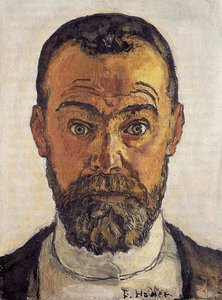
Ferdinand Hodler
1853 - 1918 , Svizzera
Informazioni rapide
- Artistic Movement Or Style: Simbolismo, Art Nouveau
- Artists Or Movements Influenced By This Artist: ['Espressionismo']
- Artists Who Influenced This Artist:
- Albrecht Dürer
- Diego Velázquez
- Date Of Birth: 14 marzo 1853
- Date Of Death: 19 maggio 1918
- Full Name: Ferdinand Hodler
- Nationality: Svizzero
- Notable Artworks:
- Notte
- Il Giorno
- Verità II
- Place Of Birth: Berna, Svizzera
Articoli correlati
The Alchemy of Graphite: An Expert Guide to Mastering Detail and Depth in Pencil Sketching
Unlock the secrets of graphite sketching with our expert guide for art students. Learn to master pencil grades, create realistic depth, and capture intricate textures through professional techniques designed to elevate your observational drawing skills.
The Power of Graphite: Mastering Depth, Texture, and Detail in the Art of Pencil Drawing
Explore the profound artistry of graphite drawing. Discover professional techniques for mastering depth, texture, and detail through a lens of art history, from classical sketches to modern masterpieces. Elevate your understanding of the pencil medium with our expert guide.
Raw Energy: Why Sketch Studies are the Ultimate Urban Vibe for Your Walls
Elevate your space with the raw energy of sketch studies. Discover how the unfiltered power of charcoal, line, and gesture creates the ultimate urban vibe for modern interiors. Expert trends in contemporary wall art curation for the design-conscious professional.
The Eloquent Line: Exploring the Artistic Significance of Sketches Across Movements and Media
Explore the profound artistic significance of sketches throughout history. From Renaissance masters to modern innovators like Van Gogh & Guston, discover how these foundational works reveal technique, emotion, and vision. Learn more at OriginalUniqueArt.
The Nuances of Graphite: Exploring Emotional Depth & Technical Mastery in Pencil Drawing
Explore the captivating world of graphite drawing! Discover its rich history, master essential techniques like chiaroscuro, and learn how artists evoke emotion through this timeless medium. Expert insights for art enthusiasts.